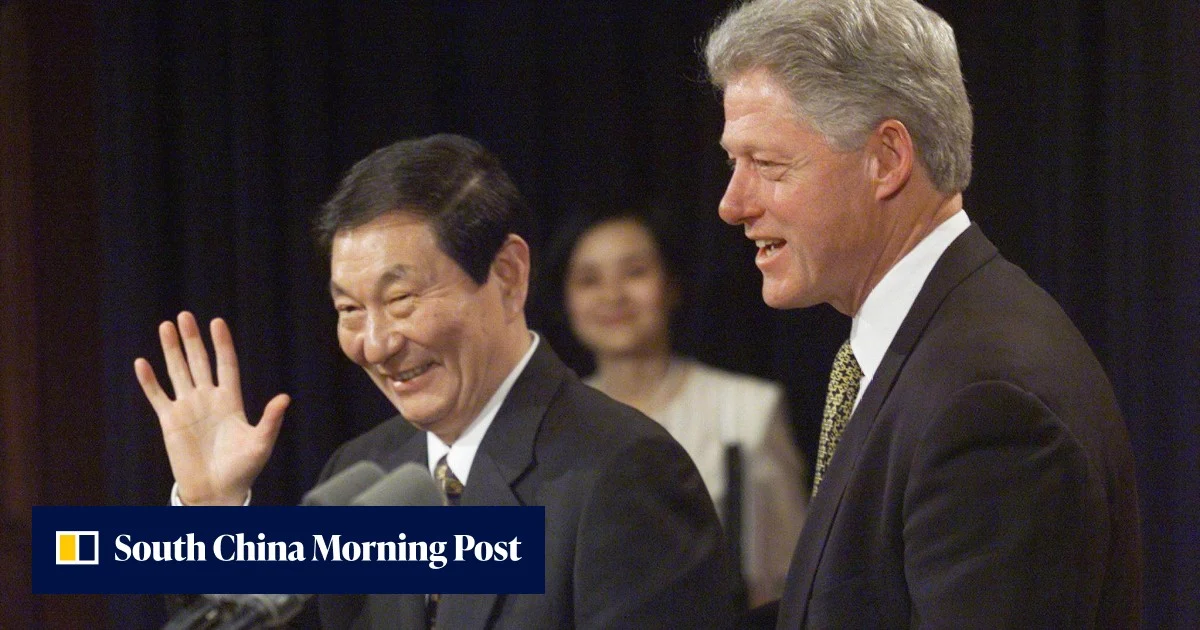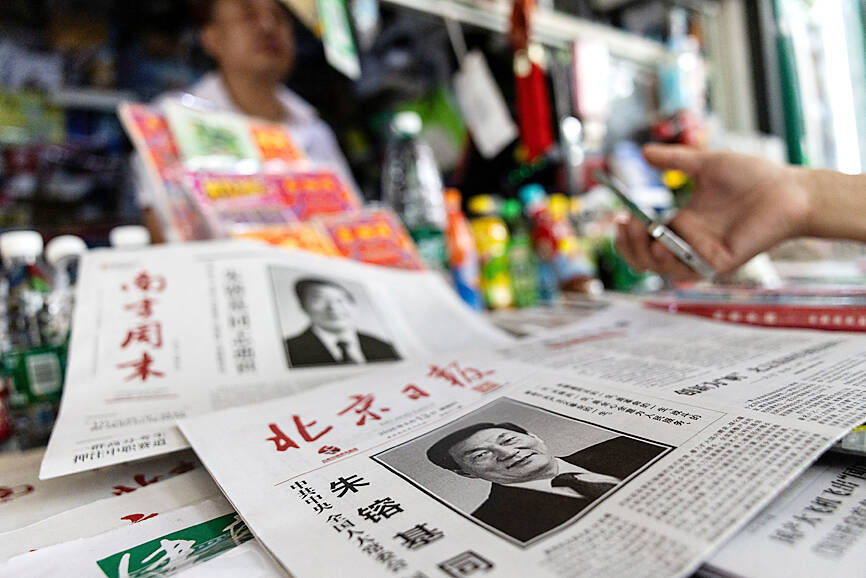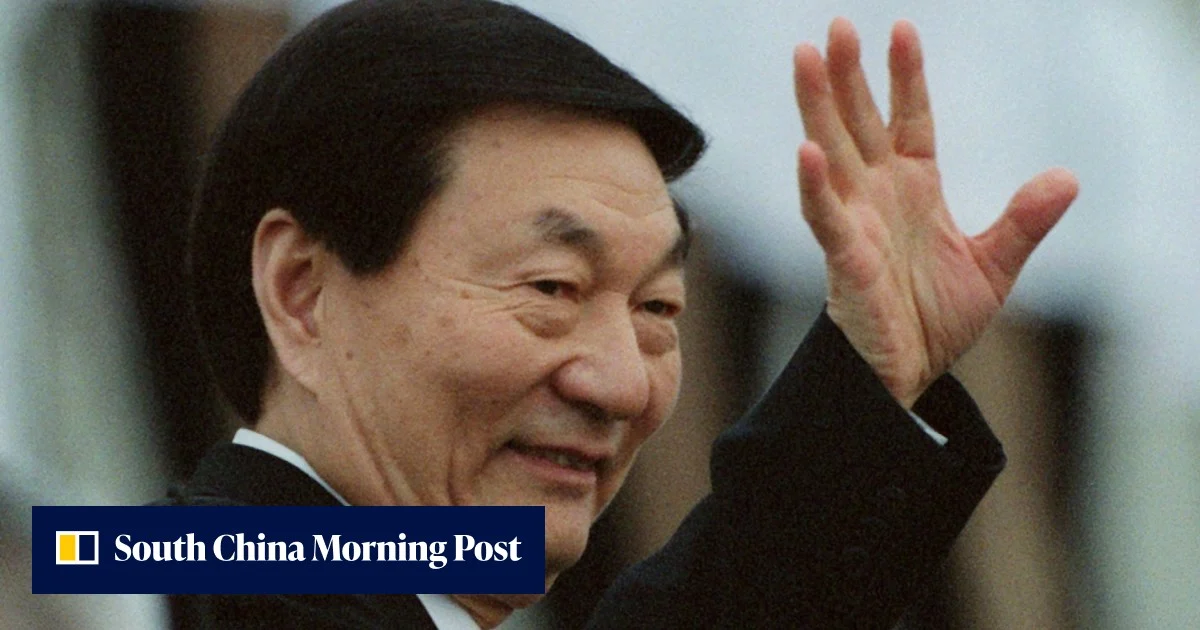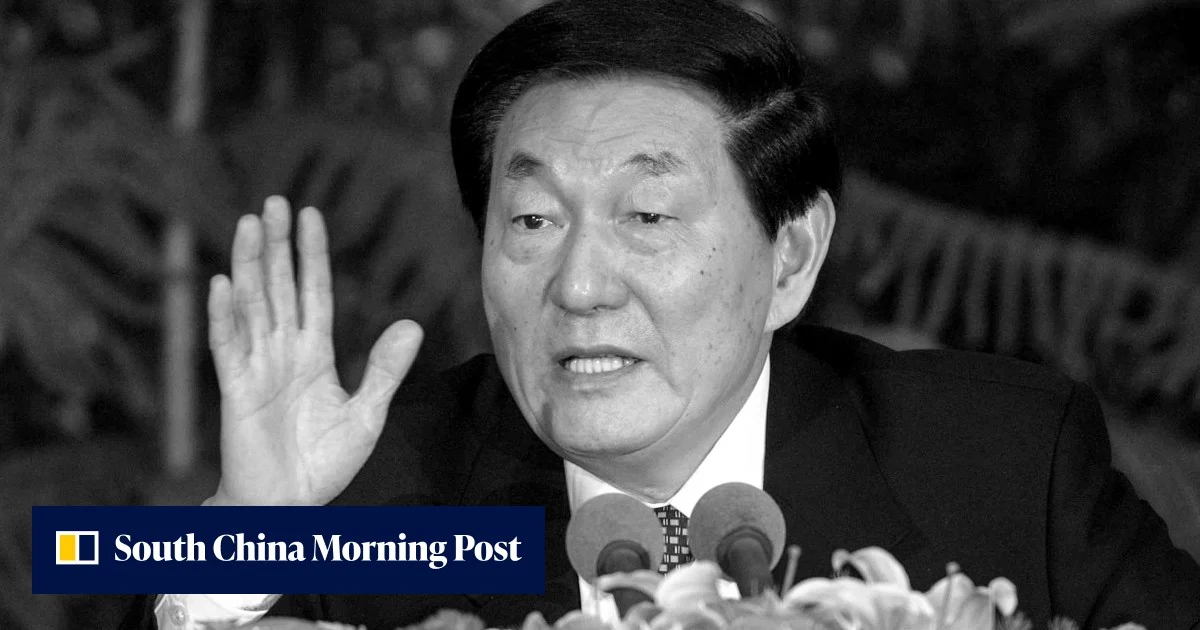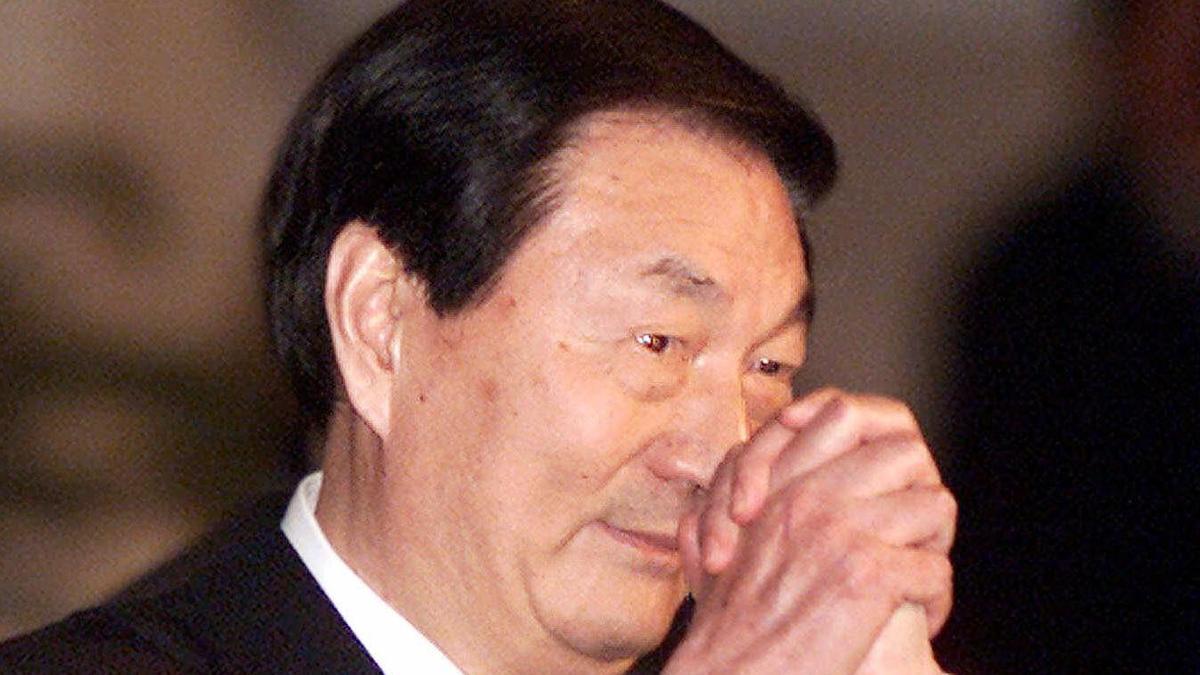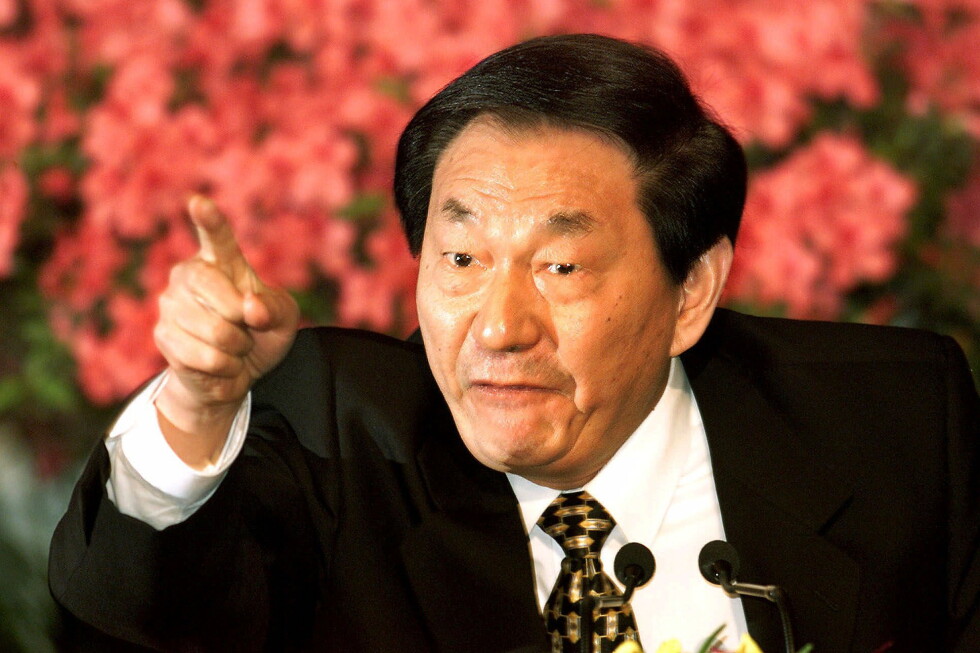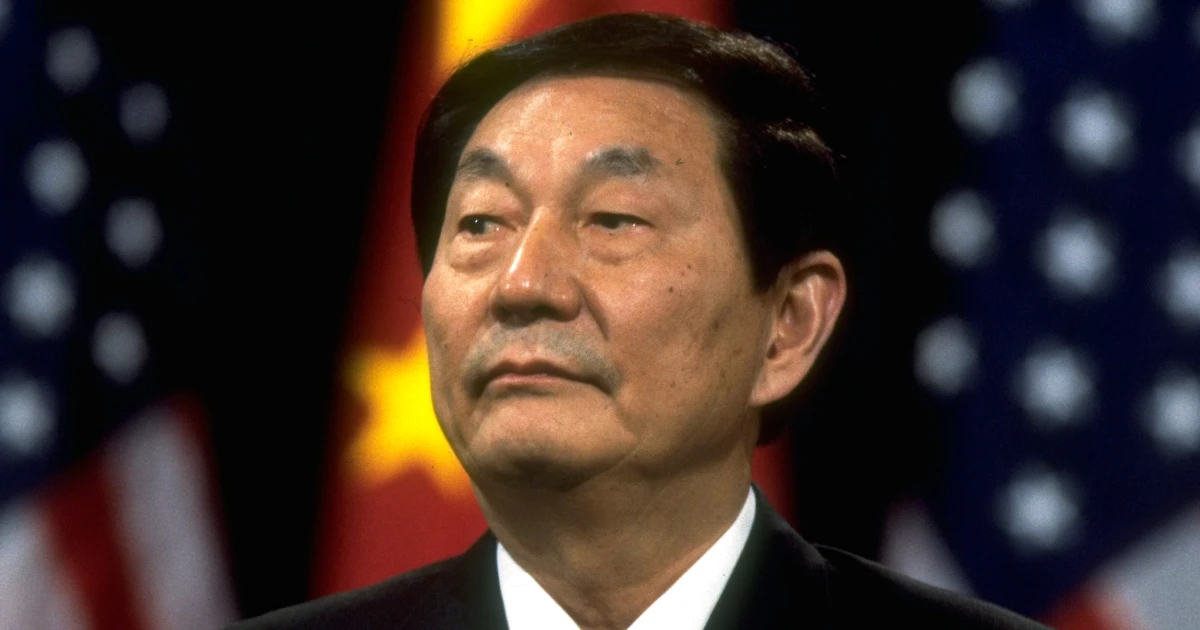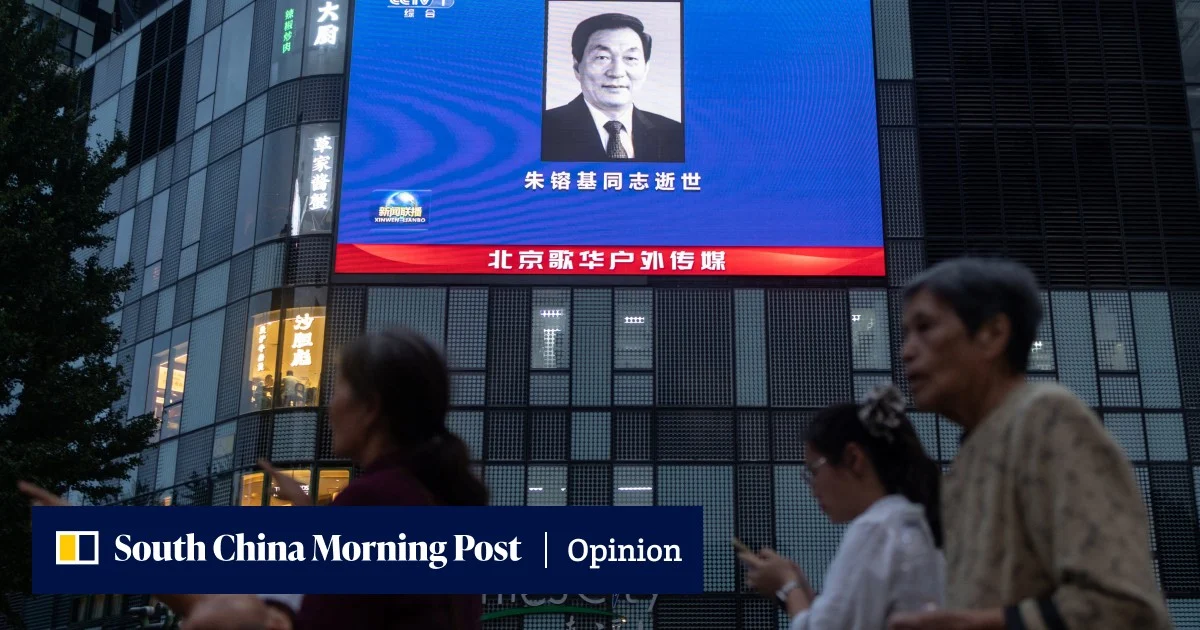
The extraordinary achievements of Zhu Rongji’s market reforms and their contribution to China’s rise to global economic power are well known. Much ink has already been spilled in the news media since his death at the age of 97 was announced this week.But if foreigners are supposedly suffering the deliberately mislabelled “China shock 2.0”, they may be more interested in whether Zhu and his reforms caused the original – and equally mislabelled – “China shock”.Here, I start with a useful summary, from an American point of view, of “The China Shock and Its Enduring Effects”, a 2022 study by the Centre on China’s Economy and Institutions at Stanford University: “The impact of the China shock accounted for 59.3 per cent of all US manufacturing job losses between 2001 and 2019, mostly in labour-intensive manufacturing where fewer workers had college degrees.“Laid-off workers converted nearly one for one into long-term unemployment, causing a corresponding rise in government transfer receipts per capita. Adverse impacts of the China shock lasted two decades beyond the initial trade shock and one decade following its peak intensity in 2010. Despite lower consumer prices of goods imported from China, 6.3 per cent of the US population still experienced net losses in real income due to the China shock.”Even before Zhu successfully negotiated China’s admission to the World Trade Organization in December 2001, the country was already emerging as the go-to hub for many Western manufacturers and producers.China then had a huge pool of young, healthy and literate labour, thanks mostly to policies that could be traced back to the Mao Zedong era. It was also undergoing the greatest and fastest urbanisation in history, as rural able bodies flooded into urban centres to find work. Their labour was already dirt cheap relative to western costs, but equally consequential was the hukou system restricting their movement and qualification for social benefits, keeping them at the mercy of urban employers.Migrant workers returning from Spring Festival leave emerge from a railway station in Guangzhou in 2001. Photo: Xinhua
As I see it | Was the late Zhu Rongji responsible for the original ‘China shock’?
US and other Western multinationals were all chasing the lowest price that China offered – and willing to sacrifice jobs for easy profits.
336 words~2 min read