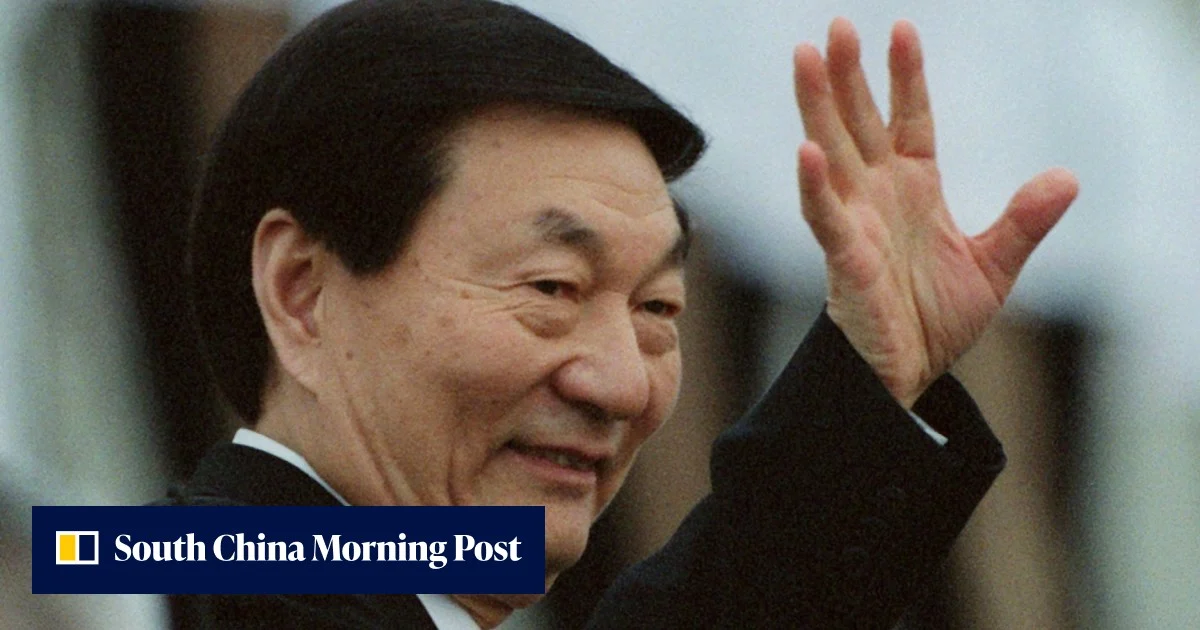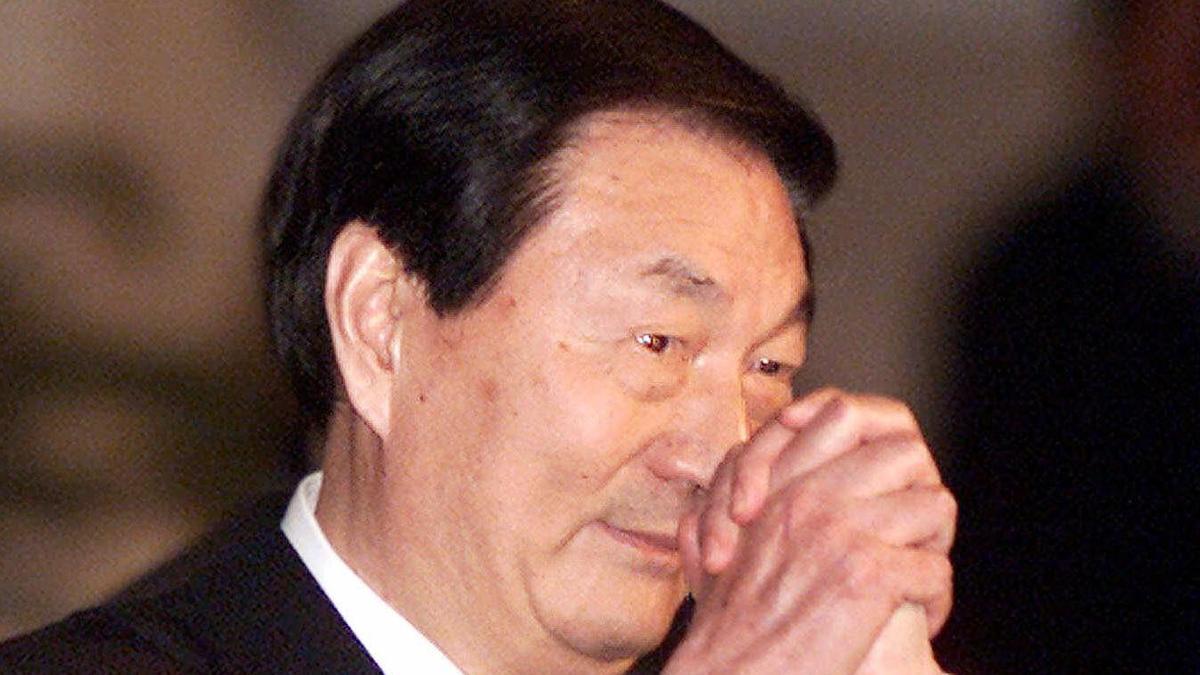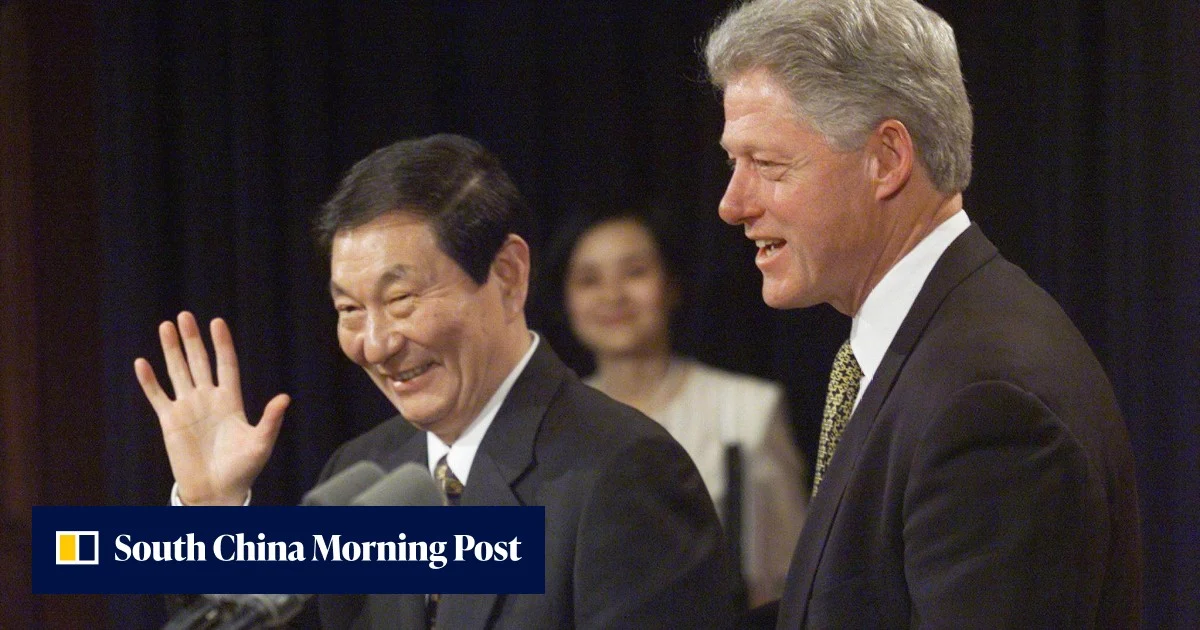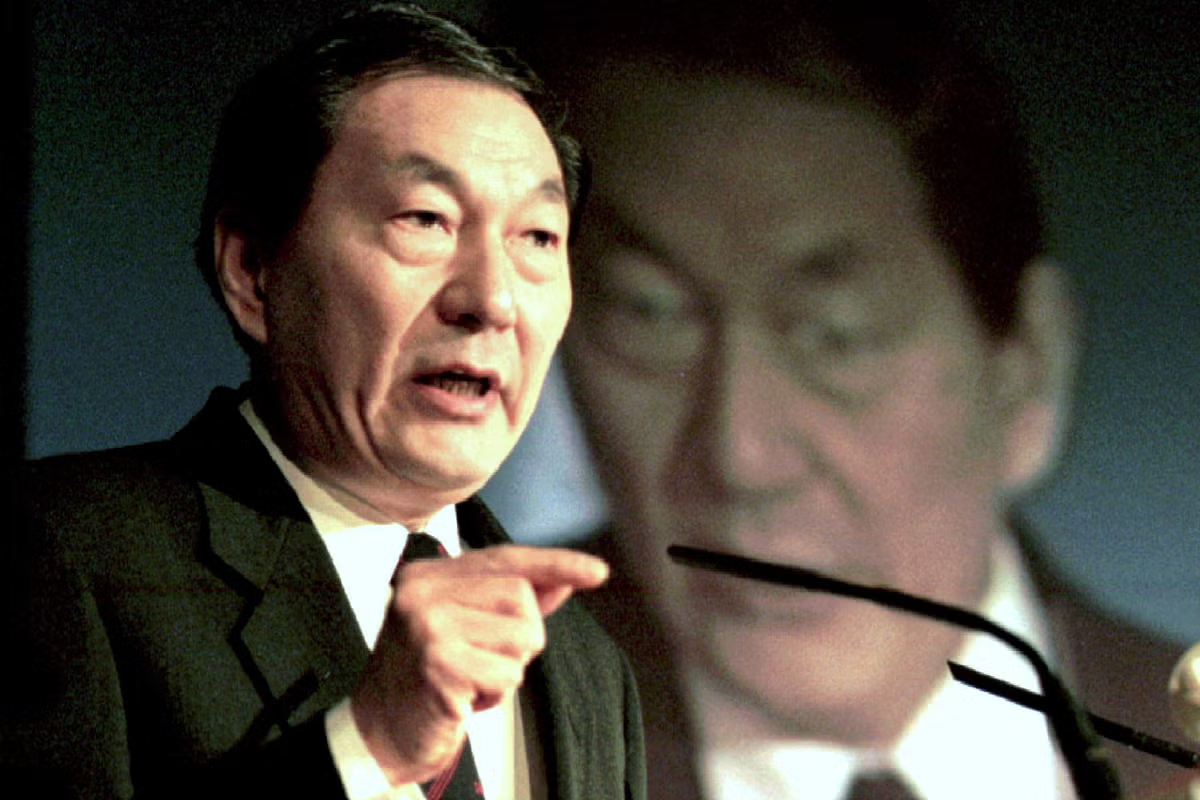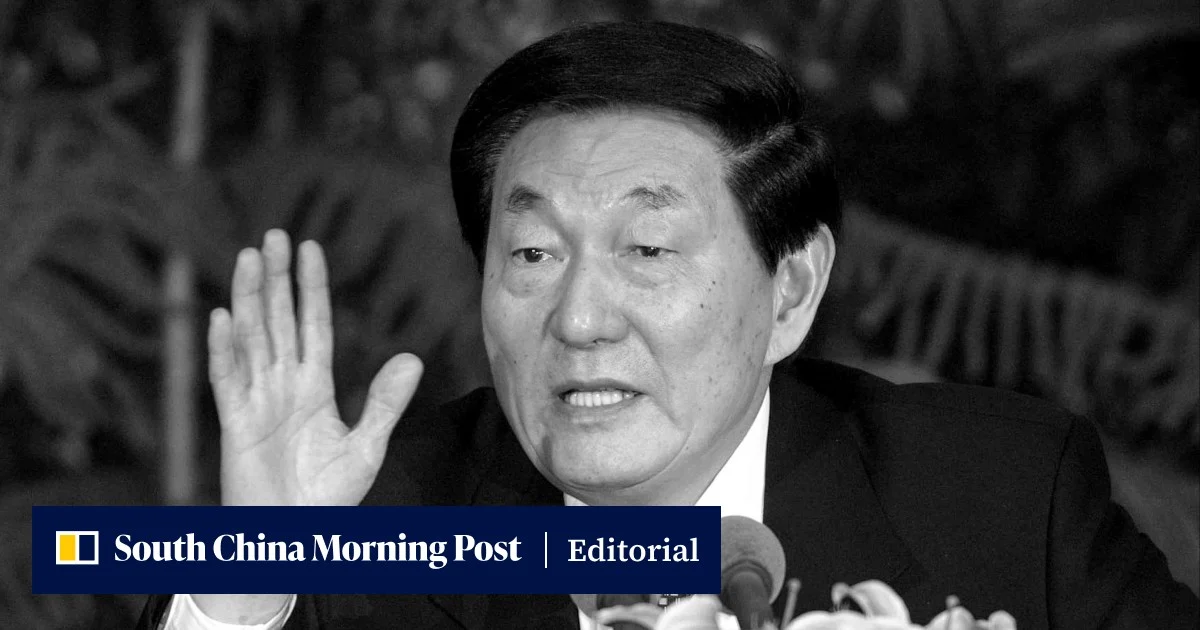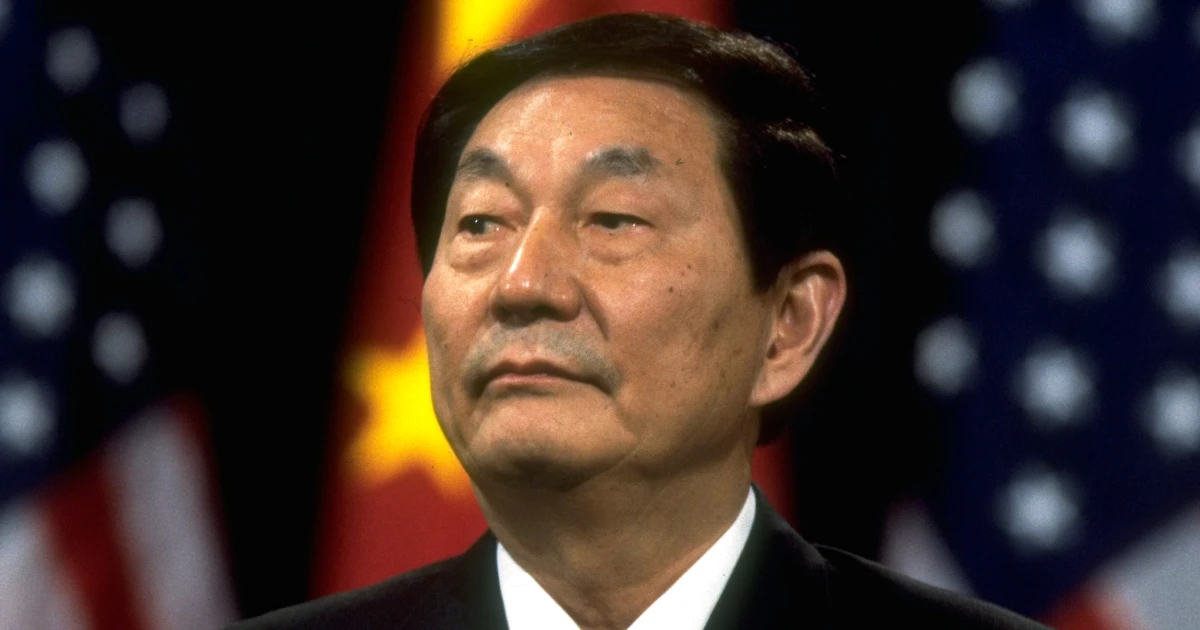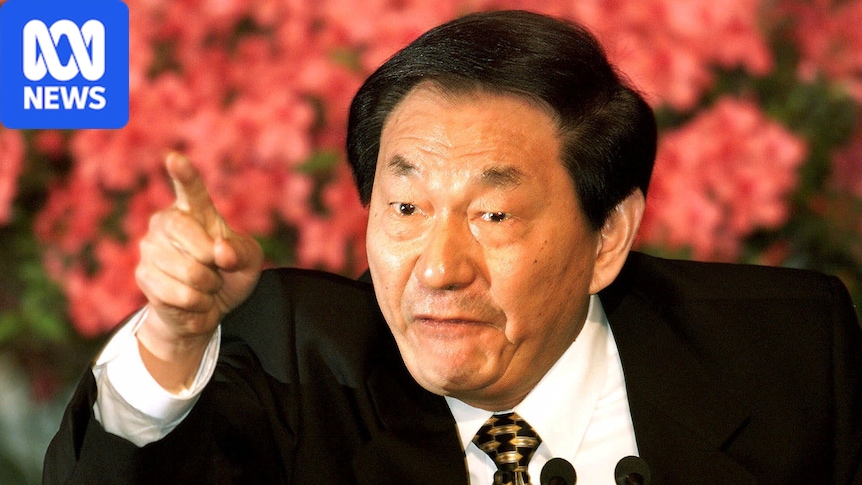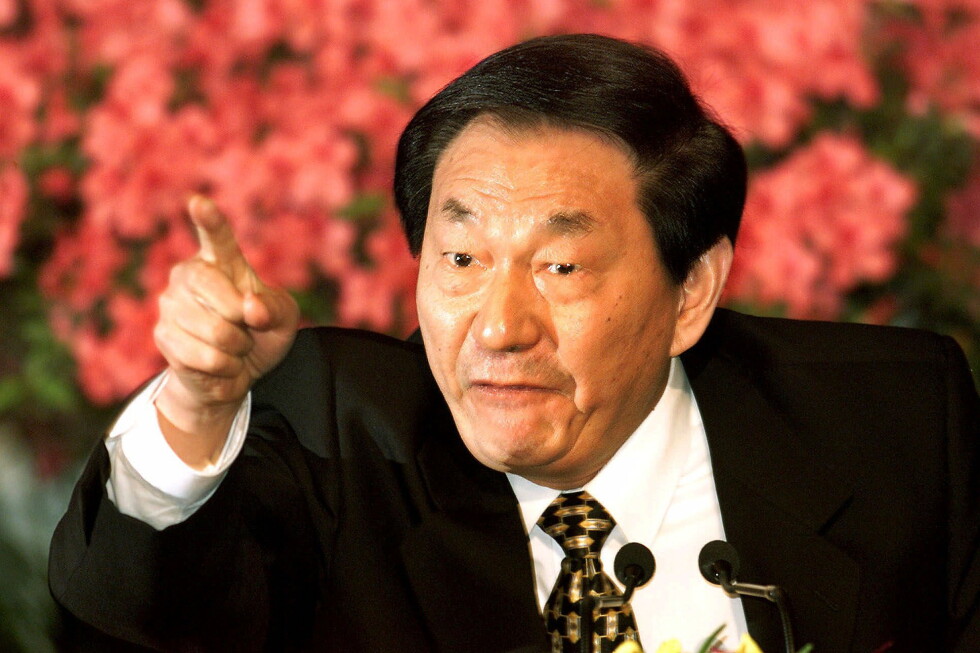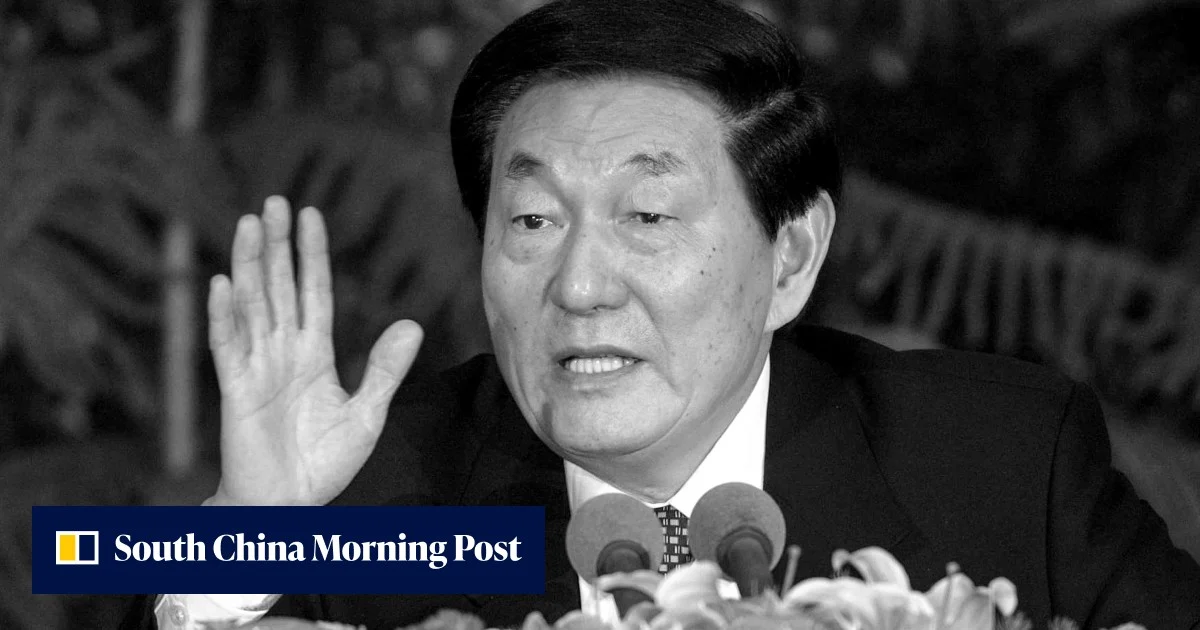
The death of former Chinese premier Zhu Rongji (朱鎔基) on Wednesday has set off a heated debate on social media over the true costs of his forceful reforms that helped transform the nation into an economic powerhouse, including the tens of millions of people those same policies left behind. While state media has remembered Zhu as a tough, technocratic leader who pushed through needed changes that paved the way for rapid growth, Chinese social media users have painted a more mixed picture. Commenters have praised his leadership but also lamented the painful effects of his decisions, especially the restructuring of state-owned enterprises (SOEs) that led to mass layoffs across China’s industrial heartlands. In the late 1990s, Zhu led a sweeping campaign to close or merge thousands of such unprofitable SOEs in nonstrategic sectors. The overhaul boosted productivity, helped clean up the banking system and positioned China to join the WTO in 2001, turbocharging two decades of export-led economic expansion.
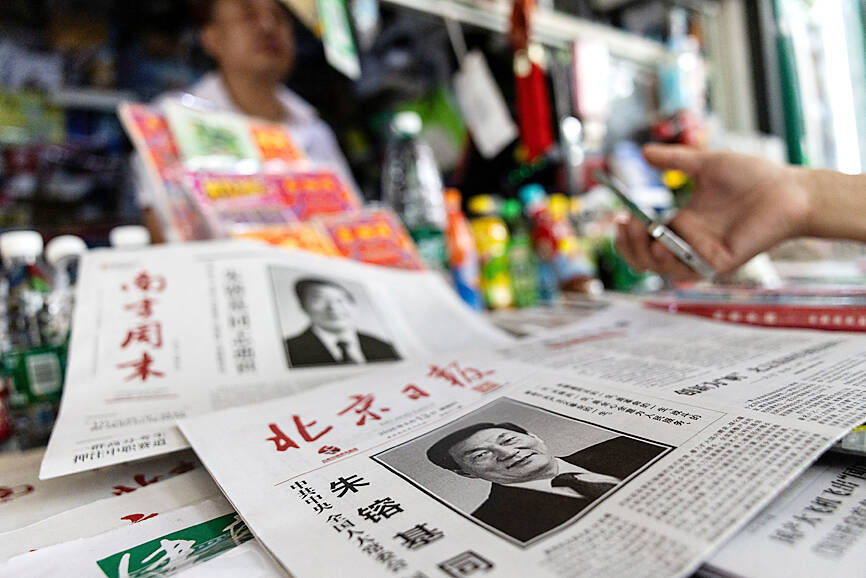
Newspapers with obituaries of former Chinese premier Zhu Rongji, who passed away on Wednesday, are displayed at a newspaper stand in Beijing yesterday.
However, the social cost was enormous: As many as 40 million workers lost their jobs, and with them the housing and welfare benefits that came with state employment. “Zhu’s policy drew criticism because he let the society’s most vulnerable groups bear the brunt of SOE reforms,” one user wrote in Chinese on social media platform Threads.