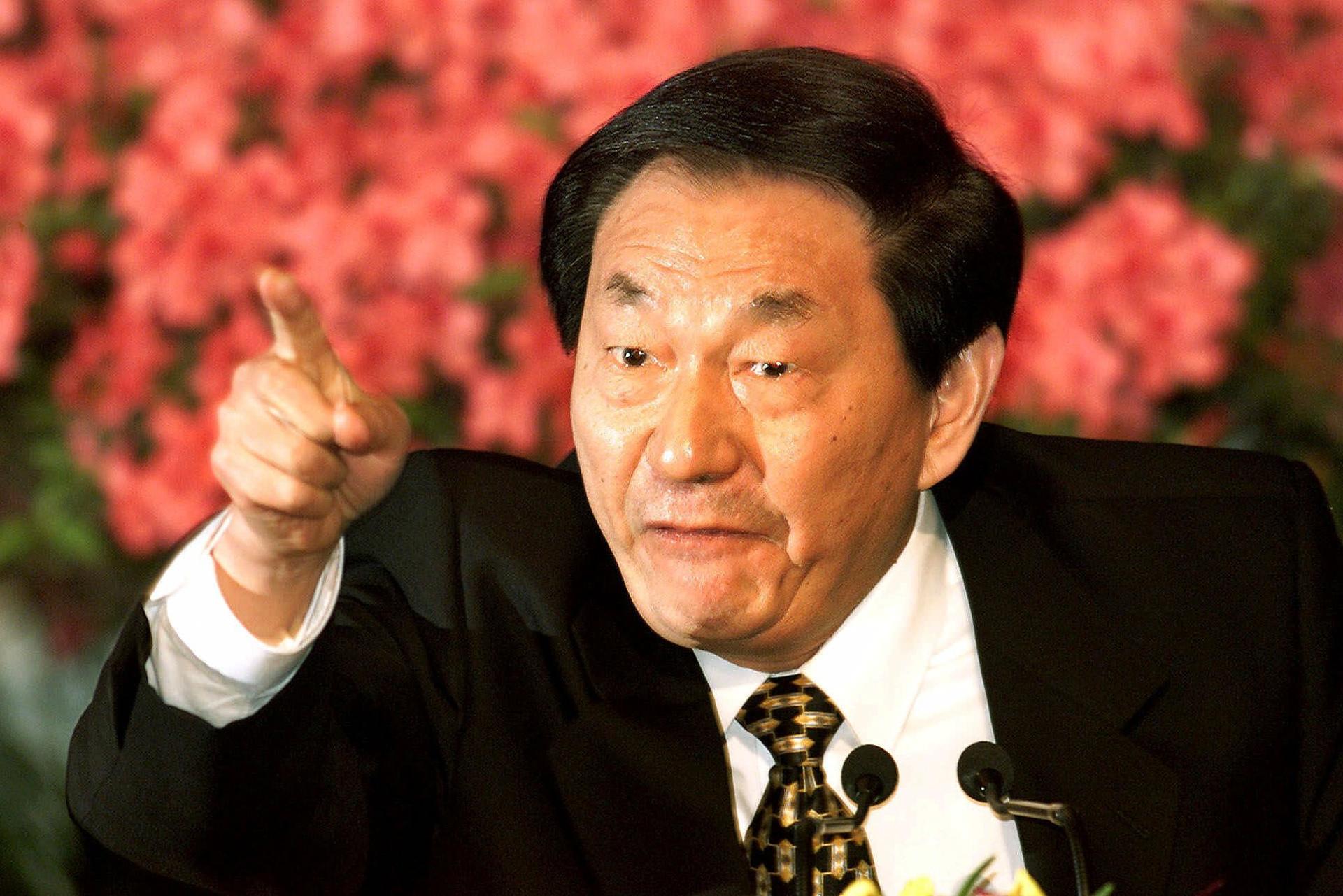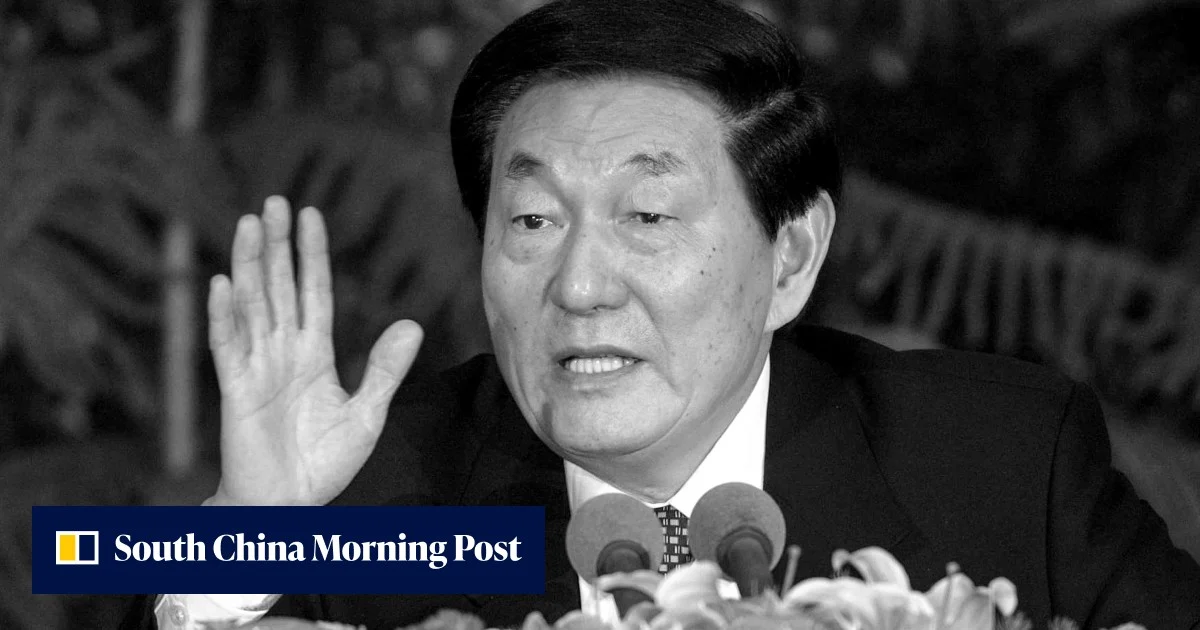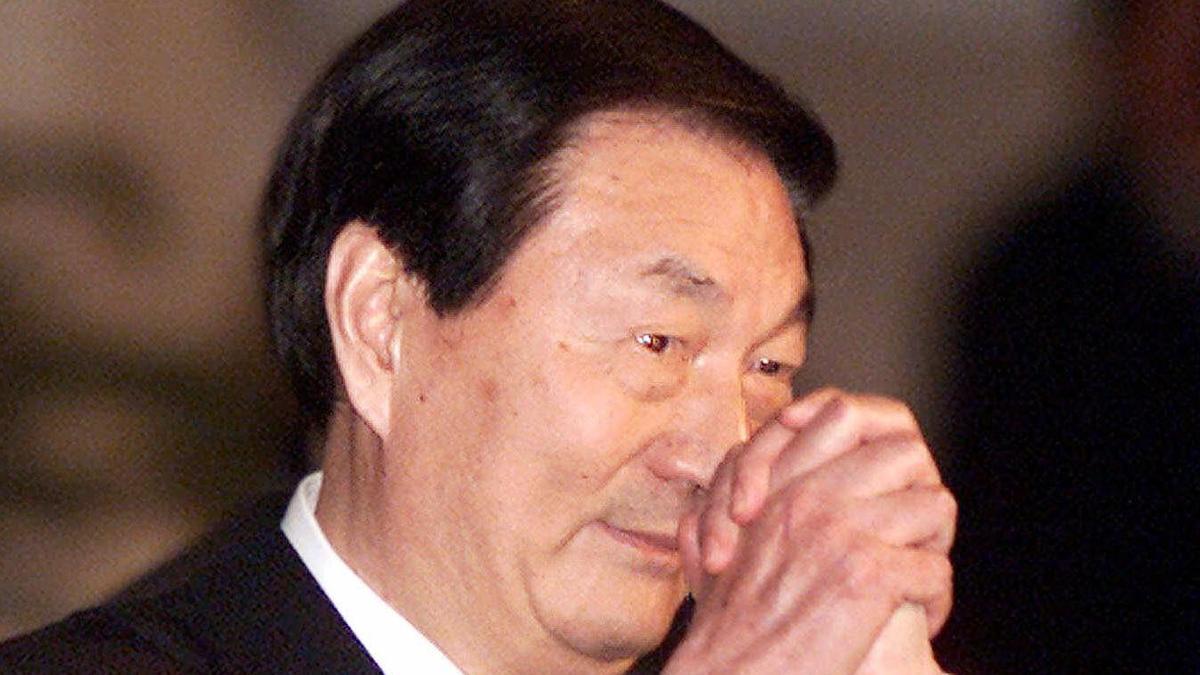
Former Chinese Premier Zhu Rongji has died, according to state media. The impatient, sharp-tongued reformer helped ignite China's explosive economic boom by forcing wrenching change on state industry in the 1990s and leading the country into the World Trade Organisation.Also read: In China’s parliament, a long list of millionairesThe official Xinhua news agency reported that Mr. Zhu died of illness in Beijing at around 11 a.m. on Wednesday (August 12, 2026). He was 97 years old.Once sent into rural exile to do manual labour for praising reforms in other communist countries, Mr. Zhu pushed through a dizzying array of changes as premier, China's top economic post, from 1998 to 2003.
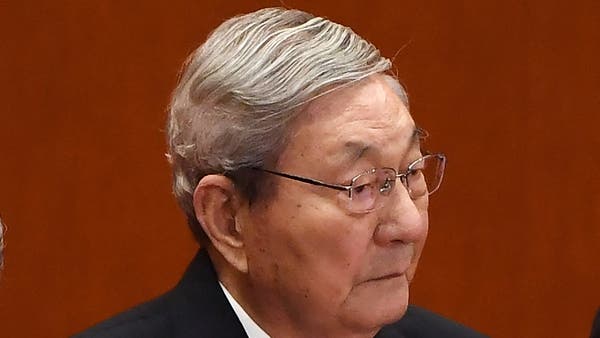
Former Chinese Premier Zhu Rongji stands during a parade commemorating the 70th anniversary of Japan's surrender during World War II held in front of Tiananmen Gate in Beijing, on September 3, 2015. File
| Photo Credit:
Mr. Zhu clashed with Communist Party conservatives and state industry bosses as he pushed state-owned companies to become efficient and profitable. That cost millions of layoffs, but helped propel China to overtake Japan as the second-largest economy behind the United States in 2010.Building on former leader Deng Xiaoping's 1979 reforms, Mr. Zhu is credited with supplying the resourcefulness and tenacity to push through history-making changes such as China's WTO membership, which helped to transform China into the world's biggest exporter.Those changes helped to keep economic growth above 8% a year from 2000-2010, peaking at 14.2% in 2007.Named premier in 1998 at age 69, Mr. Zhu became a popular figure by criticising official bungling and graft and accepting blame when the government fell short. His demanding style earned him the nicknames Boss and Zhu Fengzi, or Madman Zhu.“I have prepared 100 coffins here — 99 for corrupt officials and one for myself,” Mr. Zhu said in 1998, according to the party newspaper People's Daily.Mr. Zhu ranked No. 3 in the party hierarchy behind President Jiang Zemin and Li Peng, chairman of the ceremonial legislature, the National People's Congress. But he was a technician without his own power base. Mr. Zhu complained that allowed officials to ignore his orders.