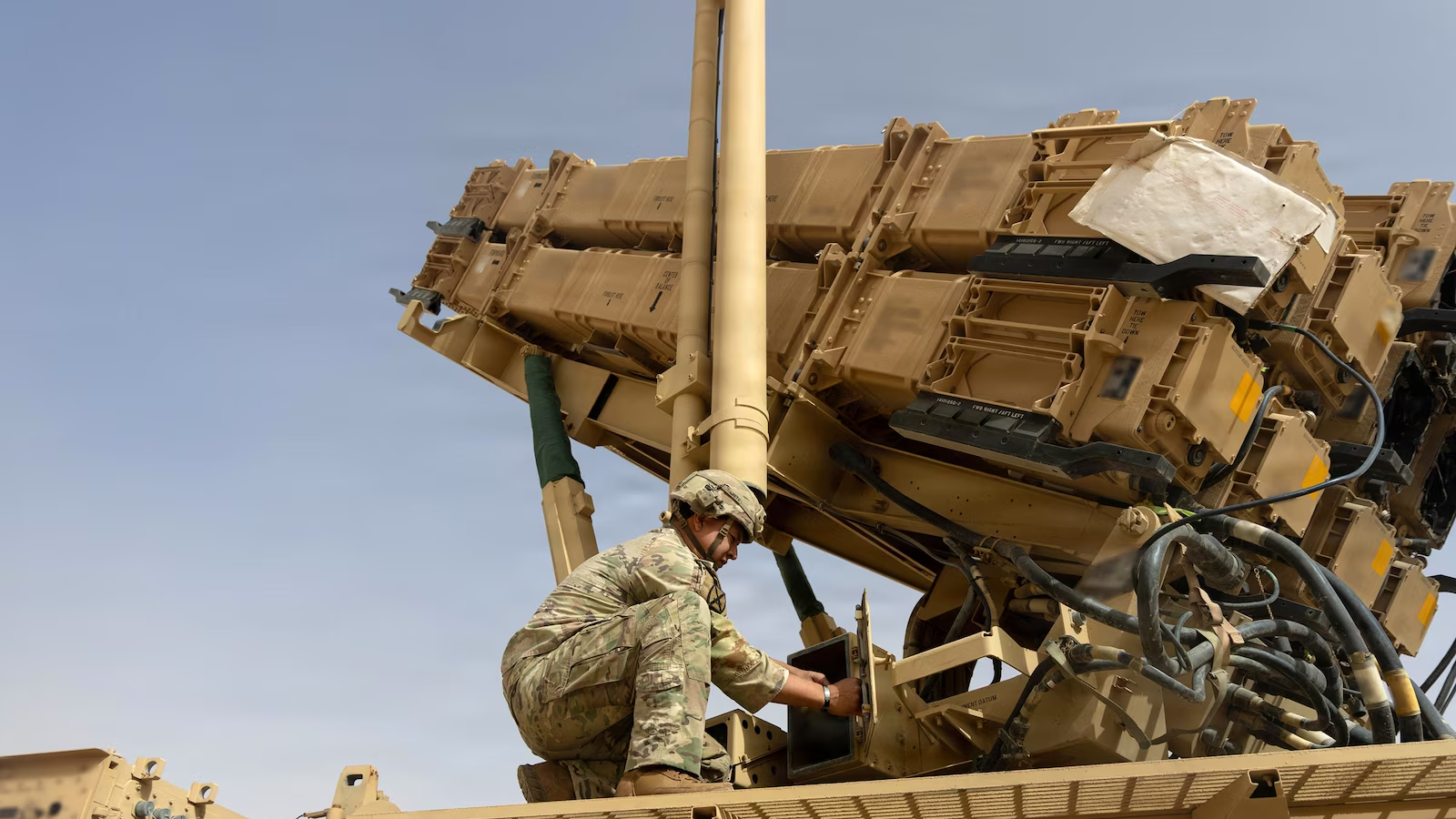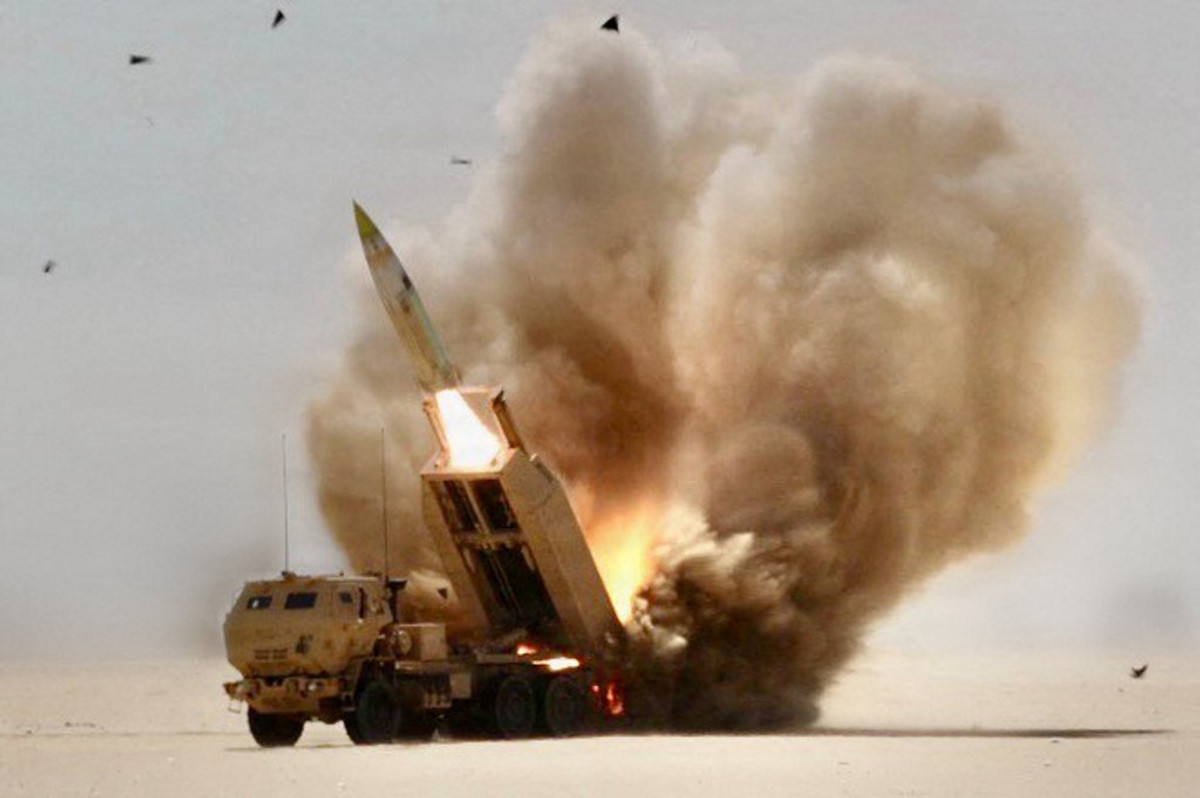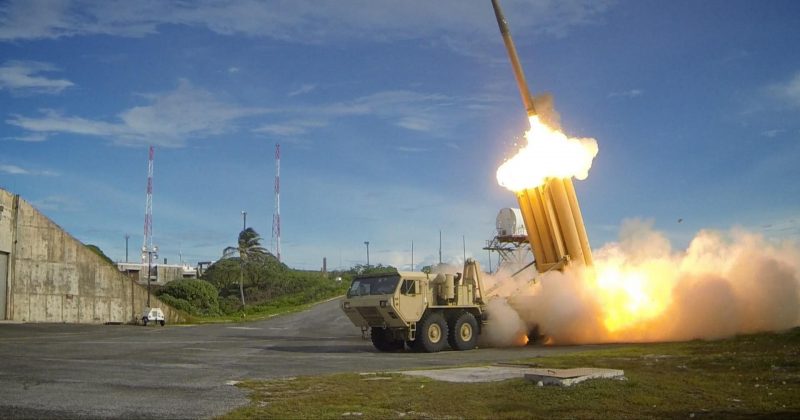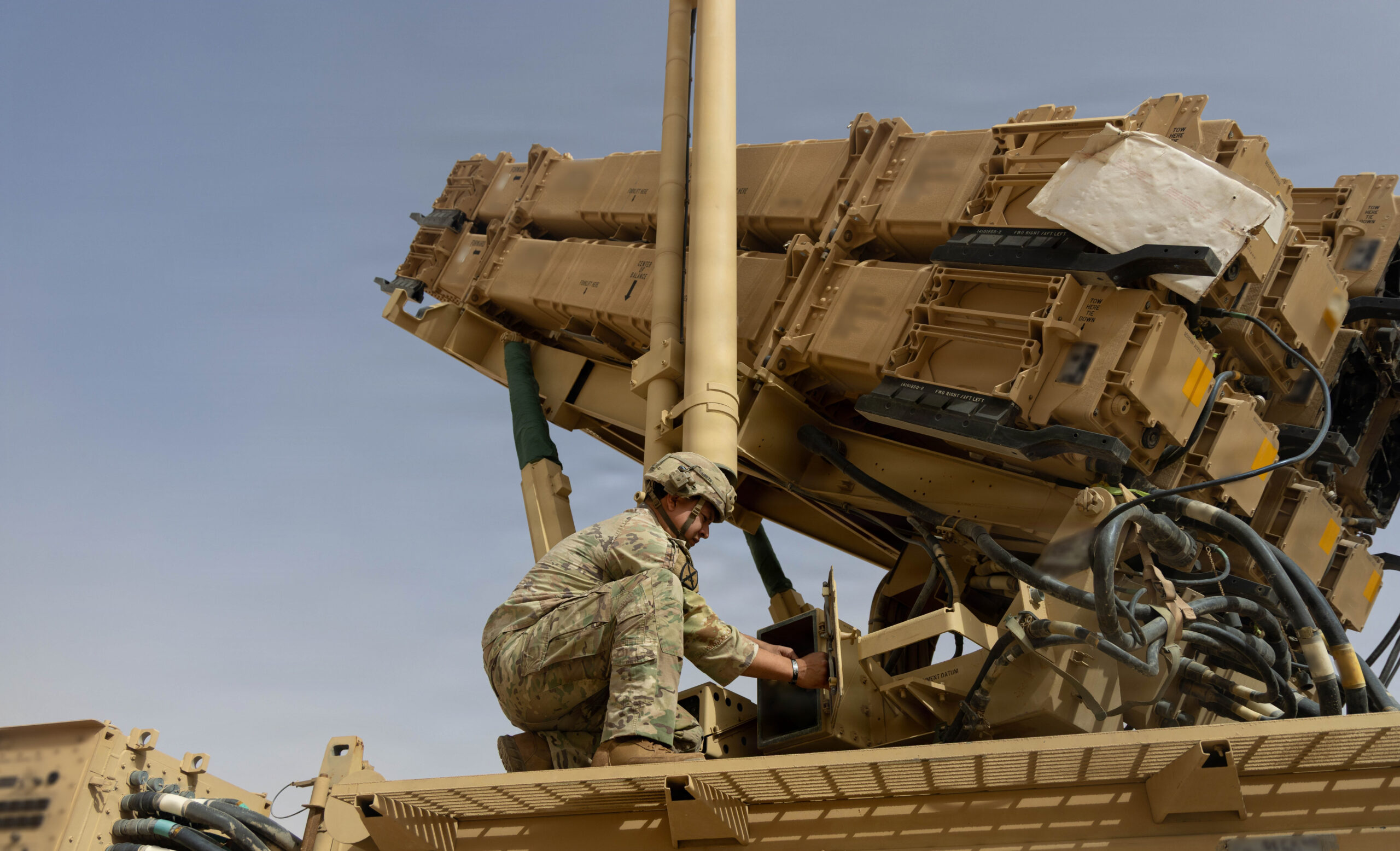
WASHINGTON—Since February, the Iran war has reportedly depleted up to three-fifths of US Patriot interceptor stocks and as much as half of Terminal High Altitude Area Defense (THAAD) antiballistic missile stocks. Experts estimate that fully replenishing these stocks could take years.
The shrinking supply of air-defense missiles has reportedly become a factor in White House discussions about how quickly, and on what terms, the Trump administration should strike a deal with Tehran. At the same time, US officials have framed reports of depleted munitions from the Iran War as “misinformed.”
The US munitions situation affects far more than the conflict with Iran. Allies, partners, and adversaries around the world are watching for answers to several important questions: Will existing munitions be redeployed elsewhere? How is Washington preparing for the possibility of other crises occurring before inventories fully recover? Will the current munitions shortage shape longer-term perceptions about US deterrence and combat credibility?
The answers vary by region, and they would be exacerbated by additional, simultaneous conflicts. It’s therefore worth looking at where the munitions shortage is already altering calculations—and where its most consequential effects may still lie ahead.