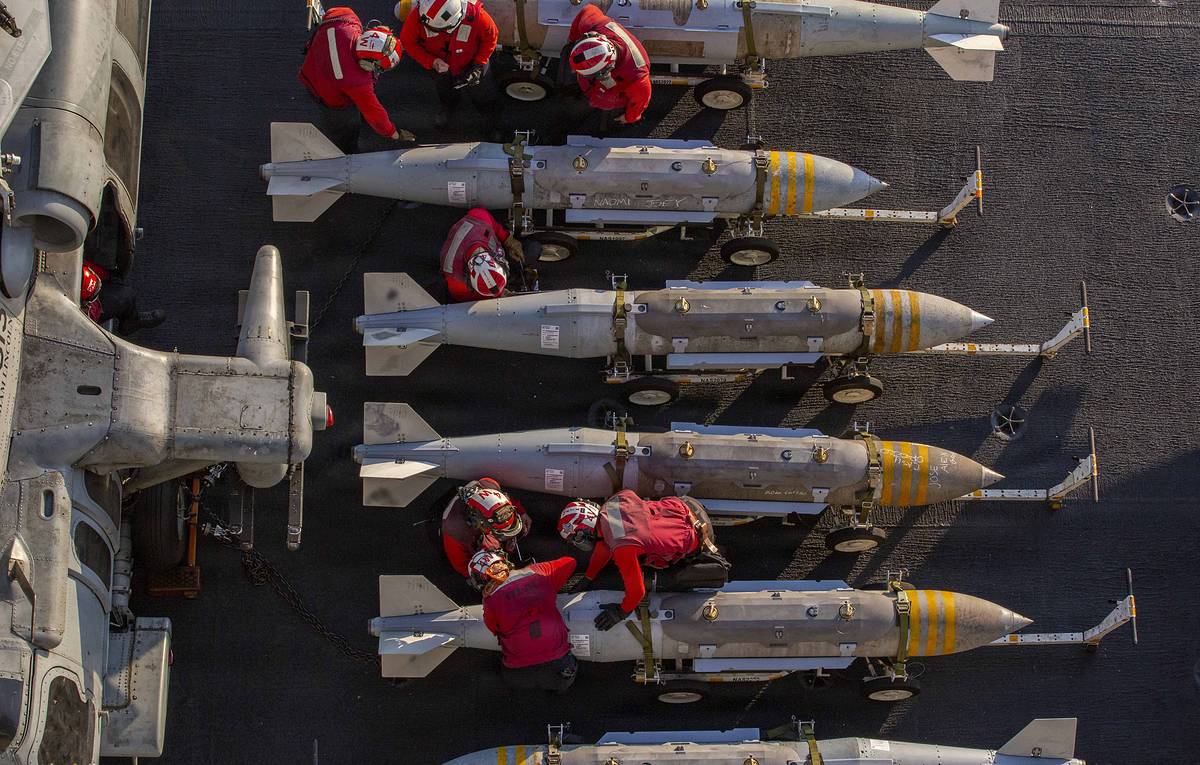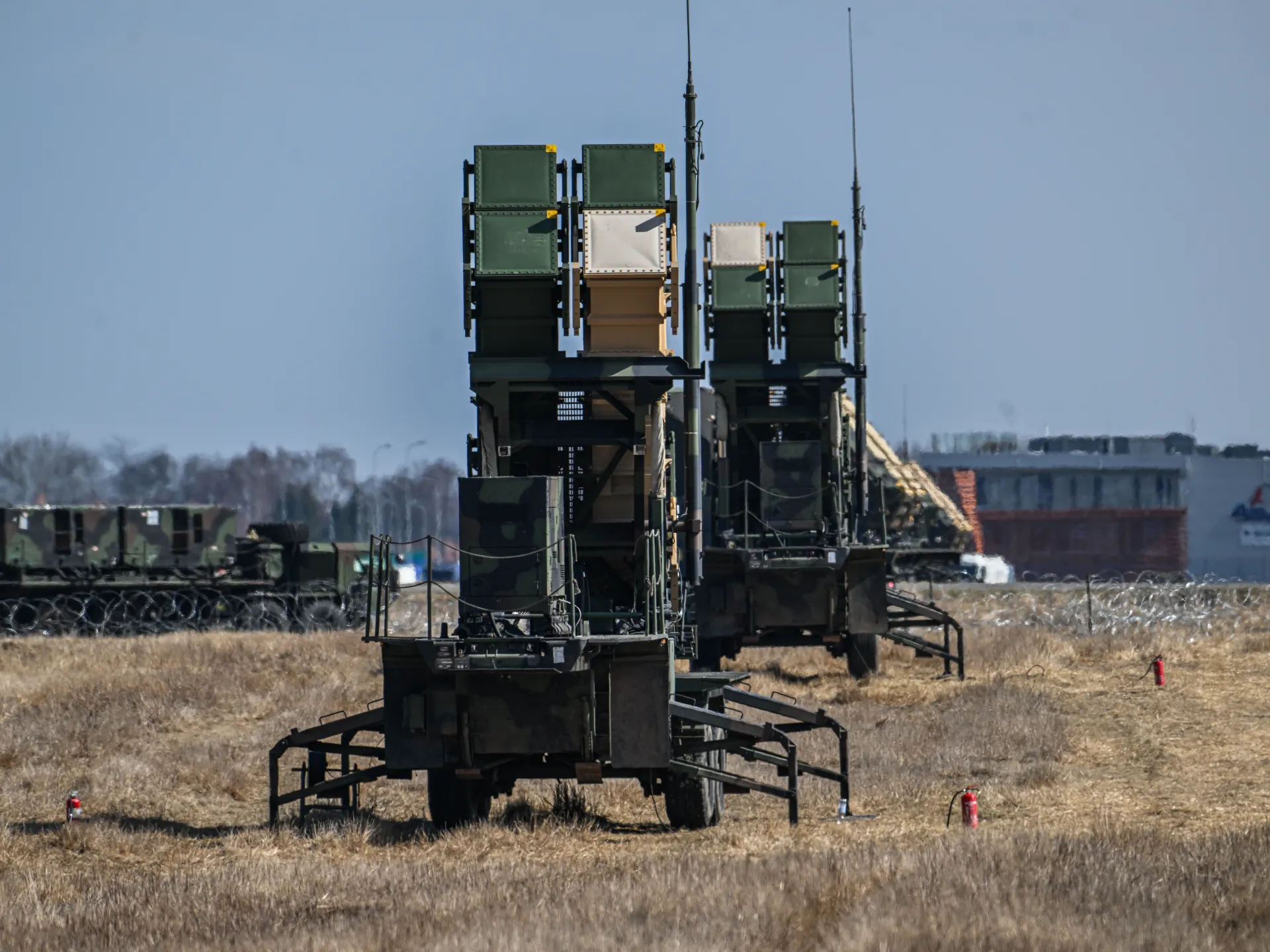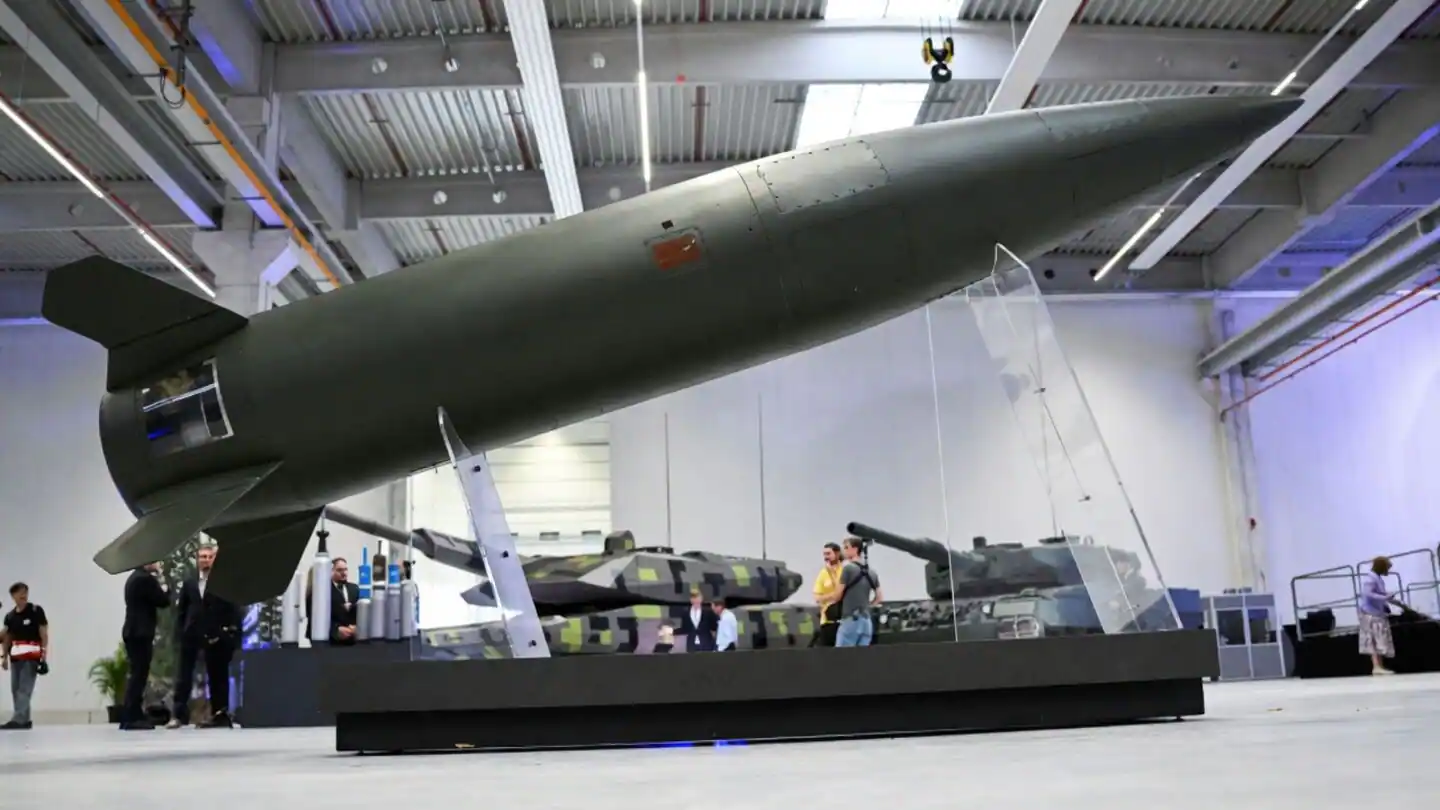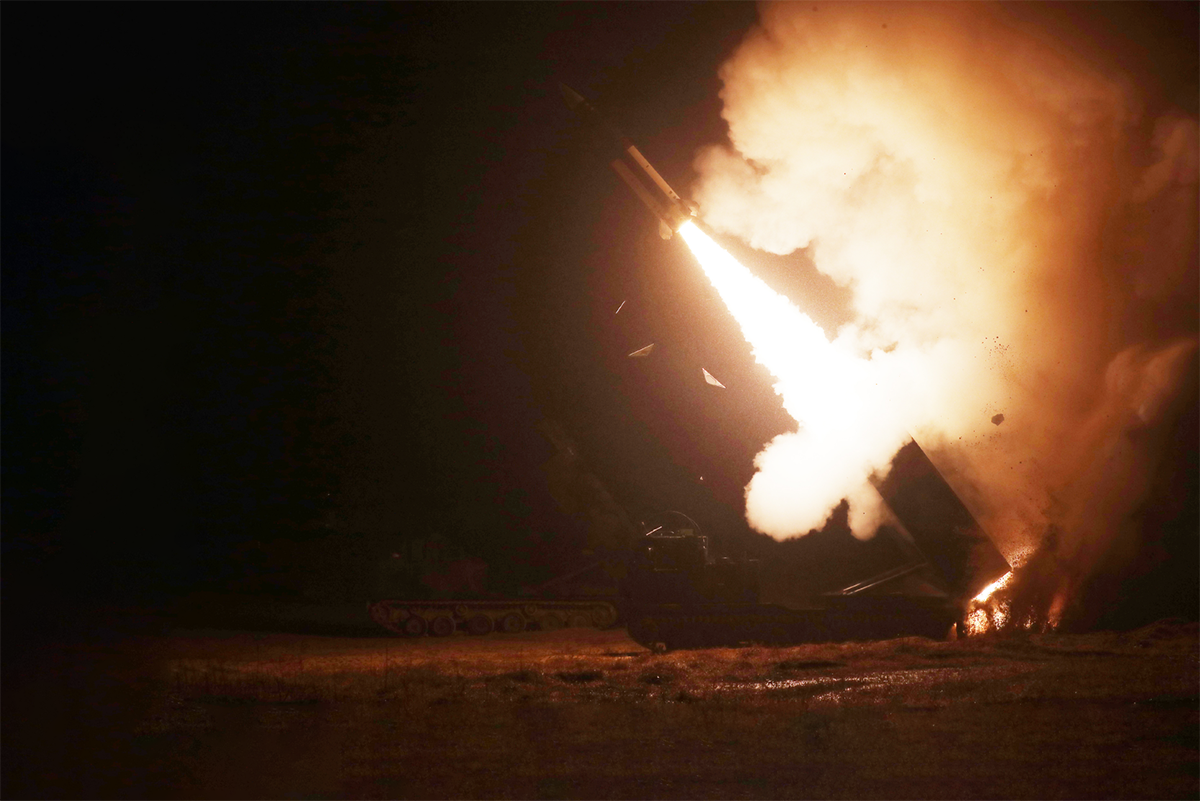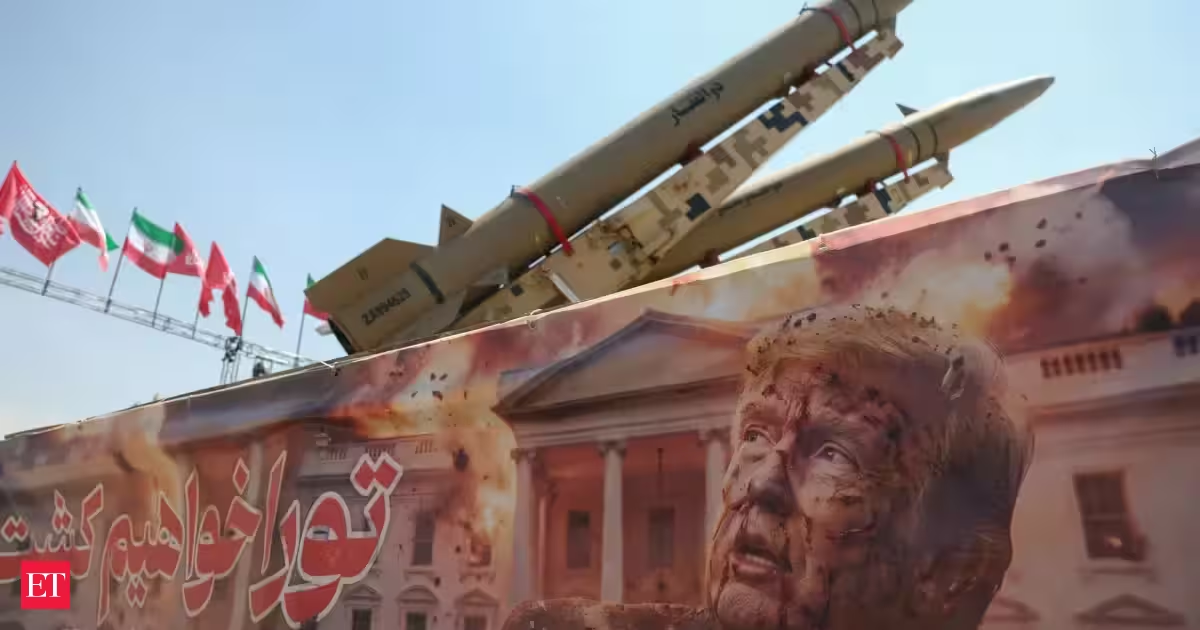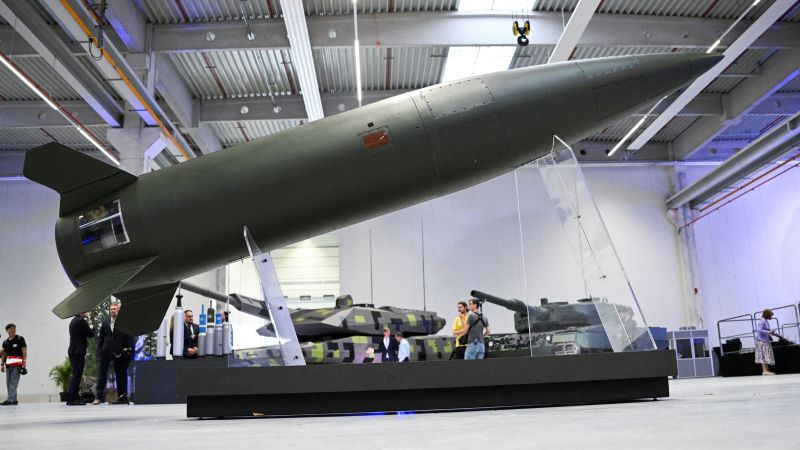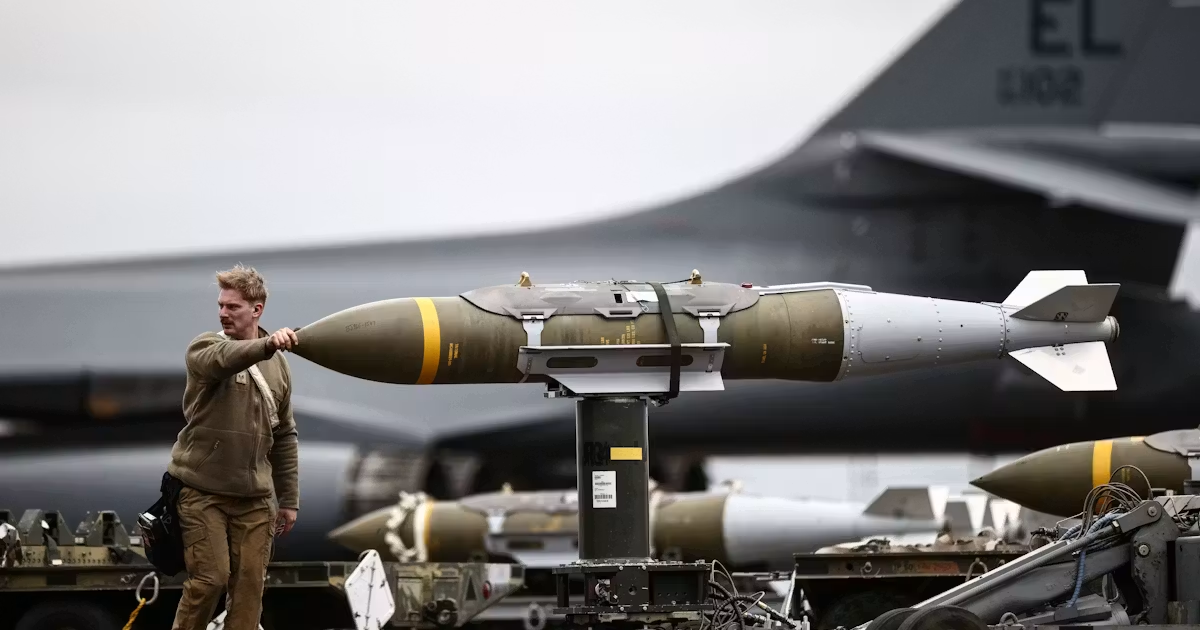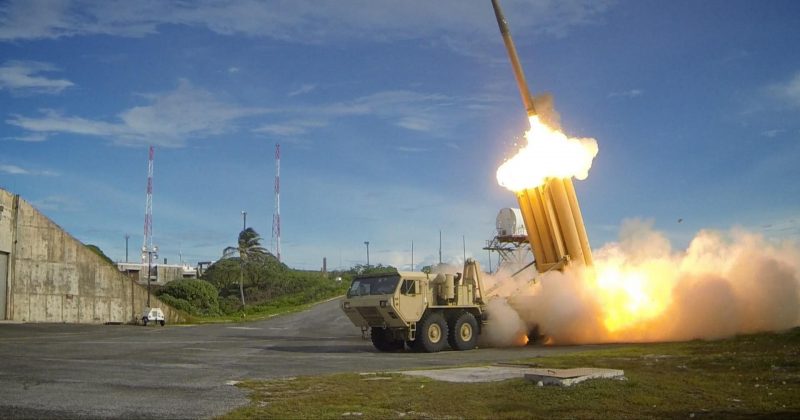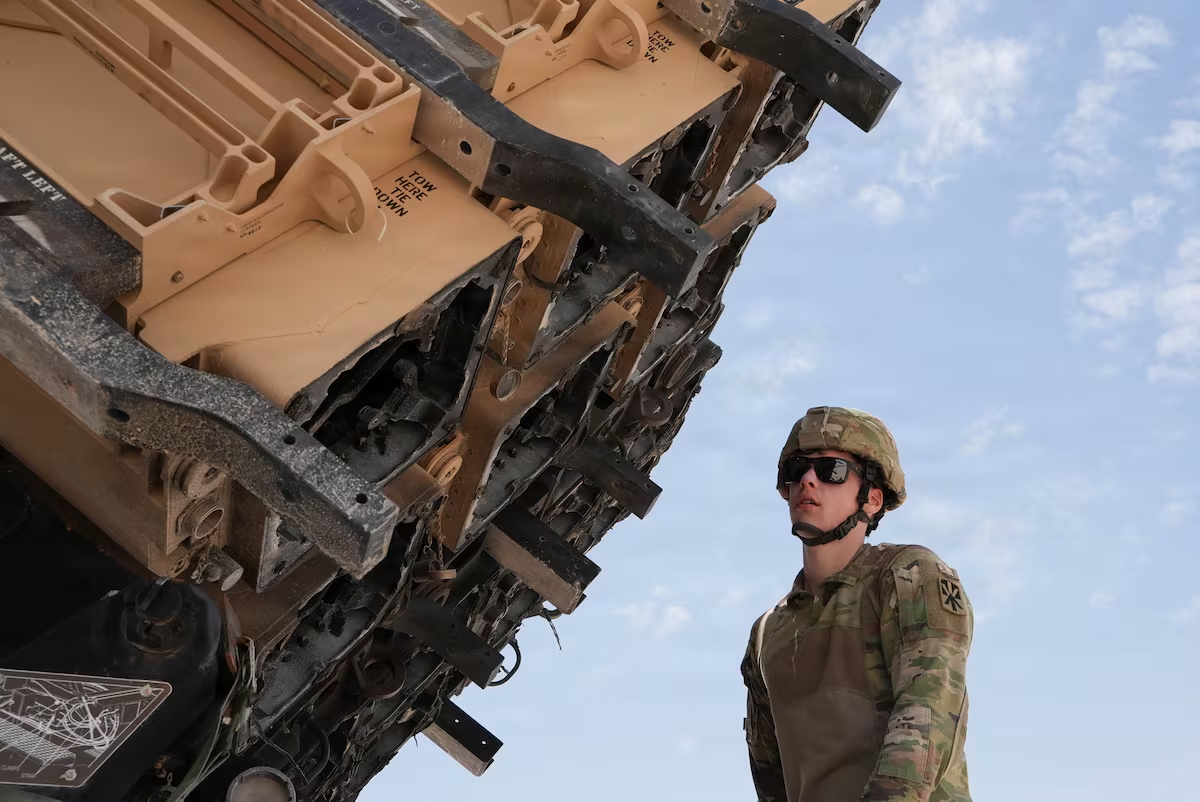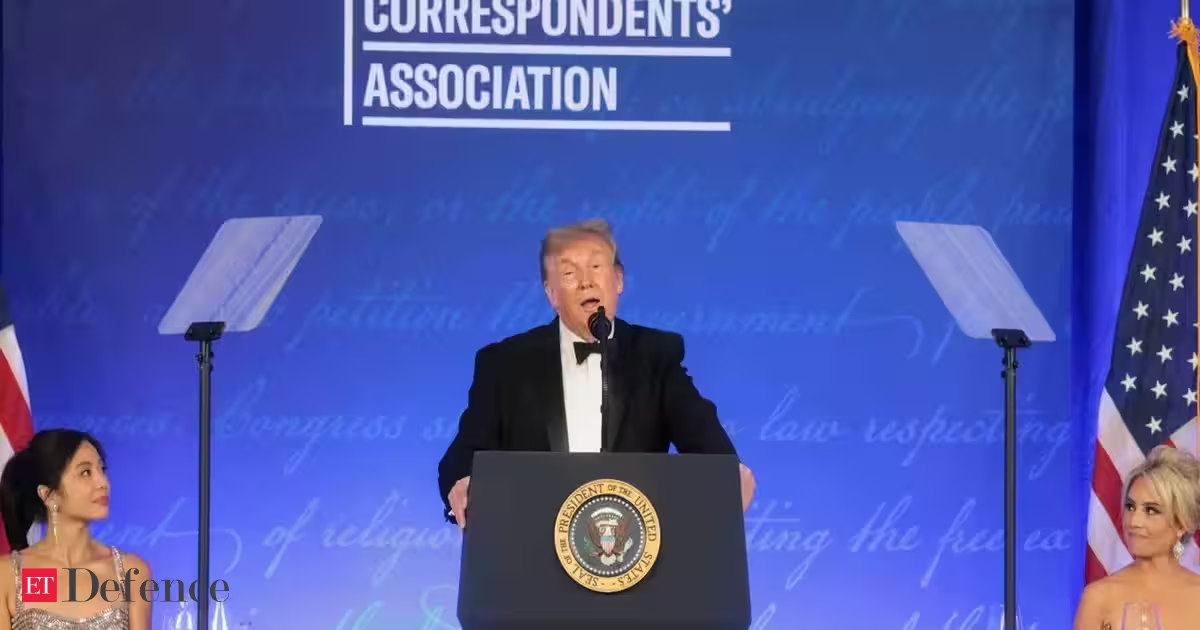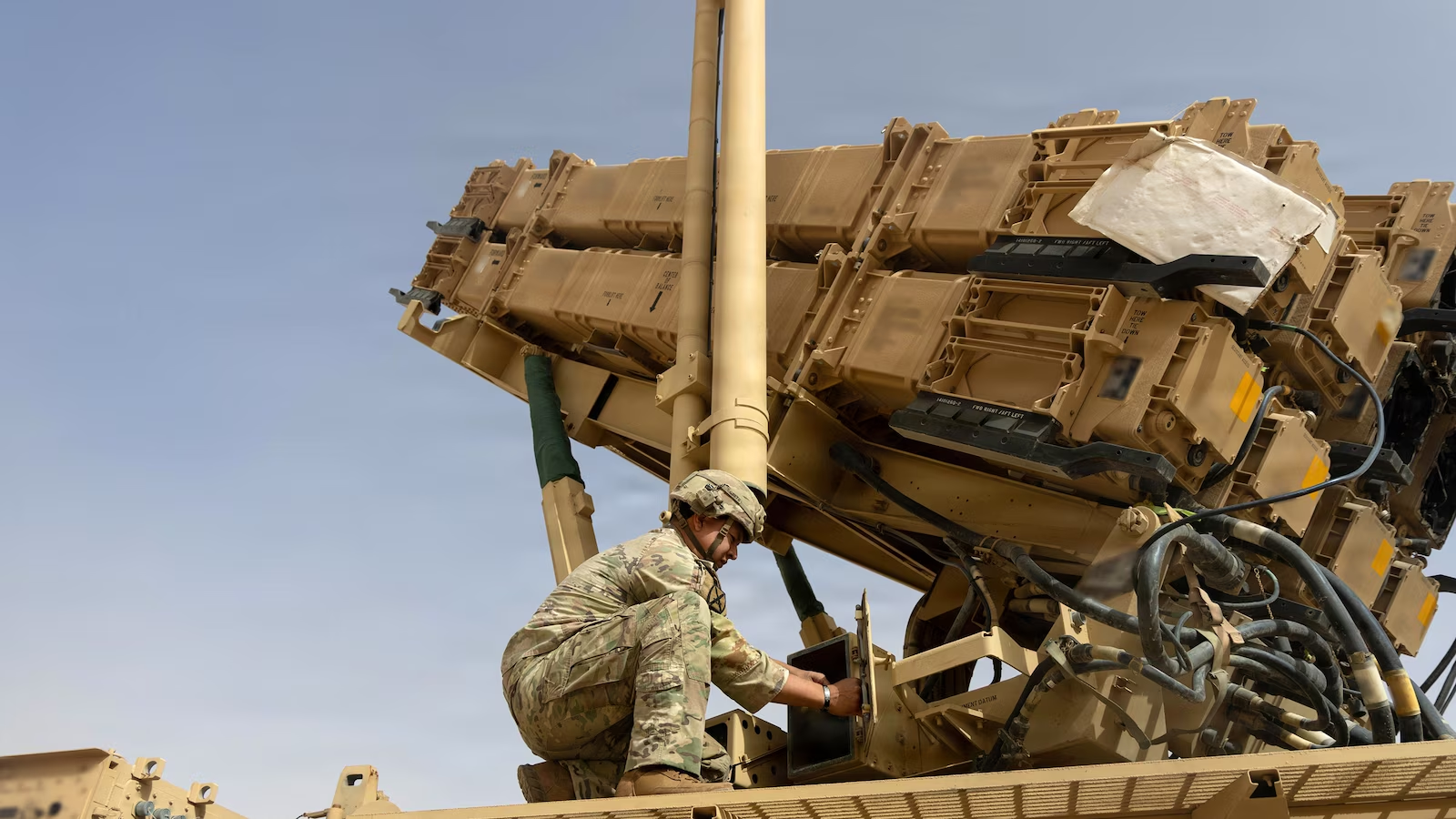
The U.S. war in Iran has depleted stocks of key air defense weapons, including ballistic missile interceptors -- a potential constraint for President Donald Trump as he weighs the prospect of renewing the conflict.A Center for Strategic and International Study analysis of air defense systems found that Patriot stockpiles have been depleted by two-thirds and the THAAD missile inventory, which it estimated was 452 before the start of the war, has been reduced by half.A U.S. official, who would not discuss numerical estimates, told ABC News that both stockpiles "are extremely low."A U.S. Army air defense artilleryman conducts maintenance on an MIM-104 Patriot missile system in the Middle East, on June 1, 2026.U.S. Army CentralAdditionally, the official said that of particular concern was the low inventories of long-range offensive missiles like the ATACM and PRSM. The was has been fought mostly from safe distances or through air attacks.Trump on Thursday acknowledged that "we need more all the time" but "we have certain types of munitions that are very powerful [of which] we have unlimited, virtually unlimited supply.""We have others where it's a little bit tighter, and we're getting them in on a daily basis," the president said.It was unclear which munitions Trump was referring to.Each missile costs about $4 million and can take as long as two years to make.President Donald Trump delivers remarks during an event, August 5, 2026 in Las Vegas, Nevada.Evelyn Hockstein/ReutersPlanning for a new phase of conflictRetired senior military officers told ABC News the reduced numbers will be a factor in Pentagon planning and Trump's decision-making for a potential new phase in the conflict. Trump has threatened attacks on Iran that he has claimed would mirror the intensity of World War II if he is not satisfied with a diplomatic settlement with Iran.The administration has downplayed concerns about munitions as it insists the U.S. can continue its fight in the Middle East and help defend a number of Gulf allies and partners which have come under Iranian fire and have their own air defense systems.Munitions "are certainly going to be in the calculus of decision-makers," said retired Vice Adm. Kevin Donegan, who was the commander of the Navy's Fifth Fleet, which is based in the region."It always is in a conflict. It's not new to be in there," Donegan said, adding there would be lessons to be learned about U.S. stockpiles but that the military had adapted well in what is known as layered air defense.Retired Marine Corps Col. Mark Cancian, who authored the CSIS report, said the munitions concern was likely "an element of the decision to pause the air campaign," though not the only one."And this is going to be an element for the next five years," Cancian said, noting the years-long process from congressional appropriation for arms to their being contracted and produced."Whenever we think about using force, one piece of the decision will be the effect on inventories" from the war in Iran, he said.'The China problem'Cancian and Donegan said the U.S. has the capability to escalate to full-scale war again if the president chooses to.Popular ReadsBut shortfalls raise a "China problem," Cancian said, if the U.S. were to go to war with Beijing."I'm sure that's what [Gen. Dan] Caine is saying ... in these Cabinet meetings ... [is that] we are, you know, at a danger level for a conflict with China," Cancian said about the chairman of the joint chiefs of staff, Trump's top uniformed military adviser.It's not clear whether Beijing would be more likely to act offensively in the Pacific while the U.S. rebuilds its stockpile and there is little agreement among experts on whether the two superpowers are on a collision course.China is likely closely watching the use of U.S. munitions and their performance in the current conflict with Iran, both analysts said.How it got to this pointExperts told ABC News the U.S. defense industrial base -- its stock of weapons and its pipeline for building more at scale -- suffered from a peacetime posture that merits reevaluation."I think the biggest lesson learned in this is just reinforcing what we knew before," Donegan said. "You can't let your industrial base move or fall back to a place where it can only support you in peacetime."Scaling up the U.S. stockpile beyond its modern size is economically challenging and munitions have a shelf life after which they're less reliable.Recent military doctrine held that the U.S. should be ready to fight two regional conflicts "that would be over very quickly," Cancian said."I think the Iranians have out-endured our expectations," he said, noting the limits of air power in the face of an adversary that chooses not to "give in."Chairman of the Joint Chiefs of Staff General Dan Caine testifies during a Senate Appropriations Committee hearing on President Donald Trump's supplemental funding request for the Department of Defense, in Washington, July 21, 2026.Eric Lee/ReutersCaine in recent Capitol Hill testimony noted the historical "limits" of air power."The second thing is that munitions have never competed very well in the Pentagon's budget process," Cancian said, noting the military services have preferred to procure platforms that will last decades and are visible signs of power instead of munitions that "sit there unless they're used."Part of the significant drawdowns of the U.S. military's most valuable air defense munitions relates to a risk-averse strategy employed by U.S. Central Command in the conflict, said Tom Karako, a senior fellow at CSIS."[If] you're only willing to expend your high-end standoff weapons, that contributes to getting us in this pickle," he said, referring to weapons fired from great distances without exposing American pilots to air defense systems.With air superiority over Iran, U.S. pilots would be able to attack Iran by getting closer to its targets, instead of using long-range offensive weapons like Tomahwaks, the analysts said.That would induce "more risk," Cancian said, but is a plausible option if the conflict reignited.Throughout the five weeks of full-scale war, Cancian said the U.S. began deploying its Patriots and Tomahawks with less frequency. Military planners might have to make similar choices about whether to fire at targets they think they might miss, he said.Those tradeoffs have "been going on from the beginning," Donegan said, including in the U.S.'s choices to protect Gulf partners.“I'd argue that if you were to go ask any of the gulf countries – they will say they could not be happier with support the United States has given them in that regard,” he said.
Crucial US missile stockpiles 'extremely low', official says
The U.S. war in Iran has depleted stocks of key air defense weapons, including ballistic missile interceptors.
1,075 words~5 min read