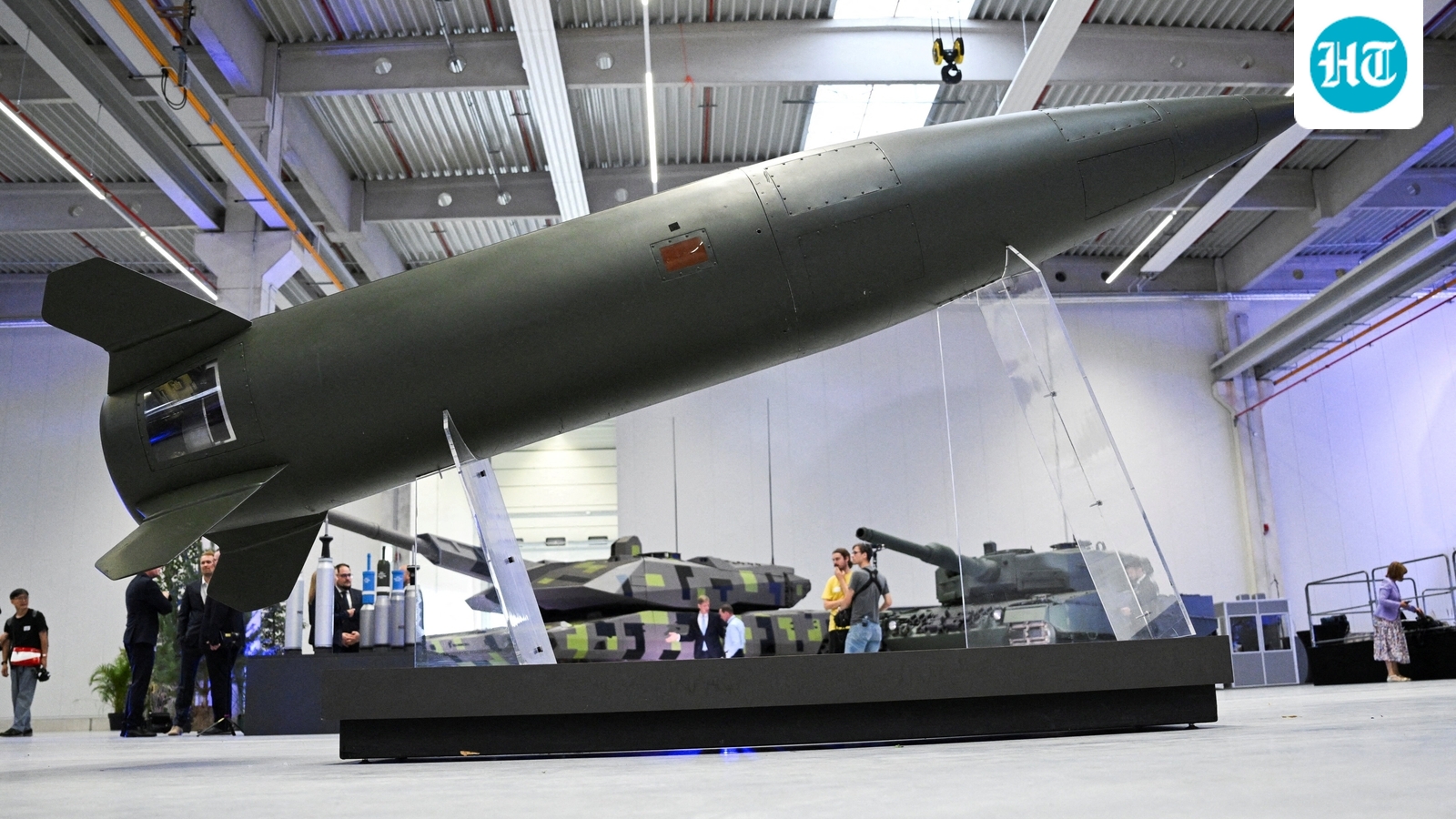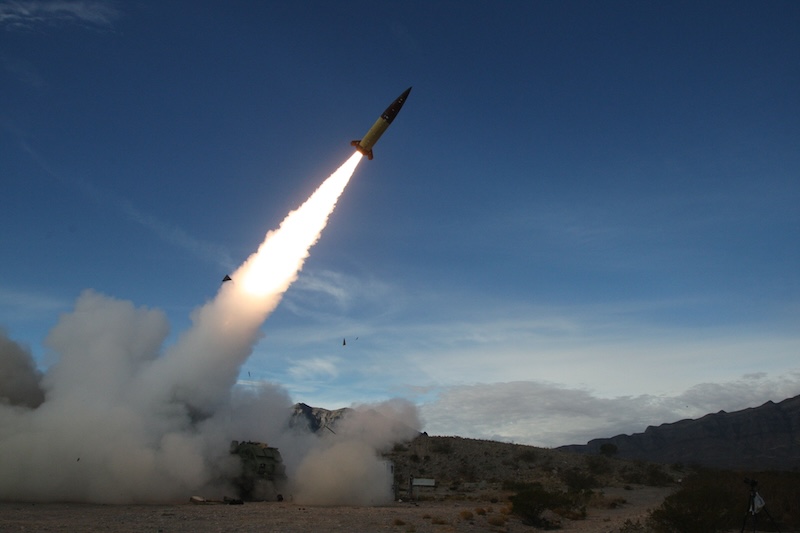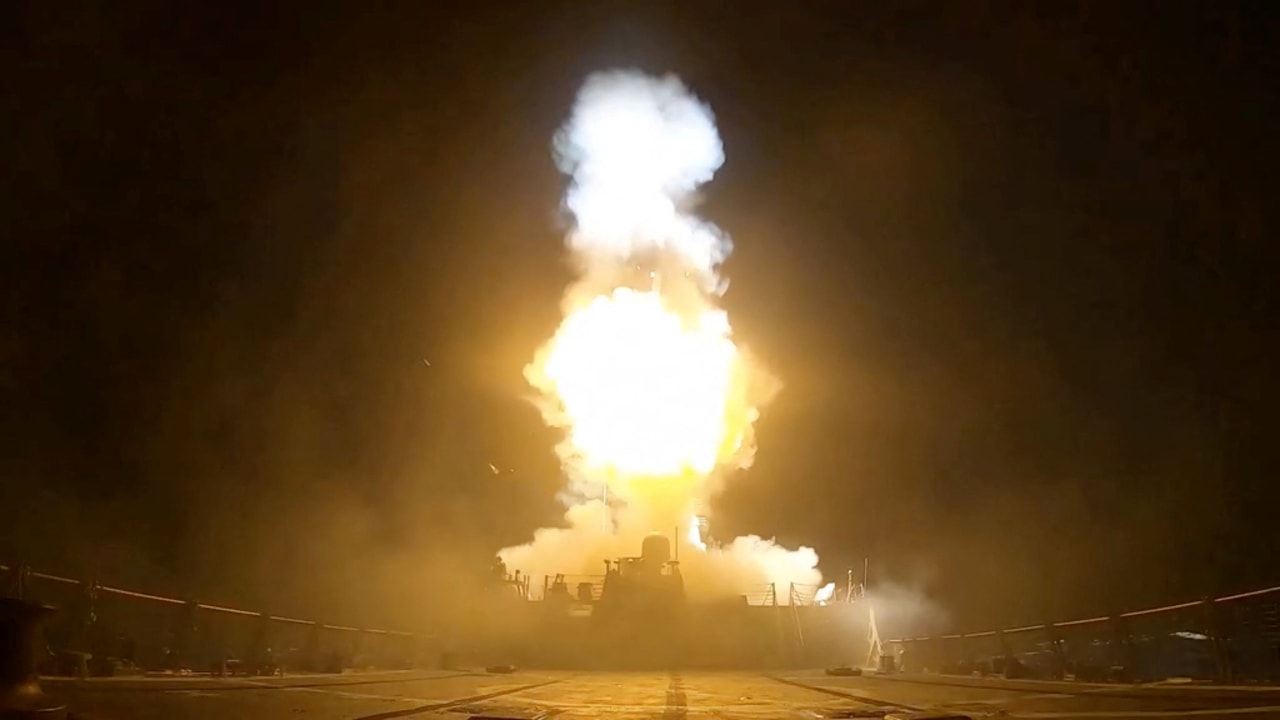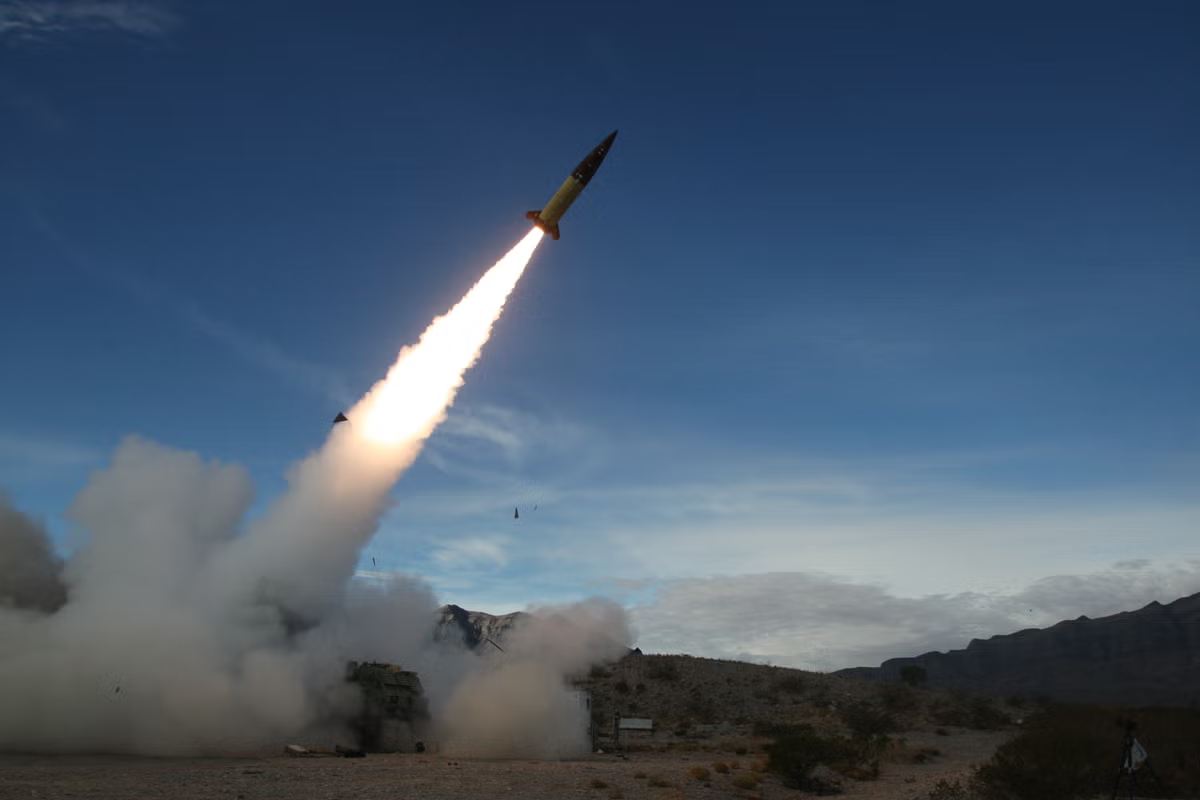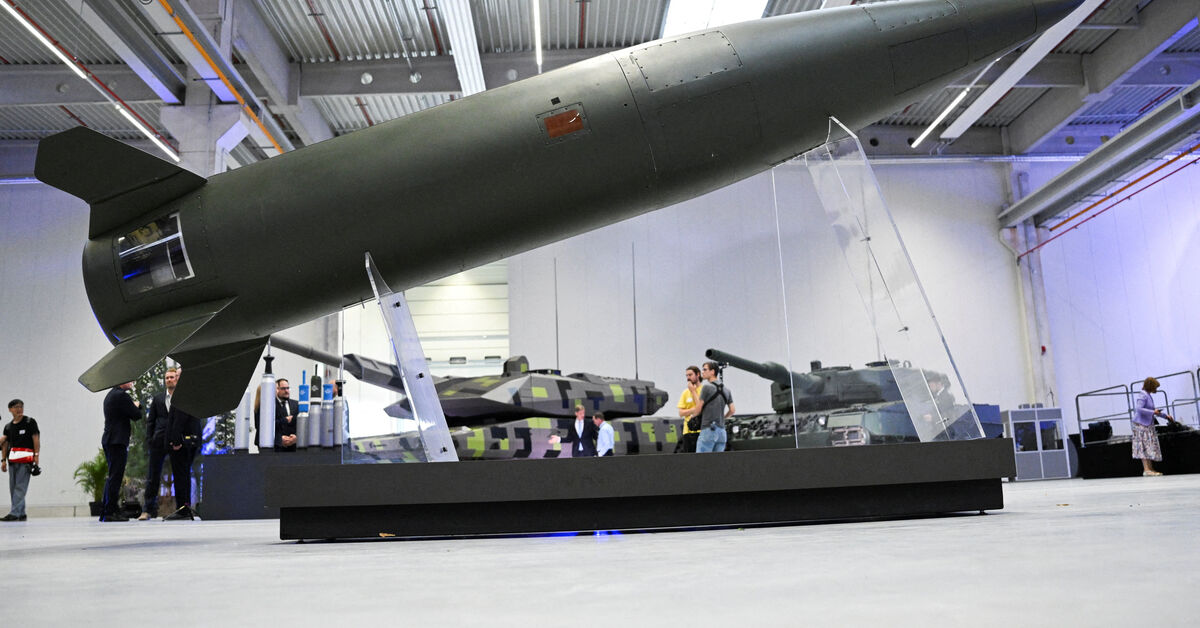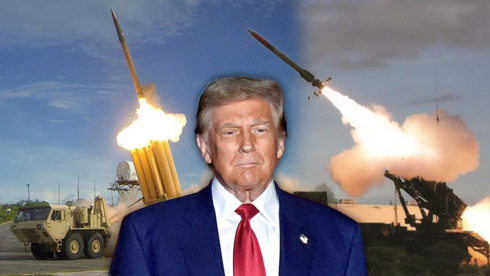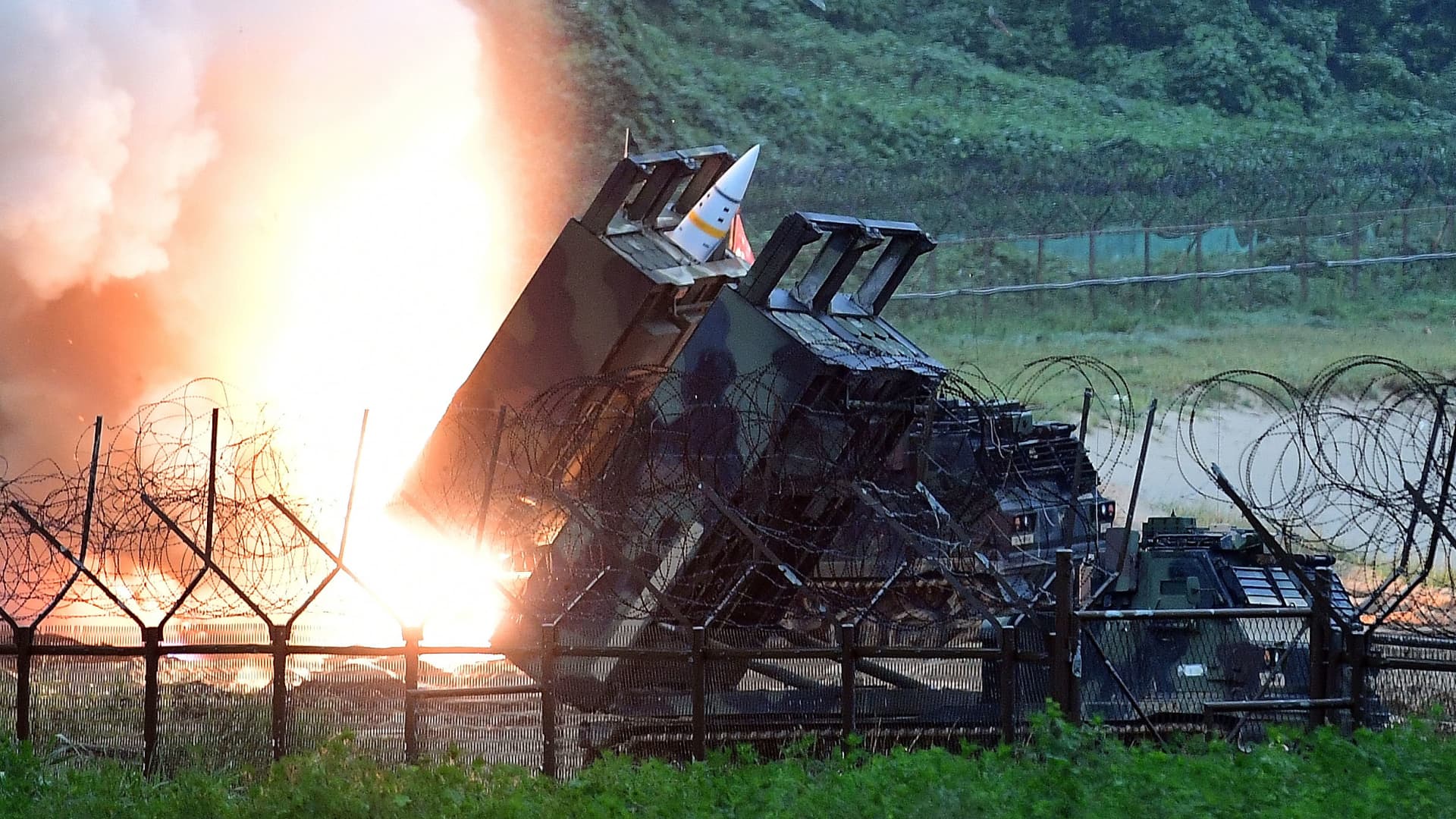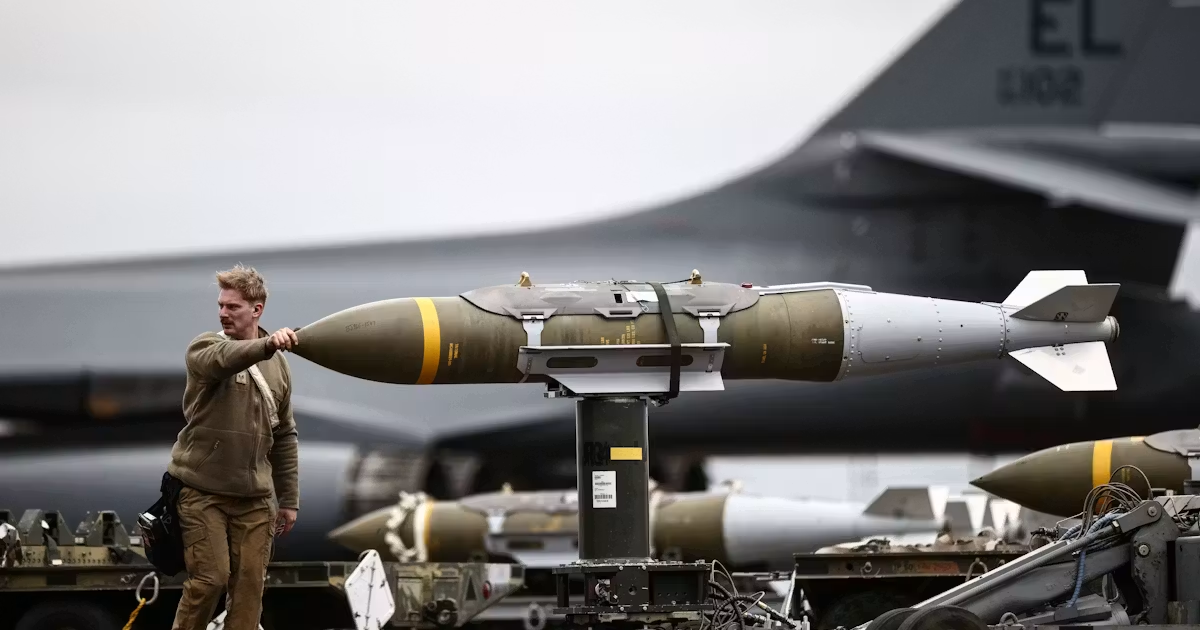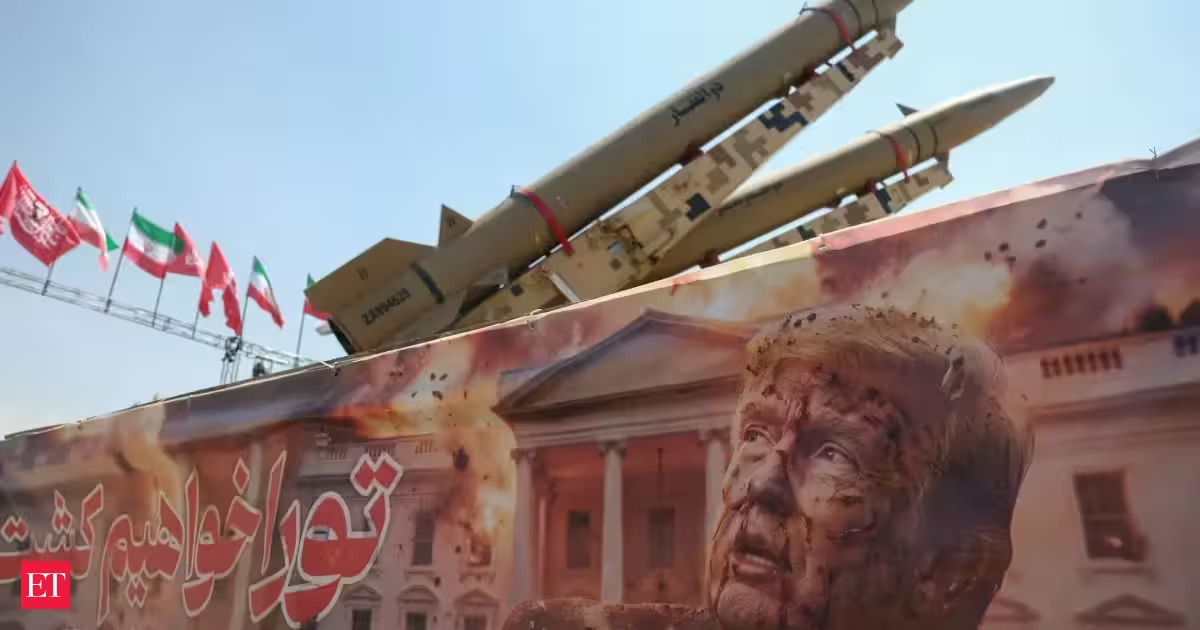
The United States has depleted most of its inventory of key long-range precision missiles during its months-long military campaign against Iran, according to a Reuters report citing officials familiar with internal defense assessments. The development has sparked concerns among defense analysts and some U.S. officials over America's preparedness for another major conflict if one were to erupt elsewhere.The reported drawdown affects some of the U.S. military's most advanced long-range strike weapons, including the Army Tactical Missile System (ATACMS) and the newer Precision Strike Missile (PrSM), both designed to hit high-value targets from hundreds of kilometers away.While the Trump administration maintains that the United States retains ample military capability and that production is accelerating, reports suggest that the pace of weapons consumption has significantly outstripped current manufacturing capacity for several critical munitions.US has reportedly exhausted most of its ATACMS and PrSM inventoryAccording to a Reuters report citing three people familiar with internal data, the U.S. Army has used "virtually all" of its available ATACMS and Precision Strike Missiles during the five-month conflict with Iran. CBS News separately reported that two sources with direct knowledge of the matter confirmed the same assessment.Neither outlet disclosed the exact number of missiles remaining, and the Pentagon has not publicly released current stockpile figures.ATACMS has been one of the U.S. Army's principal long-range surface-to-surface weapons for decades. The newer Precision Strike Missile, or PrSM, is gradually replacing ATACMS and offers greater range, improved accuracy and enhanced survivability against sophisticated air defenses.Defense experts note that PrSM production is still ramping up, meaning inventories were relatively limited even before the Iran conflict began.Why these missiles matterLong-range precision missiles allow the U.S. military to strike command centers, missile launchers, air defense systems and logistics hubs without exposing pilots to heavily defended airspace.They are considered essential in any potential conflict where advanced integrated air defense systems would make conventional bombing missions significantly riskier. Military planners have increasingly relied on stand-off weapons because they reduce operational risk while maintaining precision against strategic targets.According to Reuters, one source said the heavy use of these missiles reflected a deliberate effort by U.S. commanders to minimize the need for manned bombing missions over Iran.Tomahawk cruise missile stockpiles also under pressureThe concerns extend beyond Army weapons. The outlet reported that the U.S. has also consumed slightly less than half of its global inventory of Tomahawk cruise missiles since the Iran campaign began, citing one person familiar with the matter.Tomahawk missiles, launched primarily from Navy destroyers and submarines, have long been among America's preferred options for striking heavily defended targets from long distances.RTX subsidiary Raytheon, which manufactures Tomahawk missiles, has already reached a tentative multi-year agreement with the Pentagon aimed at increasing production capacity.Patriot and THAAD interceptor supplies are also decliningSeveral reports indicate that defensive missile inventories have also been significantly affected. A recent analysis by the Center for Strategic and International Studies (CSIS) estimated that between February and July:Around 65% of Patriot missile interceptors were expended.THAAD interceptor inventories declined by at least 38%.CBS News cited another CSIS assessment estimating that before the war the United States possessed roughly 2,330 Patriot interceptors. By late July, that figure had fallen to an estimated 759 to 827. The report estimated that THAAD interceptor inventories declined from approximately 452 missiles before the conflict to between 234 and 278 by July 27.CSIS further projected that, under current production rates, restoring inventories to pre-war levels could take until at least 2029.These estimates have not been officially confirmed by the Pentagon.Pentagon rejects concerns over military readinessThe White House and Pentagon have pushed back against suggestions that America's military capability has been compromised. President Donald Trump said the United States still possesses "far more munitions than anyone in the world" and argued that American defense manufacturers are producing missiles at record levels while expanding production facilities.Pentagon chief spokesperson Sean Parnell similarly stated that the U.S. military retains everything necessary to conduct operations wherever directed by the president.Defense Secretary Pete Hegseth had also previously dismissed concerns over dwindling inventories, describing media reports about shortages as exaggerated and maintaining that U.S. stockpiles continue to strengthen.What the reported depletion could mean strategicallyThe reported decline in precision missile inventories has implications beyond the Iran conflict. Military planners have long warned that the United States must maintain sufficient stockpiles to deter simultaneous crises in multiple regions, including Europe and the Indo-Pacific.A reduced inventory could complicate contingency planning if another major conflict were to emerge before production catches up with demand.At the same time, some defense officials told Reuters that U.S. Central Command has been able to redistribute munitions from stockpiles positioned around the world, helping sustain ongoing operations despite the heavy expenditure.
US left with almost zero long-range precision missiles after Iran war, reports say; why dwindling stockpiles are raising alarm
United States has depleted most long-range precision missiles during its Iran campaign. This development raises concerns about America's preparedness for future major conflicts. Key weapons like ATACMS and PrSM are significantly reduced in inventory. Tomahawk cruise missile and defensive interceptor supplies also face pressure. However, the Pentagon maintains sufficient military capability and accelerating production.
774 words~4 min read