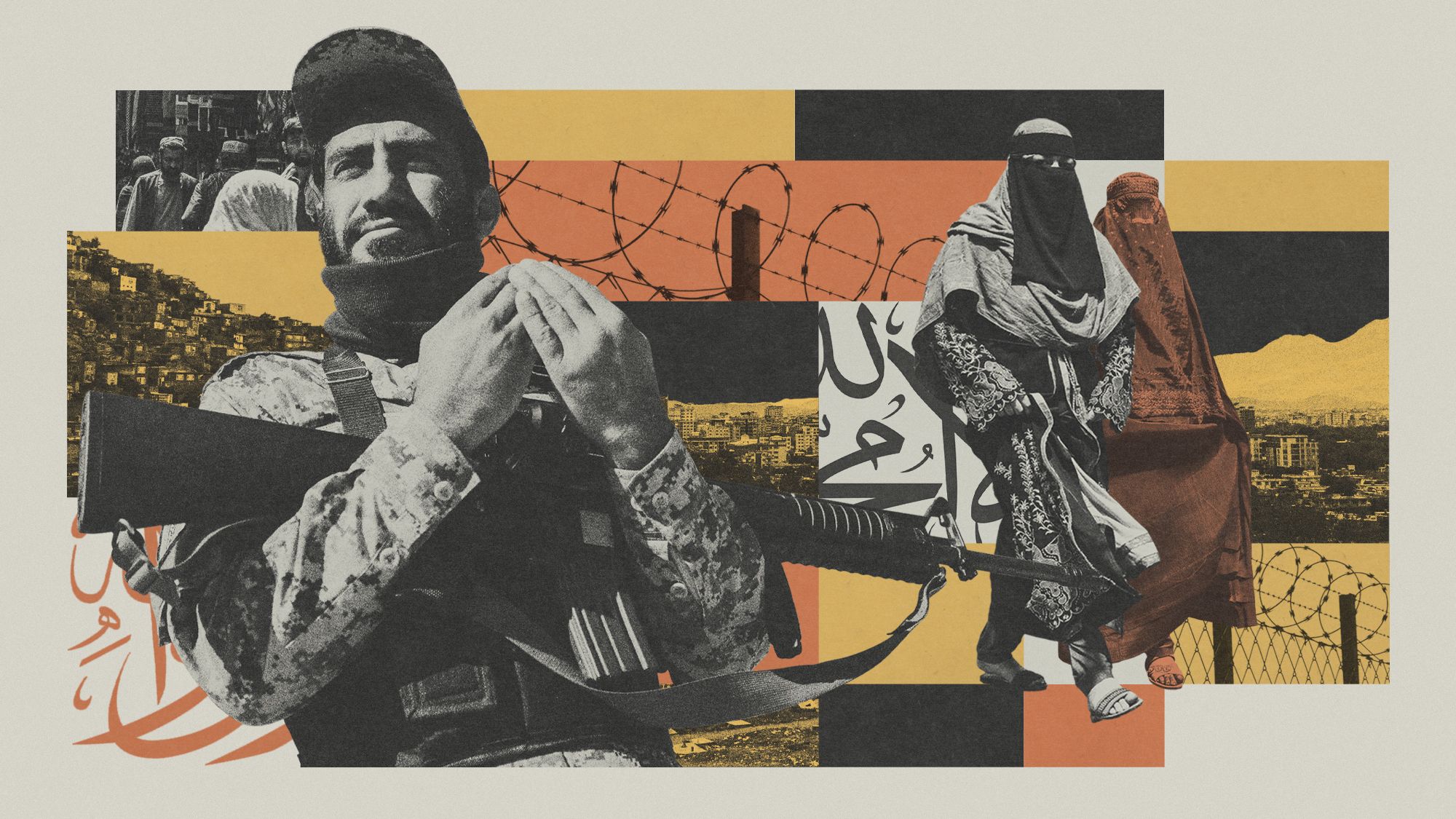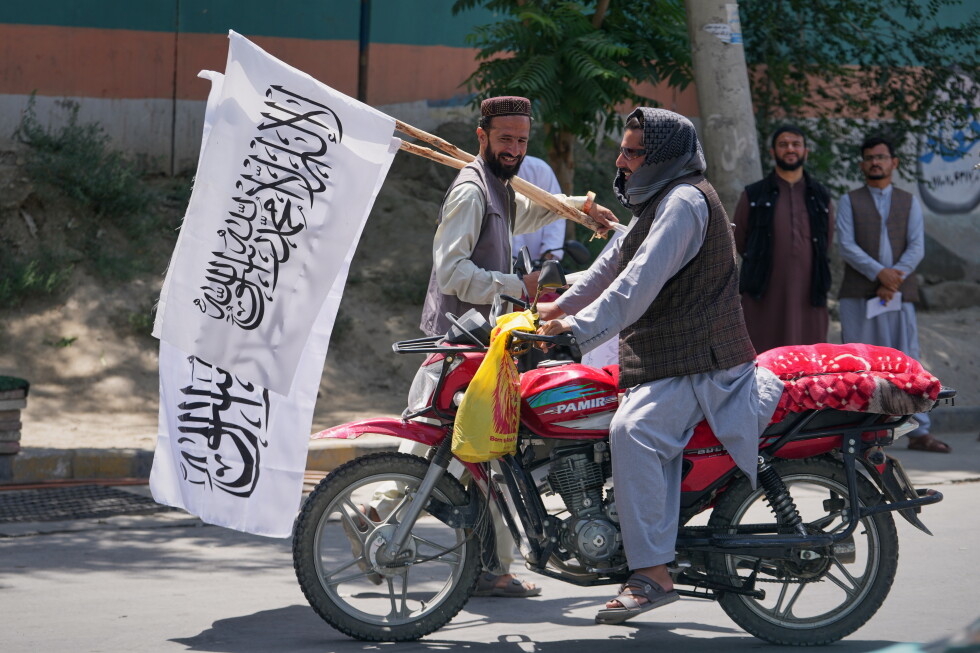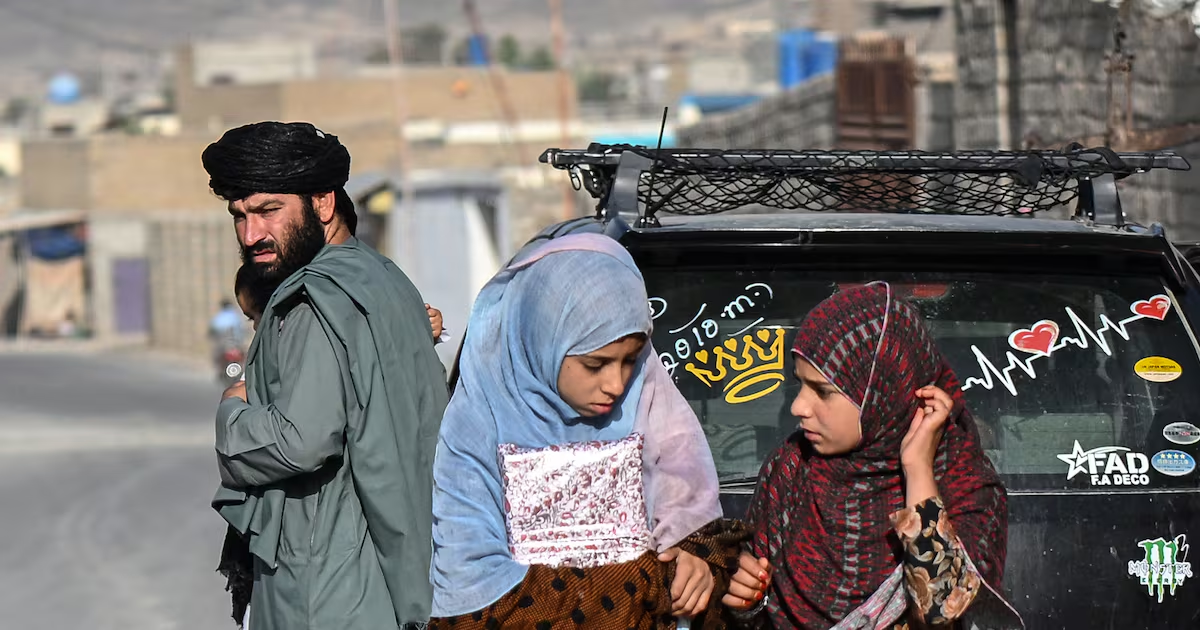
Five years ago President Joe Biden pulled American troops out of Afghanistan. He was not forced to. America could have defended Afghanistan’s flawed but democratically elected government indefinitely, but chose not to. Voters were weary of America’s longest war, against the Taliban, a militia that controlled much of the countryside. Donald Trump set a timetable for pulling out; Mr Biden did so completely.
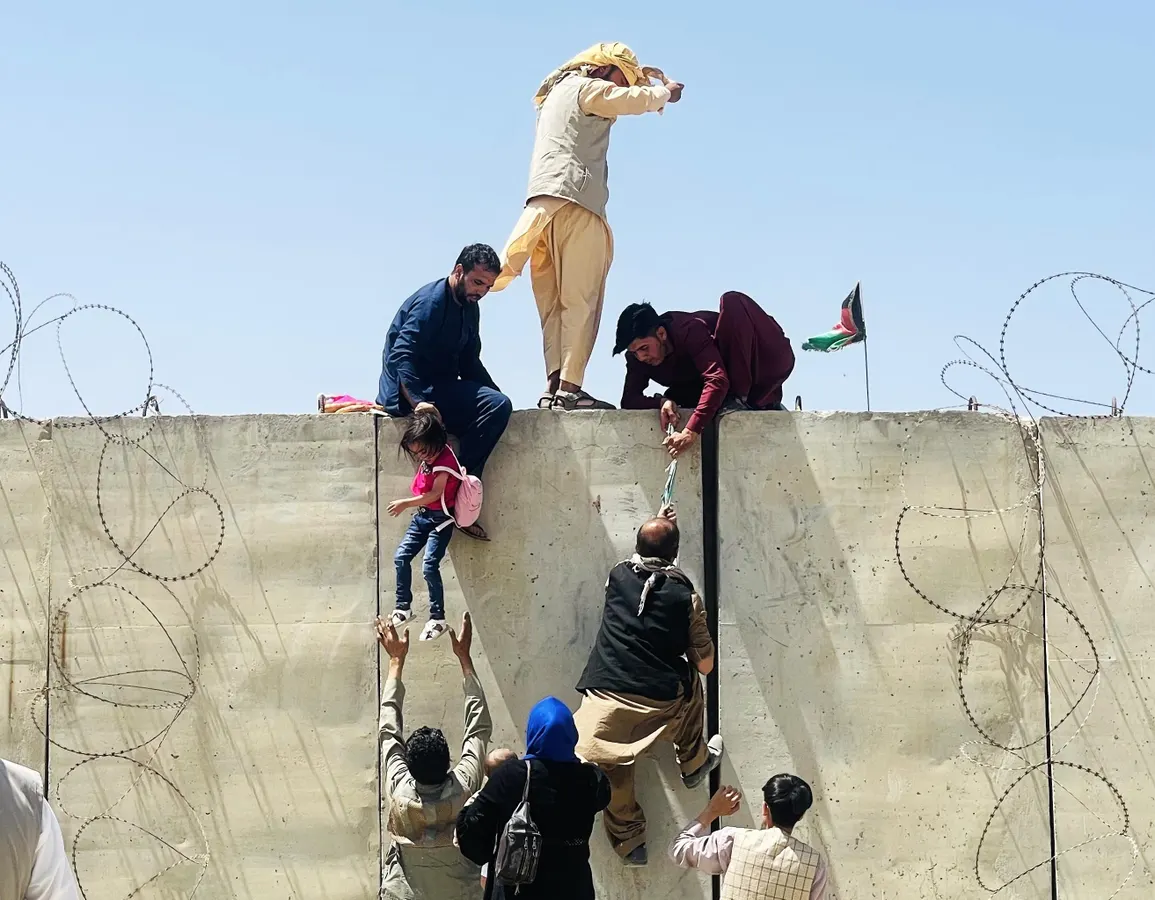
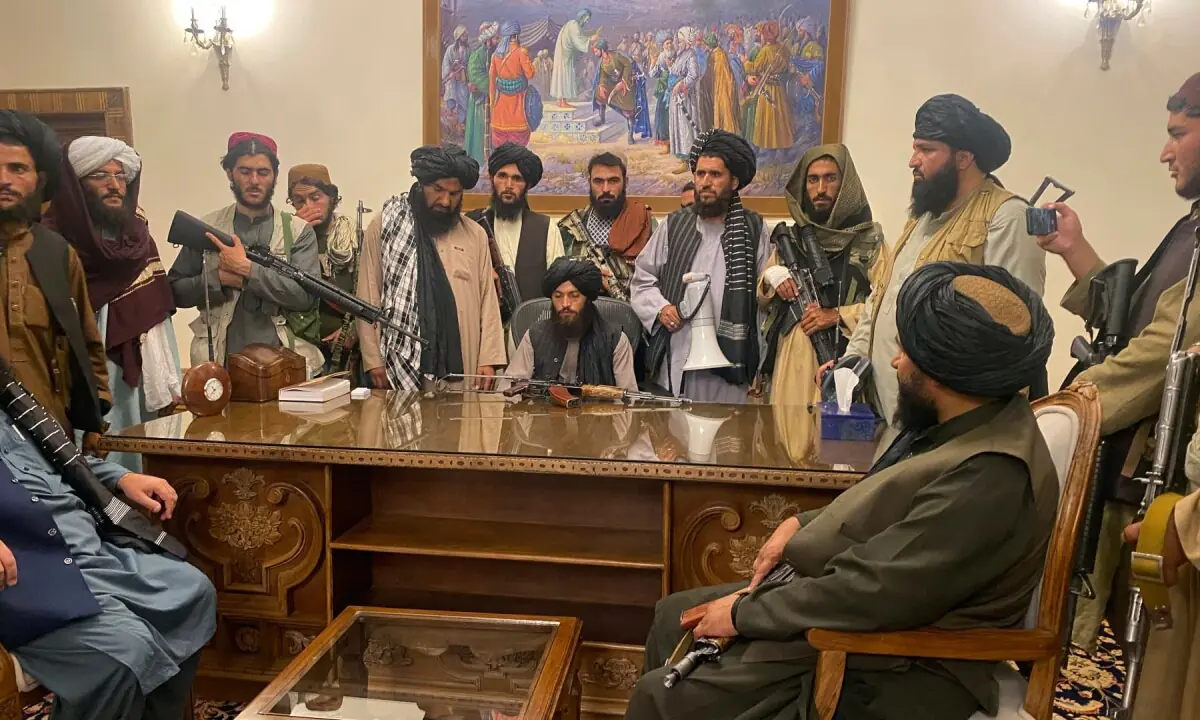
America’s looming departure prompted every Afghan with a gun to revise their expectations about who was likely to win their country’s civil war. Warlords switched sides; government soldiers abandoned their posts and melted away. The government fell almost immediately. The Taliban seized power almost unopposed. Desperate civilians fleeing their new rulers clung to the wheels of a departing American plane and plunged to their deaths.
De redactie van NRC selecteert de beste artikelen uit The Economist voor een breder perspectief op internationale politiek en economie.
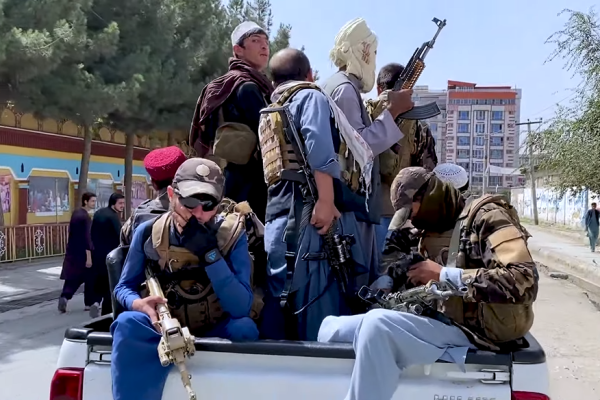
The Taliban (whose name means „religious students”) had first seized power in 1996, and imposed a brutal blend of Islamism and premodern tribal custom, banning girls’ education and stoning gay people to death. America and its allies overthrew them after they hosted al-Qaeda, the terrorist group that attacked America with hijacked planes in September 2001. But Taliban fighters then waged a guerrilla war against the democratic system that America had introduced, murdering judges, police and anyone deemed a collaborator. When Mr Biden gave up, a two-decade effort at nation-building ended in humiliation. Other powers drew conclusions about America’s willingness to stand by its friends. Six months later, Vladimir Putin invaded Ukraine.