Get the latest news and updates from Dawn
The deceptive veneer of a monolithic and unyielding Taliban regime is rapidly giving way to profound structural decay, demonstrating that authoritarian societal suppression should not be conflated with institutional permanence or state capacity.
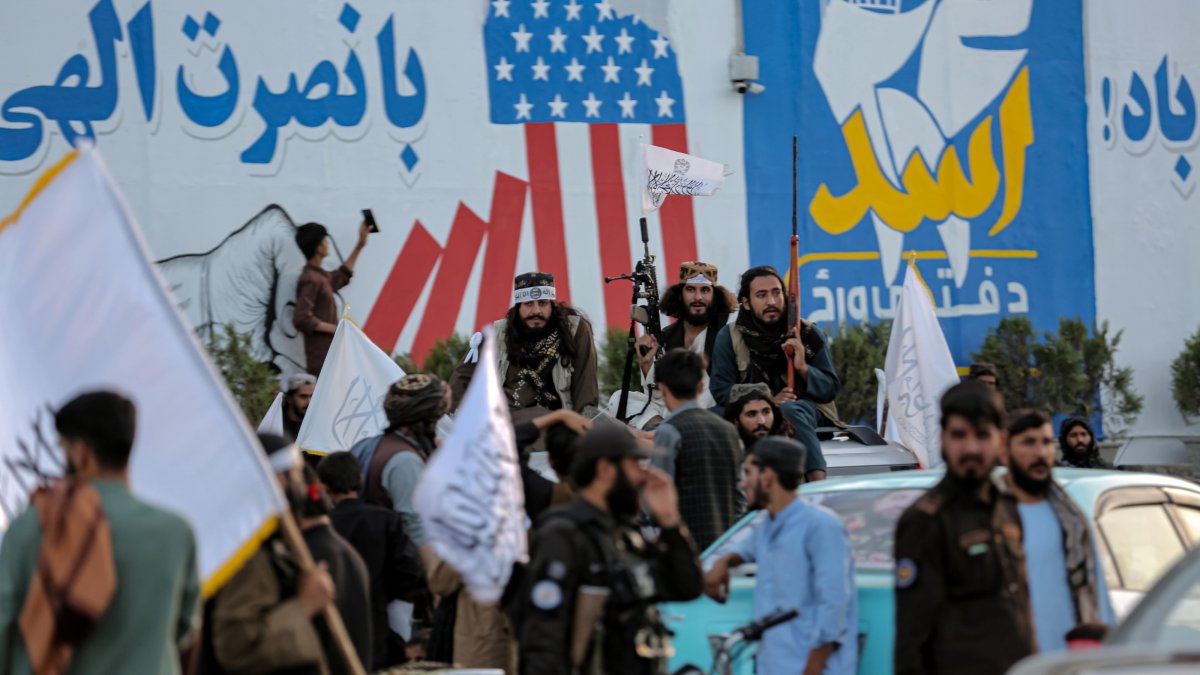
Nearly five years after the fall of Kabul, the Taliban administration has reached a strategic impasse, balancing precariously on the precipice of a localised, multi-factional civil conflict. This impending instability is not merely a function of diplomatic isolation or international sanctions. Instead, it is being accelerated by an unsustainable internal economy of power, a volatile relationship with regional neighbours, and the emergence of decentralised, non-state resistance movements.
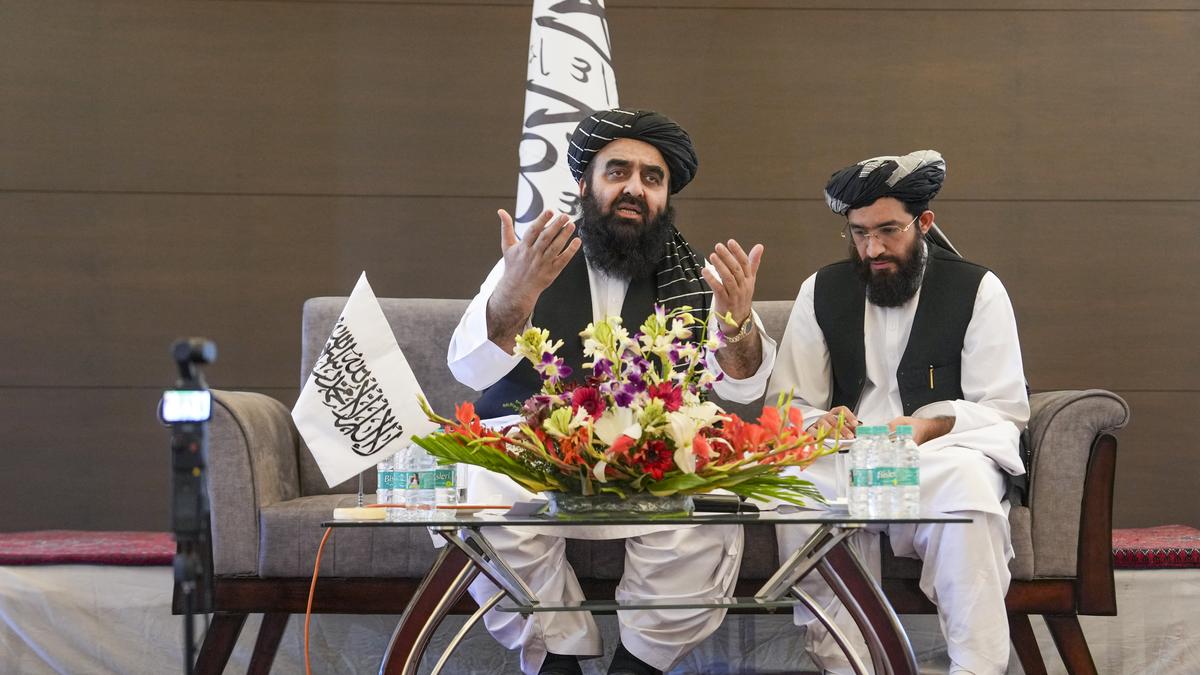
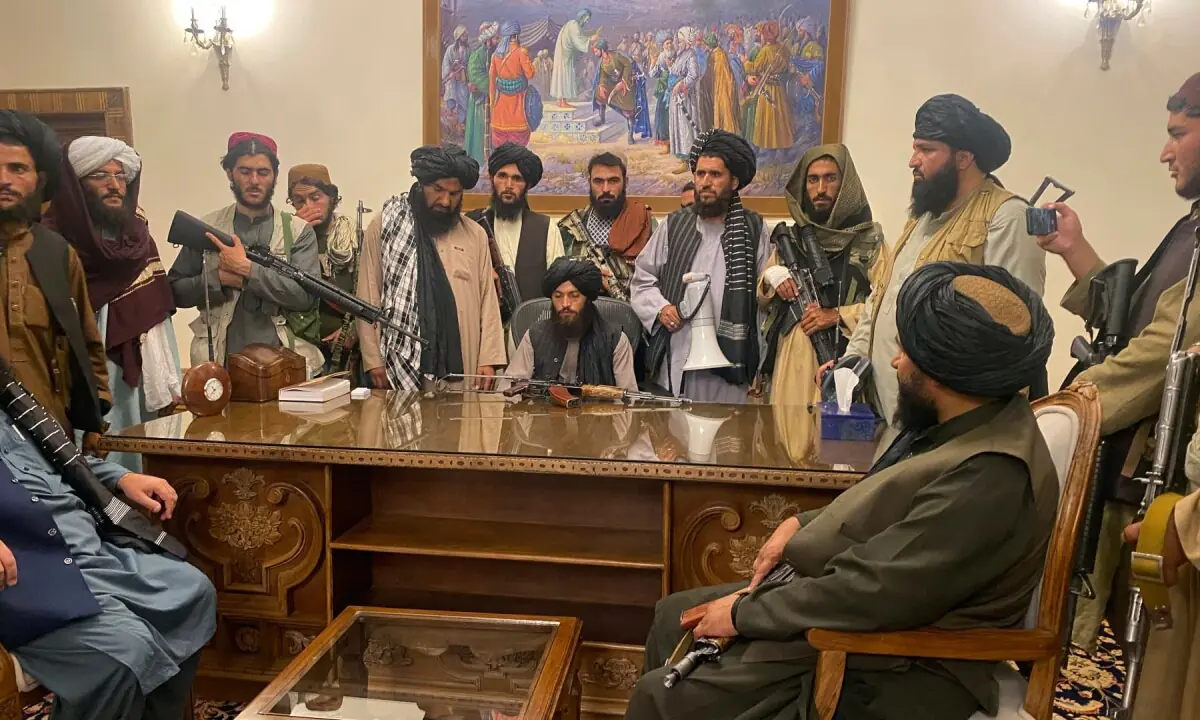
Domestically, the regime is fracturing along factional lines as the illusion of a unified command is replaced by a zero-sum power struggle between two competing power centres.
On one side stands the radical Kandahar faction, a hyper-conservative clerical elite gathered around Supreme Leader Hibatullah Akhundzada, which clashes directly with the militarised Kabul faction led by figures like Sirajuddin Haqqani, who oversee day-to-day governance.