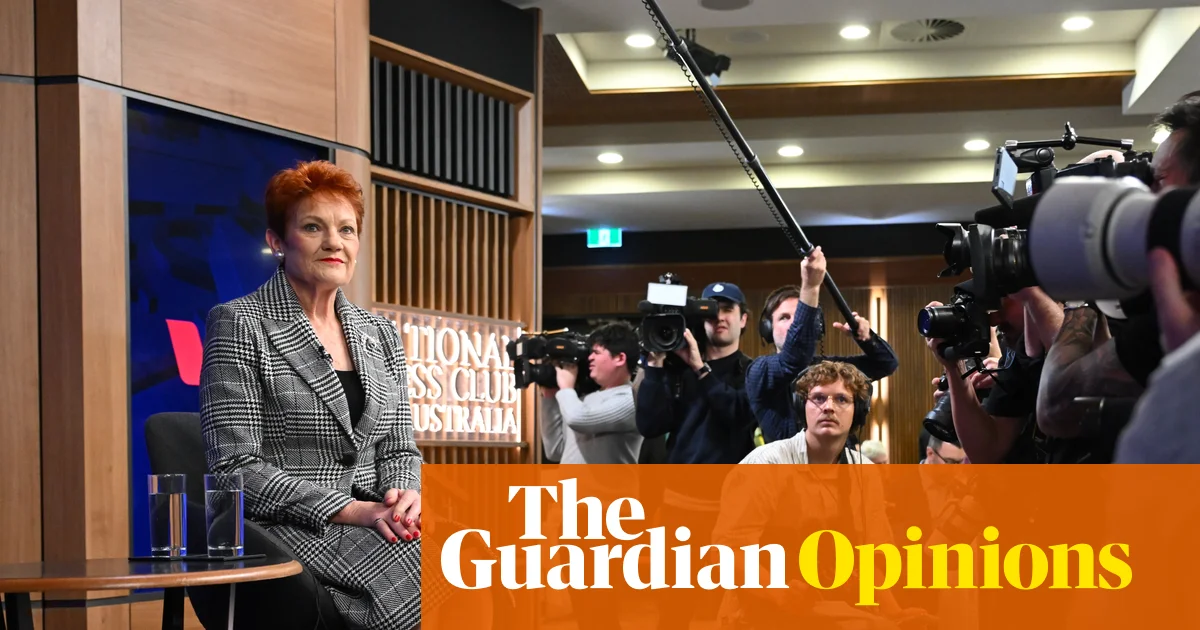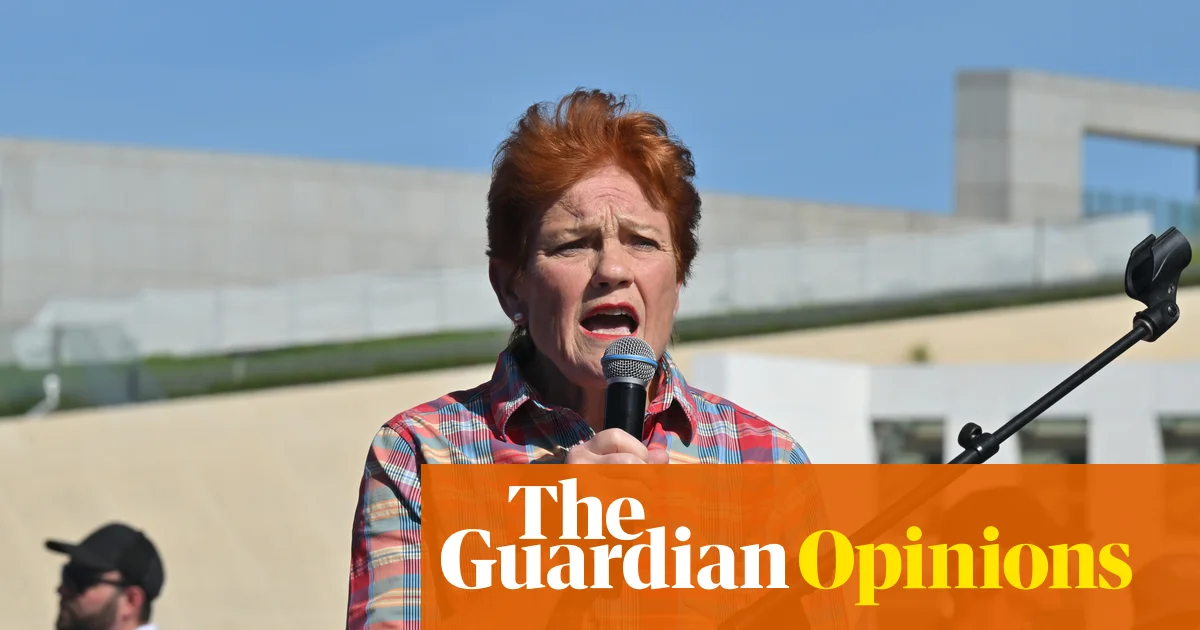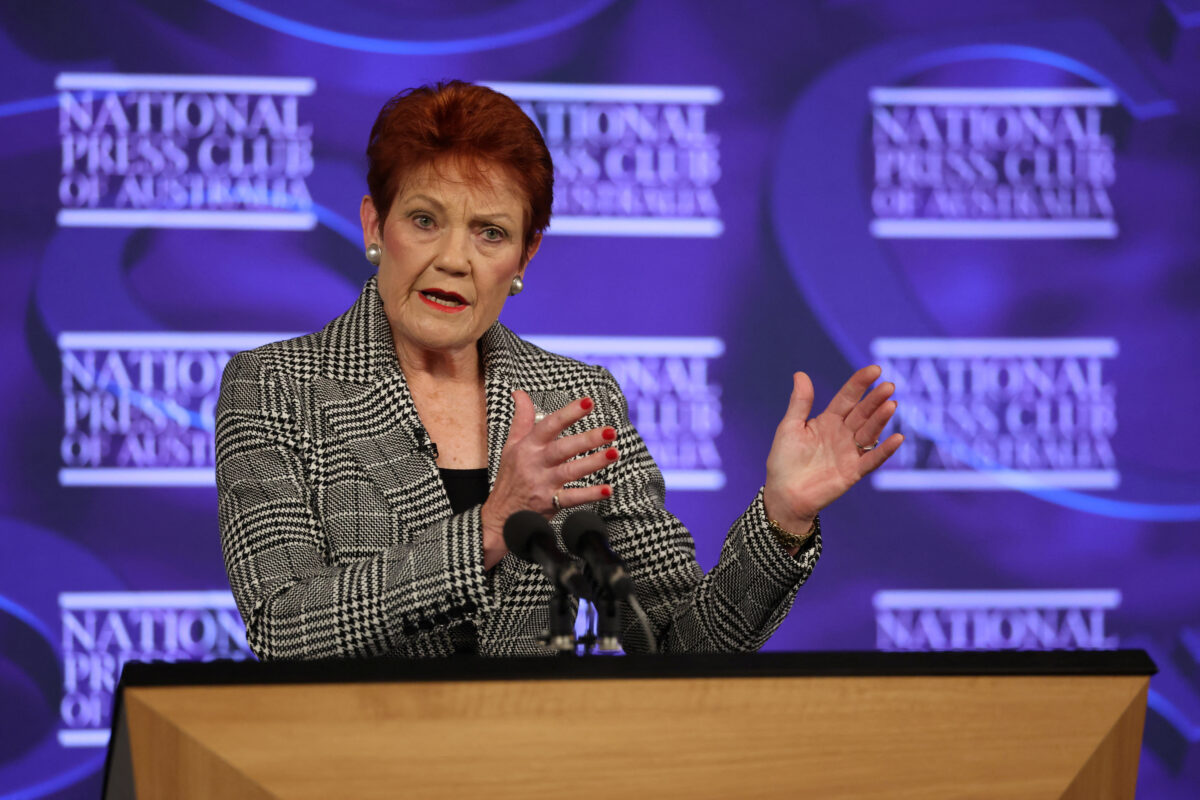
Who are we becoming as a nation? The question of our political identity as voters had a simple answer before Pauline Hanson finally cracked the populist code in 2026, after almost three decades on the electoral fringe.Before this year, Australia’s democracy was defined by the absence of extremism. Liberal prime ministers sat consistently to the centre-left of their Conservative and Republican peers in Britain and the US, while Labor’s were to the centre-right of British Labour and less ideological than the US Democrats.The flipside of our gold coin of moderation was the leaders and parties that Australians rejected. The Liberals lost winnable elections when they imported American agendas, to deregulate the workplace or to wind back Medicare, as John Howard learnt twice, from opposition in 1987 and in the defeat of his government in 2007. Labor failed when it tried to redistribute income, most recently under Bill Shorten in 2019.Our system of compulsory preferential voting had reinforced our egalitarian and obedient national temperament by pulling the major parties towards the centre while creating a barrier to entry to those on the hard right.Pauline Hanson launching One Nation candidates for the
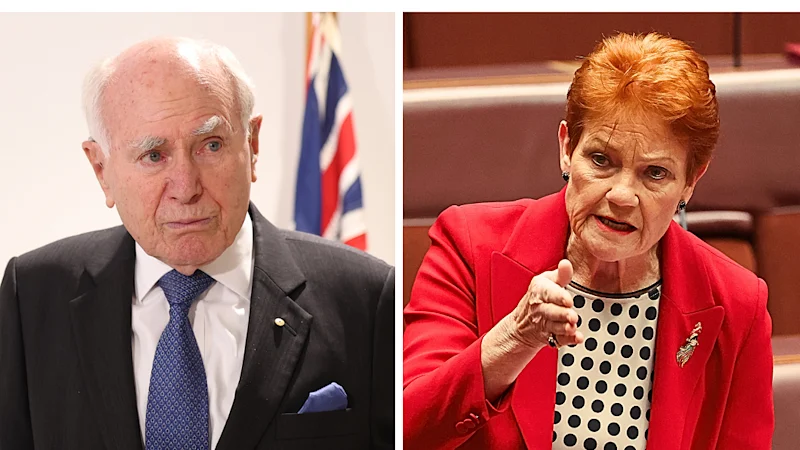
John Howard neutralised Pauline Hanson 30 years ago. What’s changed since then?
The recent surge in One Nation’s support has echoes of its original 1990s political insurgency – but there are reasons why its vote might hold up this time.
2,794 words~13 min read