Trauma is usually treated as something you carry, manage, work through and sometimes ease. Rarely as something that could be stopped before it takes hold. That is what a group of researchers in Munich and Stockholm set out to test.
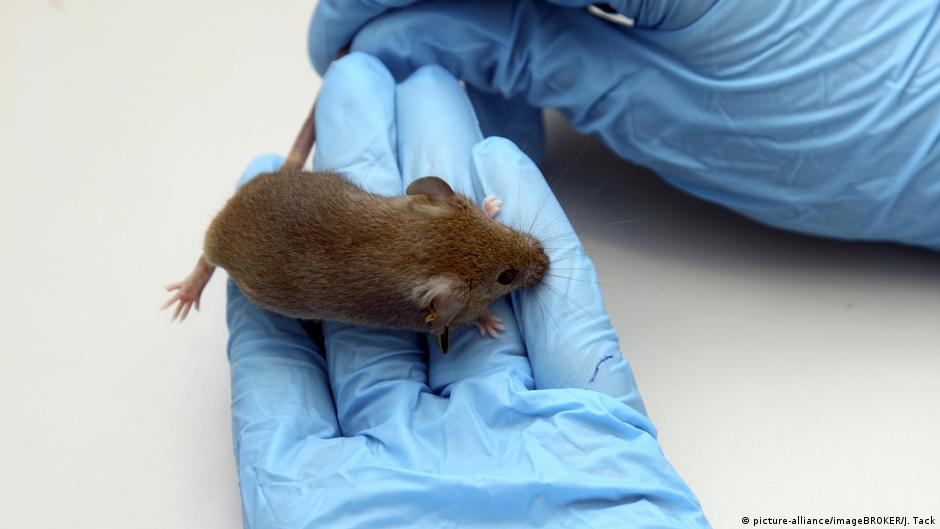
They began by making the first days of life hard. Mother mice were given far less nesting and bedding material than normal. That was enough to make mothers erratic, and the first days of life unpredictable. The mice raised in that hardship grew up looking perfectly healthy — with no obvious illness or anything visibly wrong.
Then researchers put them in groups and watched what happened. Repeatedly, these mice ended up at the bottom. Pushed into the lowest ranks of their social hierarchies, first as adolescents, then again as adults. A difficult infancy had left no visible mark — but it had set the position they would occupy for the rest of their lives.
When the researchers gave some of them a drug, the pattern disappeared.
The study, published in June, was led jointly by Mathias Schmidt at the Max Planck Institute of Psychiatry in Munich and Juan Pablo Lopez at the Karolinska Institutet in Stockholm.