In a significant conservation breakthrough, researchers have revealed how training pregnant Pacific pocket mice to fear predators can enhance the survival instincts of their daughters.
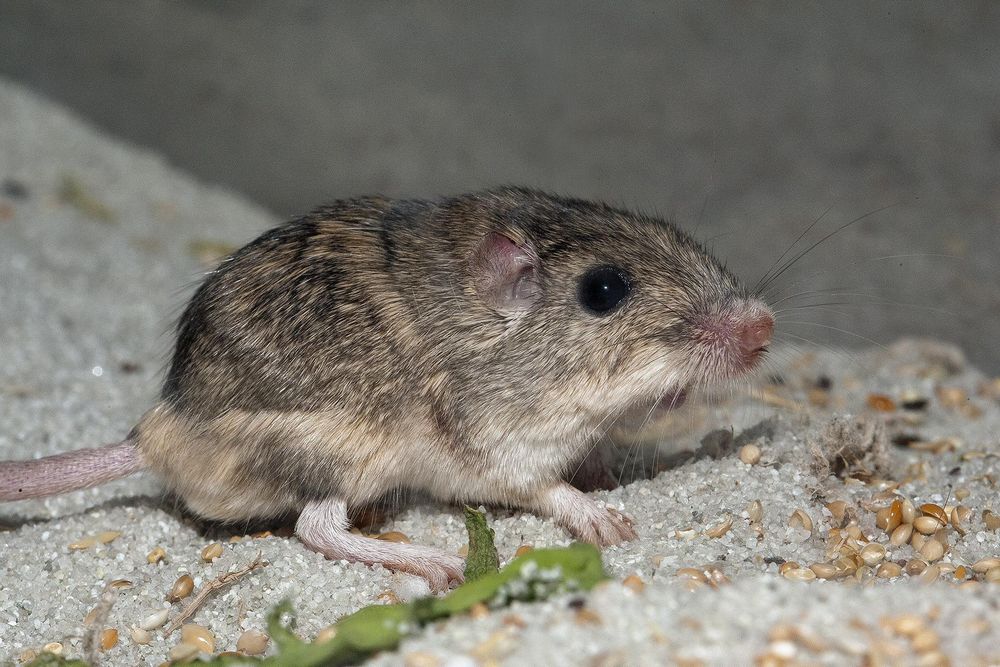
In a groundbreaking study, conservationists have unlocked a potential method to bolster the survival instincts of endangered species by training expectant mothers to fear their predators. This novel approach, demonstrated with the critically endangered Pacific pocket mouse, could significantly enhance the chances of survival for offspring born into captivity before their release into the wild.
As wildlife conservation strategies evolve, the need for young animals raised in captivity to navigate threats effectively has become paramount. The Pacific pocket mouse (Perognathus longimembris pacificus), listed as critically endangered on the IUCN Red List and safeguarded by the US Endangered Species Act, has become a focal point for this innovative research. Led by Dr Debra Shier from the San Diego Zoo Wildlife Alliance, the researchers focused on how maternal behaviour impacts offspring when it comes to predator recognition.
Traditional antipredator training methods involve exposing young animals to simulated threats, helping them associate predators with aversive stimuli. Yet, these methods can be labour-intensive, time-consuming, and vary in effectiveness. The research team demonstrated that training pregnant female mice, rather than the offspring directly, may yield better outcomes, setting the stage for a new conservation strategy.