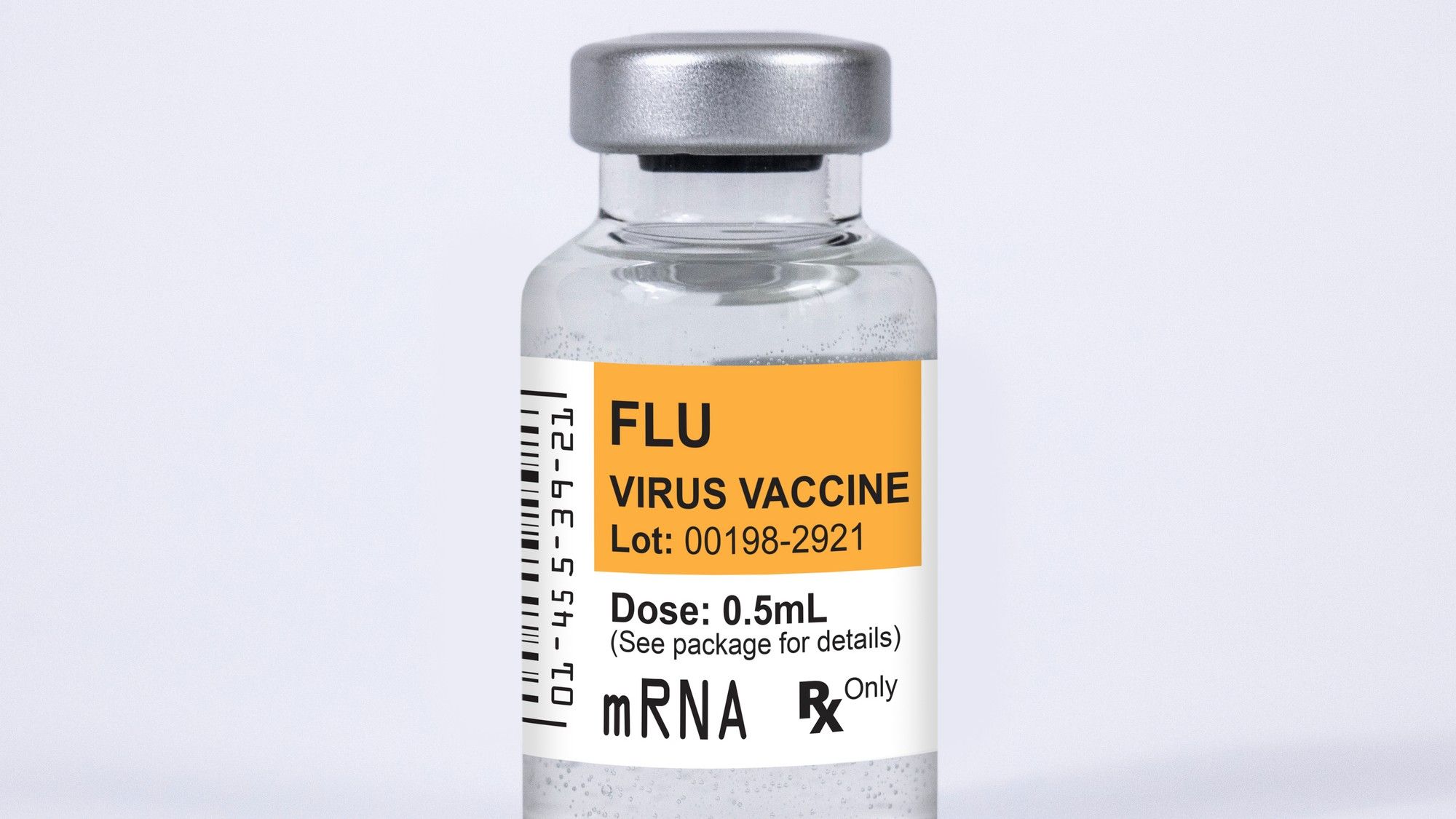
By this time of year, both the FDA and CDC normally have weighed in on fall respiratory virus vaccine recommendations. But given ongoing controversies over vaccination spurred by the Trump administration, a wrench has once again been thrown into the gears of that process.
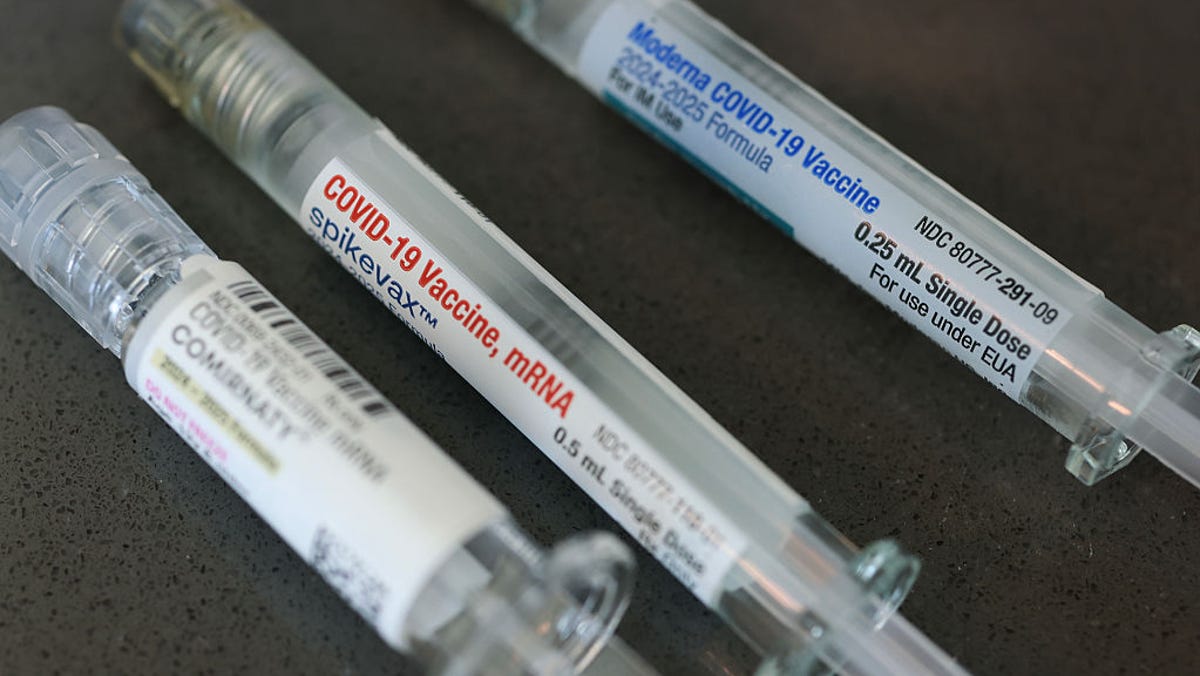
The FDA has done its part, making recommendations about vaccine composition for influenza vaccines in March, followed by recommendations for COVID shots in May. But the CDC's Advisory Committee on Immunization Practices (ACIP) hasn't done its part as it hasn't held its March or June meetings this year.
Typically, after the FDA meets, ACIP "then meets and makes recommendations about how to use those vaccines," David Freedman, MD, professor emeritus of infectious diseases at the University of Alabama at Birmingham and spokesperson for the Infectious Diseases Society of America (IDSA), told Medpage Today.
That includes weighing which products are best for various age groups, and whether additional vaccine doses are needed for immunocompromised individuals, among other considerations, Freedman noted. "That was not done this year," he said.
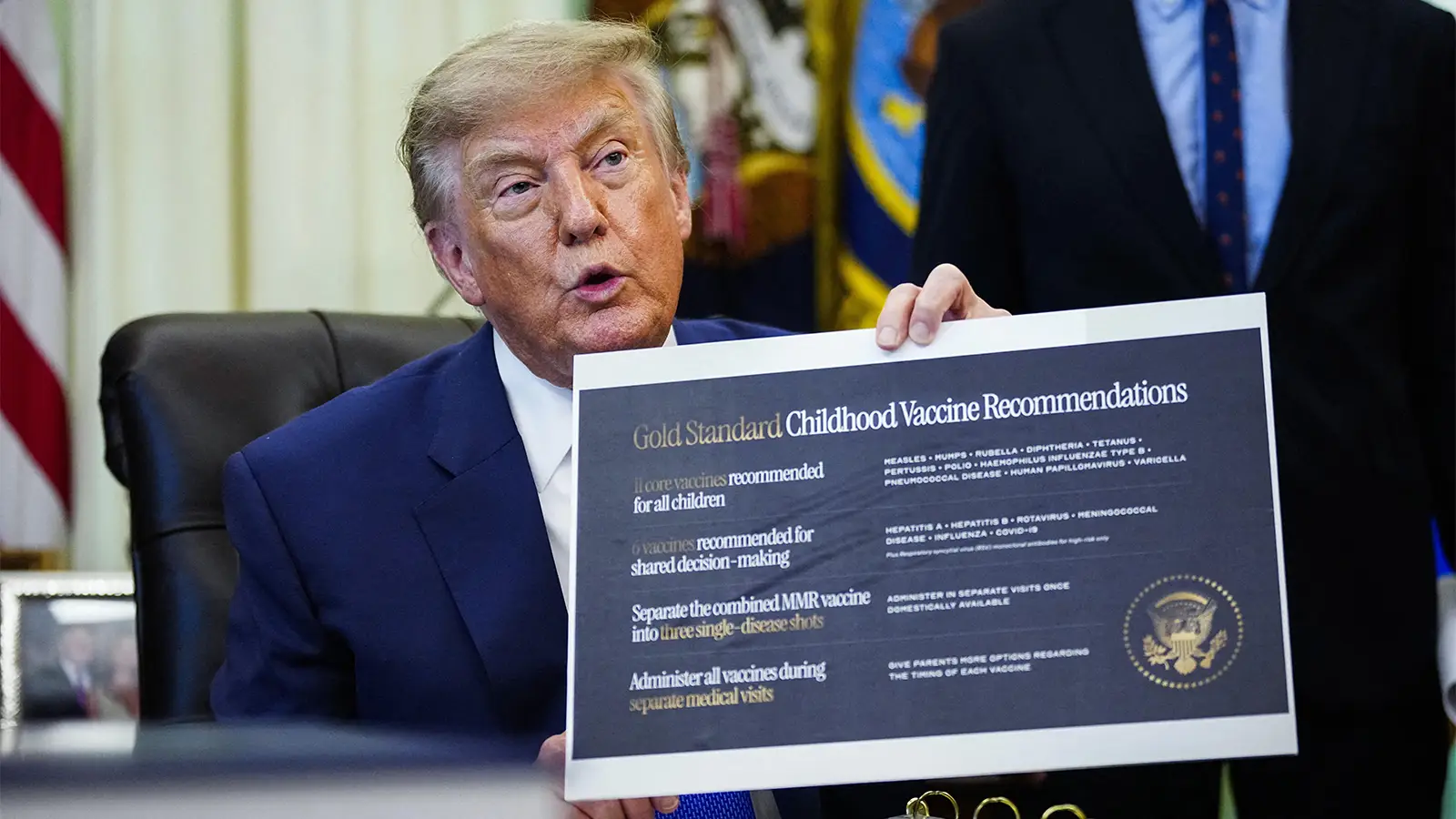
But clinicians shouldn't worry, because medical groups have stepped in to fill the gaps. The IDSA, the American Academy of Pediatrics (AAP), the American College of Obstetricians and Gynecologists, and the American Academy of Family Physicians (AAFP) have issued guidance on fall respiratory virus shots and more, as the Trump administration has also tried to make significant changes to the pediatric immunization schedule.