As humanity looks to the Moon and stars for future exploration, predicting space weather — conditions in space primarily driven by the Sun — is more important than ever.
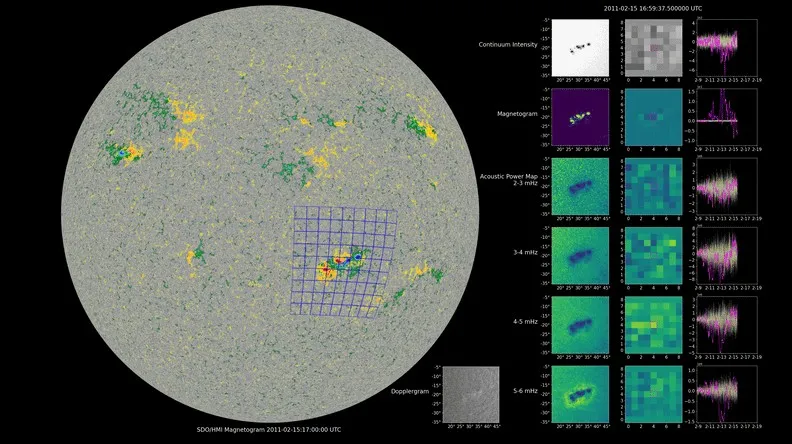
Now, a team of astrophysicists and data scientists with NASA’s COFFIES (Consequence Of Fields and Flows in the Interior and Exterior of the Sun) has developed a novel machine-learning model capable of predicting the emergence of active regions on the Sun up to 12 hours before they appear.
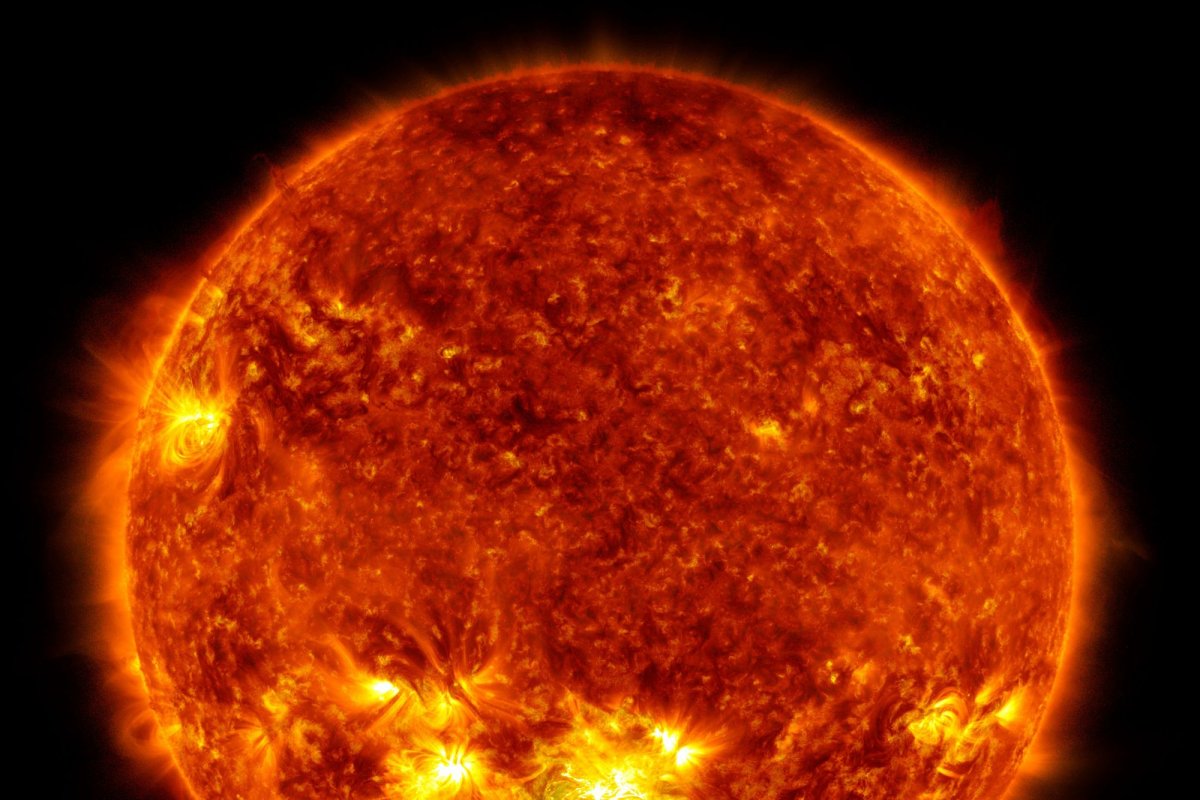
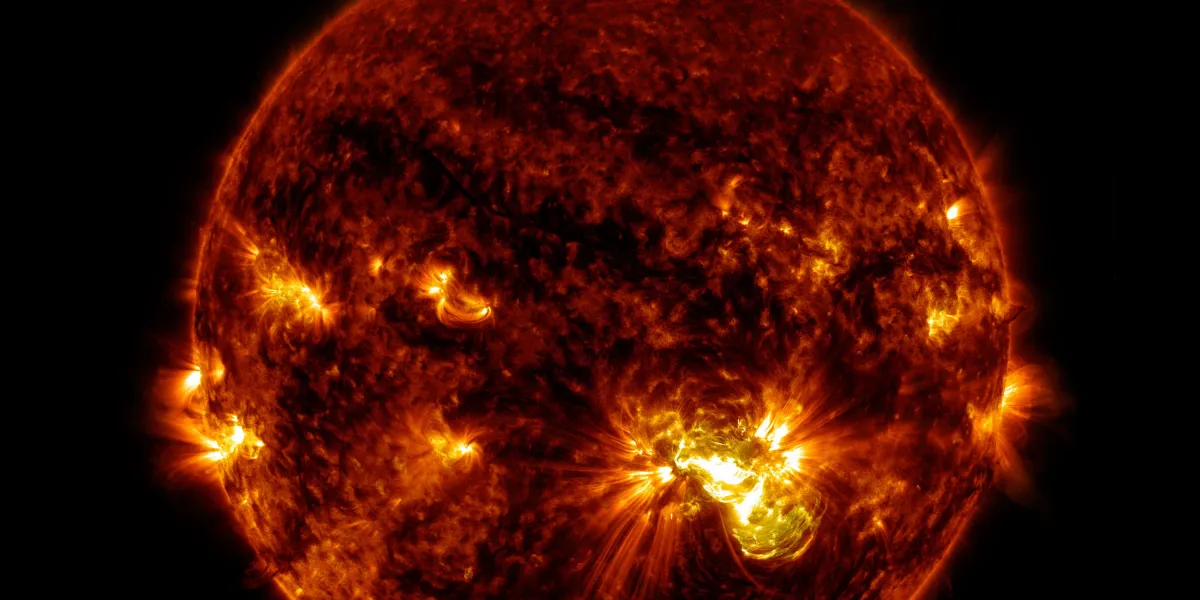
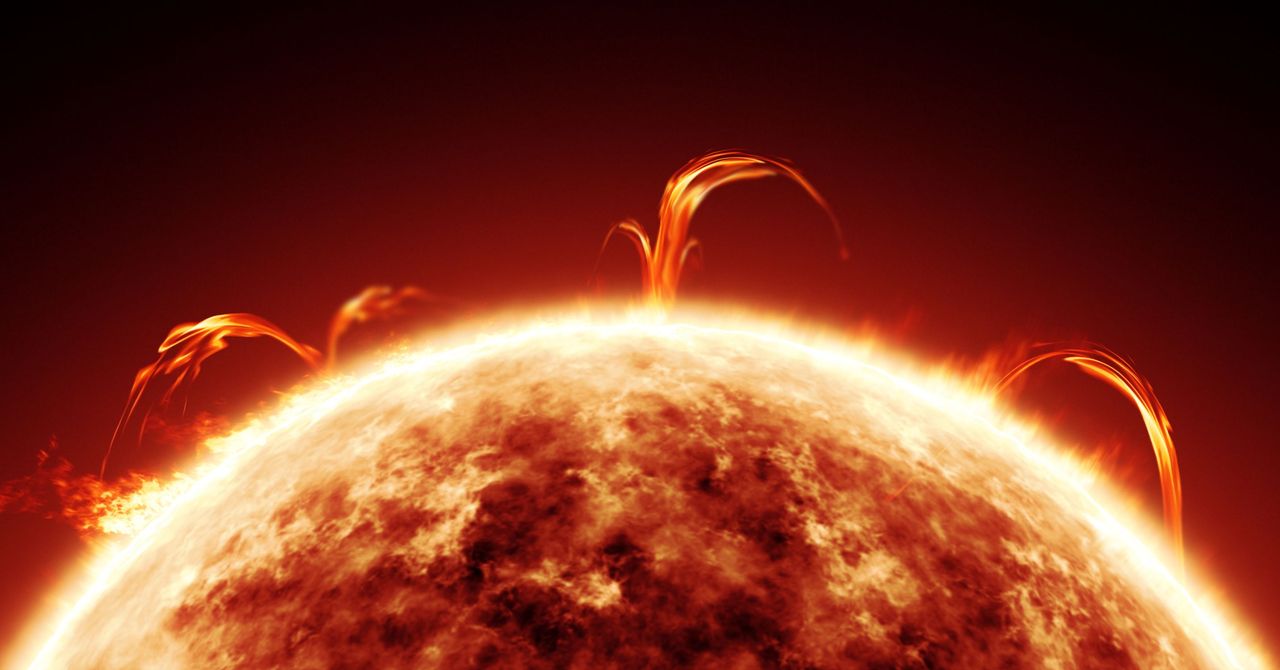
The Sun is constantly churning. Intense concentrations of localized magnetic fields can suddenly break through the solar surface, forming sunspots. Space weather forecasters then collectively number and track sunspots since they are visible manifestations of active regions, which serve as the main engines behind severe space weather events such as solar flares and coronal mass ejections. These eruptions send waves of high-energy radiation and charged particles across space, creating storms that can threaten astronauts, disable satellites, and disrupt radio communications on Earth.
By bridging expertise across different scientific institutions, COFFIES, a NASA DRIVE (Diversify, Realize, Integrate, Venture, Educate) Science Center, brought together a team of researchers from New Jersey Institute of Technology (NJIT), Princeton University, and NASA’s Ames Research Center in California’s Silicon Valley. The team turned to advanced artificial intelligence architectures — which dictate how data is processed and used to produce reliable predictions or actions — to capture subtle, time-based pattern changes on the solar surface before an active region took shape. By analyzing data captured by the agency's Solar Dynamics Observatory and using NASA Ames' supercomputing resources, this new approach, published in the Journal of Geophysical Research: Machine Learning and Computation, looks at fluctuations in acoustic waves caused by sunspot regions when the regions form beneath the solar surface and begin the journey upward to emerge on the surface.