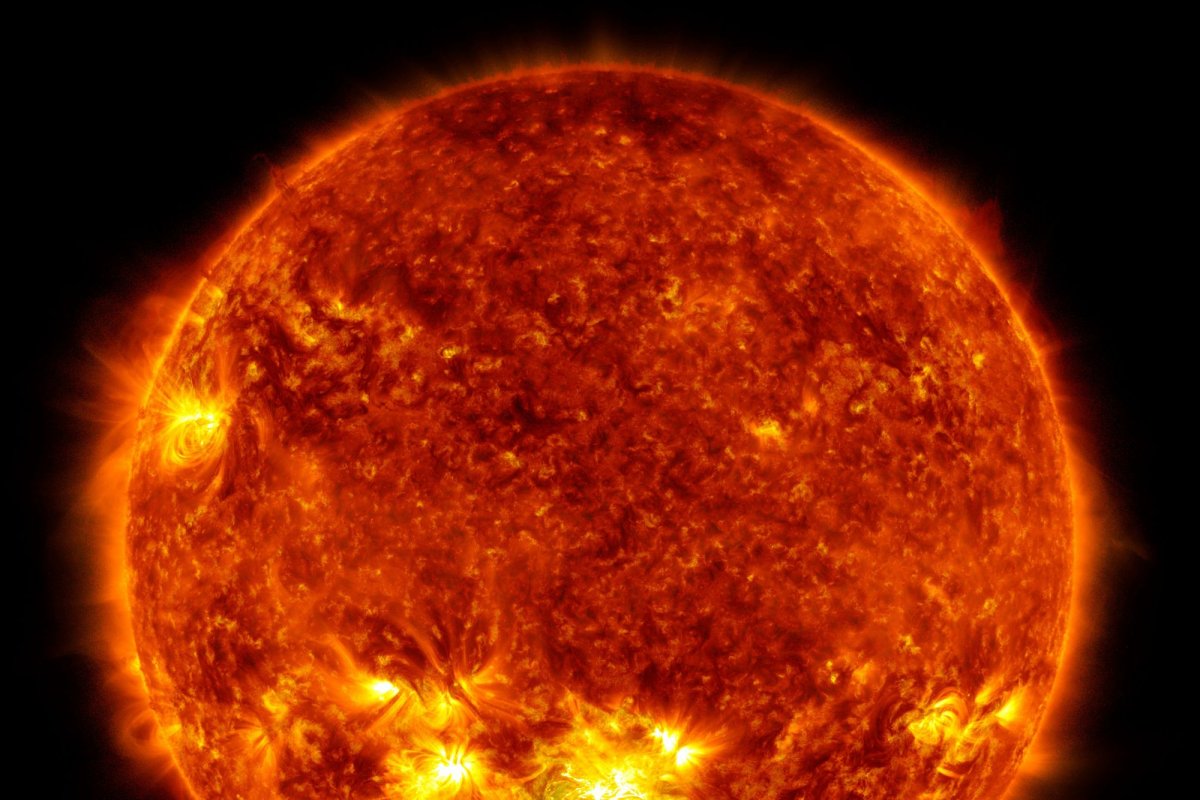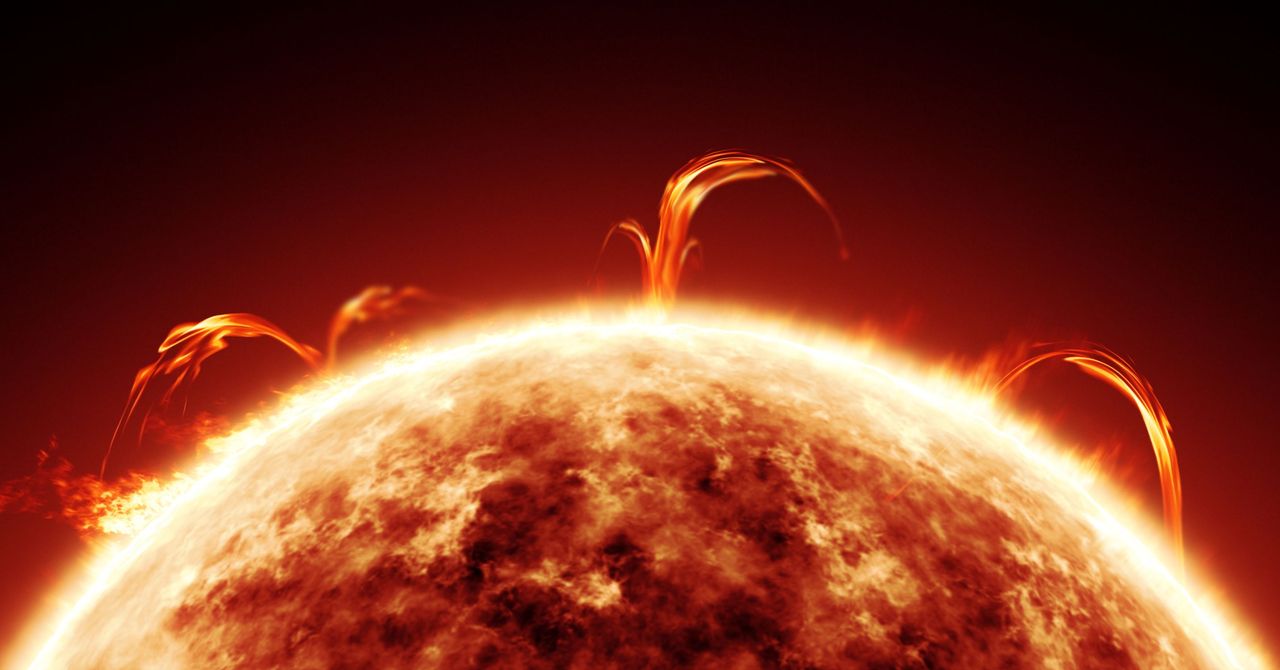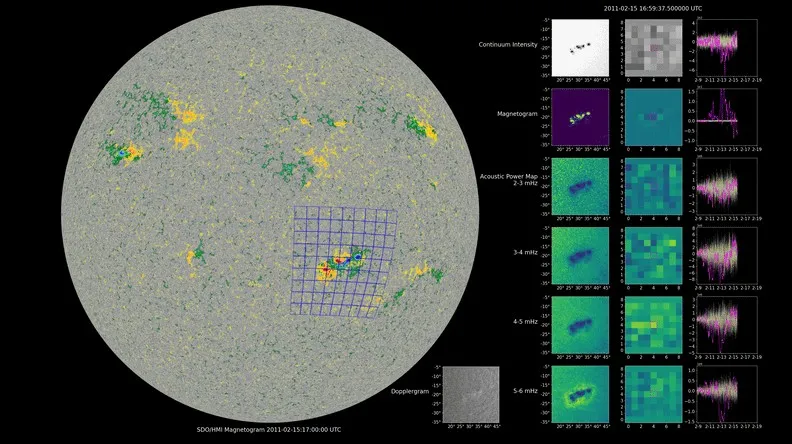
NASA and IBM have released a new open-source machine learning model to help scientists better understand and predict the physics and weather patterns of the sun. Surya, trained on over a decade’s worth of NASA solar data, should help give scientists an early warning when a dangerous solar flare is likely to hit Earth. Solar storms occur when the sun erupts energy and particles into space. They can produce solar flares and slower-moving coronal mass ejections that can disrupt radio signals, flip computer bits onboard satellites, and endanger astronauts with bursts of radiation. There’s no way to prevent these sorts of effects, but being able to predict when a large solar flare will occur could let people work around them. However, as Louise Harra, an astrophysicist at ETH Zurich, puts it, “when it erupts is always the sticking point.” Scientists can easily tell from an image of the sun if there will be a solar flare in the near future, says Harra, who did not work on Surya. But knowing the exact timing and strength of a flare is much harder, she says. That’s a problem because a flare’s size can make the difference between small regional radio blackouts every few weeks (which can still be disruptive) or a devastating solar superstorm that would cause satellites to fall out of orbit and electrical grids to fail. Some solar scientists believe we are overdue for a solar superstorm of this magnitude.
NASA’s new AI model can predict when a solar storm may strike
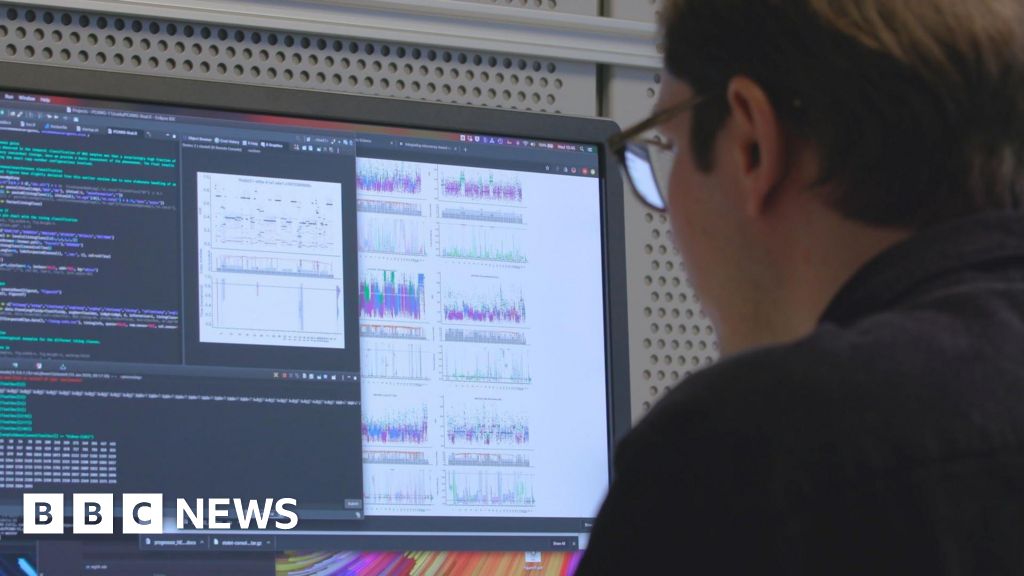
Surya, an AI model developed by NASA and IBM, tries to find hidden patterns in solar data to detect solar flares and winds.
652 words~3 min read