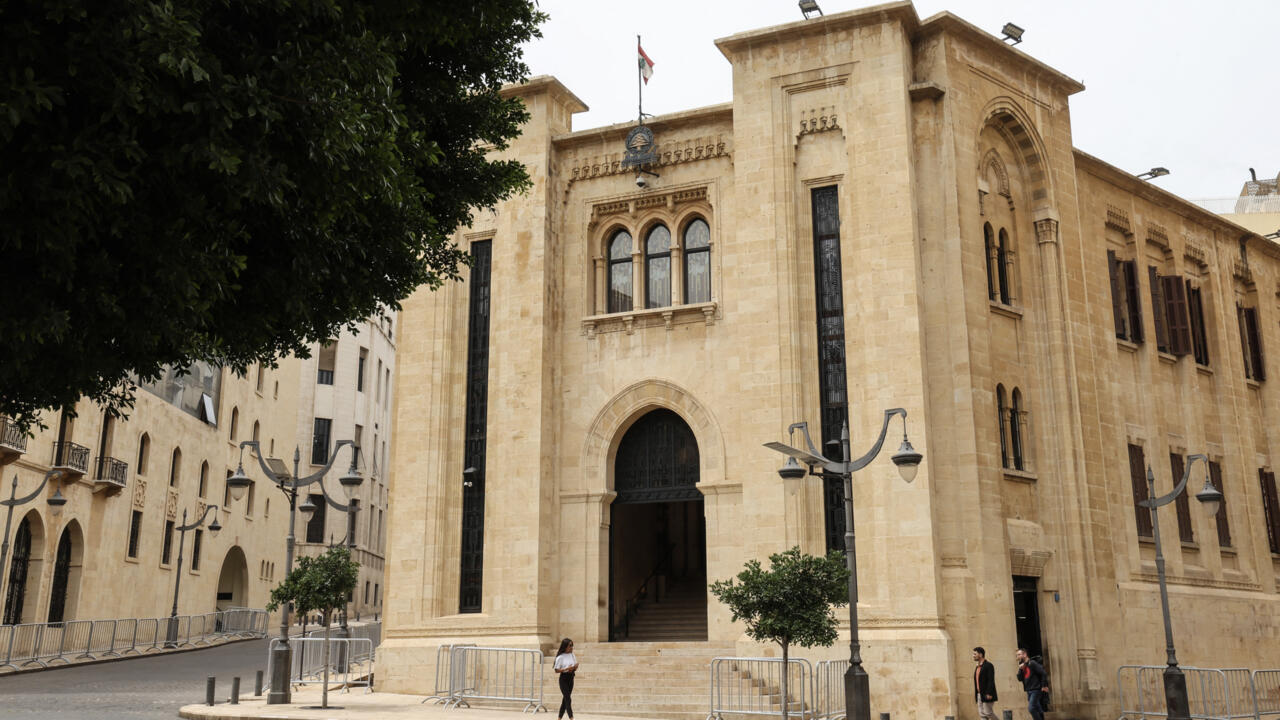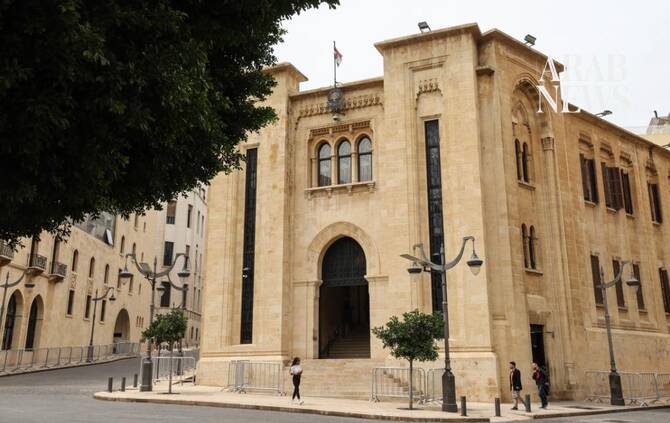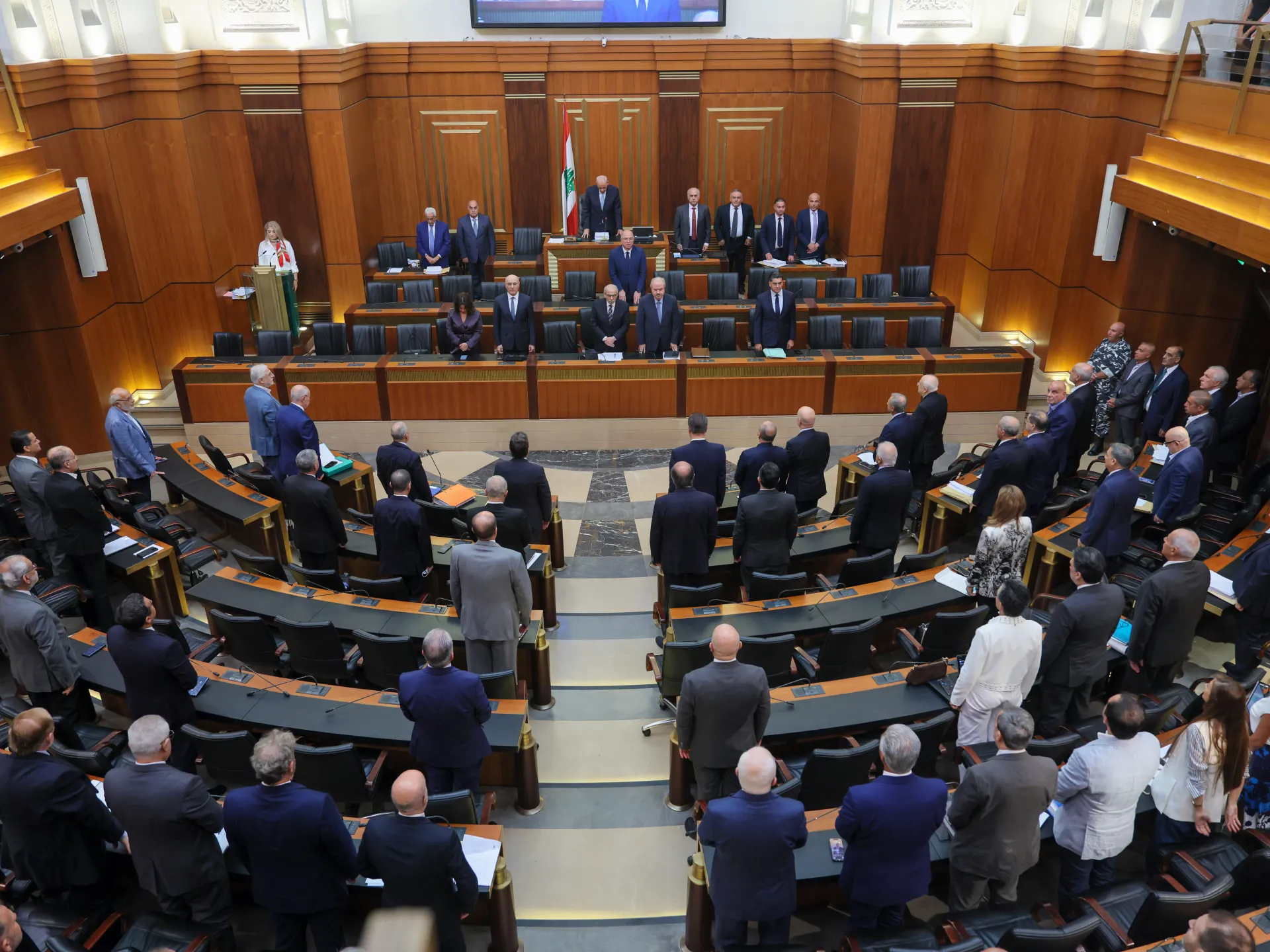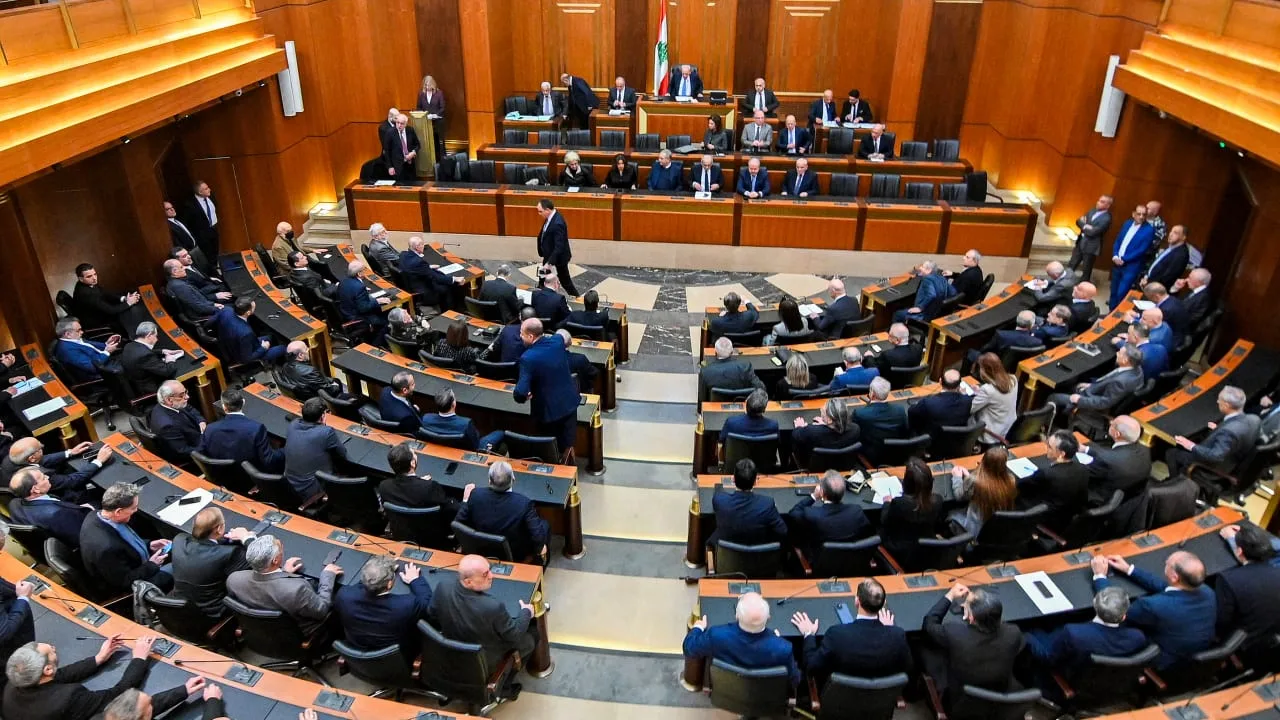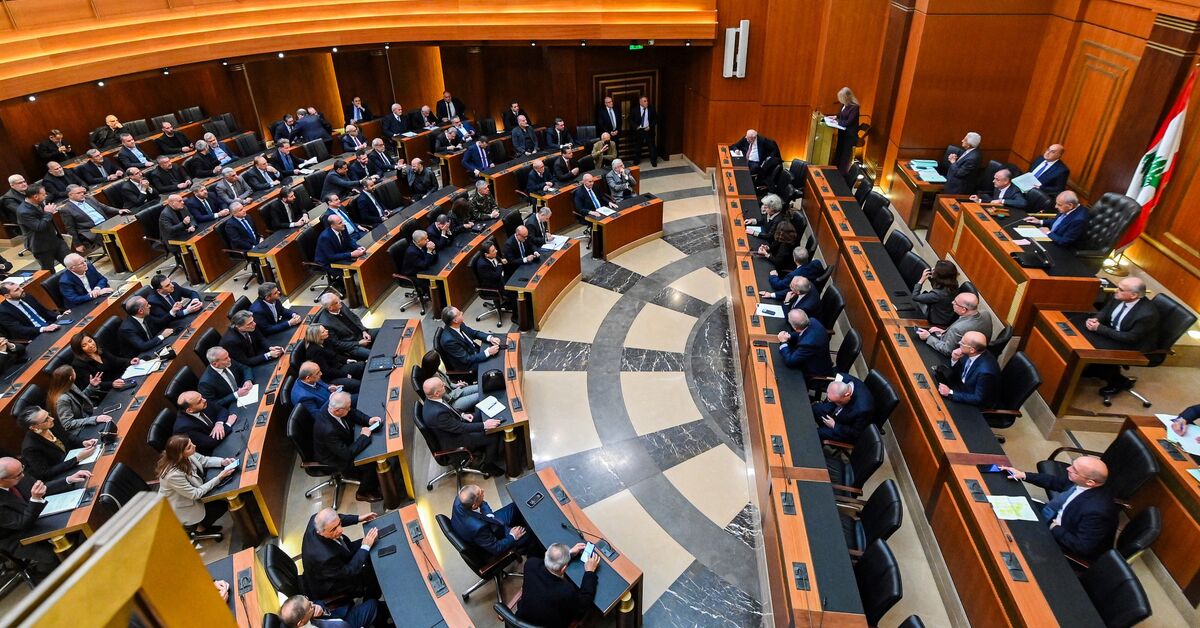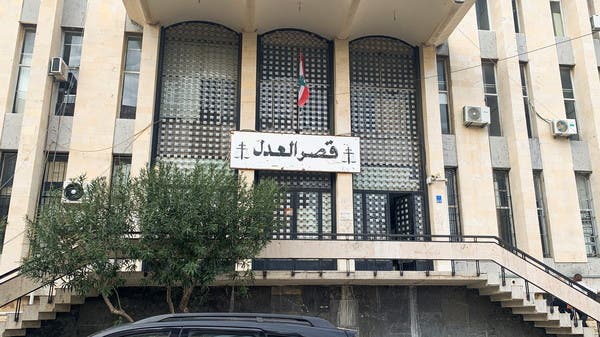
Lebanon’s parliament has once again demonstrated its peculiar genius for turning a failure of the state into a political achievement. The newly approved general amnesty law is being presented as a humanitarian measure, a solution to overcrowded prisons, prolonged detention, unpaid fines and cases that have languished for years without proper judicial resolution. Some of these grievances are real, and some of the people who will benefit from the law may indeed have been treated unjustly. But that is precisely why this legislation should trouble us rather than reassure us.For all the latest headlines, follow our Google News channel online or via the app.A justice system cannot be built on exceptions. When the courts fail, the answer is to repair the courts, not periodically erase the consequences of their failure through political bargaining. If people have been held for years without trial, try them. If sentences are disproportionate, review them. If prisoners have completed their terms but remain incarcerated because they cannot pay fines, fix the law. If convictions are unsafe, reopen the cases.These are the functions of a judiciary.Amnesty may sometimes be justified after wars, regime changes or extraordinary national crises, but when it becomes a substitute for functioning institutions, it ceases to be mercy and becomes evidence of institutional surrender.The Lebanese version is more troubling still because it carries the unmistakable fingerprints of the country’s sectarian order. The debate was never simply about legal categories, prison reform or proportionality of punishment. As usual, every community arrived carrying its own list of grievances, its own prisoners, its own fugitives and, naturally, its own definition of injustice. What emerged was less a philosophy of criminal justice than a balance sheet: this sect gets this concession, that party protects that category, another group secures relief for another constituency, and everyone goes home claiming victory.Justice, however, cannot be divided into confessional portions and still be called justice.Once the identity of the offender, the political sponsor behind him or the sectarian constituency claiming him becomes part of the calculation, equality before the law has already been abandoned. The courthouse has merely been replaced by the negotiating table, and the judge by the big boss.The controversy surrounding the law has also exposed another problem that Lebanon prefers not to discuss: The increasingly political posture of the Lebanese Army itself. The Army is, in theory, an institution subordinate to civilian authority. Yet on this issue, its behavior, and that of the defense establishment more broadly, displayed something dangerously close to the renegade traits that have afflicted other institutions of the Lebanese state – the assumption that institutional prestige somehow gives one the right to intervene in political and legislative decisions.The attempt by the Army leadership and the defense minister to obstruct or pressure against the amnesty on the grounds that some of those who might benefit had been involved in killing Lebanese soldiers was presented as a defense of the dignity of the military. It was, in fact, largely an exercise in populism and exhibitionism.The killing of soldiers is a grave crime. Precisely for that reason, it should be dealt with by the judiciary, not transformed into an emotional veto wielded by the military establishment over legislation. The Lebanese Army does not own the blood of its fallen soldiers, nor does the defense minister. Their families are entitled to justice, as are all victims. But justice cannot mean that one state institution decides that its victims are more sacred than those of everyone else, or that its institutional memory gives it a privileged voice over parliament.A military that begins to consider itself the custodian not merely of national security but of the political definition of justice enters dangerous territory. Lebanon already suffers from armed actors who believe themselves entitled to stand above the state. It hardly needs the institution tasked with defending the state to cultivate its own exceptionalism.There is irony here that Abu Nuwas would have appreciated. The great Abbasid poet, famous for his excesses and equally famous for his confidence in divine forgiveness, is traditionally associated with the lines:“O Lord, though my sins have grown immense, I know that Your forgiveness is greater.”Abu Nuwas, however, was addressing God.Lebanese politicians appear to have mistaken his theology for a penal code.Divine forgiveness can afford to be infinite. State justice cannot. A republic that tells its citizens, explicitly or implicitly, that punishment is temporary because some future political settlement may erase it is not encouraging reconciliation; it is subsidizing impunity. It teaches the offender that the real question is not whether he has violated the law, but whether he belongs to a constituency powerful enough to negotiate his release.And herein lies the real danger of this amnesty. It does not merely release prisoners or reduce sentences. It reinforces a political culture in which accountability is provisional while impunity is permanent.Lebanon has spent decades perfecting this craft. Crimes are forgotten in the name of stability, investigations become inconvenient in the name of communal peace, and responsibility is diluted until everyone is somehow guilty and therefore no one can ever be held responsible. The general amnesty law fits comfortably within this tradition. Its defenders can point to deserving cases – and there are certainly deserving cases – but individual injustice cannot justify collective arbitrariness.Indeed, the existence of those deserving cases is perhaps the most damning indictment of the state.Why did they need parliament to rescue them? Why could the judiciary not do so? Why should a person unjustly detained have to wait for a grand political bargain involving parties, sects and political calculations before his rights are restored?That is not reform. It is an admission that the ordinary machinery of justice has ceased to function.Lebanon urgently needs prison reform, faster trials, modern sentencing rules, judicial independence and credible mechanisms for reviewing wrongful or excessive detention. What it does not need is another lesson in the distinctly Lebanese art of escaping consequences.A country cannot be governed by periodically declaring people forgiven according to the arithmetic of sectarian compromise. Nor can its military, its political parties or its sectarian leaders each reserve the right to decide which crimes deserve punishment and which victims deserve priority.A state governed by law must have one justice, not eighteen varieties of it.Otherwise, we may as well hang Abu Nuwas’s verses above the entrance to every Lebanese courthouse and assure every future offender that there is little reason to worry.Sin today. Negotiate tomorrow. Amnesty eventually.
Amnesty, Lebanese style: When impunity becomes law
Lebanon’s parliament has once again demonstrated its peculiar genius for turning a failure of the state into a political achievement. The newly approved
1,070 words~5 min read