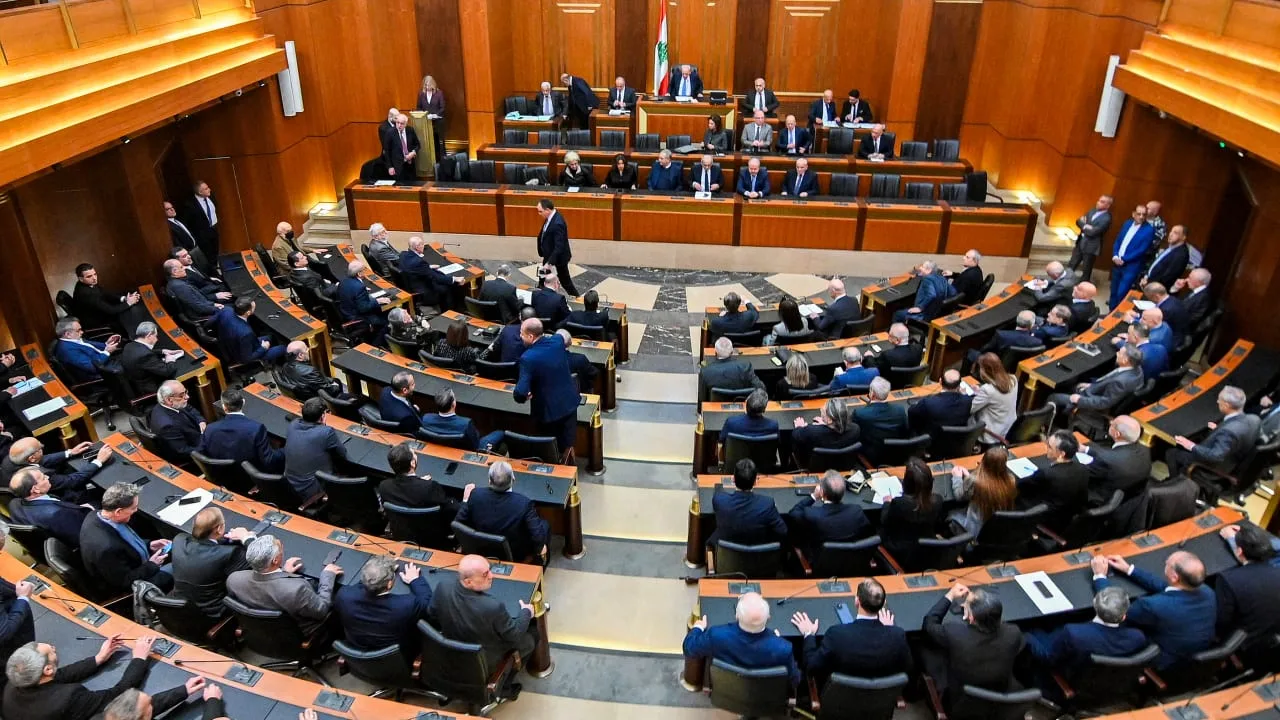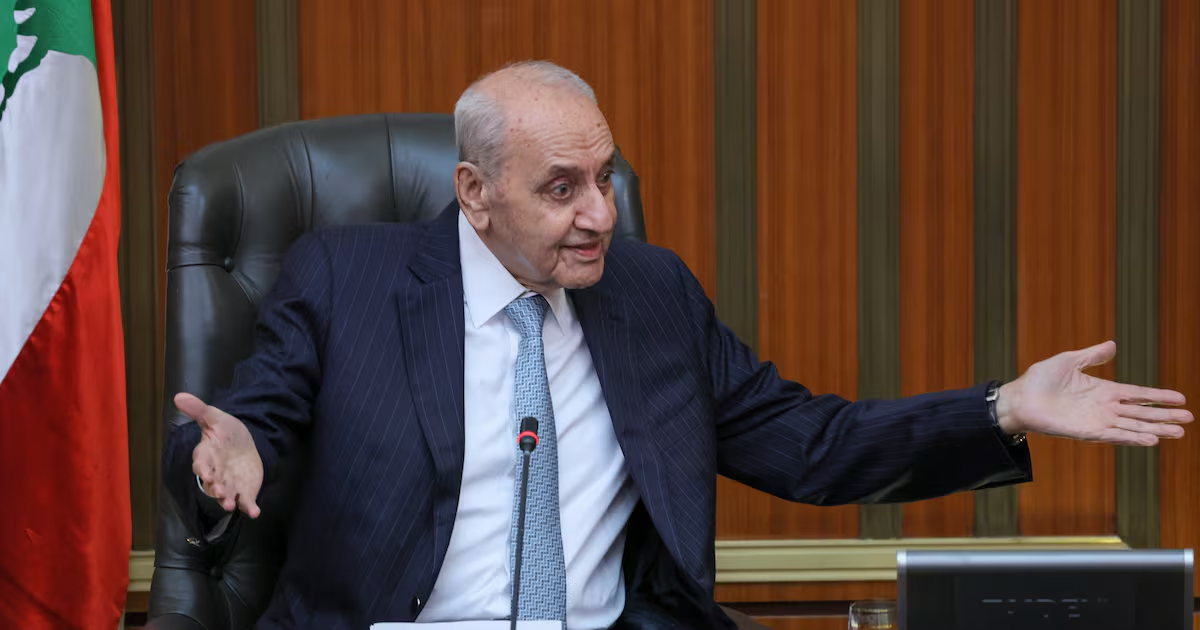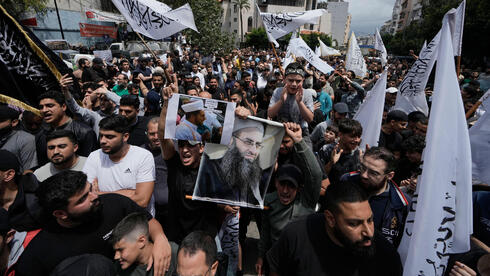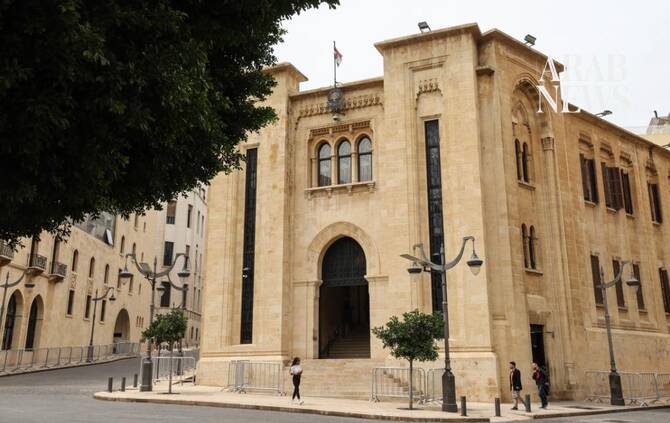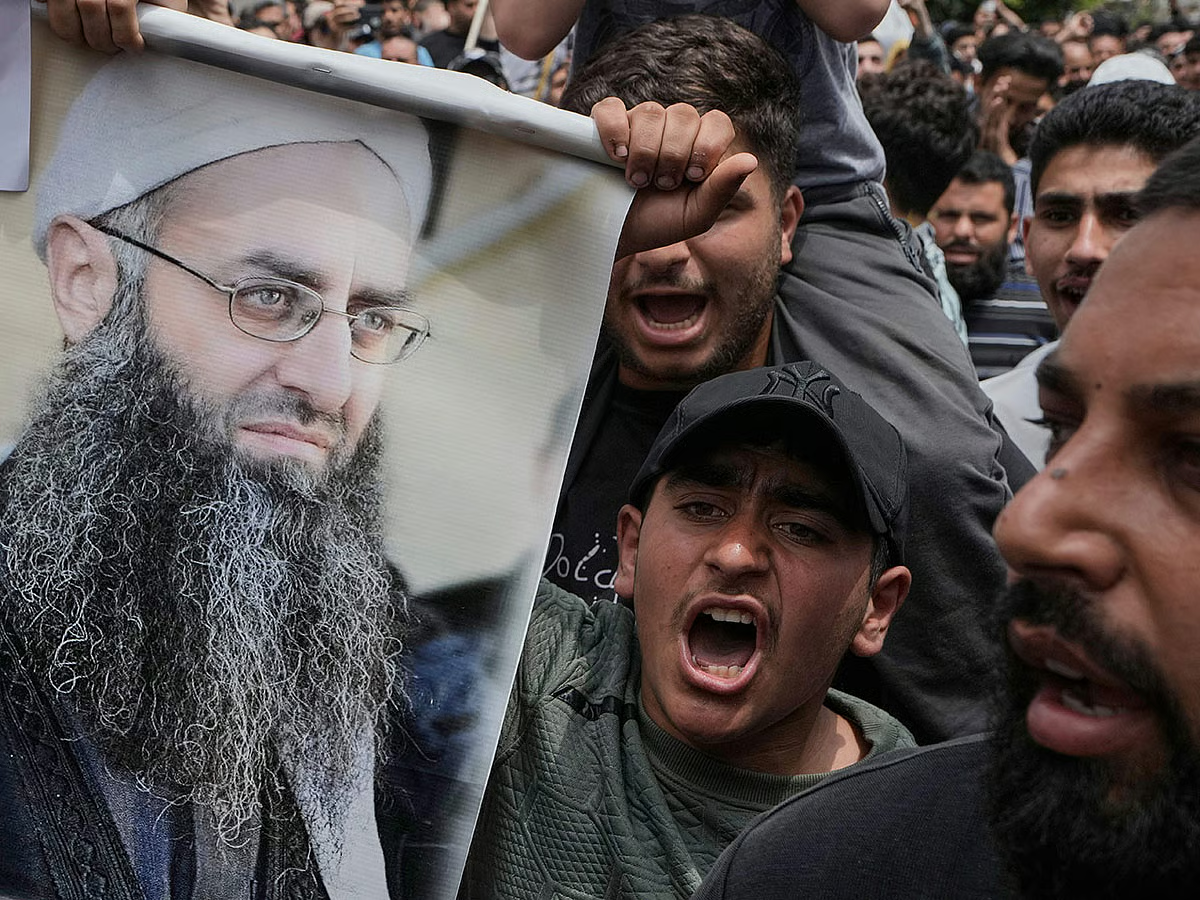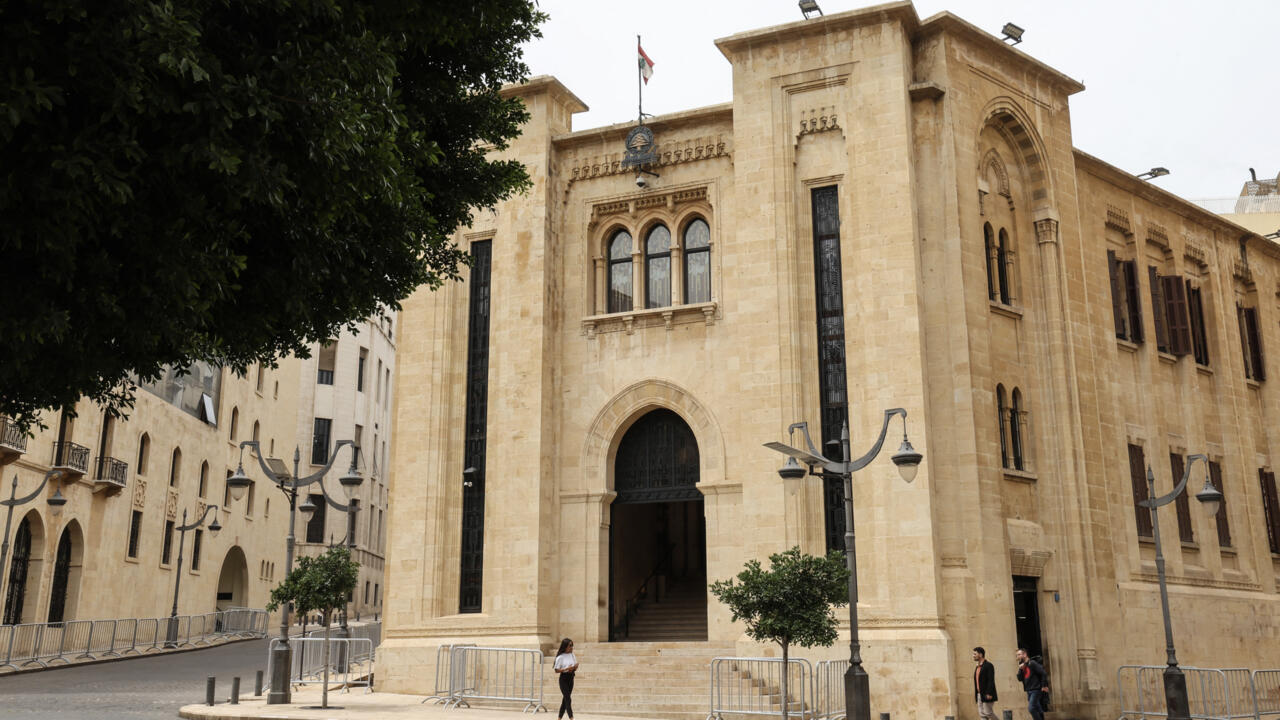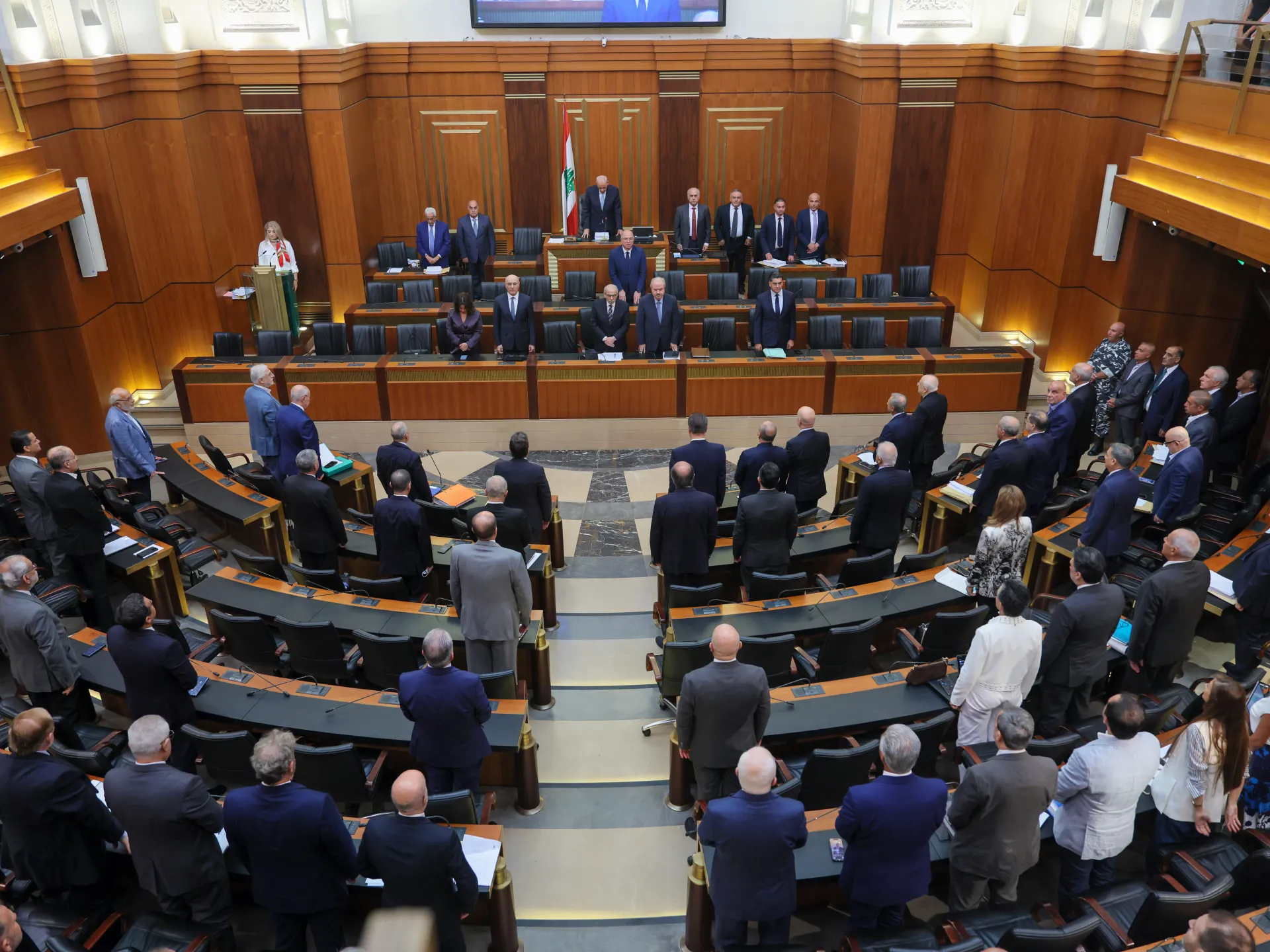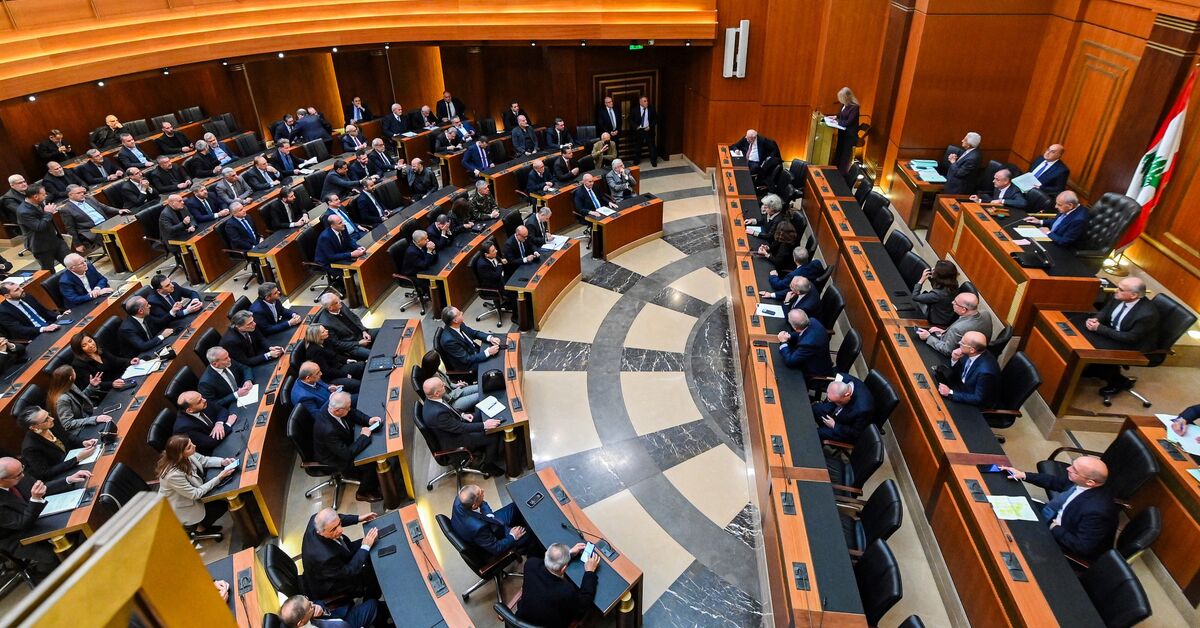
BEIRUT — Lebanon passed the highly controversial general amnesty law on Wednesday, the first of its kind since the end of the civil war in 1991.A majority of the 128-member parliament voted in favor of the bill, while all 13 lawmakers from the Shiite Hezbollah group and 12 from the parliamentary bloc of the Christian Free Patriotic Movement walked out of the session. They were joined by former FPM lawmakers Ibrahim Kanaan and Simon Abi Ramia.Thousands of prisoners could be released or have their sentences reduced under the new legislation.Imad Hout from the Sunni Islamist al-Jamaa al-Islamyia group, one of the lawmakers who endorsed the bill, said on Wednesday that some 79 Islamist detainees will be released from prison under the new law. “We will no longer accept the detention of anyone beyond the legal period for pretrial detention,” Hout added.Soon after the law was approved, a video widely circulated online of inmates in the notorious Roumieh Prison celebrating and chanting from their cells.The law, first introduced in April, is primarily meant to ease the severe overcrowding in Lebanon’s prisons. About 8,000 people are currently incarcerated in Lebanese prisons, 83% of them without trial, according to the Directorate of Prisons at the Ministry of Justice.In its 2025 annual report, the National Human Rights Commission found that Lebanese prisons held three times their capacity.Who will benefit from amnesty?Several amendments had been introduced to the bill since it was first tabled in April. Those imprisoned for life would see their sentences reduced to 17 years, equivalent to 12 years and nine months in Lebanon, where a prison year is calculated as nine months. Death sentences would be commuted in the same terms.The law excludes a wide range of serious offenses from amnesty. They include intentional or premeditated murder of civilians or military personnel, cases involving national security and political assassinations and major drug crimes involving repeat offenses or multiple convictions. It also bars crimes of treason, espionage and contact with Israel as well as offenses involving corruption and the destruction of public property or misuse of public funds.ControversyAnother controversial facet of the amnesty law revolves around the possible release of Islamist detainees accused of killing military personnel.Among them is Ahmed al-Assir, a Salafist sheikh sentenced to death over the killing of 18 Lebanese soldiers in Sidon during the 2013 Abra clashes.Assir was arrested in 2015 and sentenced to death in 2017. Under the new law, he would not be released, but his sentence would be reduced.Commenting on Assir’s case, Sunni lawmaker Nabil Badr said at the parliament on Wednesday, “We go to the military court and do our work to try to reduce his sentence as well, and it may reach the point where he gets out in less than a year and a half.”Celebrations erupted in Sunni-majority Tripoli.مواطنون يوزّعون البقلاوة في طرابلس احتفالًا بإقرار قانون العفو العام pic.twitter.com/X9kkIhLgB3— bintjbeil.org (@bintjbeilnews) August 12, 2026
Who benefits from Lebanon’s amnesty law and why it is controversial
The law, initially intended to ease prison overcrowding, could see the release of Islamists accused of killing soldiers and allow Lebanese exiled to Israel return to the country.
790 words~4 min read