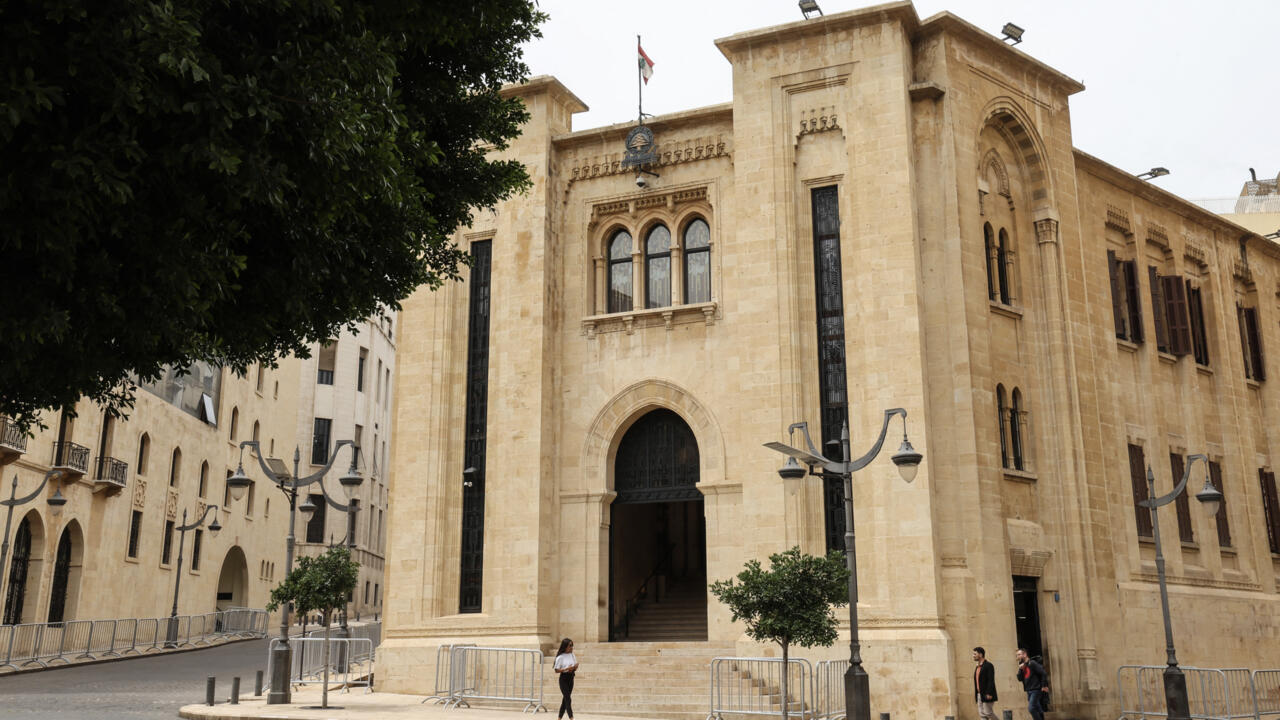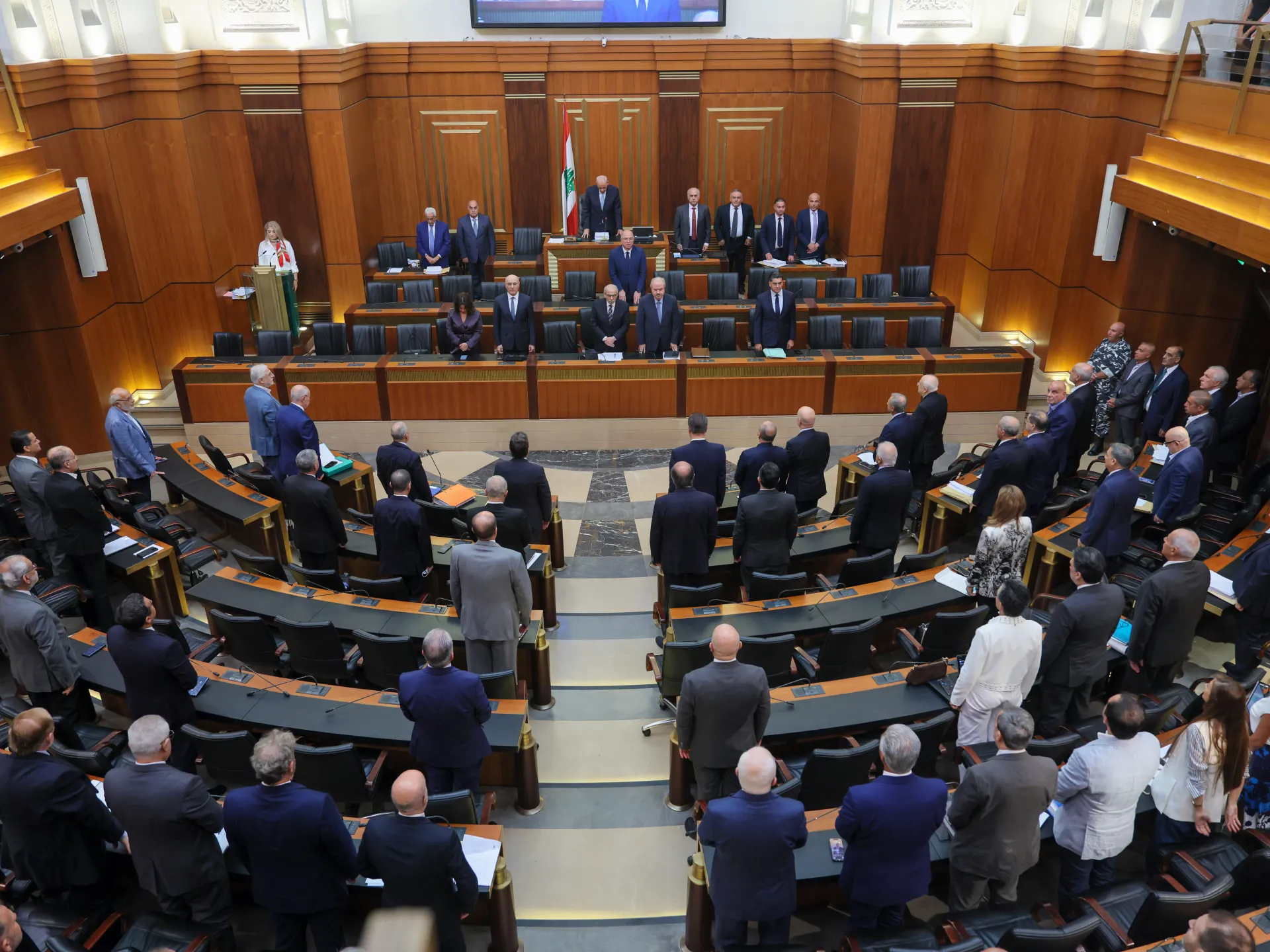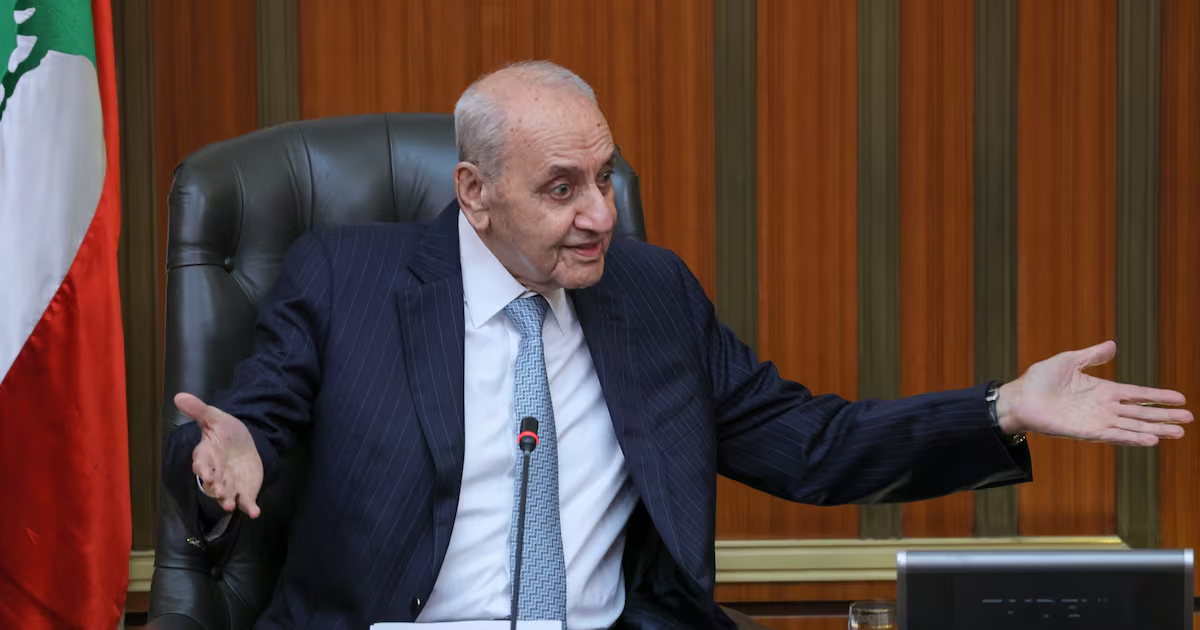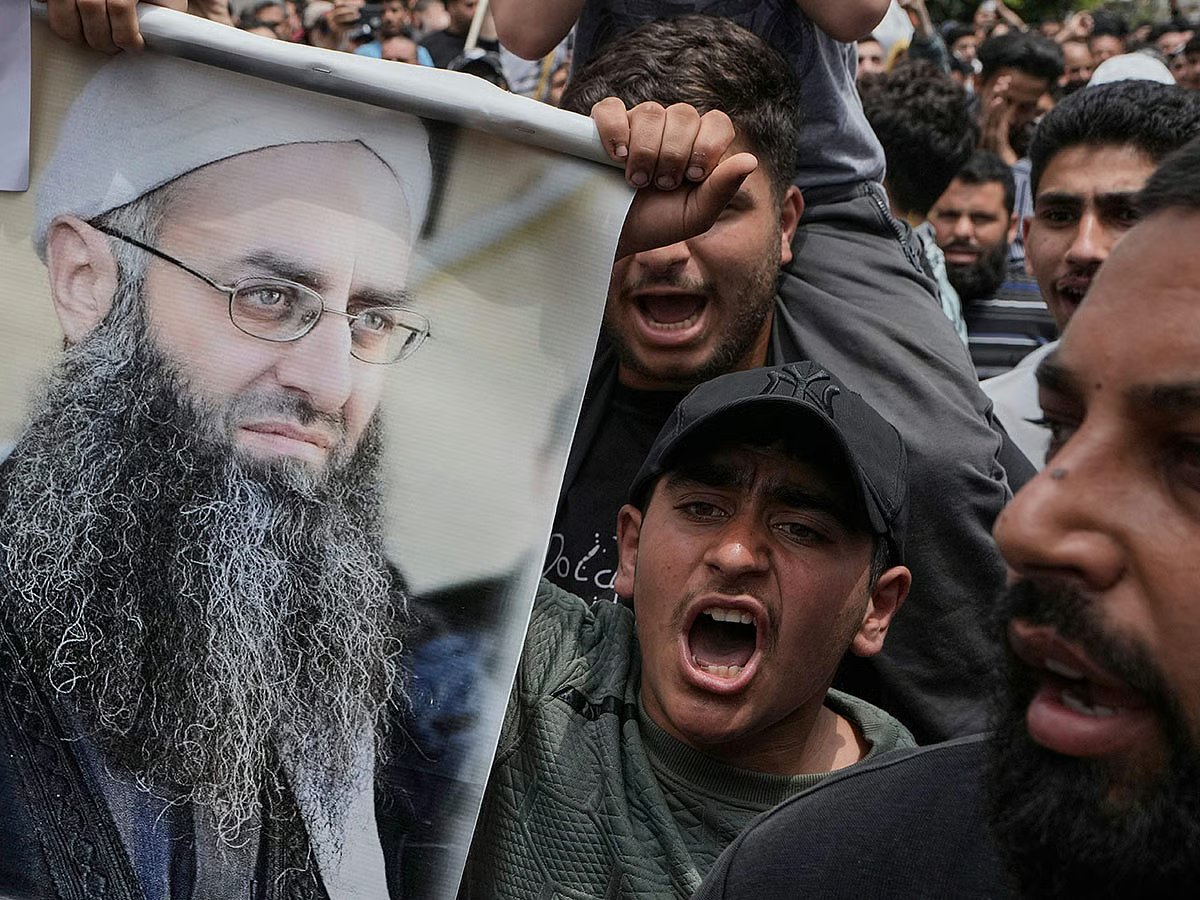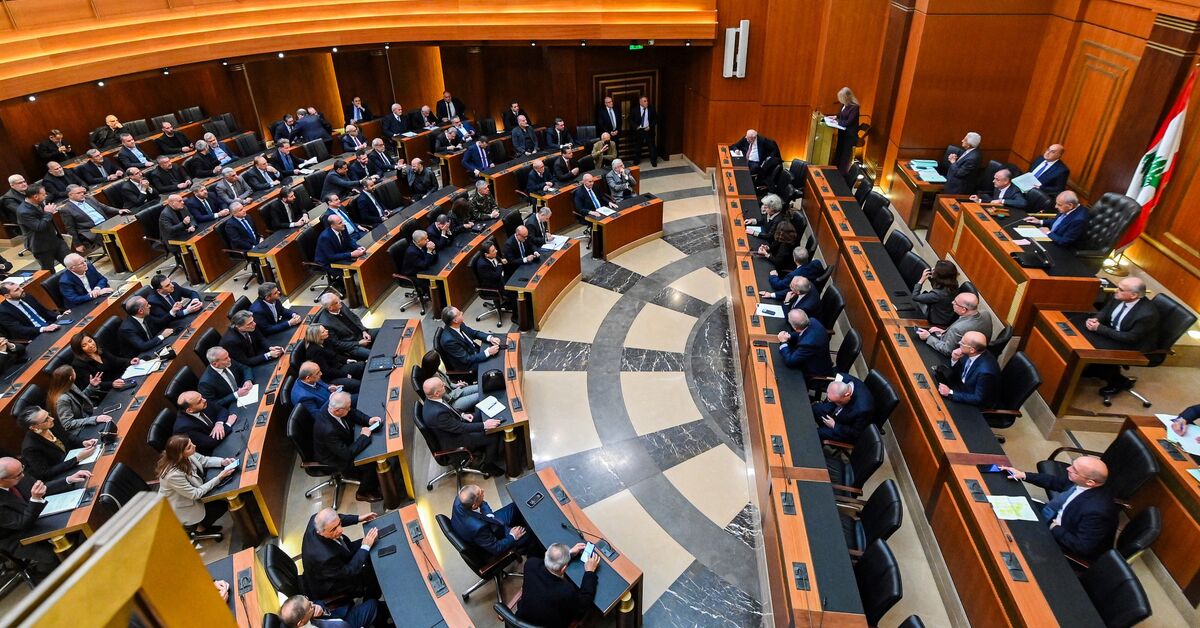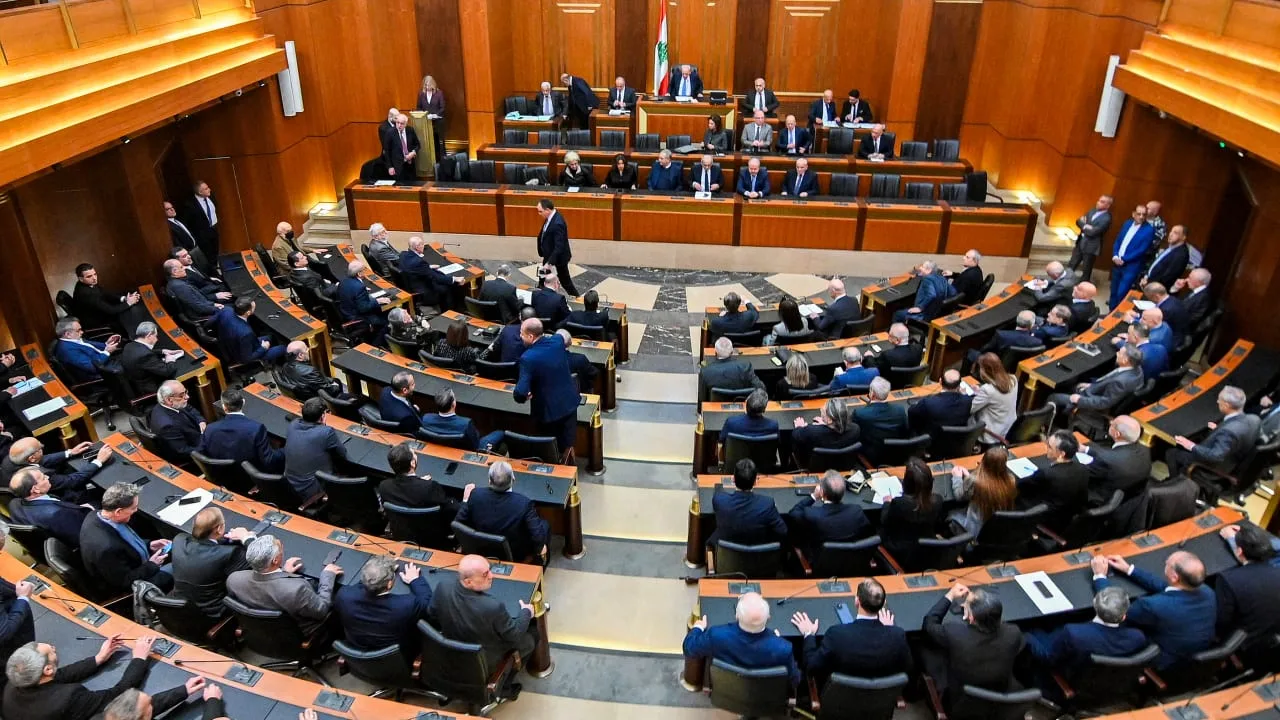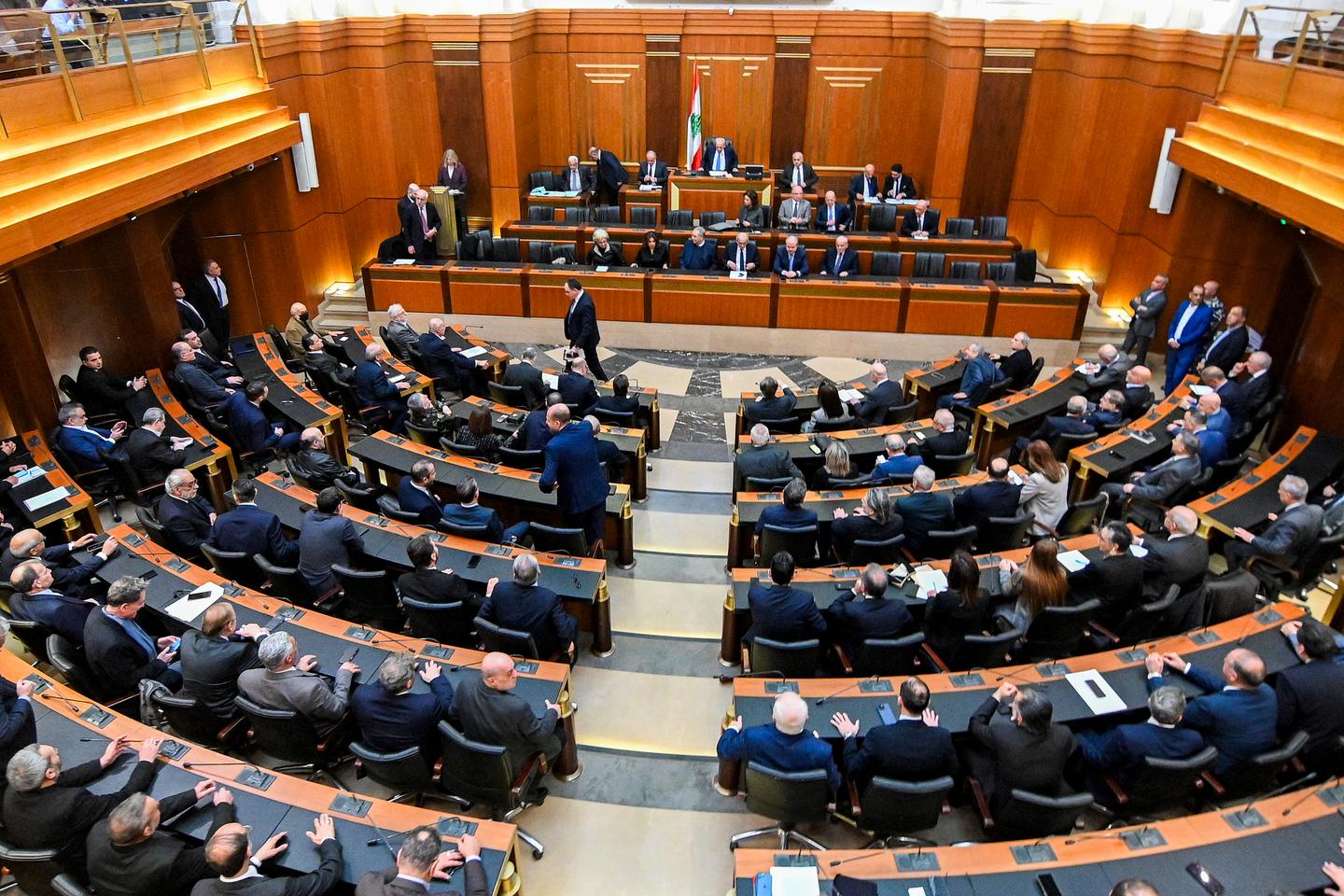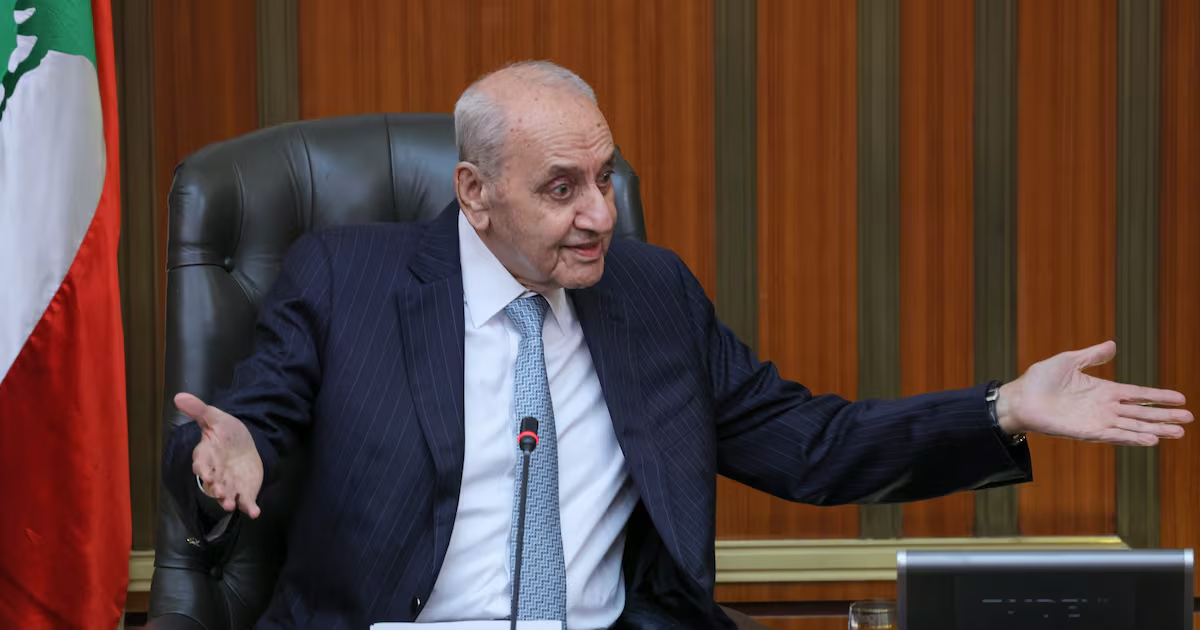
Lebanon’s parliament has passed a sweeping amnesty law expected to benefit thousands of prisoners facing long-term sentences. The first amnesty bill since 1991 applies to those who committed crimes before March this year, with some exceptions – including people convicted of murder.The office of parliamentary speaker Nabih Berri on Wednesday announced the “approval of a draft law aimed at granting a general amnesty and exceptionally reducing the terms of certain sentences”. Long a topic of debate, this reform had been demanded by multiple political factions. Separate legislation was adopted on Tuesday to scrap the death penalty, making Lebanon the first regional country to take such a measure.The latest legislation is largely aimed at easing overcrowding in Lebanon’s 25 prisons and detention centres by releasing 2,000 of the 8,400-8,500 inmates, of whom 80-83 per cent are awaiting trial, some for as long as 12 years. Syrians and Palestinians make up nearly 50 per cent of the prison population. The overall capacity is between 3,500 and 4,760 inmates.Critics claim the bill has been produced by bargaining among sectarian groups and maintains a system of impunity. This was facilitated by the power-sharing system adopted by Lebanon at the time of independence from France in 1943. Nizar Saghieh, the head of non-governmental group Legal Agenda, said the bill allows “for each political group to take its share of the cake”. “Amnesty has become the principle and accountability the exception,” Saghieh told the French news agency AFP, warning that vagueness over defining crimes could prompt legal disputes.Murder and “acts of terrorism” against civilians, soldiers, and Lebanon’s security forces will not receive an amnesty. However, sentences for these crimes could be reduced, which experts and lawmakers claim could benefit militant Muslims. Pro-bill deputy Imad al-Hout said the legislation reduces to 17 “prison years” sentences for those awarded the death penalty and life imprisonment. This amounts to 12 years and nine months, as a “prison year” generally counts as nine months. Al-Hout added that 79 militant Muslim detainees or convicts out of a total of 146 were expected to be freed immediately under the law.The law excludes “crimes of treason, espionage and illicit ties with” Israel, although Saghieh said it could benefit families of people accused of acting as Israeli “agents”. It also excludes appropriation of public funds, corruption, illicit enrichment, financial and banking offences. Lebanon’s banks served as the regional banking centre until late 2019 when the Lebanese currency lost 98 per cent of its official value. Banks became insolvent and trapped the savings of millions, who can only withdraw fixed amounts every month. An International Monetary Fund recovery plan has stalled.
Thousands of prisoners in Lebanon jails to be released or have sentences reduced
One lawyer said the passing of a sweeping amnesty law had further eroded accountability for crimes
436 words~2 min read