On Aug. 17, China will mark the 100th anniversary of the birth of Jiang Zemin, the former Chinese Communist Party (CCP) general secretary who died in 2022 at the age of 96. In his day, he was officially described as the “core” of the third generation of Chinese leadership. Beijing has already launched a series of high-profile commemorative events.
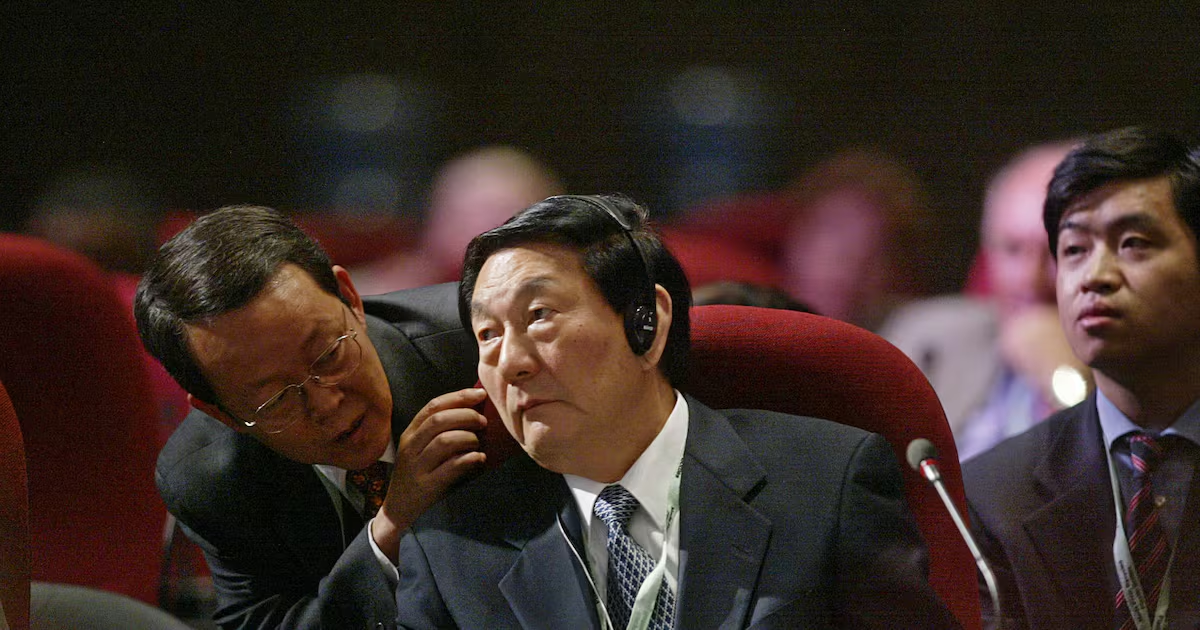
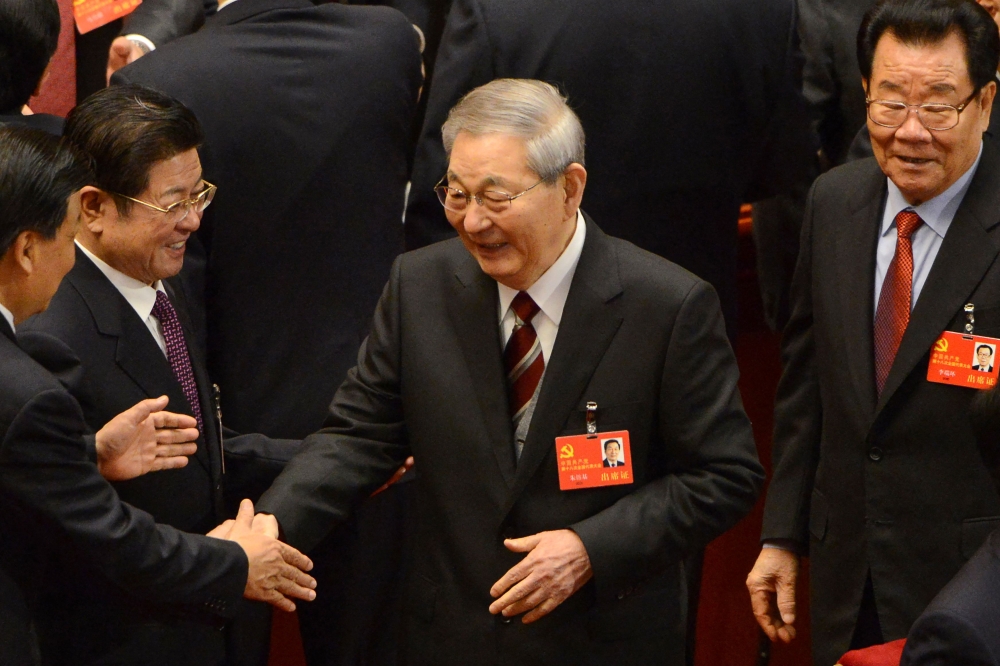
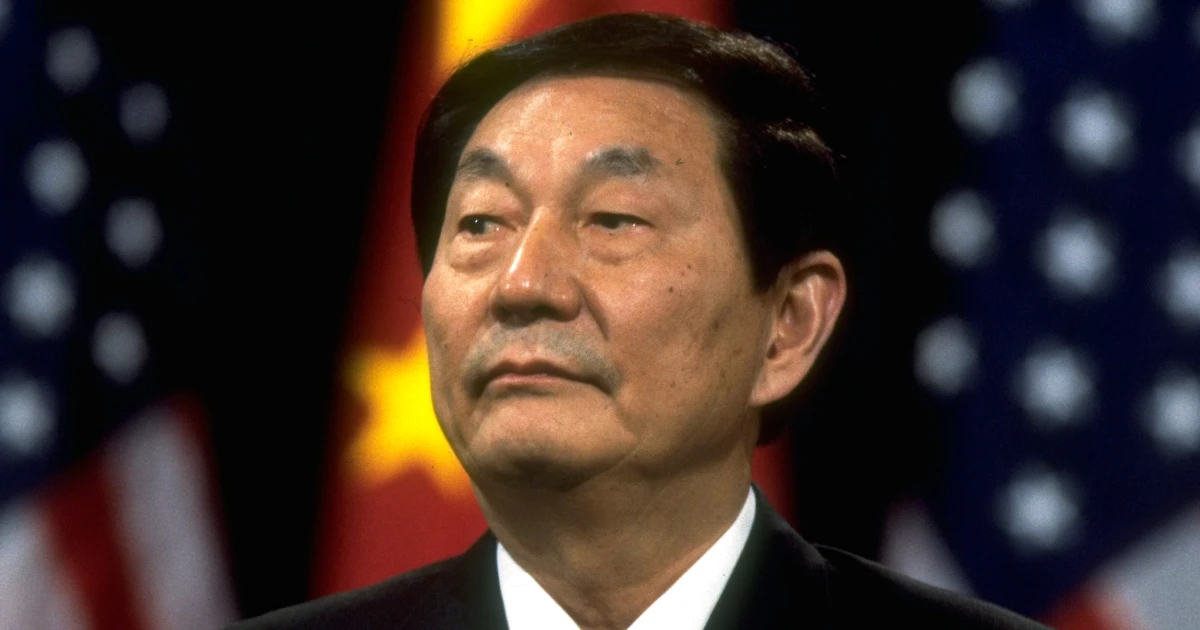
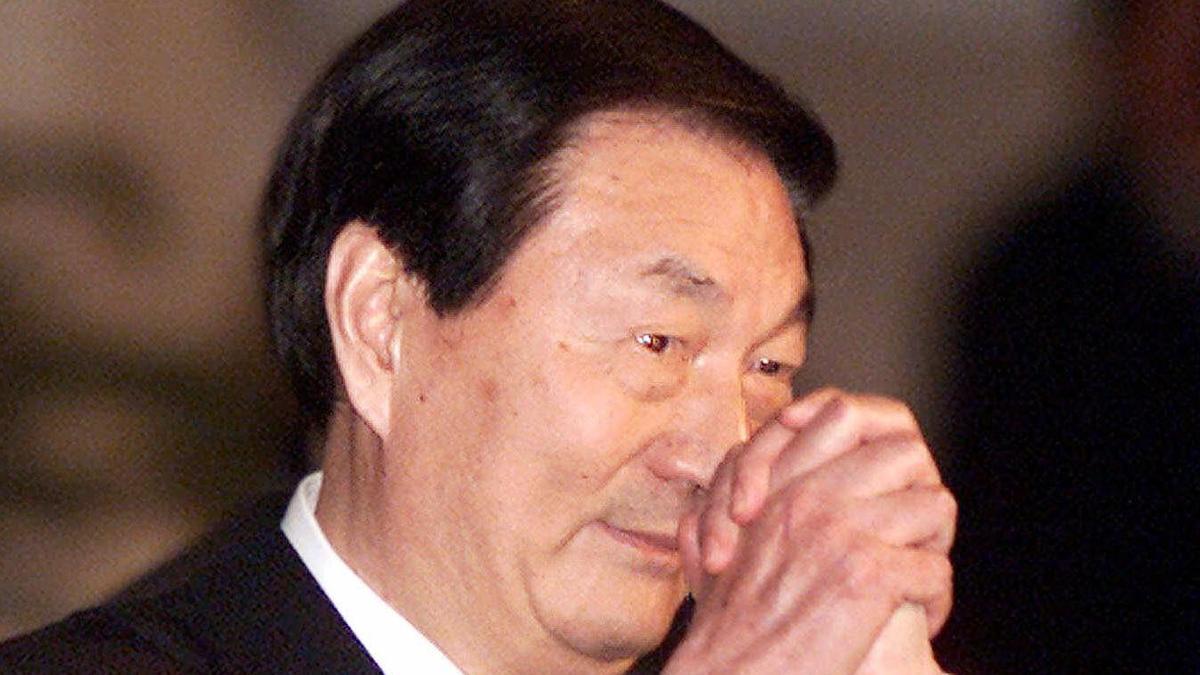
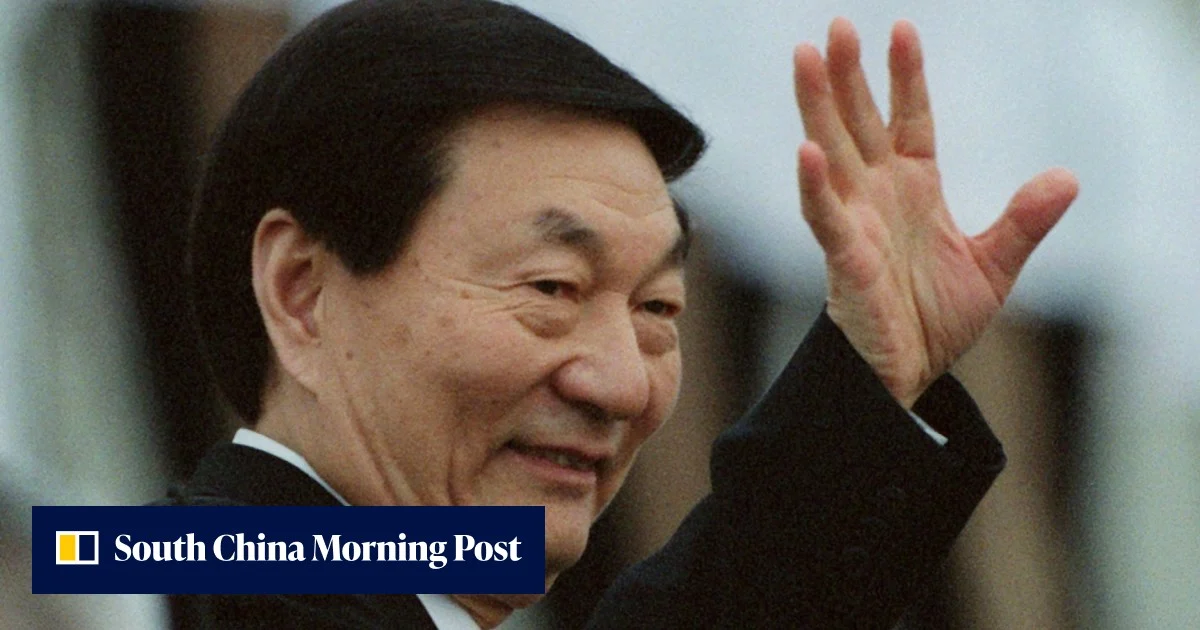
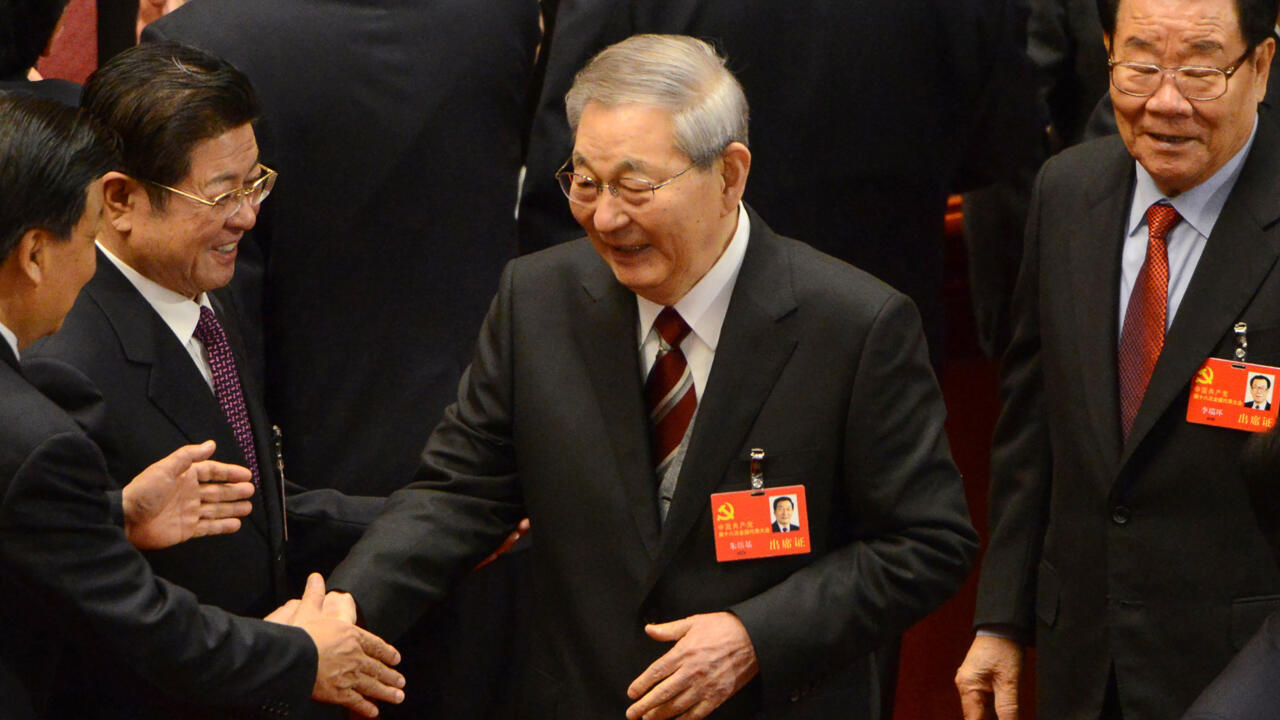
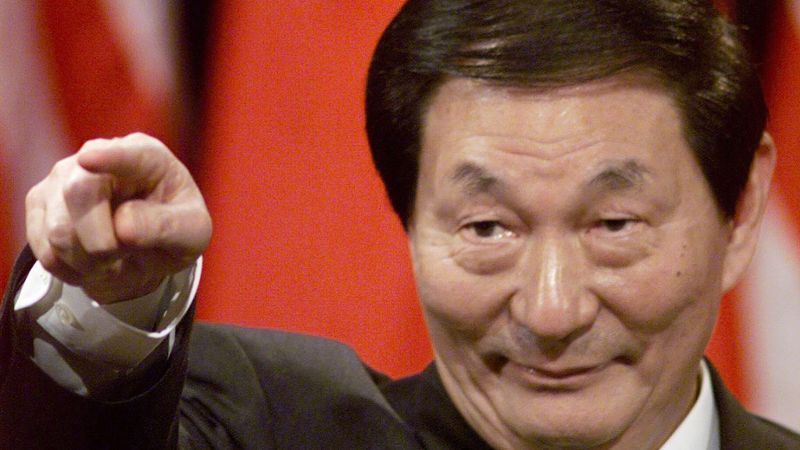
And now, Jiang’s partner in governance—Zhu Rongji—is gone as well, having died on Aug. 12 at the age of 97. The timing is only a coincidence, but it is being perceived as the definitive end to the era of breakneck reform that the two men came to represent.
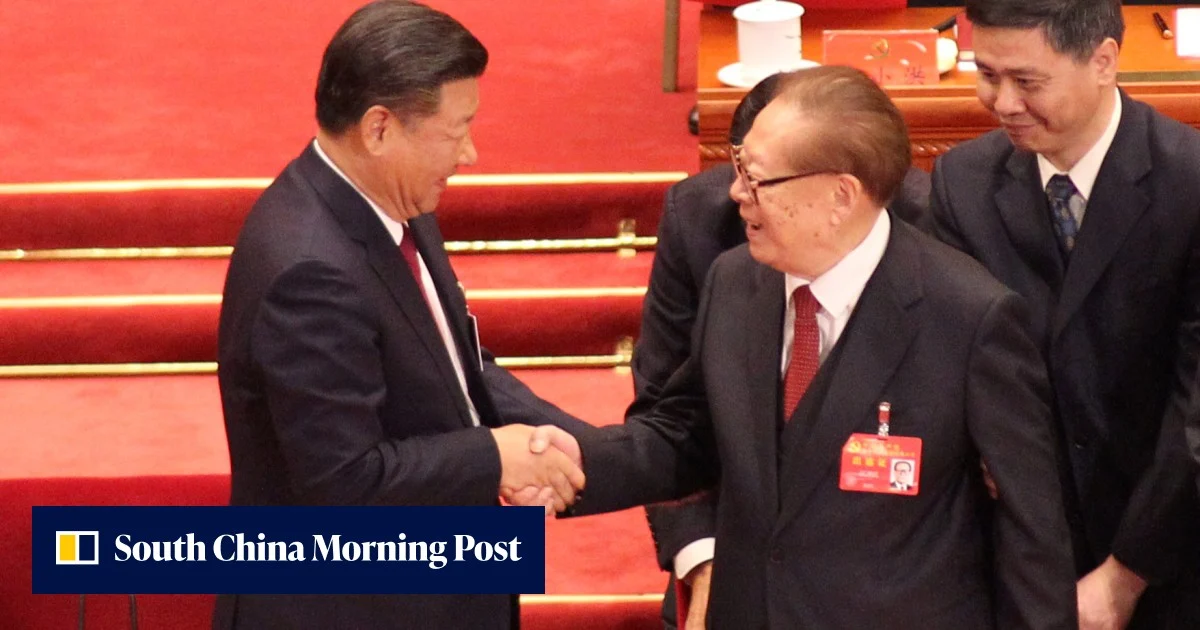
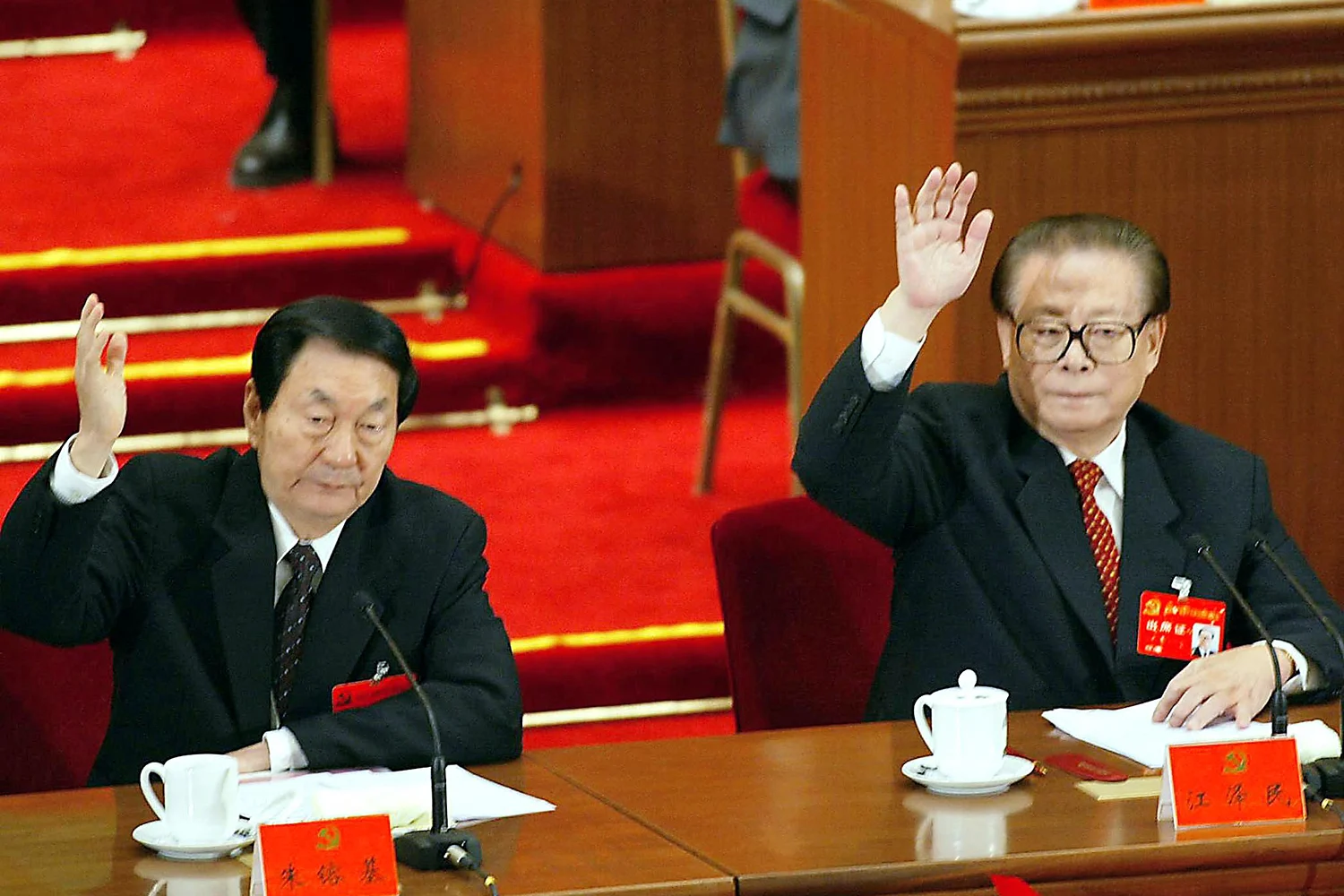
Jiang and Zhu were the “golden partnership” of the CCP’s third-generation leadership, which took power in the 1990s. Together, they presided over one of the most sweeping periods of reform in modern Chinese history.
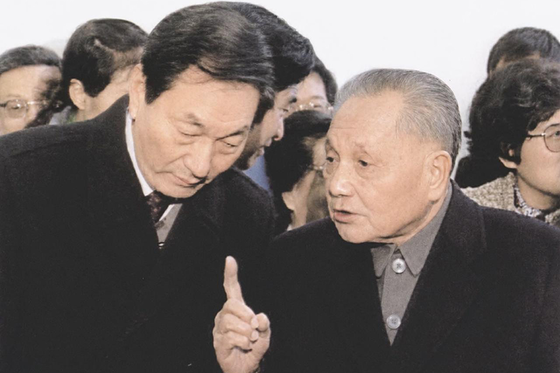
China’s reform did not begin with this pairing, however. Deng Xiaoping launched the reform era in 1979, and rural reform, special economic zones, price reform, and the emergence of the private economy all predated Jiang and Zhu’s work. But it was after Deng’s 1992 southern tour—and especially under Jiang and Zhu—that market-oriented reform moved from partial experimentation to the economic system as a whole, rapidly transforming China from a country still deeply shaped by the planned economy into one with the basic features of a market economy.