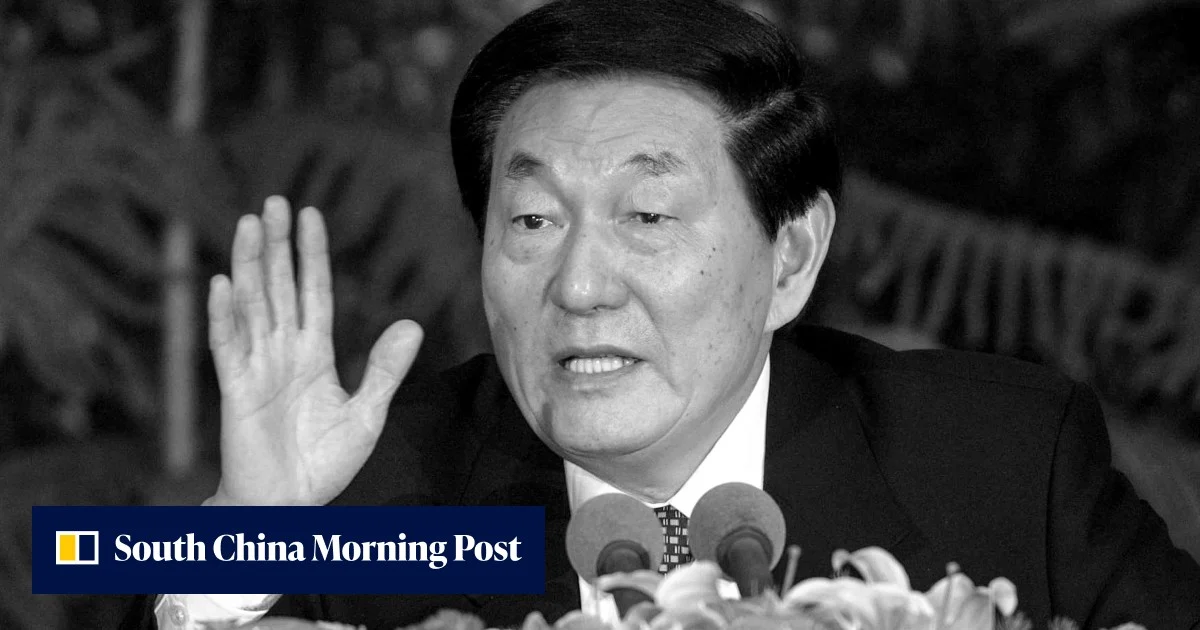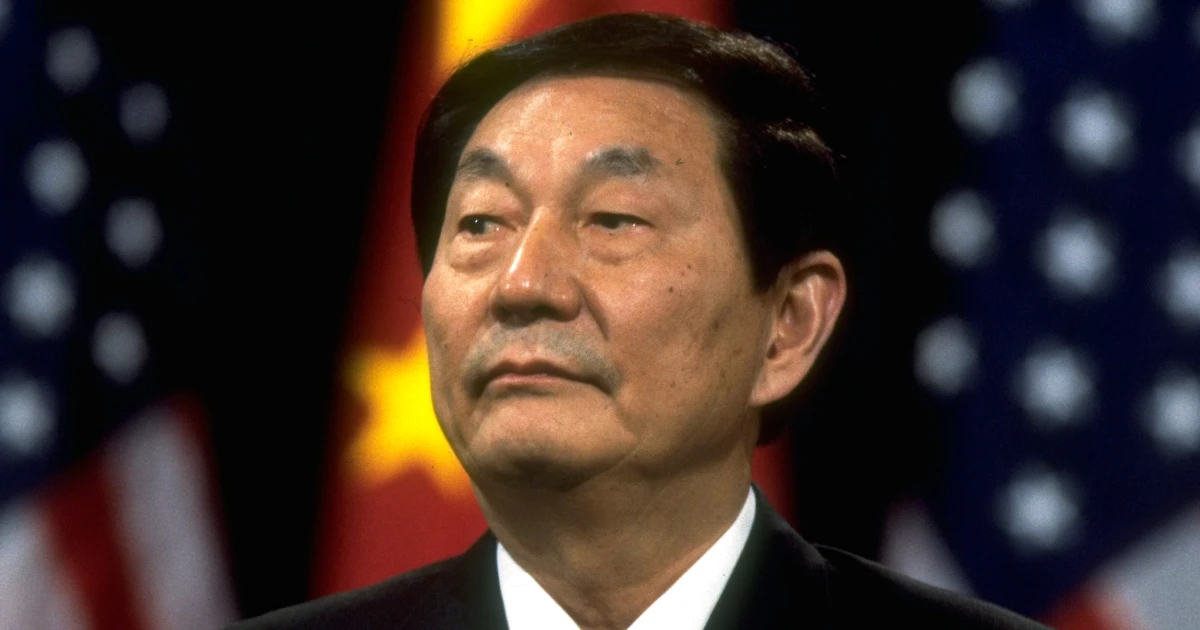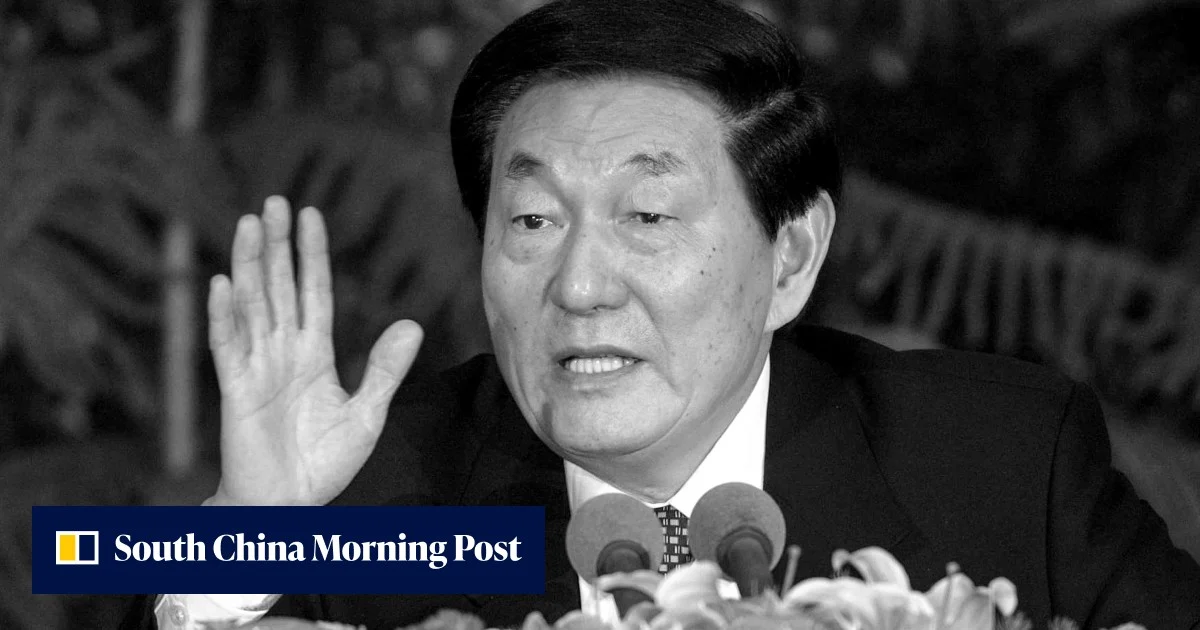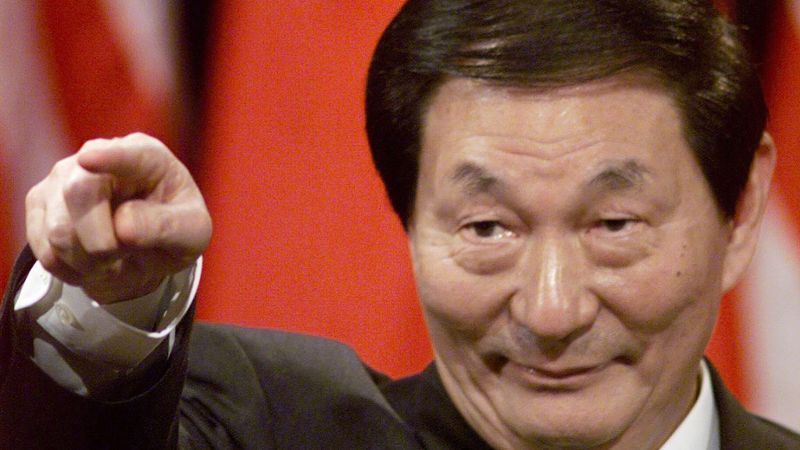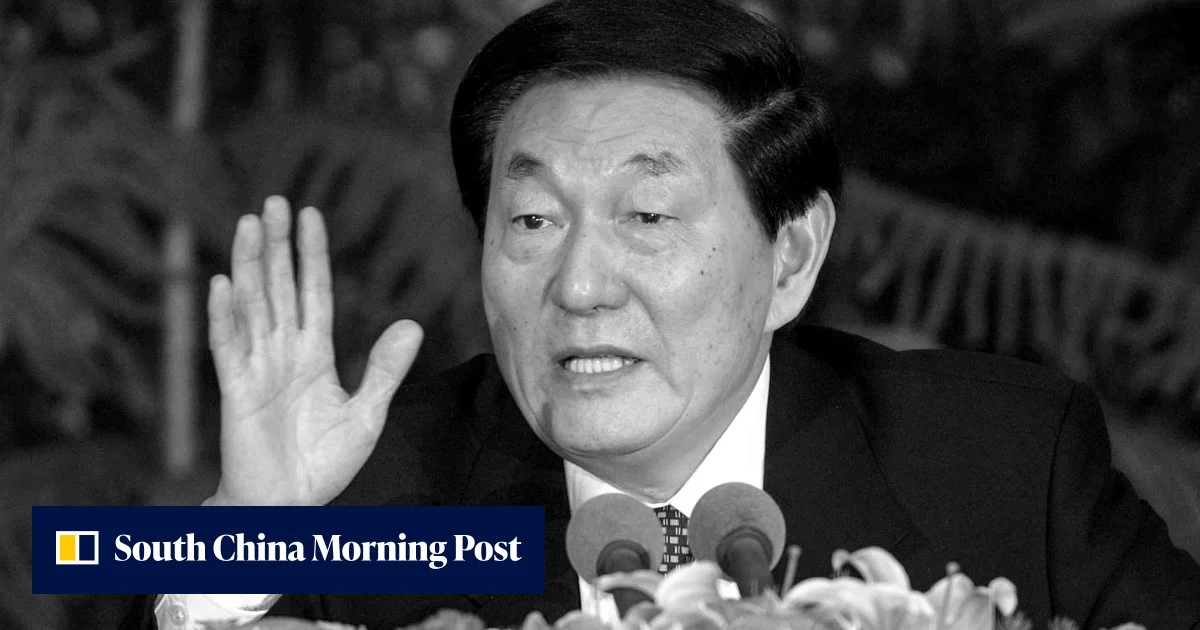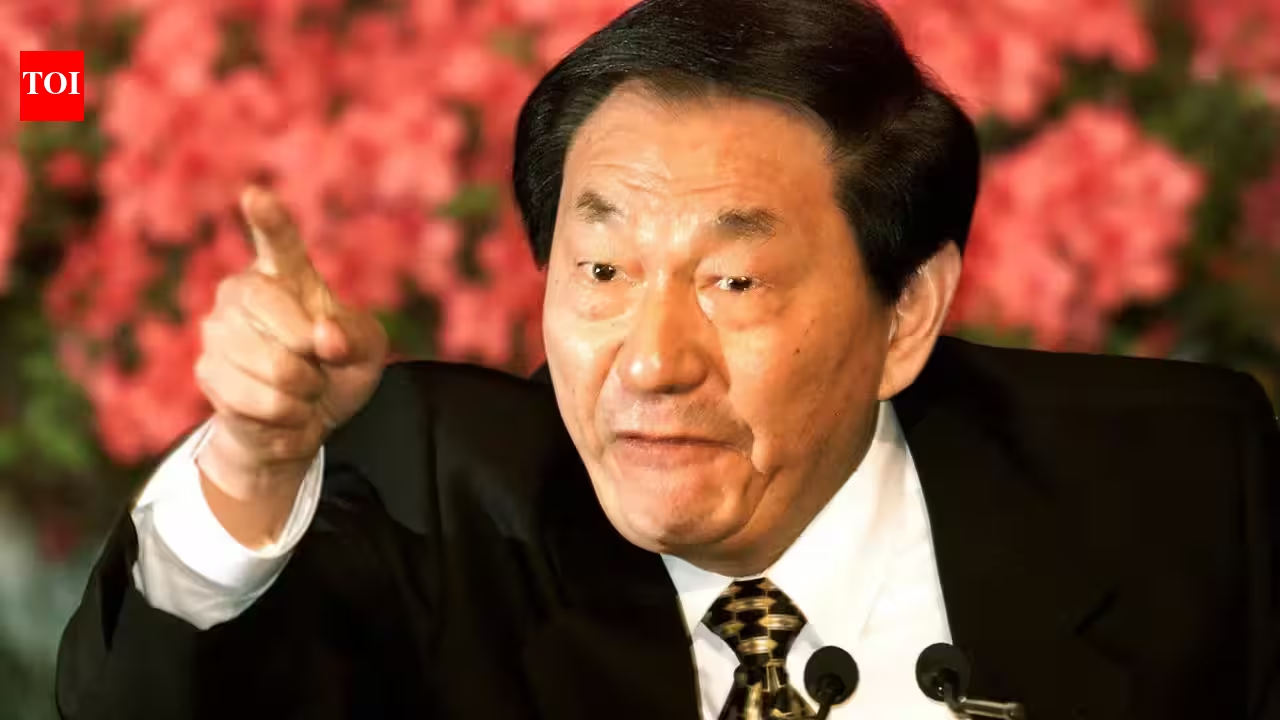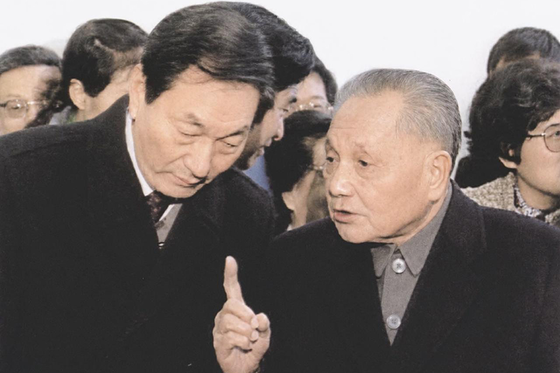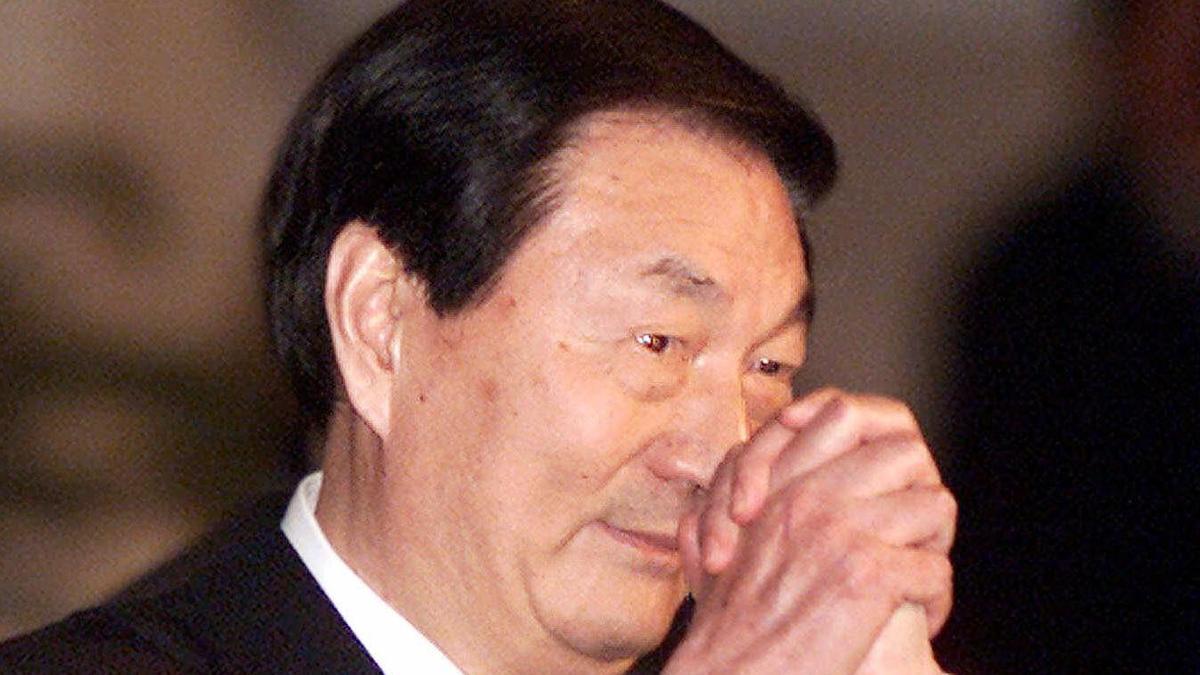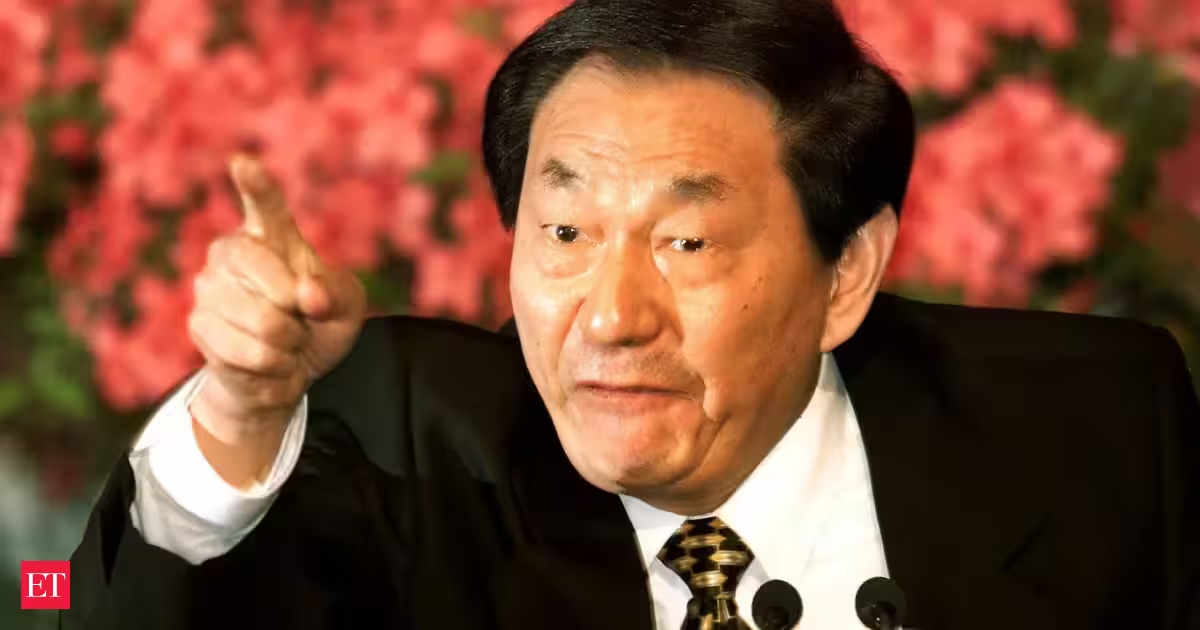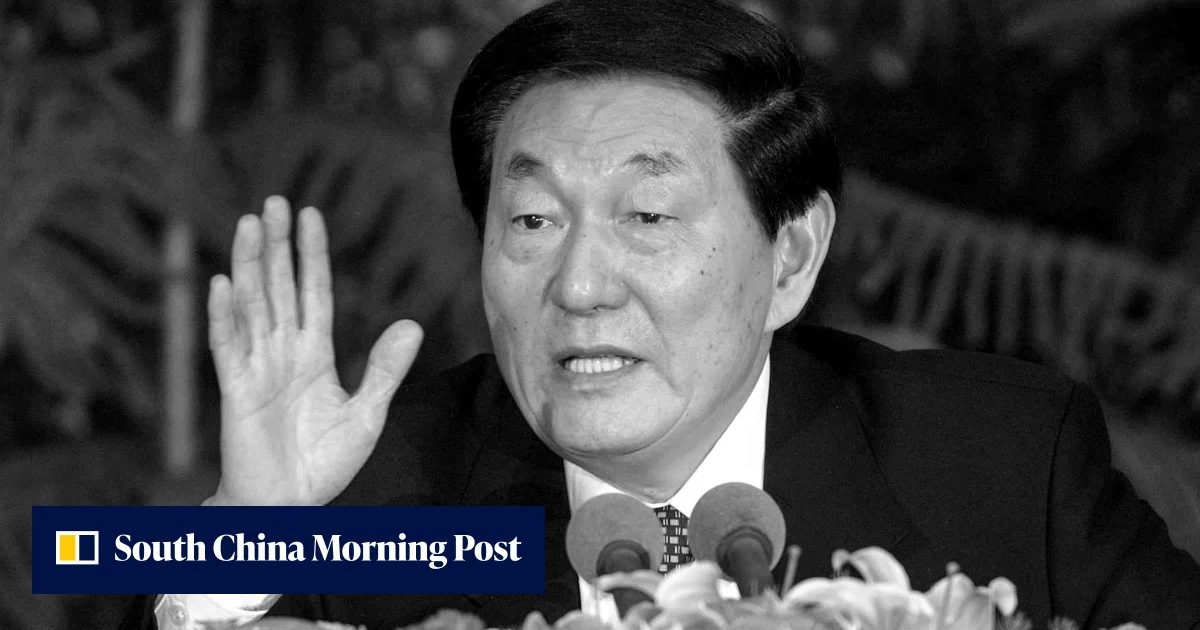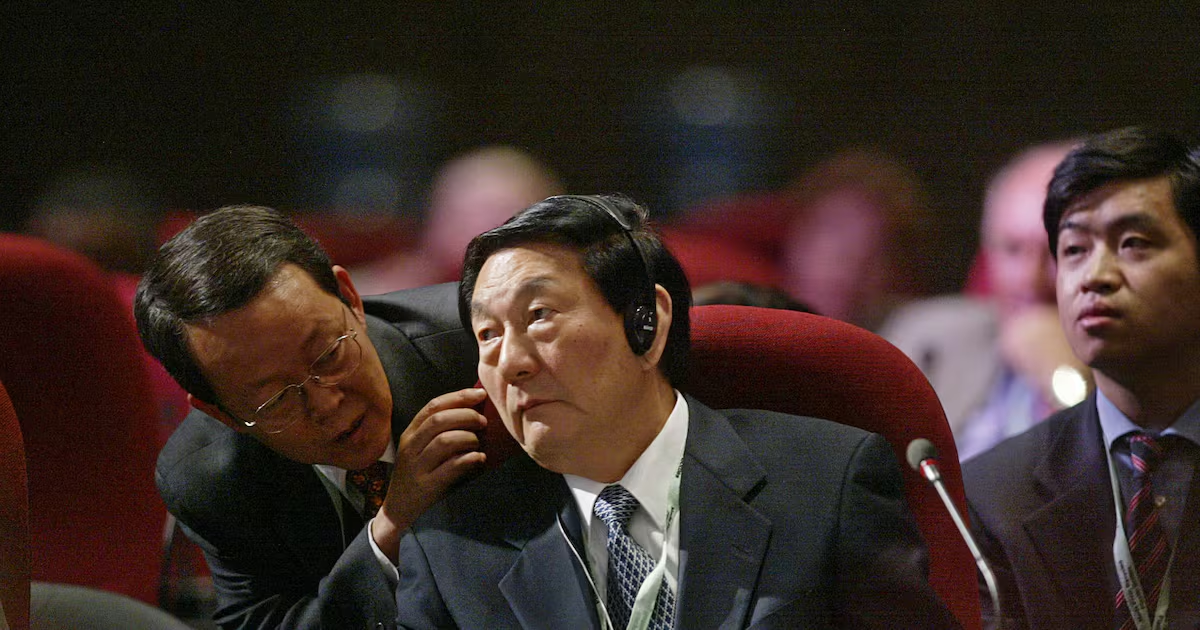
Zhu Rongji, one of the most consequential Chinese leaders after the Communist revolution in 1949, died on Wednesday, aged 97. Alongside Jiang Zemin, the president he served, he engineered China’s accession to the World Trade Organisation (WTO) in 2001 and laid the foundation for the country’s emergence as an economic superpower.Zhu served as premier of China from 1998 to 2003, a post that gave him overall responsibility for the economy. He was also a member of the Politburo Standing Committee, the summit of Chinese Communist Party power, from 1992 to 2002.He had the kind of personal charisma rarely seen at the pinnacle of Chinese power, where colourless rhetoric and vague pronouncements are de rigueur. Many Chinese who lived through the years when “Boss Zhu” wielded power could quote his most pithy aphorisms.At his inaugural news conference as premier in 1998, he declared his manifesto for a new era of reform in words that many officials – and even some taxi drivers in small interior cities – had soon learned verbatim. “No matter what lies ahead, a minefield or an abyss, I will have no hesitations and will blaze my trail, devoting myself entirely to my people and my country until the last day of my life,” he said.Blunt, impatient and often caustic, he battled against corruption. One particular ill that fuelled his ire was “bean curd construction”, which referred to buildings so enfeebled by official embezzlement that they were liable to collapse. He made no apology for his flashes of public anger. “Yes, I bang tables and glare at people. If I can’t glare, I might as well be a vegetable,” he told a press conference. “I want to intimidate corrupt officials.”Although it was Zhu’s personal style that often attracted attention, his achievements in office left an important legacy for China and the wider world. His stewardship of economic reform began in 1993 when he was appointed vice-premier and governor of the central bank.“All the nuts and bolts of the so-called market economy, those reforms were done at that time in the mid-1990s,” said Tao Wang, chief China economist at UBS Investment Bank and a former IMF economist and author of a book called Making Sense of China’s Economy.China’s accession to the WTO in 2001, which gave it preferential access to the global trading system, resulted in the exponential growth of Chinese trade with the world. In 2001, China’s total trade with the world amounted to $510 billion. By the end of 2025, it stood at $6.5 trillion.But the path to WTO membership was by no means smooth. A crucial precursor to China’s entry was several years of bruising reform to a vast, often inefficient but politically powerful state-owned enterprise sector. Zhu pushed local governments to close or privatise underperforming state companies, while also overseeing the merging of larger corporations to consolidate their strength.This policy, known as “grasp the large, release the small”, resulted in an upsurge in competitiveness that ultimately allowed the economy to flourish. But it came at a heavy cost: the number of people employed by state-owned enterprises fell from 77 million in 1995 to 42 million at the end of Zhu’s term in 2003, according to a paper by Andrew Batson, an economist.Zhu also paid a heavy political price for the way in which the WTO negotiations unfolded. He visited Washington in 1999 during a low ebb in the talks and made a strong offer that was intended to reinvigorate momentum. Zhu Rongji with then US president Bill Clinton at the White House in April 1999. Photograph: Pool/Getty Images But then-US president Bill Clinton rejected the proposal and then leaked its specific terms, triggering a backlash in Beijing from officials who complained Zhu had offered too many concessions. Zhu had no option but to perform a Maoist “self-criticism” in front of his colleagues to show his contrition, Chinese official sources have said.Zhu was born in Changsha in Hunan province on October 23rd, 1928. He graduated from the prestigious Tsinghua University, where he studied electrical engineering, and secured a coveted job in the State Planning Commission straight after graduation. But his career was derailed during the chaotic years of Mao Zedong’s rule, and he had to endure two separate spells of “re-education” working alongside peasant farmers in the countryside during the Cultural Revolution (1966-76).He bounced back and by the late 1980s he was mayor of Shanghai, the bustling metropolis on the eastern seaboard that was leading a charge towards economic modernisation. When pro-democracy protests swept China in the spring of 1989, Shanghai stood out for its relatively tolerant stance. Unlike in Beijing, where the People’s Liberation Army turned its guns on protesters around Tiananmen Square, Shanghai authorities found peaceful means to end the demonstrations. That won Zhu and his boss, Jiang Zemin, kudos within the system that assisted in their elevation to the national government in Beijing.Among other initiatives he undertook in Shanghai, he promoted a plan for the development of what was then a strip of largely flat and featureless land on the banks of the Huangpu river into what is today Pudong, the city’s business and financial centre. In physical terms, the glittering skyscraper skyline of Pudong is probably Zhu’s most tangible legacy.Zhu also had to navigate profound disagreements with Jiang.That included a split at the very top of the party over how to handle the now-banned Falun Gong after 10,000 of the group’s followers in April 1999 orchestrated a protest outside Zhongnanhai, the party leadership compound bordering Tiananmen Square and the Forbidden City. Zhu, according to some accounts, initially took a conciliatory approach, but he was overruled by Jiang and the group was repressed.Towards the end of his time as premier, he worried about rising inequality and the plight of hundreds of millions of poor Chinese in rural and urban areas who were being left behind as Jiang pursued even quicker growth.On politics, despite his cosmopolitanism, Zhu was an “ardent nationalist” who “flatly rejected” the relevance of liberal democracy to China, say American historians Orville Schell and John Delury in their book Wealth and Power.“He had been born before ‘liberation’ in 1949, and his worldview had been forged on the century-old anvil of victimisation and humiliation.” – Copyright The Financial Times Limited 2026
Zhu Rongji, reforming Chinese prime minister, dies aged 97
Alongside president Jiang Zemin, Zhu laid the foundation for the country’s leap to economic superpower
1,039 words~5 min read