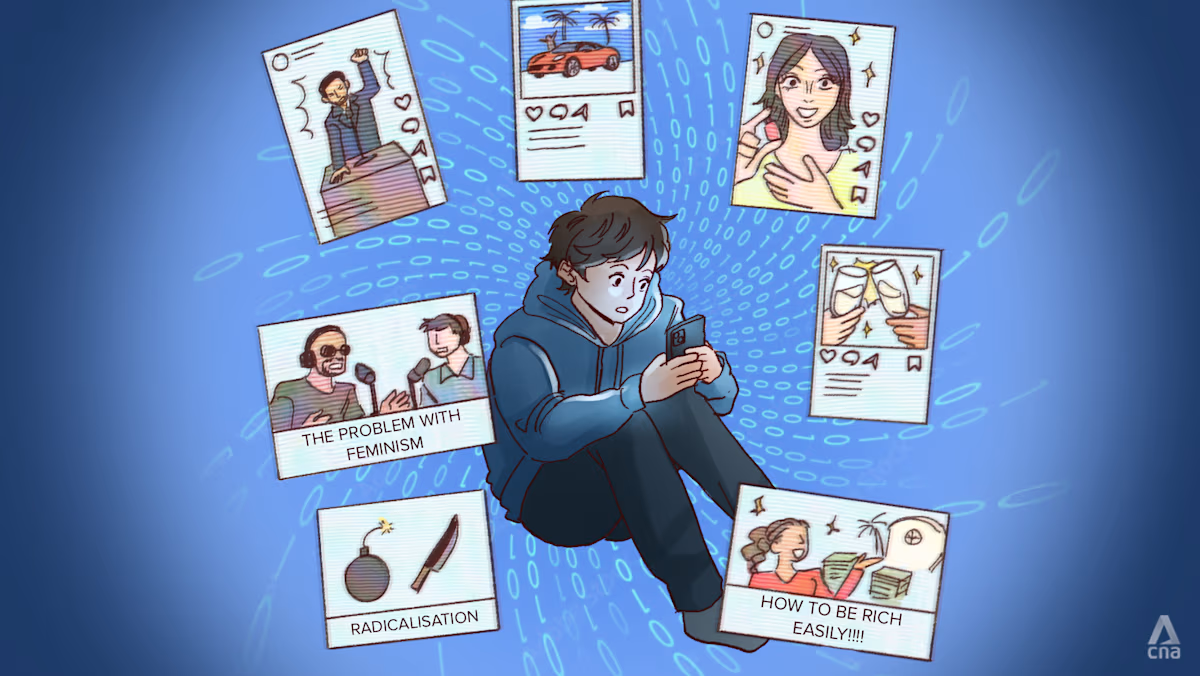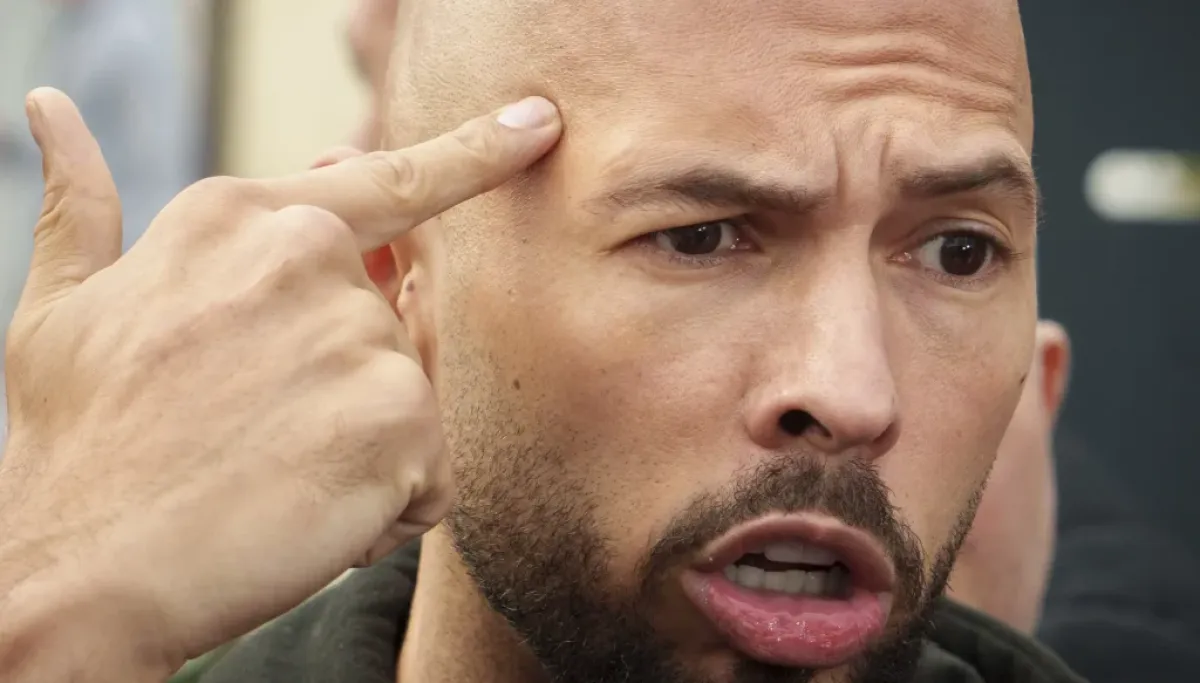
A new documentary, "Louis Theroux: Inside the Manosphere," hit number one on Netflix this spring, spotlighting the influencers who exploit young men and monetize their insecurity. One way they do this is through looksmaxxing apps.
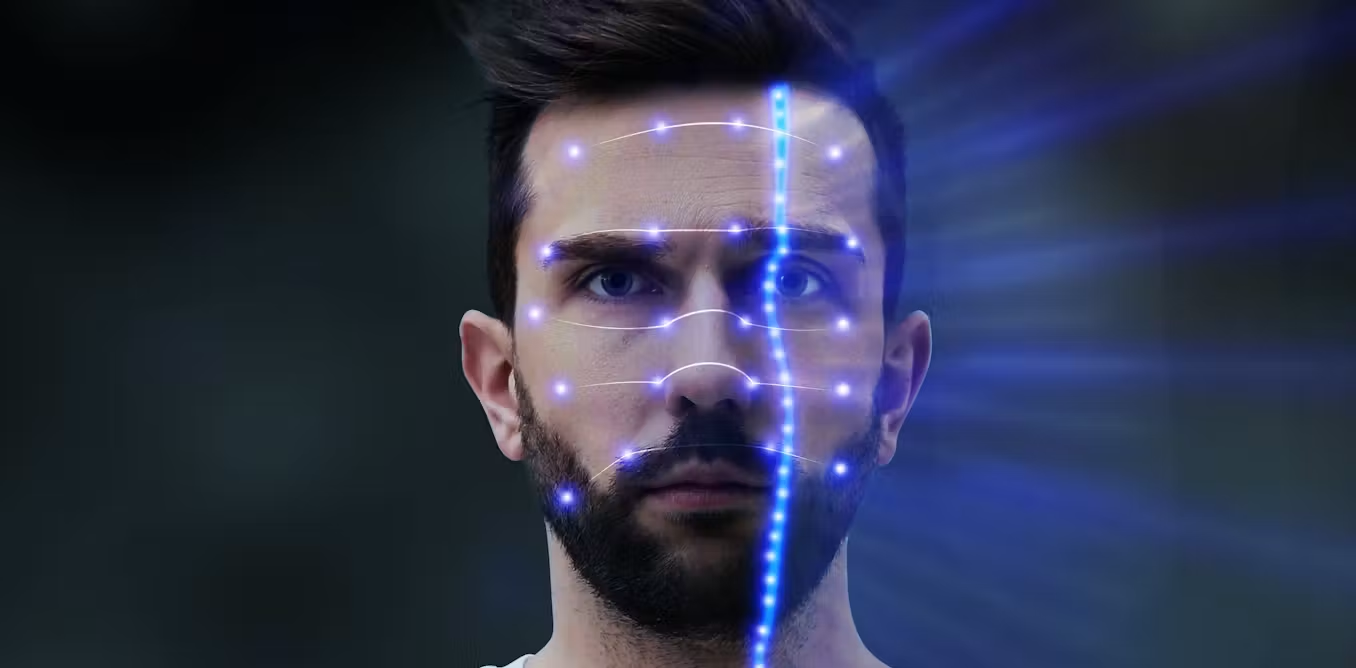
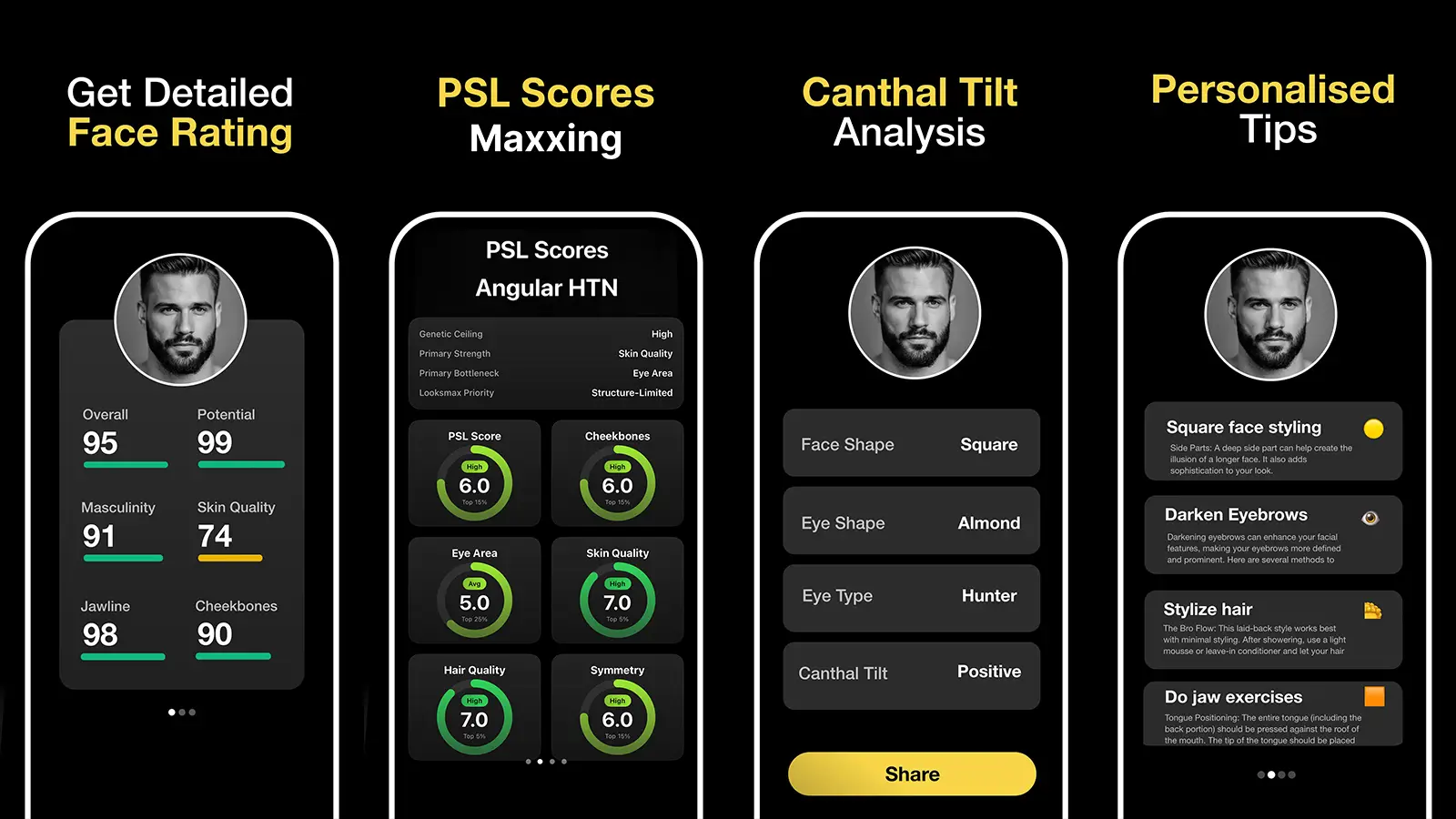
Imagine a 15-year-old taking a selfie. Seconds later, an artificial intelligence (AI) algorithm returns its verdict: 6.3 out of 10. Underneath, a list of repairs: improve your canthal tilt, sharpen your jawline, raise your facial harmony, increase your masculinity. He has just been told, by something that sounds like science, how far his face sits from "optimal."
What the app has done is quieter than an insult, and harder to argue with. It has taken the concept of attractiveness, an idea people have always disagreed over, and converted it into an objective measurement. A classmate who calls a kid ugly is being cruel; an app that scores him 6.3 is being, apparently, scientific.
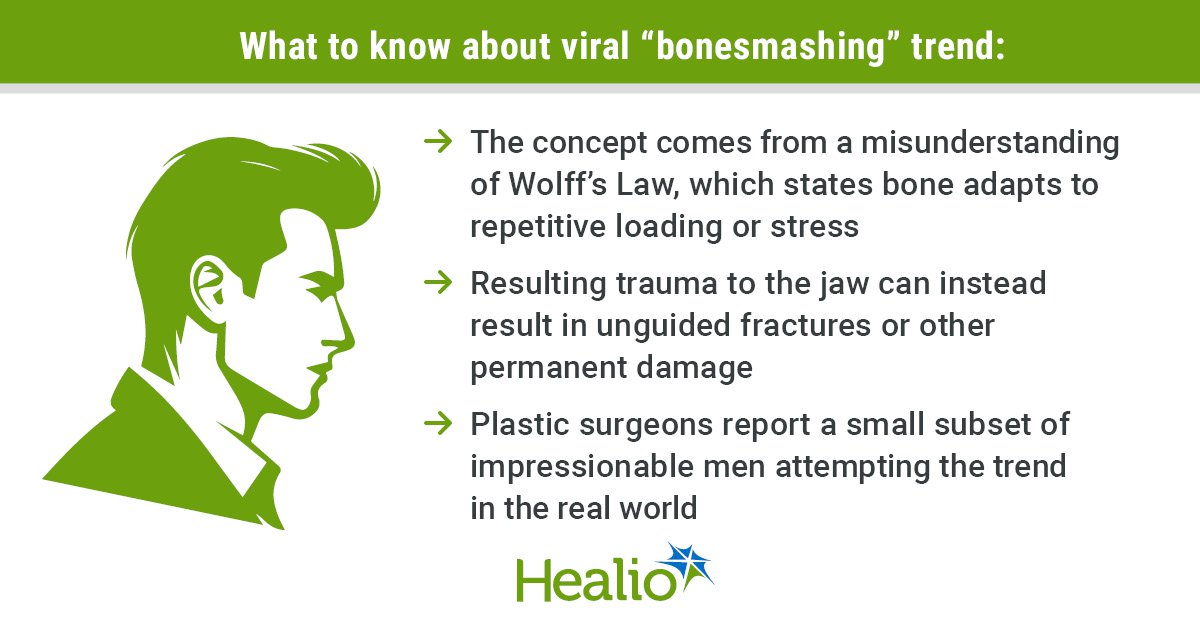
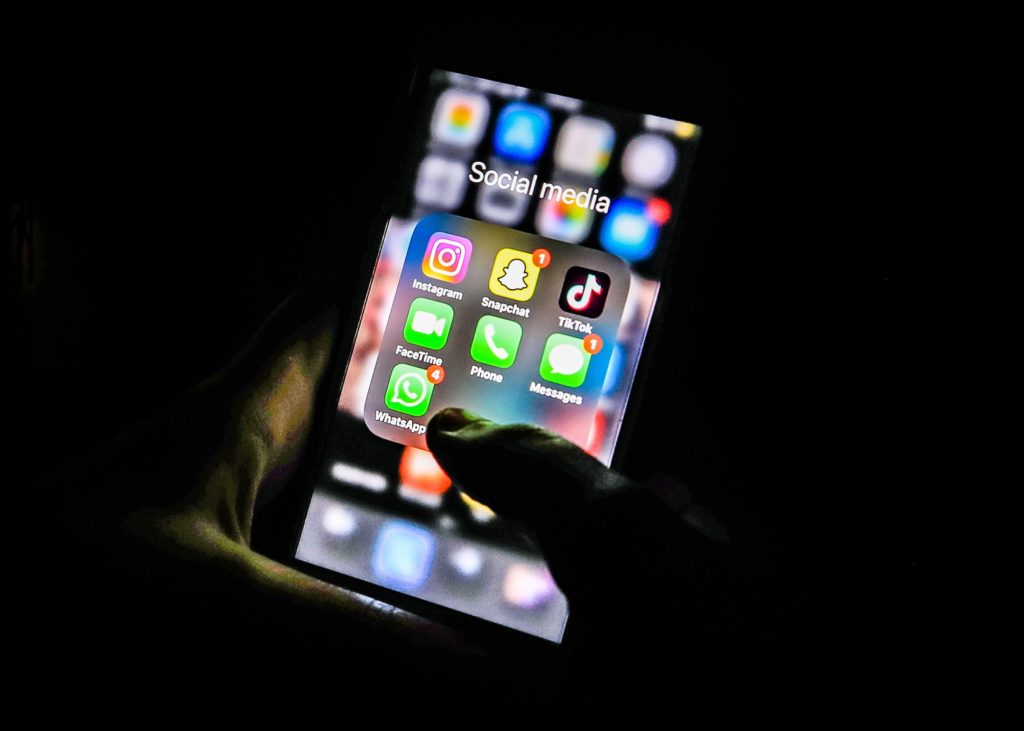
These apps are part of a booming looksmaxxing economy with a following of largely teenage boys. One of them, Umax, was downloaded an estimated 200,000 times in a single month. The trend is alarming enough that clinicians have begun warning about its health effects. Psychiatry professor Gene Beresin, MD, says he has seen a spike in adolescent boys whose preoccupation with their looks leads to significant physical and mental health consequences, such as eating disorders and body dysmorphia.