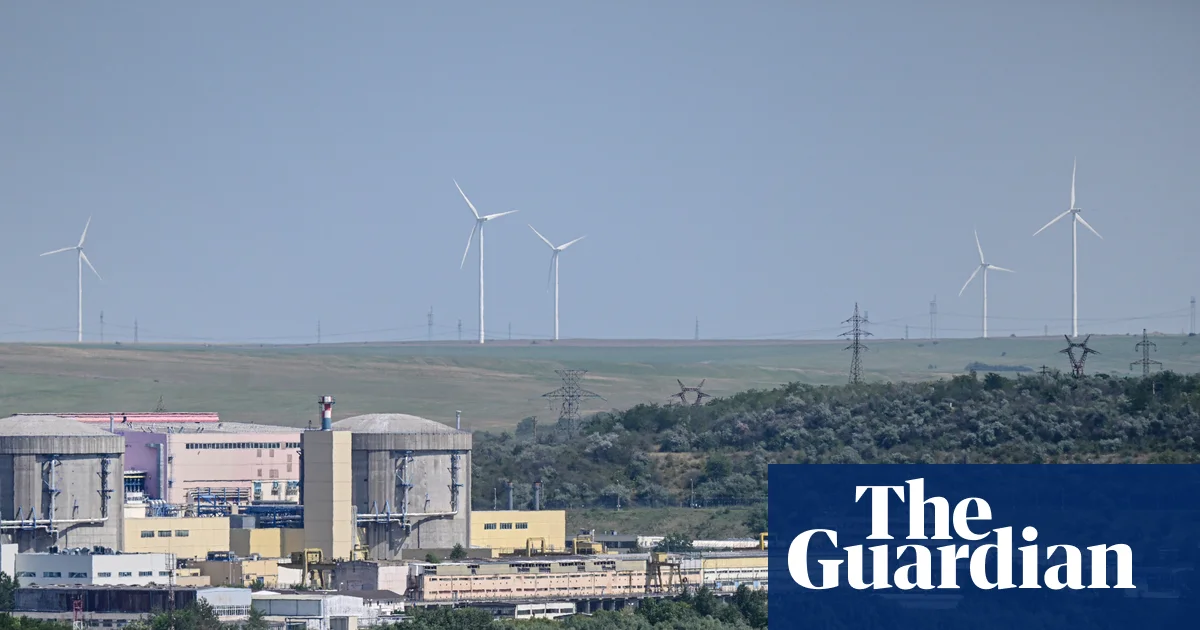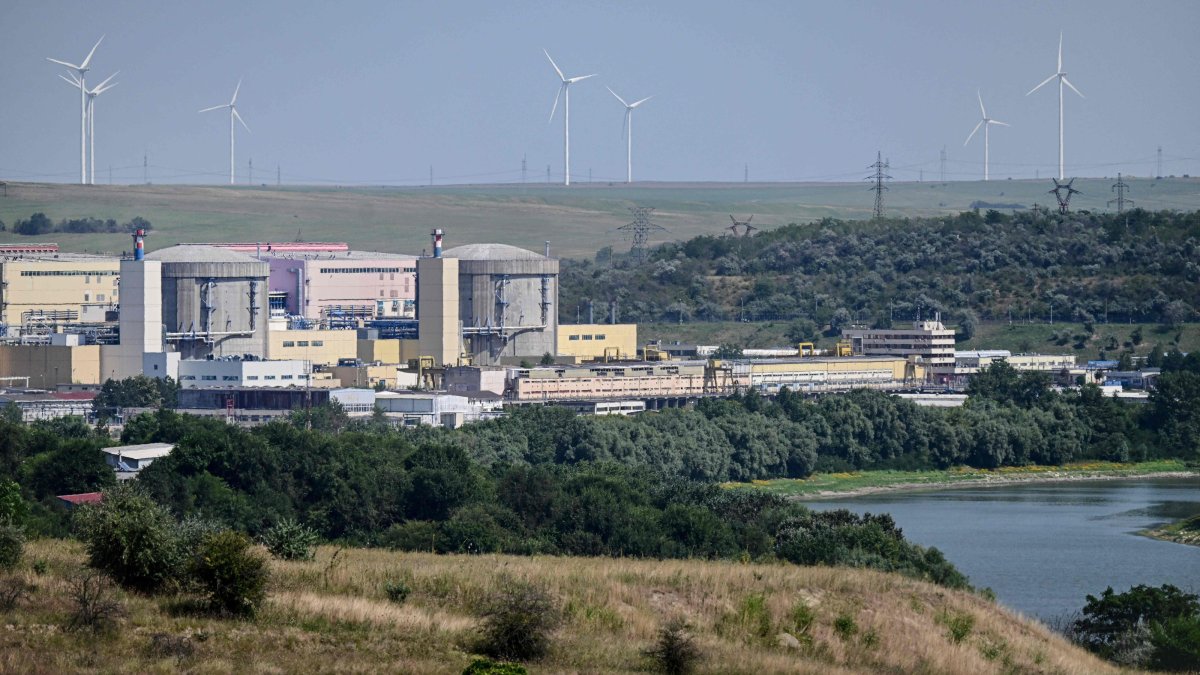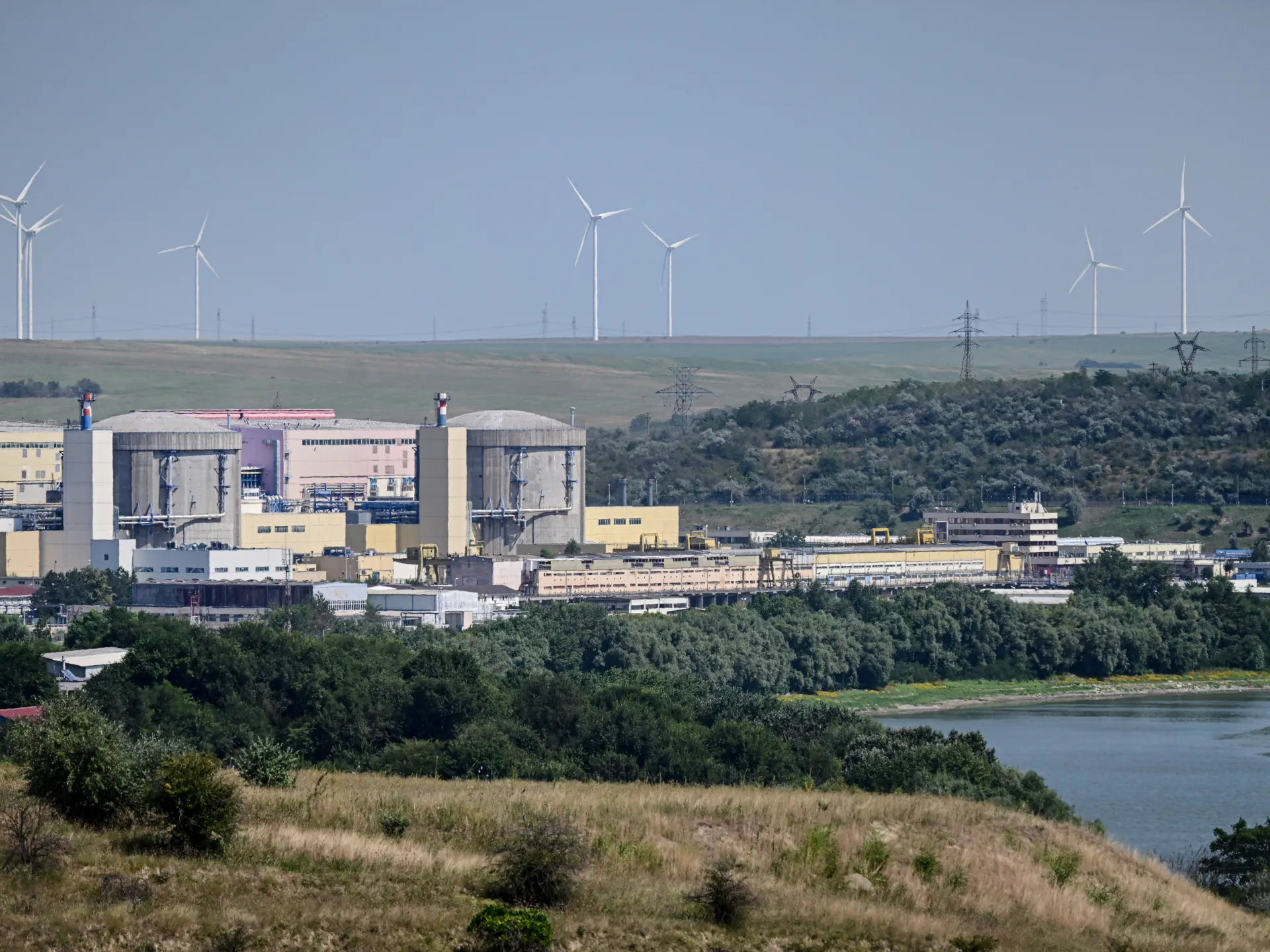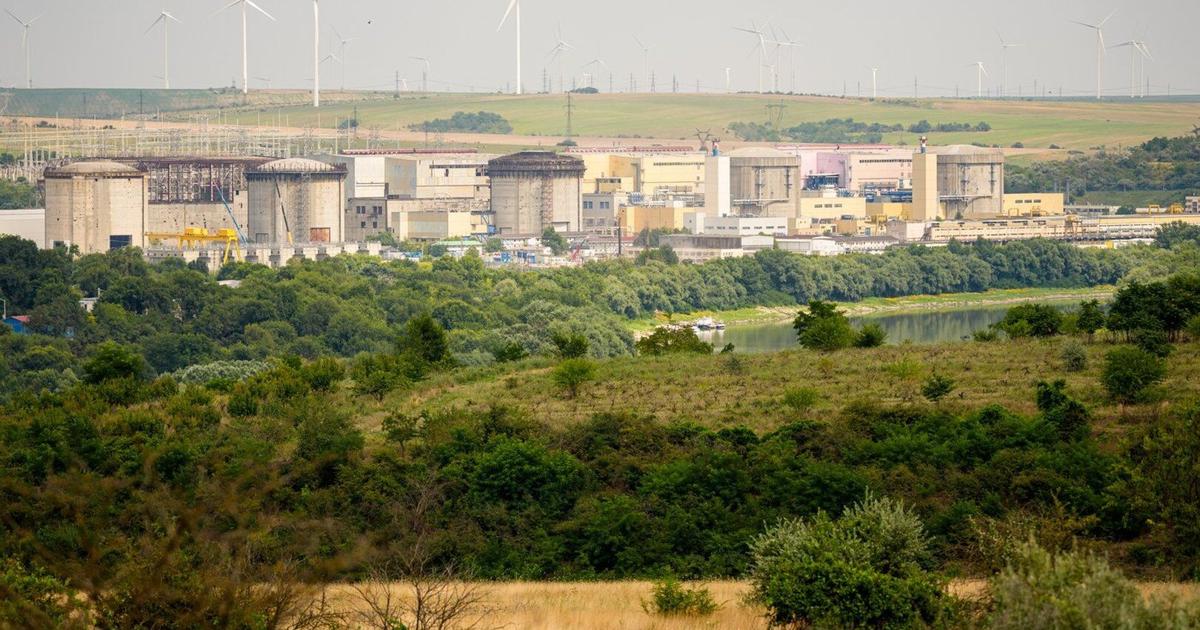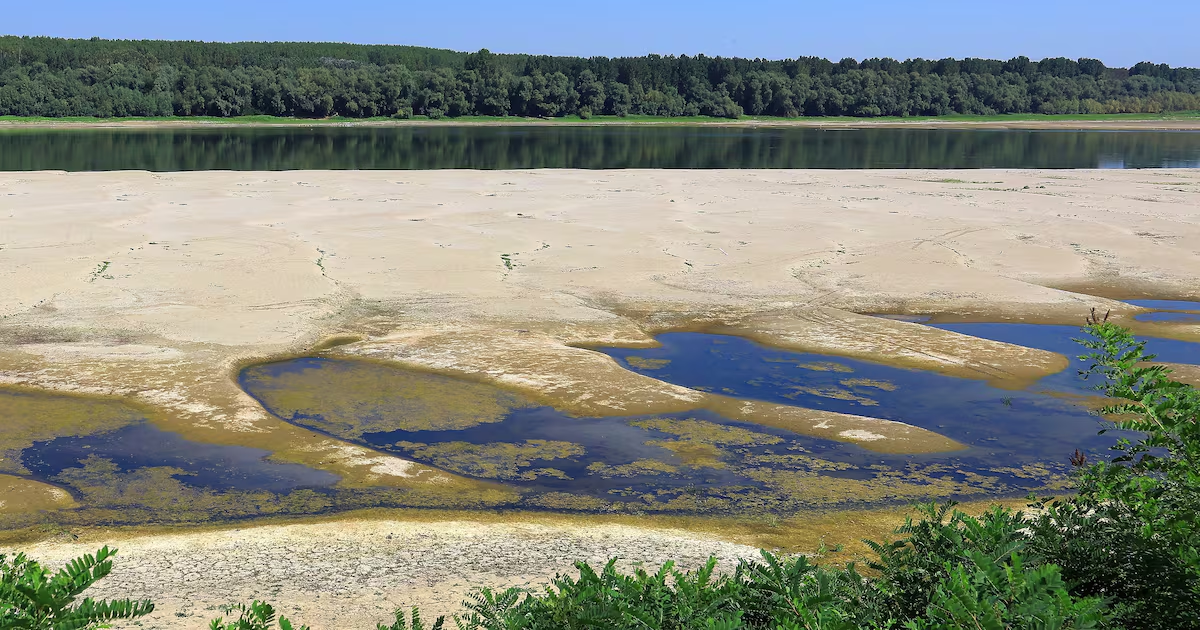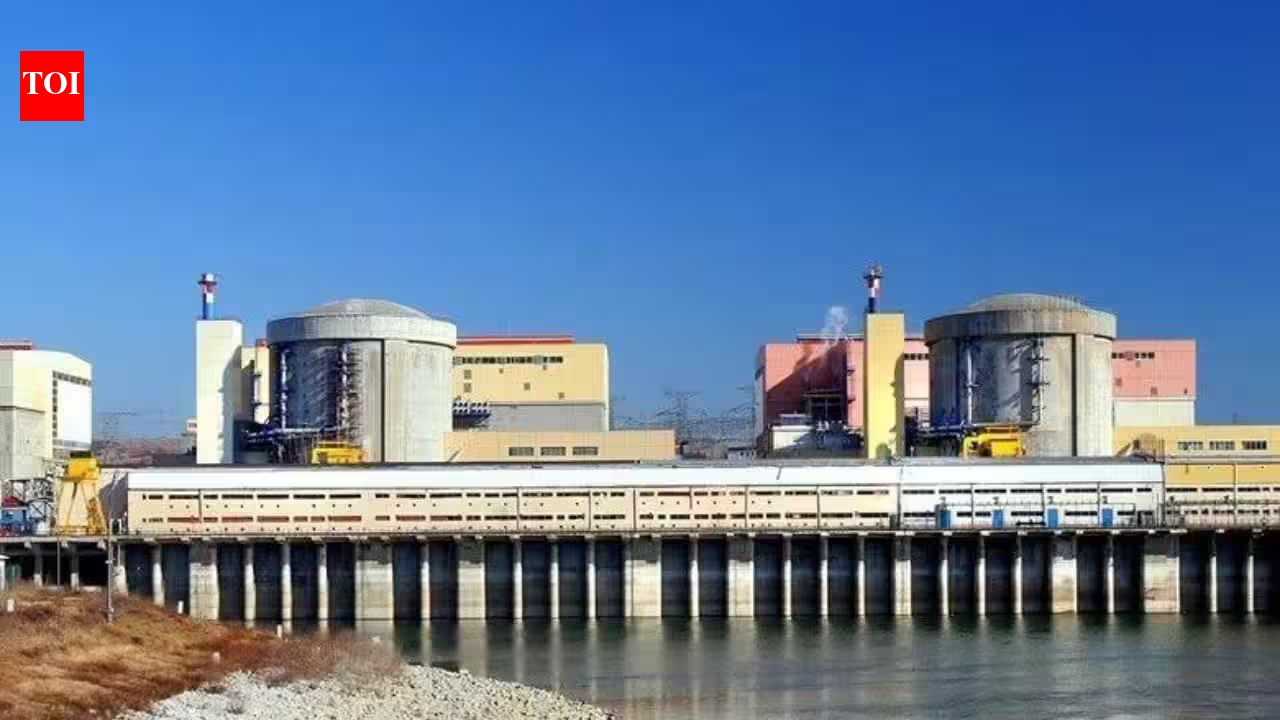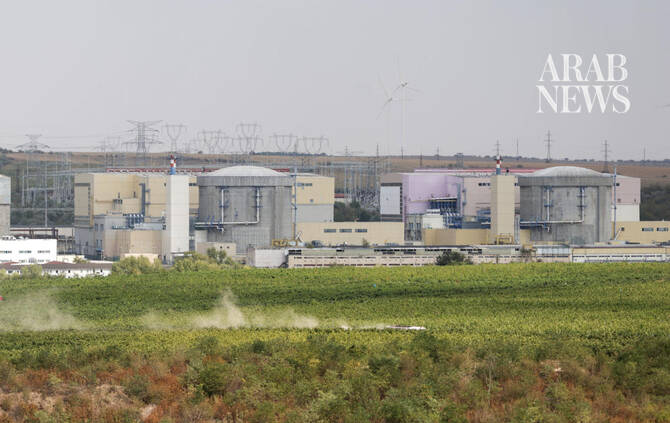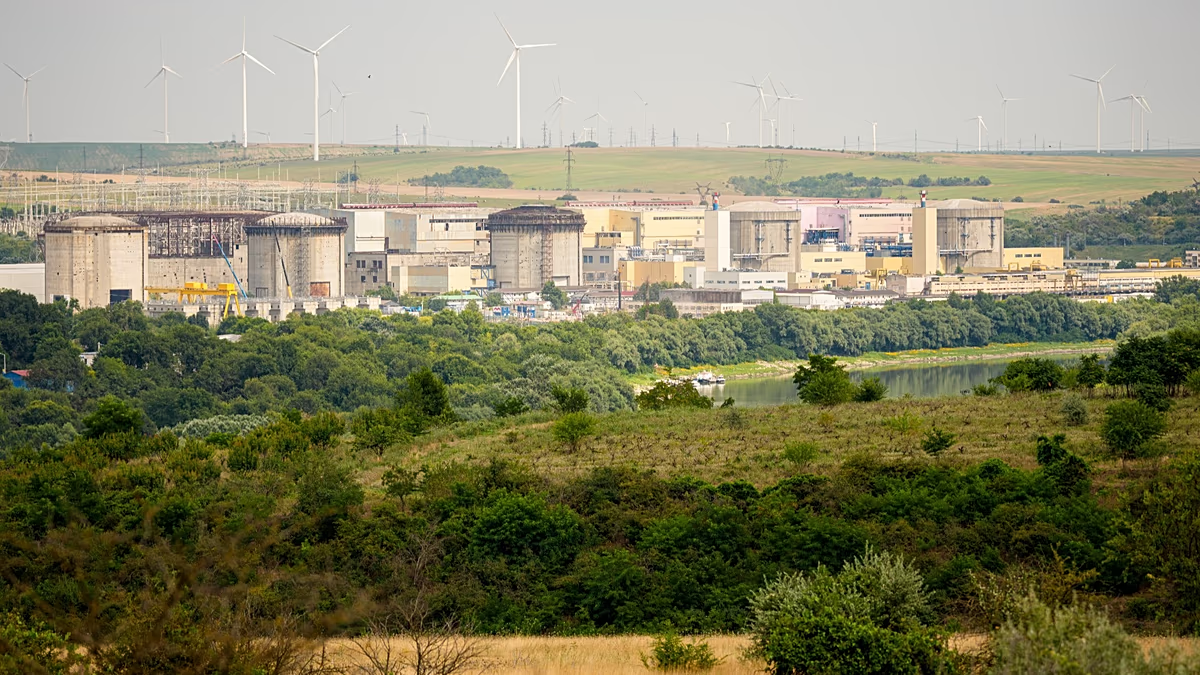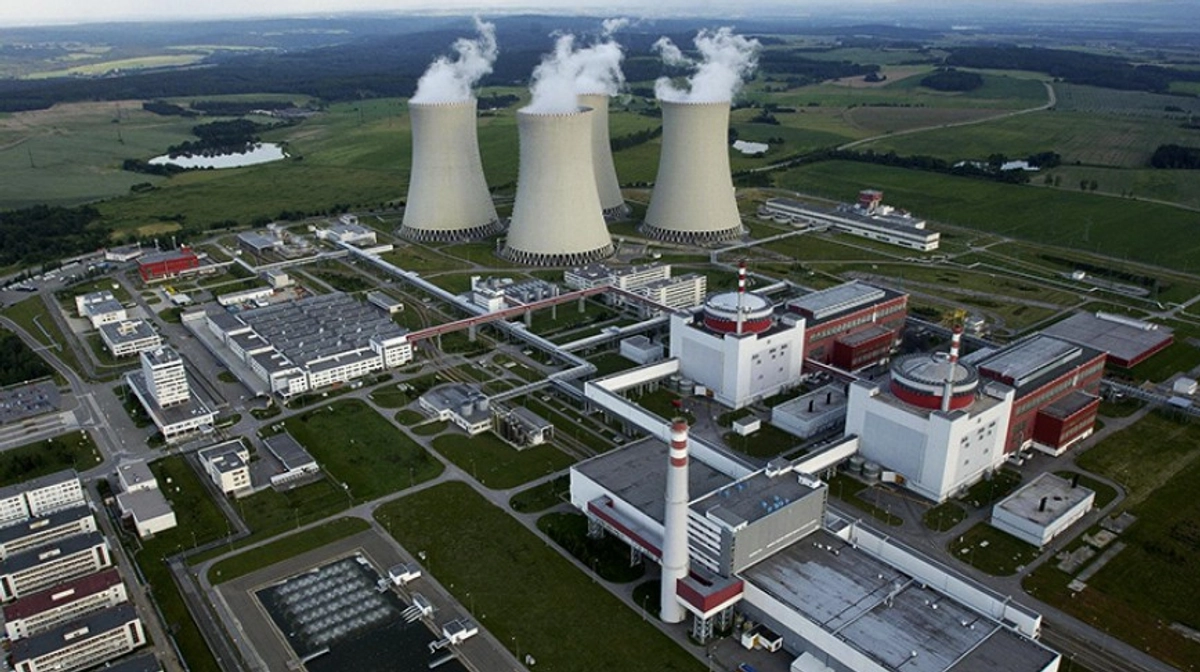
Bulgaria is becoming an increasingly important source of electricity for Romania after drought and record-low Danube levels forced the shutdown of both reactors at the Cernavoda Nuclear Power Plant. The loss of 1,400 MW of nuclear capacity has put additional pressure on Romania's electricity system, with wind power, storage facilities and cross-border imports helping to maintain the balance between production and consumption.
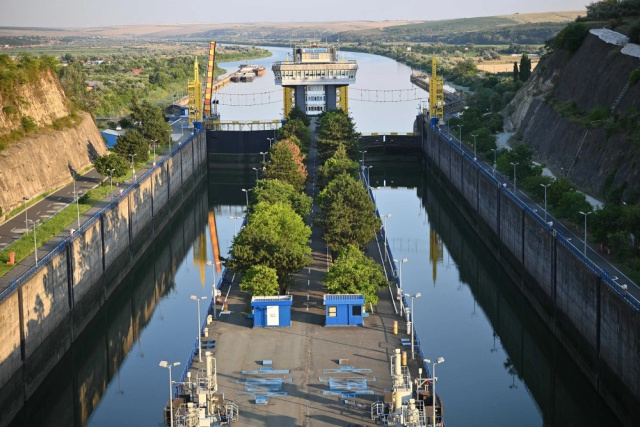
Romanian nuclear operator Nuclearelectrica began preparations for the controlled shutdown of the plant's second reactor as the Danube's level continued to fall. The decision was taken while closely monitoring safety limits, equipment conditions and hydrological forecasts for the coming days.
The first reactor had already been disconnected from Romania's electricity grid on July 28 because of the river's low flow. That left Unit 2 as the plant's only operating reactor, but it too had to be taken offline as the Danube conditions prevented normal operation of the cooling facilities.
Each of the two reactors has a capacity of 700 MW. The plant uses natural uranium fuel and heavy water as both moderator and coolant. Under normal conditions, Cernavoda accounts for roughly 20% of Romania's electricity generated by controllable production capacity, making the simultaneous shutdown of both units a significant challenge for the national power system.