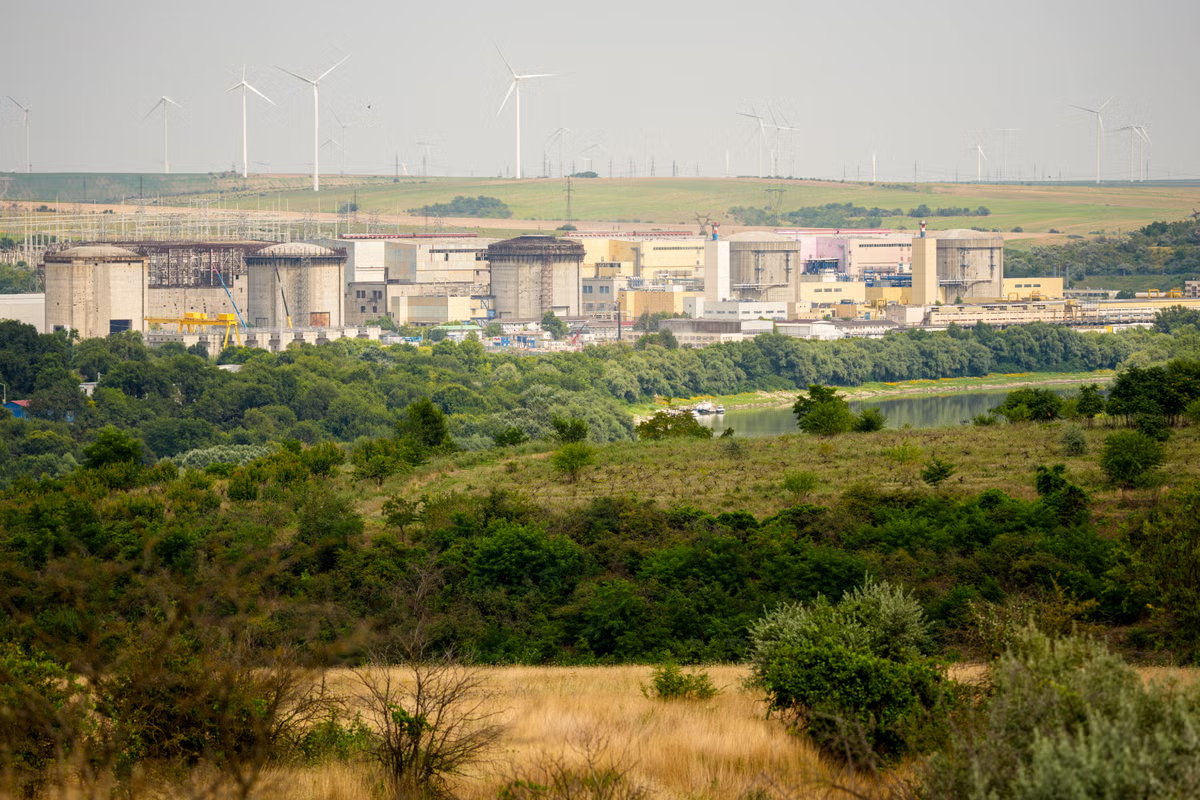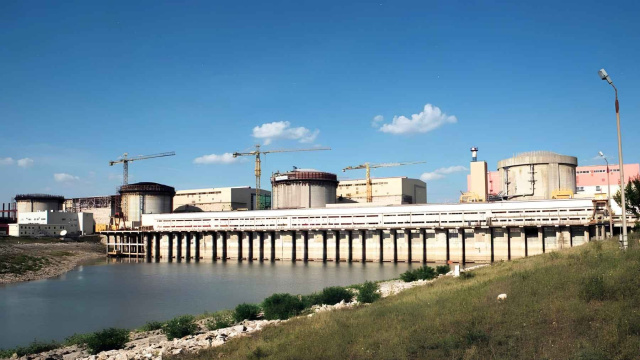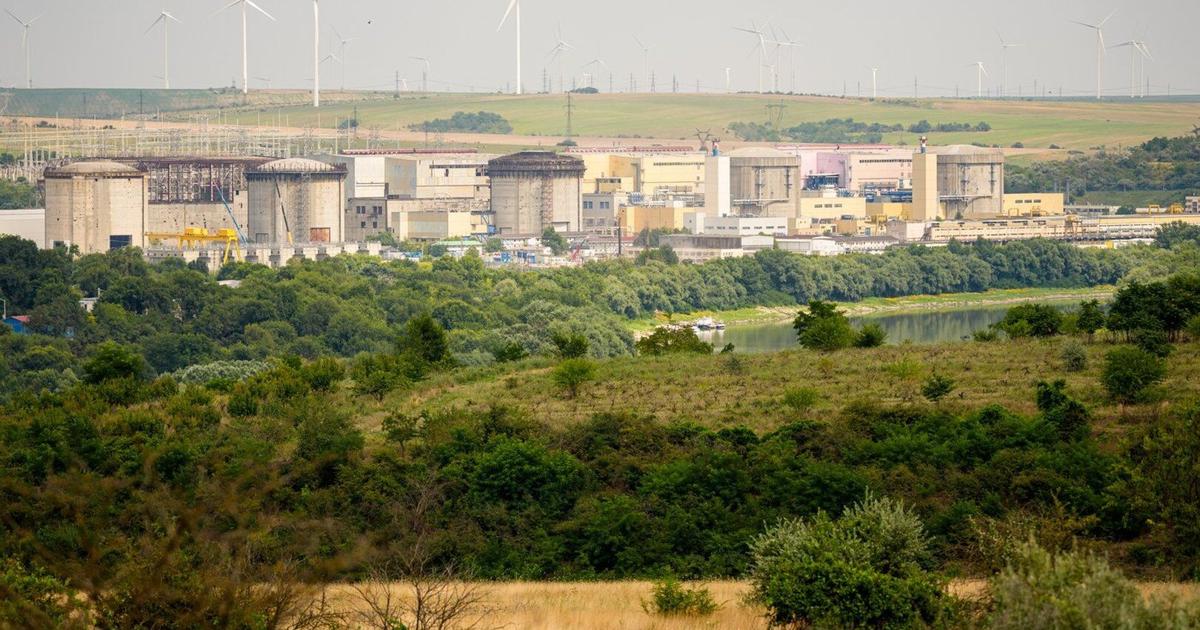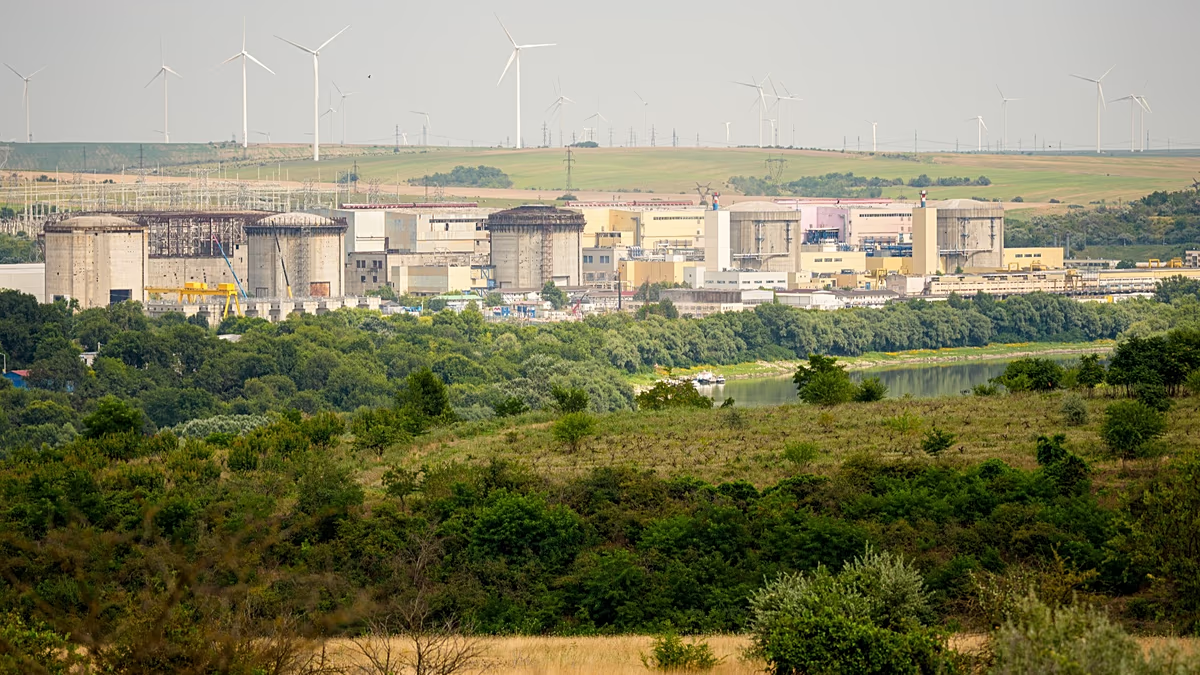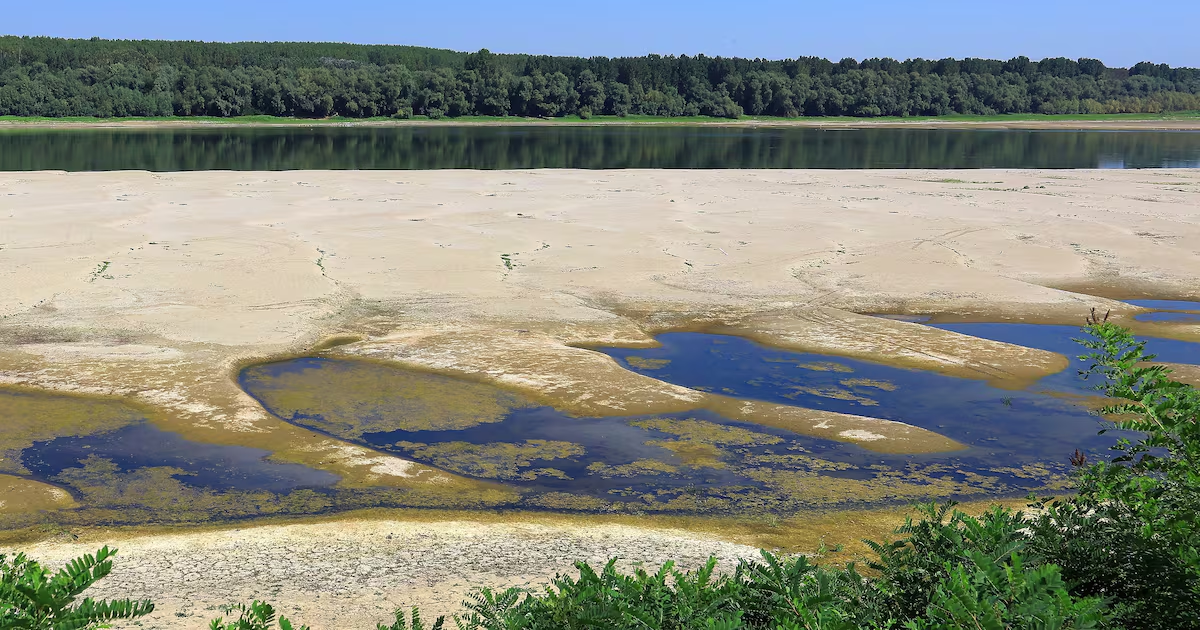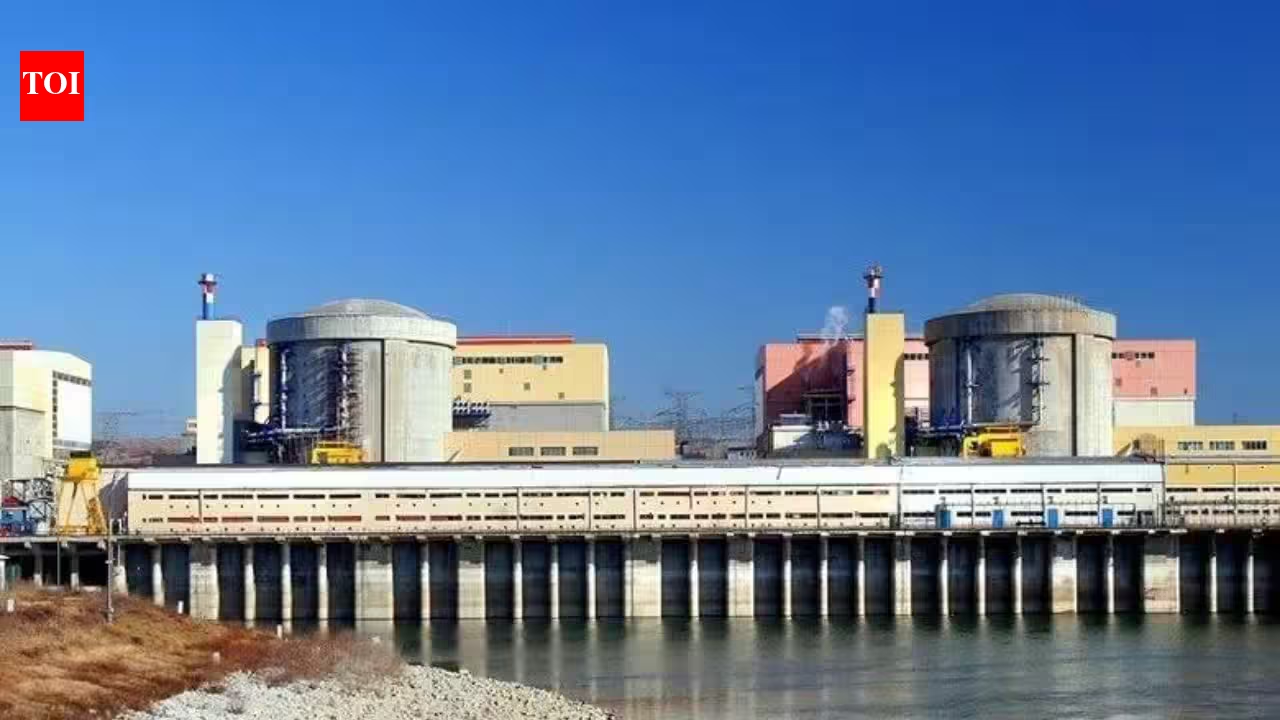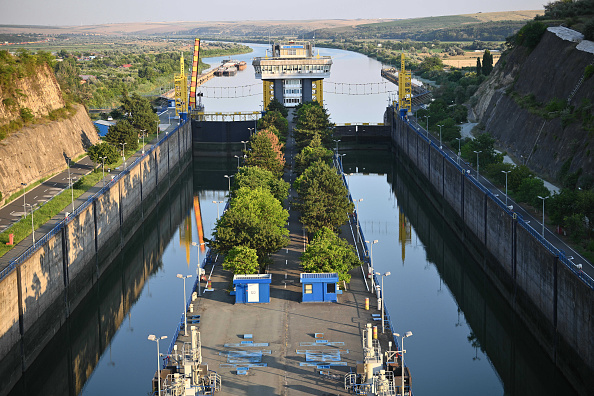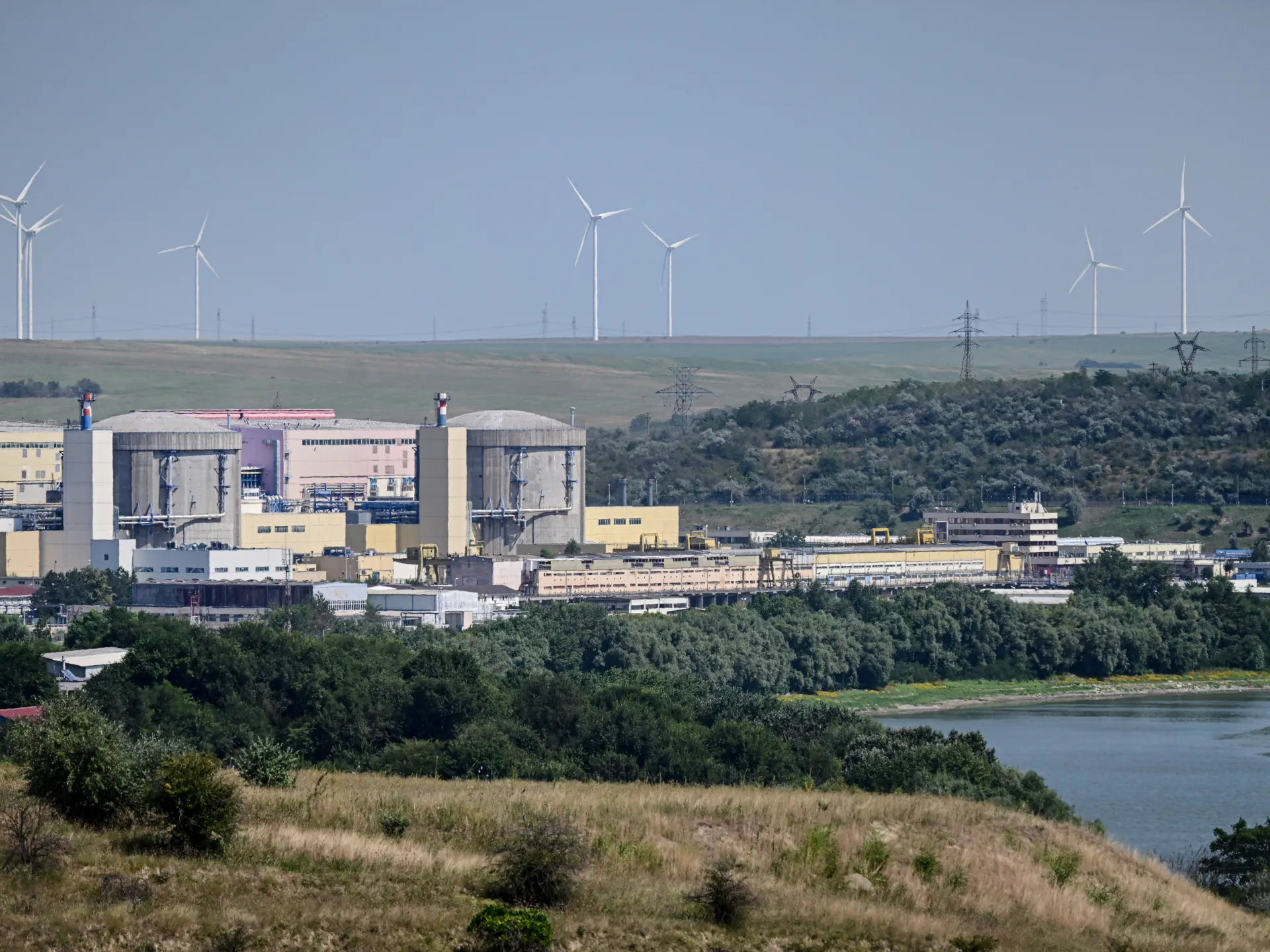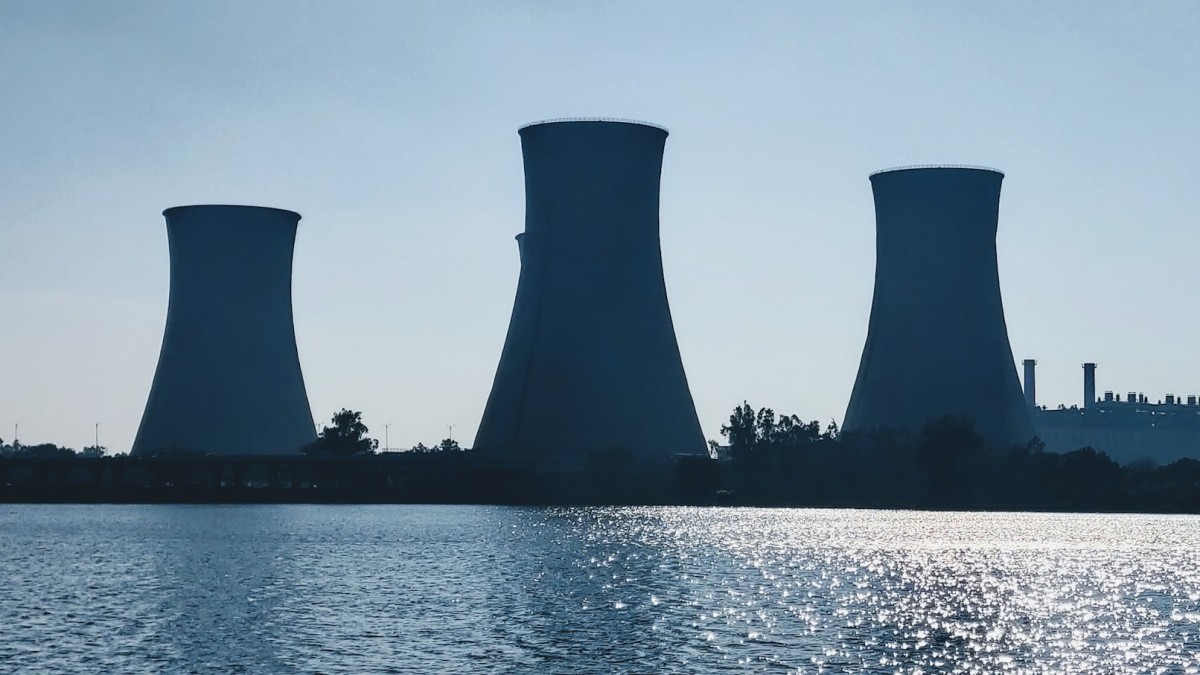
Romania will increasingly rely on electricity imports and other generation sources after the controlled shutdown of the second reactor at the Cernavoda nuclear power plant, as drought has sharply reduced the flow of the Danube and affected the water available to cool the plant's turbines.
Romanian authorities began the controlled shutdown of the second unit at 7 a.m., after the river's water level continued to fall. The first reactor at the plant was also taken offline at the end of July for the same reason.
The second unit normally produces between 680 and 700 megawatts. Energy Ministry State Secretary Cristian Busoi told Adevarul that this output will be replaced through a combination of electricity imports and wind power, with hydropower reserves available if additional capacity is needed.
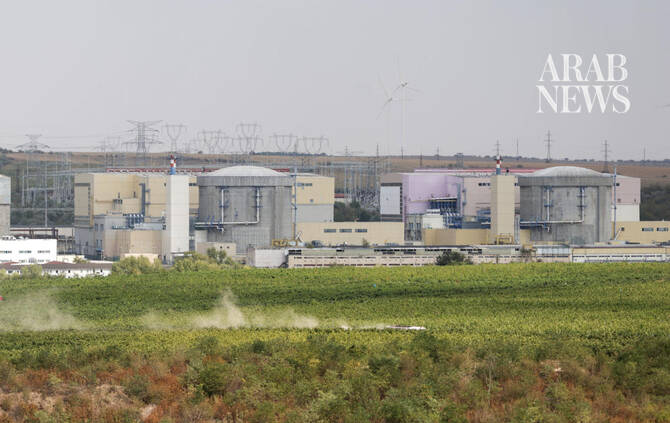
The Cernavoda plant has two reactors, each with a capacity of about 700 megawatts, and normally accounts for around 20% of Romania's electricity production. Its operator, state-owned Nuclearelectrica, said the decision to shut down the second unit was prompted by the “continuing significant drop in the level of the Danube River.”
The company said specialists would decide when the nuclear units can be restarted based on forecasts for the river's level, with nuclear safety remaining the main consideration.