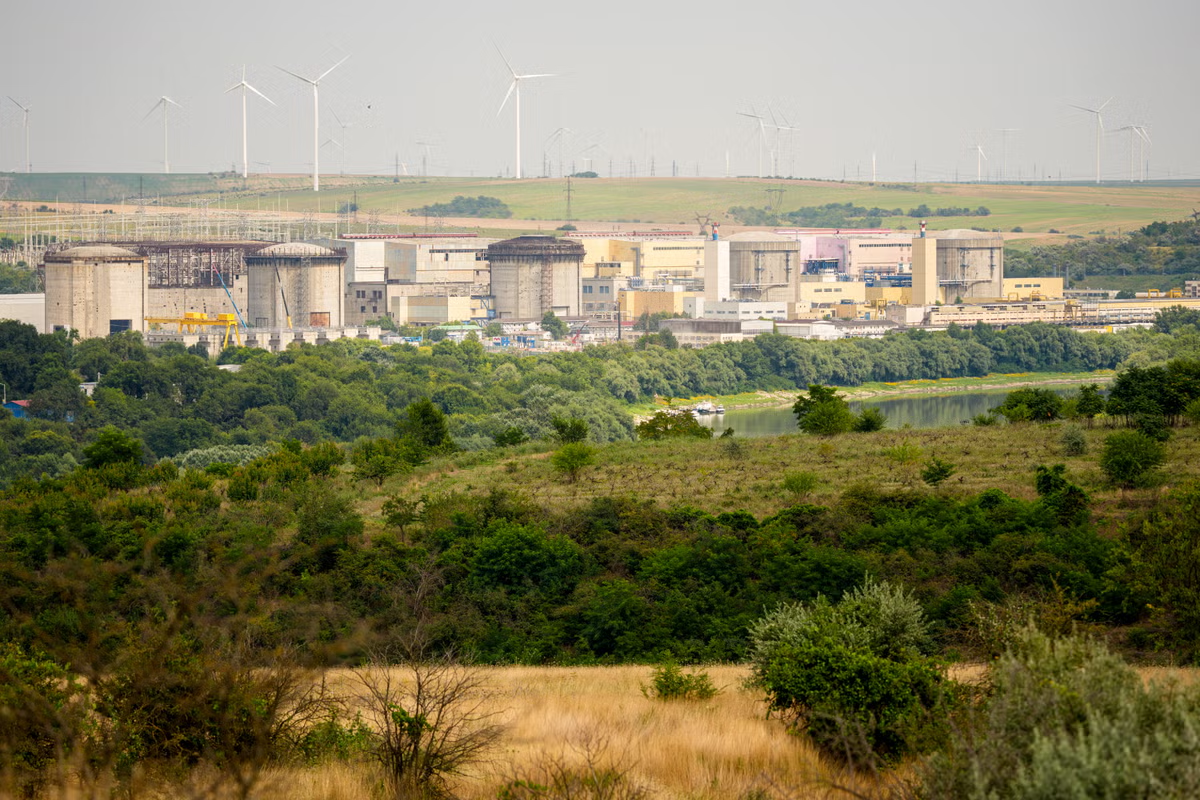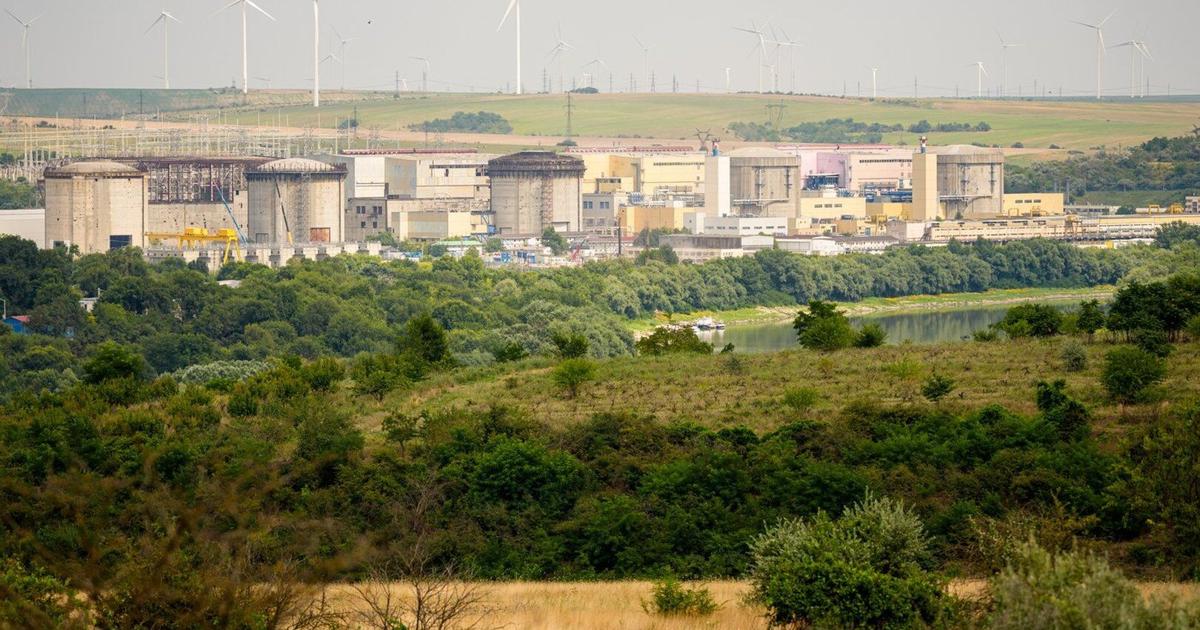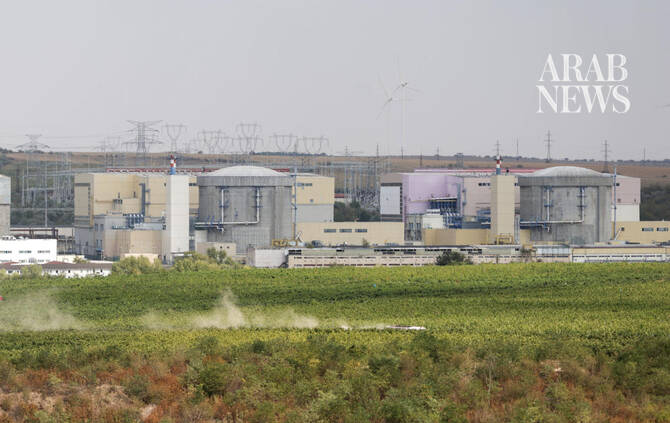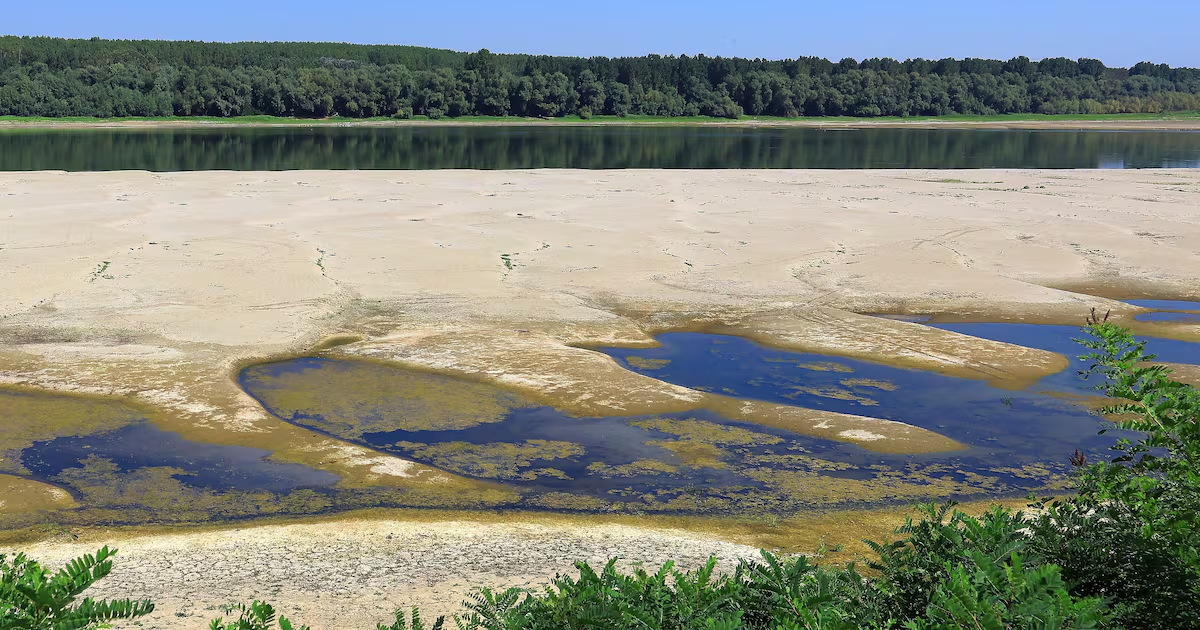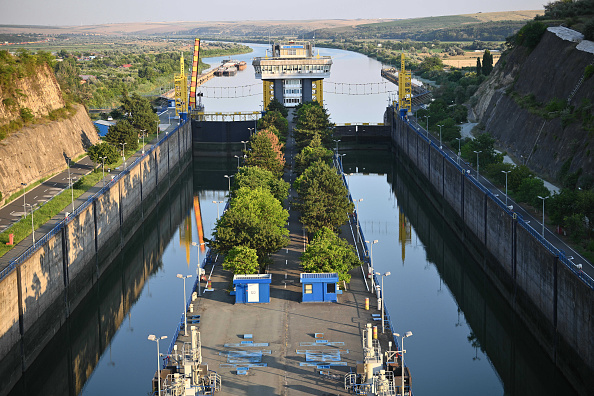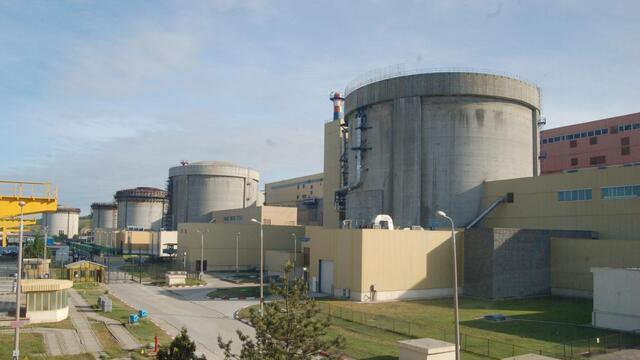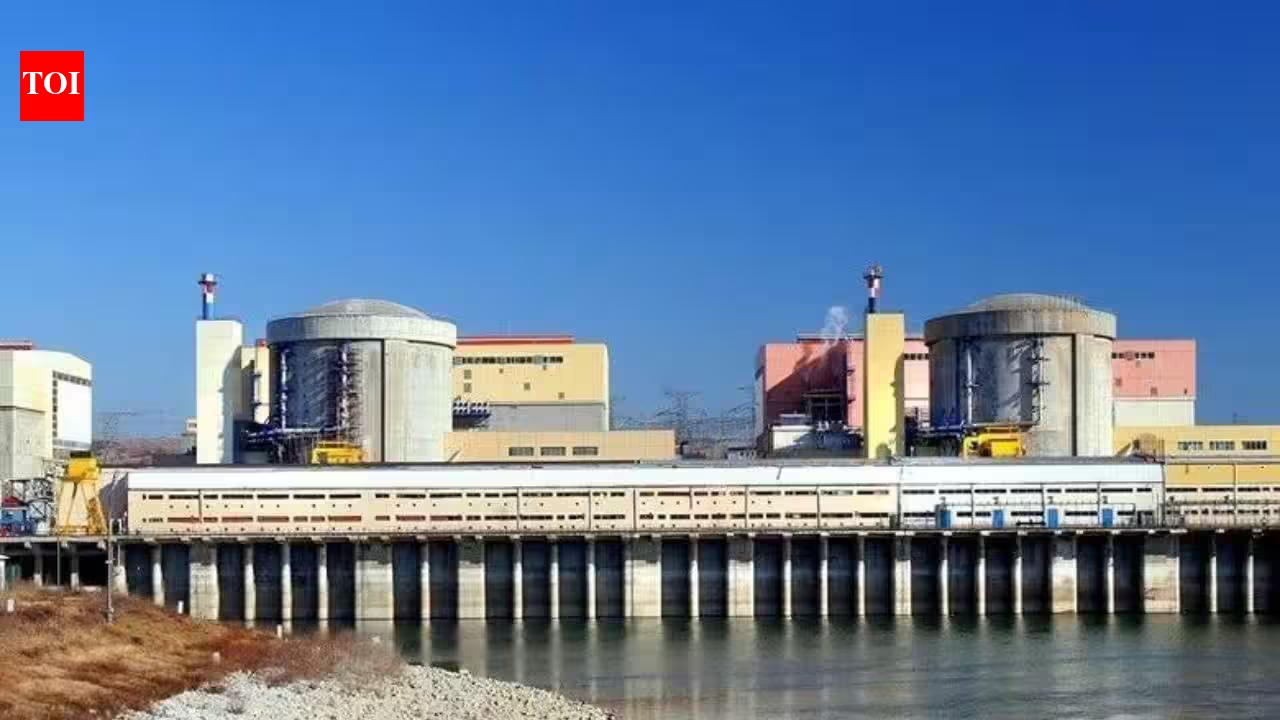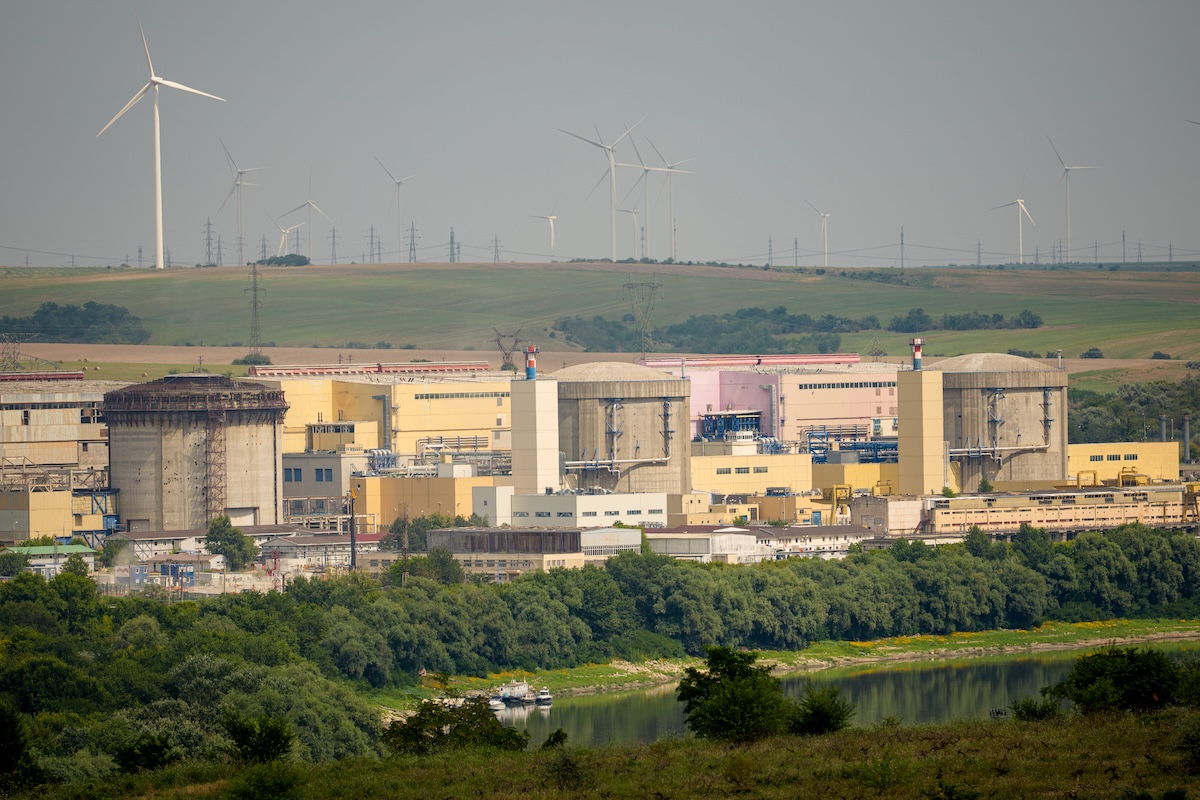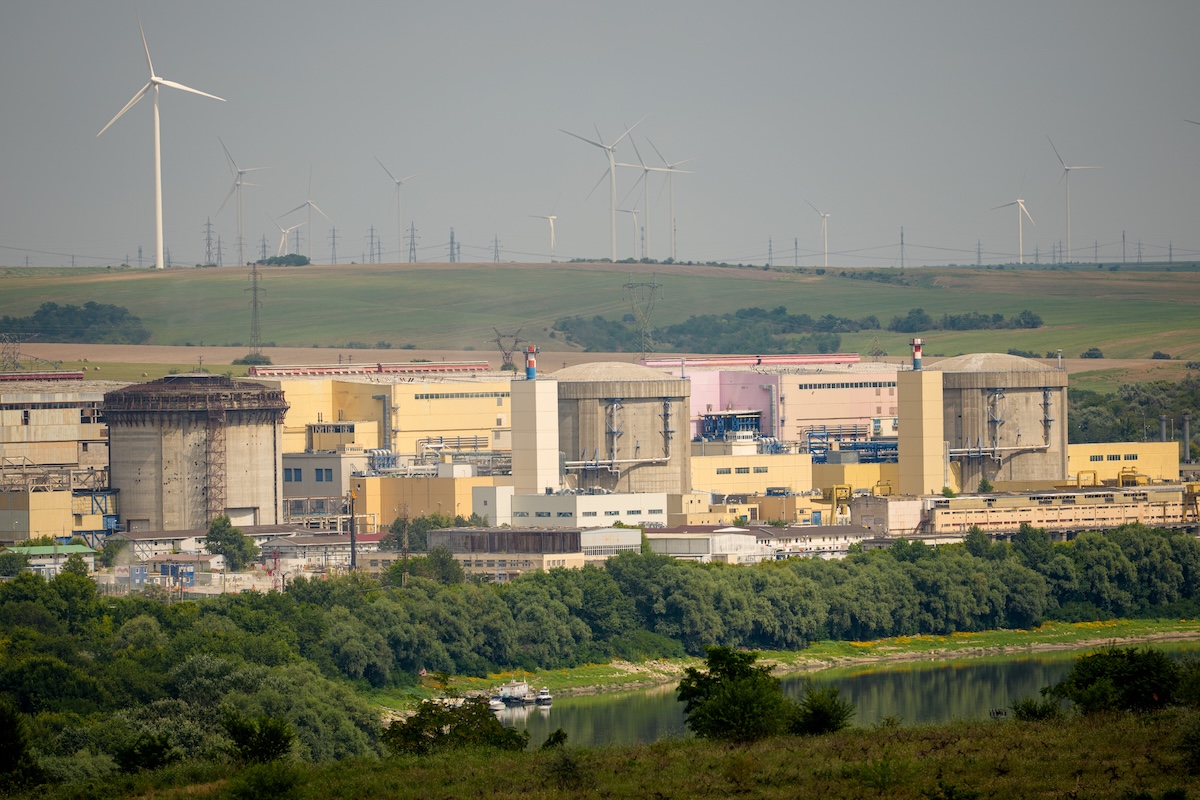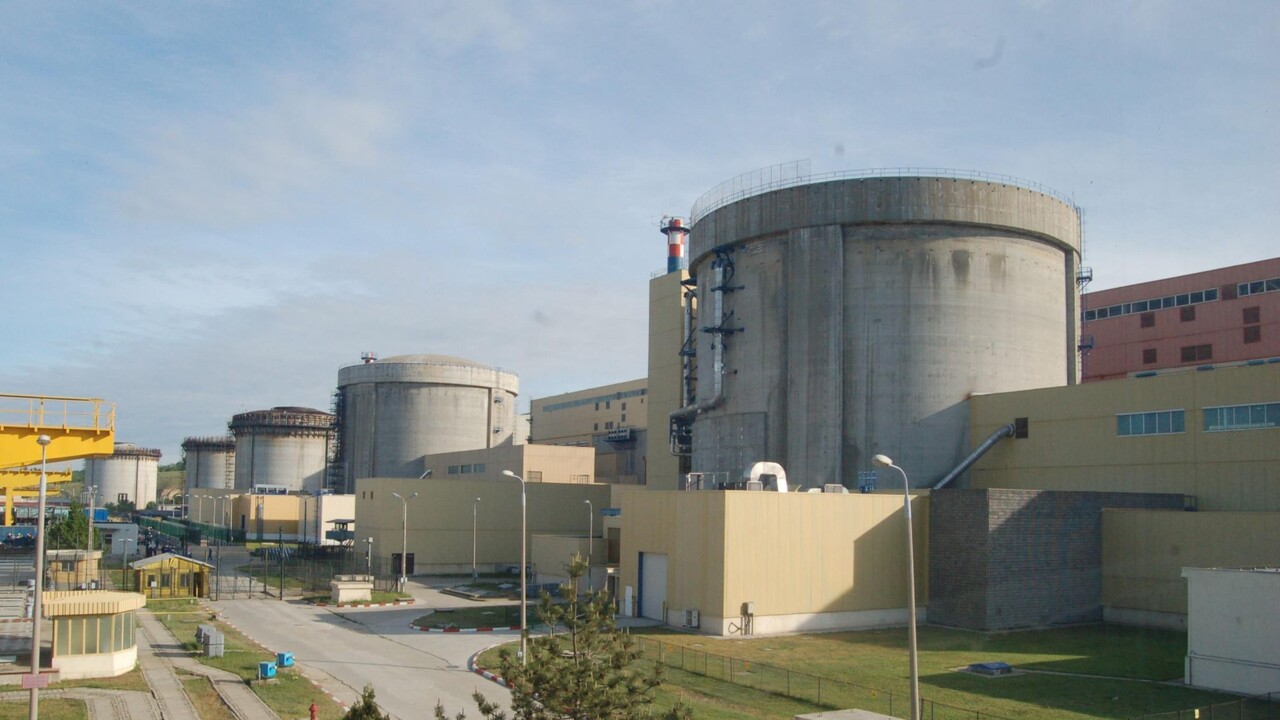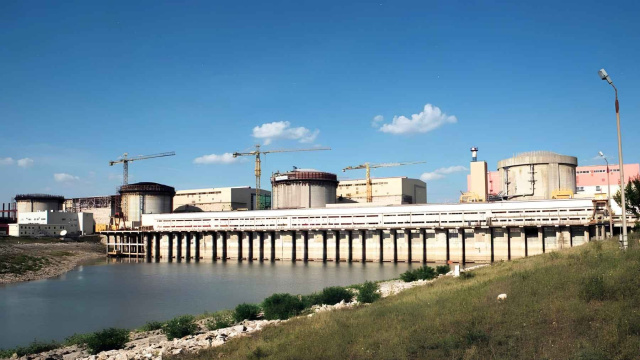
Romania has begun the controlled shutdown of the second reactor at the Cernavoda Nuclear Power Plant because of the critically low level of the Danube, which provides water used to cool the plant’s turbine condensers. The operator, Nuclearelectrica, said the shutdown process started at 7 a.m. and was expected to be completed by around 11 a.m., citing the “critically low flow of the river.”
The move comes after the first of the plant’s two reactors was shut down at the end of July because of the same problem. The Cernavoda plant has two 700-megawatt units and normally accounts for about 20% of Romania’s electricity production. The current shutdowns are the first of their kind at the facility since the severe drought of 2003.
The Danube’s flow is continuing to fall sharply. According to Romania’s National Institute of Hydrology and Water Management, the river is expected to have a flow of only 1,350 to 1,400 cubic meters per second as it enters Romania between August 12 and 19. That is far below the long-term August average of about 3,900 cubic meters per second.
Romanian authorities have already taken emergency measures to try to increase the amount of water available around the nuclear facility. The Energy Ministry ordered a rock formation to be removed, dredging work was carried out on the riverbed, and four barges loaded with rocks were sunk to form a makeshift barrier intended to redirect the river’s flow. Authorities said the measures raised the water level around the plant by about 4 centimeters.