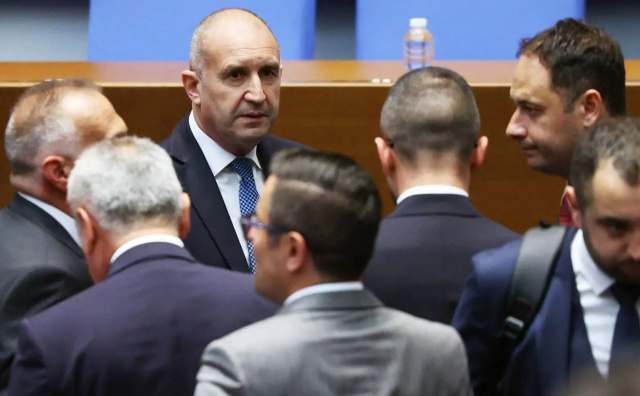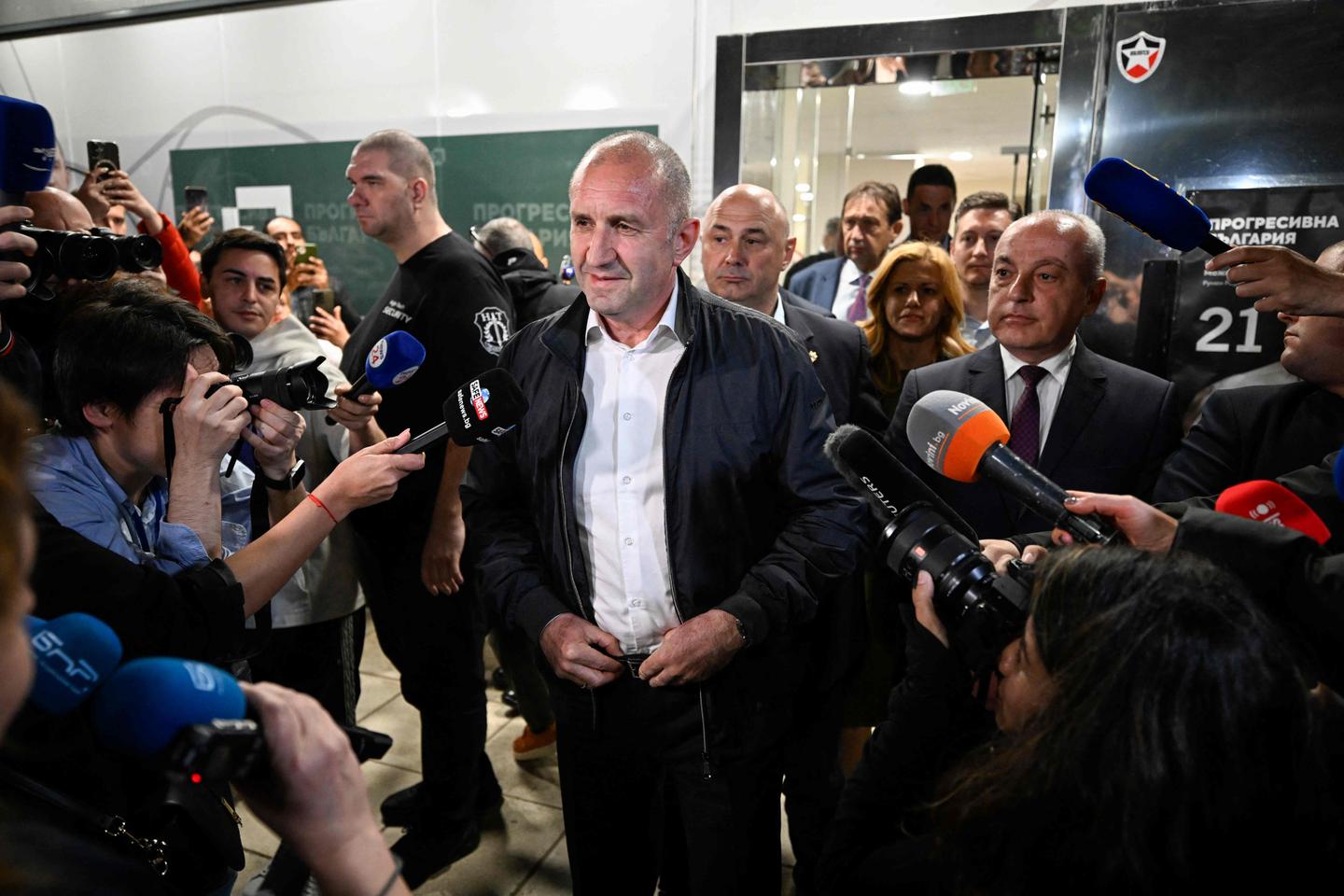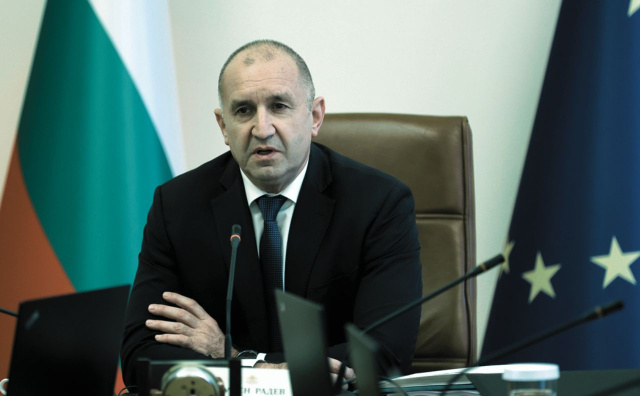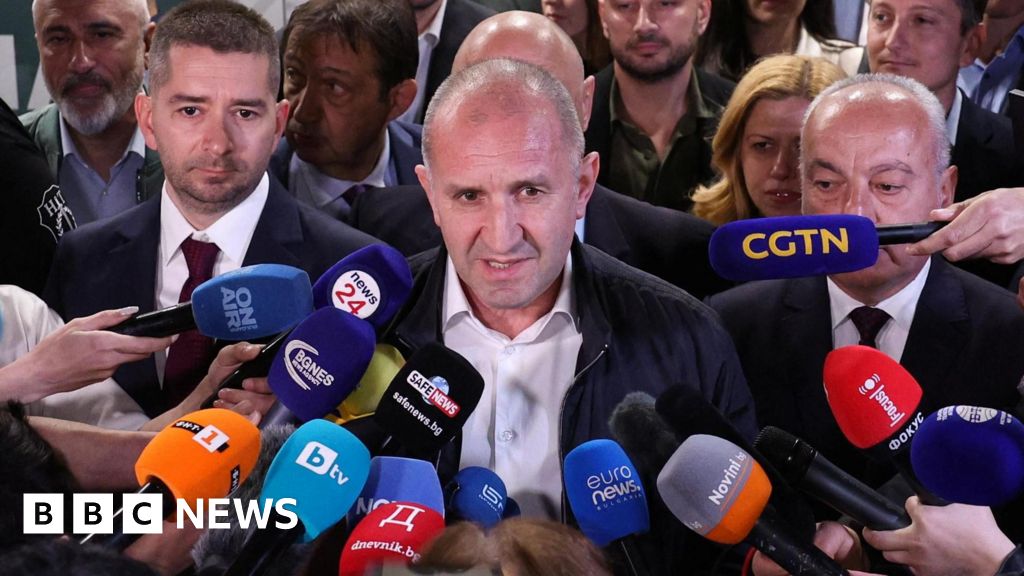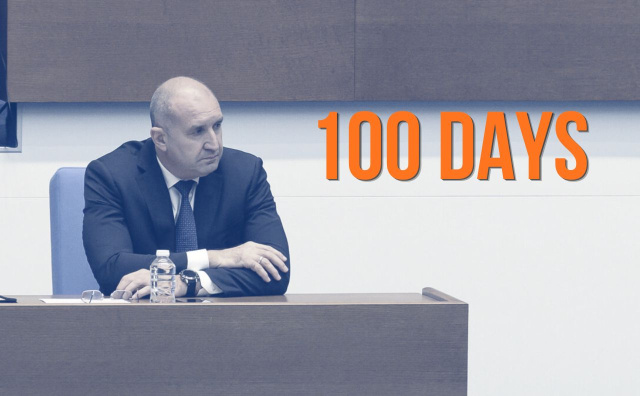
Rumen Radev's government will hit its hundredth day this weekend and the numbers behind it are still remarkable. Progressive Bulgaria won 131 of 240 seats in April, forming only the second single-party government since 1990. Radev became the first Bulgarian to hold both the presidency and the premiership. The cabinet was approved 124 to 70, with 36 abstentions, and took office on May 8. After five years and multiple elections that produced nothing, Bulgaria finally had a government with no coalition partners to blame and no internal opposition to manage.
That is the context in which the hundred-day marker actually means something. The concept comes from Roosevelt in 1933 and it rests on a simple premise: political capital is highest at the start and declines from day one. If reforms do not begin during the honeymoon, they usually do not begin at all. Bulgaria almost never gets to apply the standard properly, because governments here are normally coalitions fighting for survival. This one is not.
What went right
Starting with the things that worked:
The fourth Recovery and Resilience Plan payment arrived on the last day of July, €896 million, which required delivering a new anti-corruption law, changes to the Criminal Procedure Code, and the removal of loss-making coal assets from the Bulgarian Energy Holding. Mini Maritsa-Iztok and TETs Maritsa Iztok 2 are being taken out of BEH to end cross-subsidization, a condition Brussels had been pressing for years.