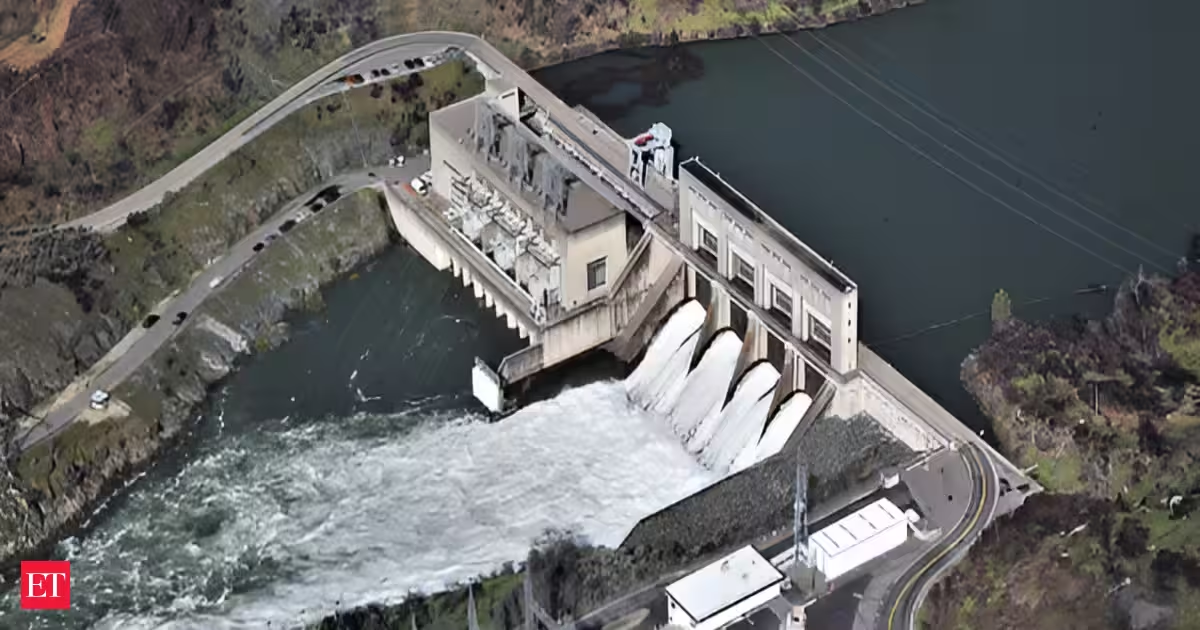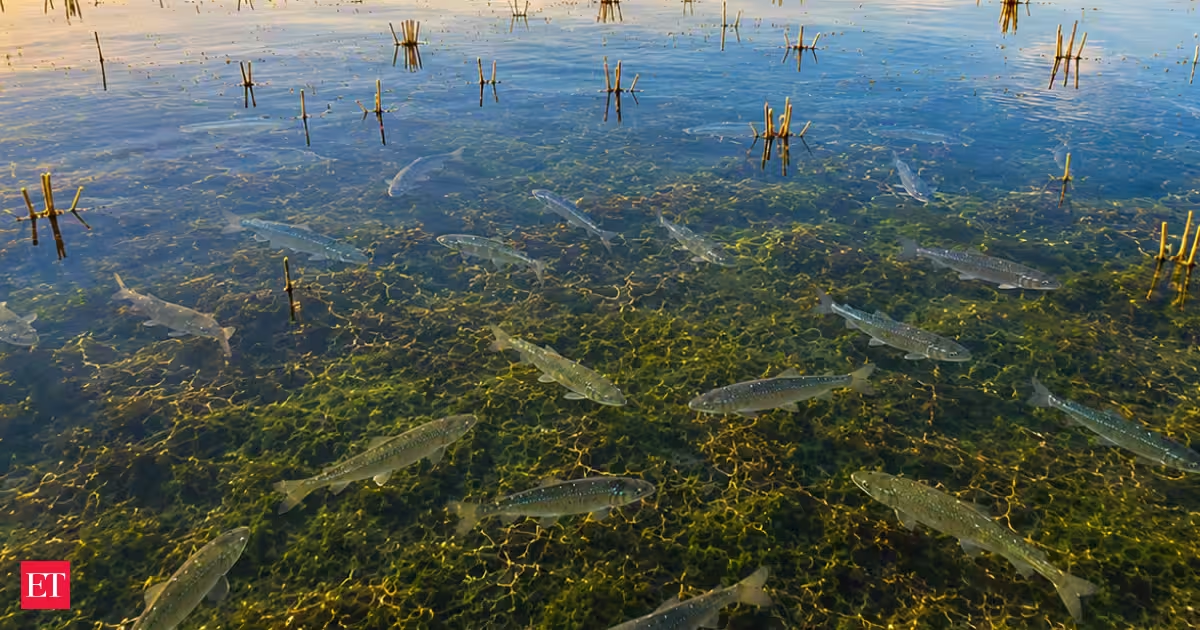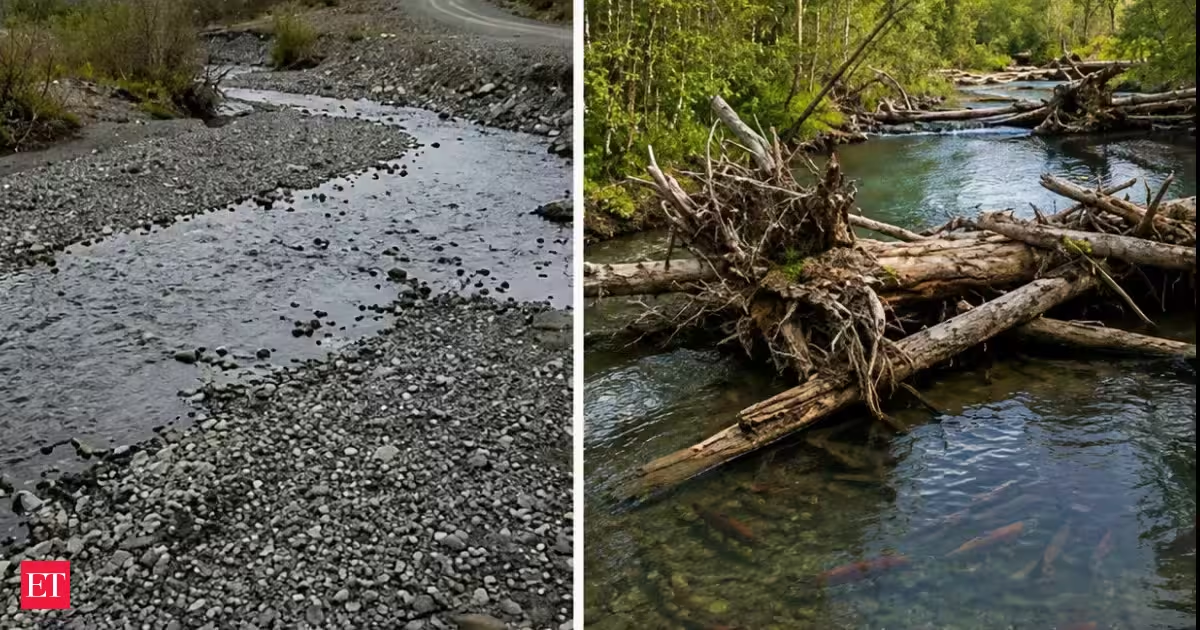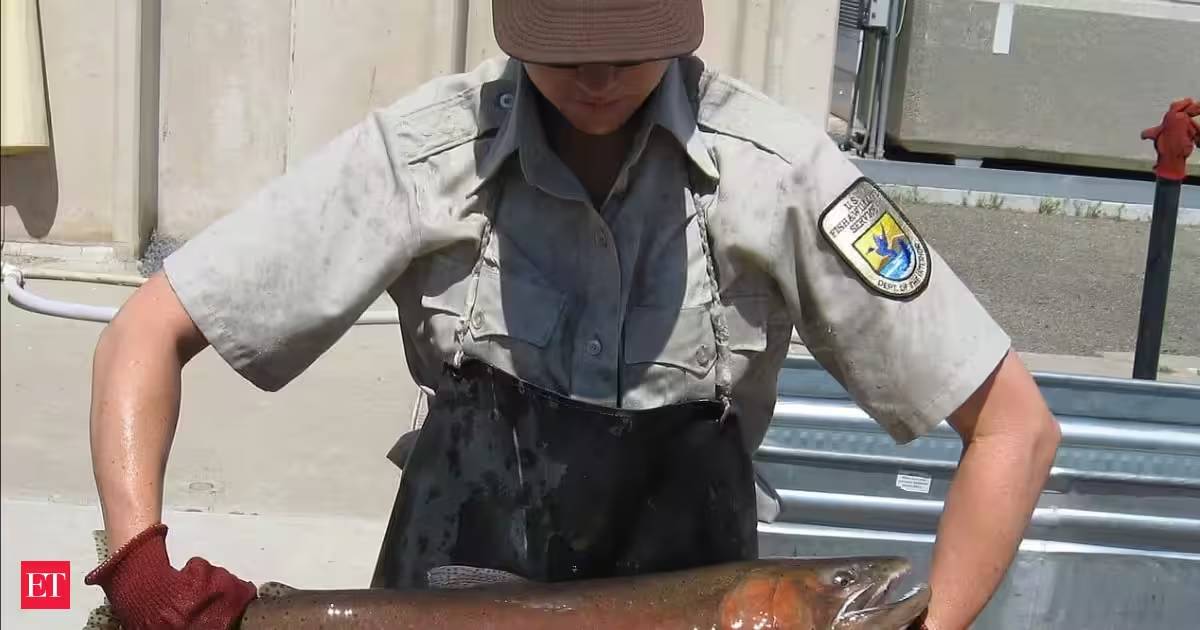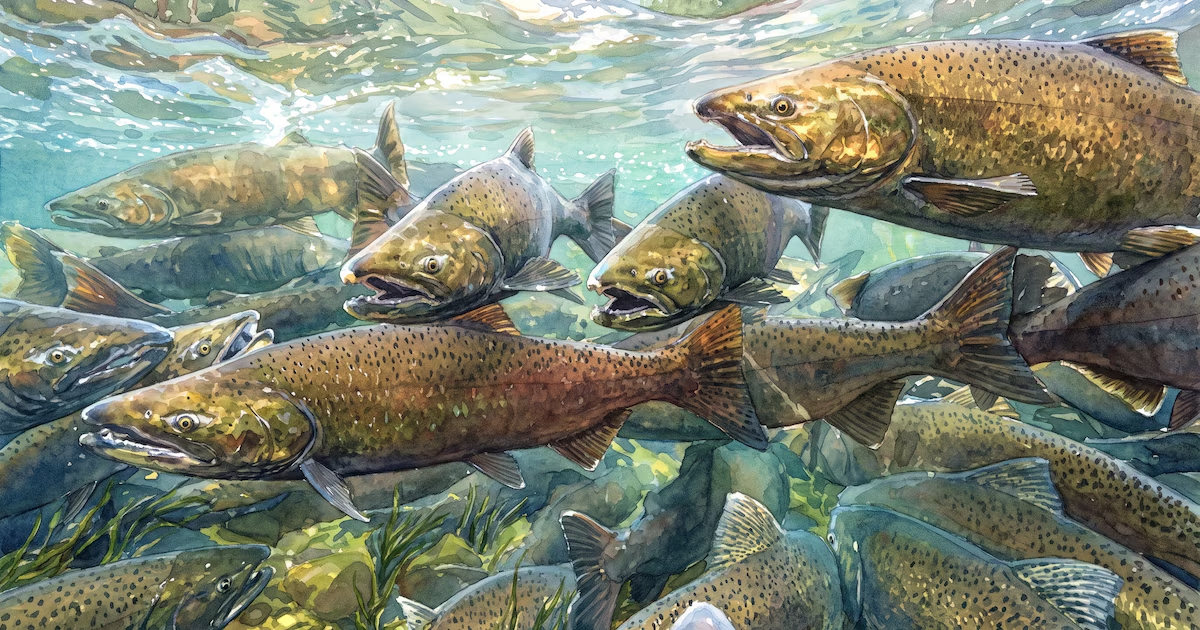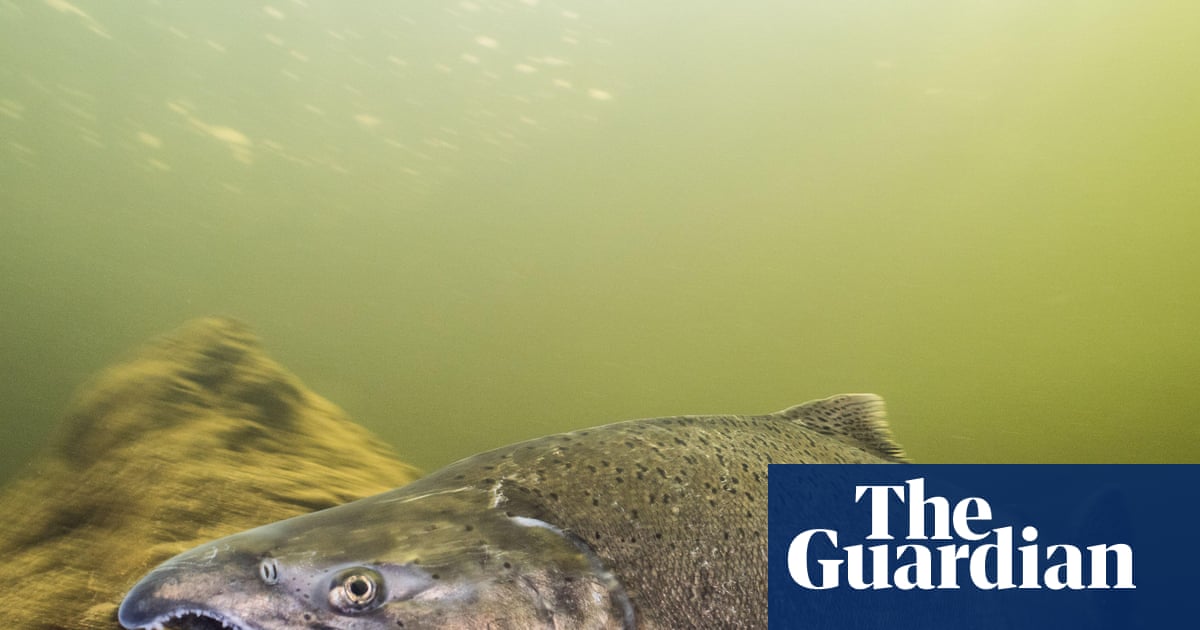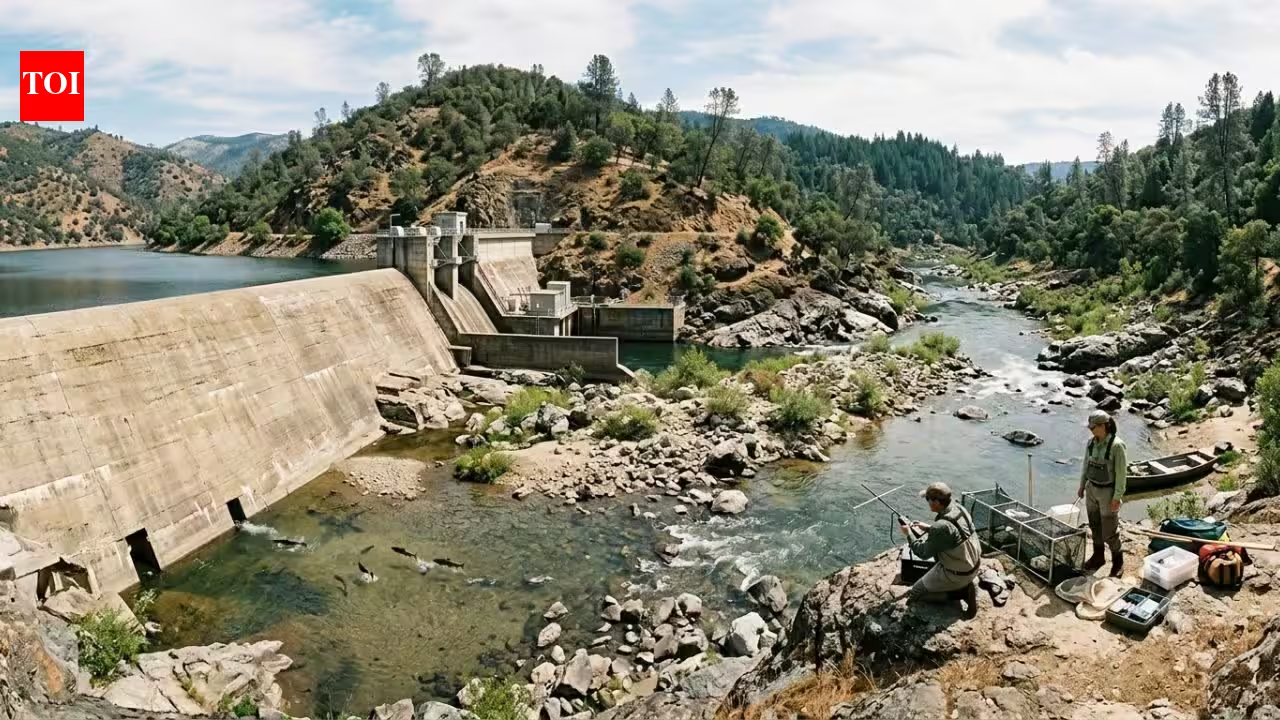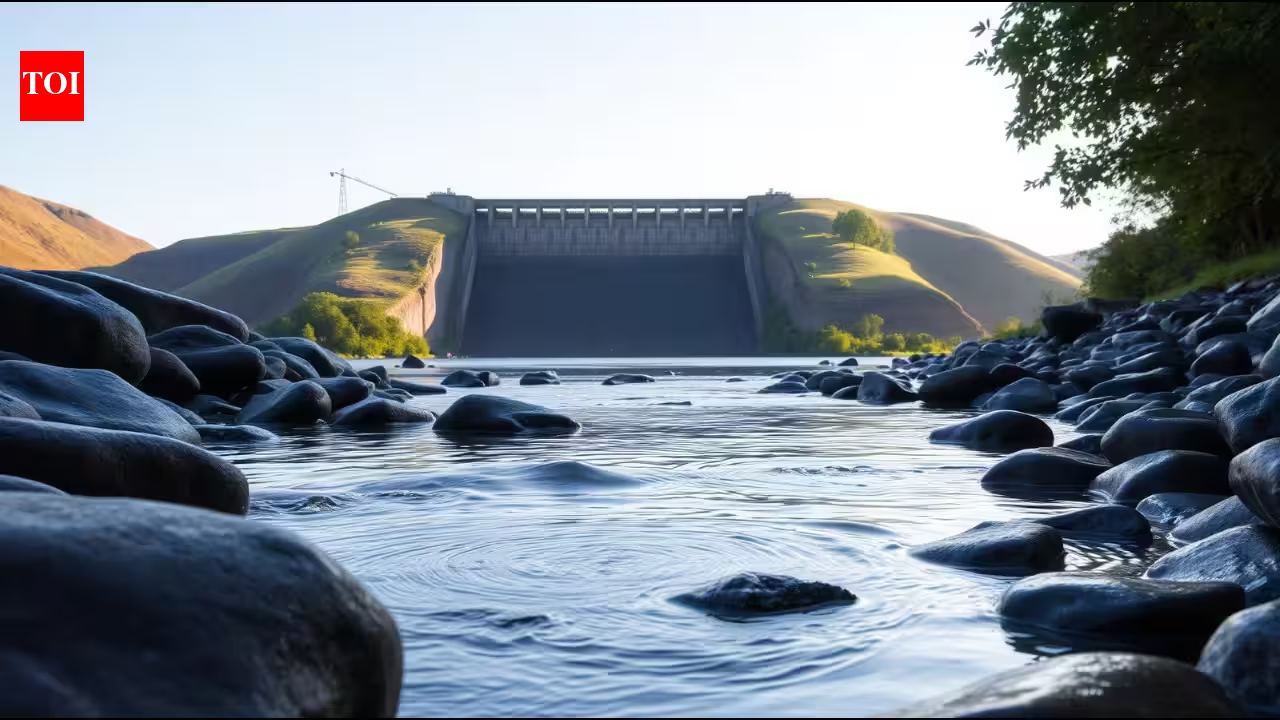
Representative Image of a narrow stretch of river flowing below Keswick Dam (AI-generated image)Below Keswick Dam on California's Sacramento River, salmon face a problem the dam itself created. Winter run Chinook salmon, now listed as endangered, once spawned across hundreds of miles of cold mountain streams before Shasta and Keswick Dams cut off access to that historic habitat entirely. Confined now to a much shorter stretch of river just below the dams, the fish depend on gravel beds to lay their eggs, yet the dam also blocks the natural flow of gravel that would normally replenish those beds over time. Since 2022 alone, state and federal agencies have responded by trucking in and placing more than 50,000 tons of gravel into the river near Keswick Dam, an ongoing effort aimed at rebuilding the spawning habitat the dam had quietly stripped away. This effort illustrates a broader reality of managing rivers reshaped by dams, that undoing decades of blocked natural processes often requires sustained, ongoing human intervention rather than a single restorative fix, especially for species with nowhere else left to spawn.Why Shasta and Keswick Dams cut off winter run Chinook salmon from their historic Sacramento River spawning grounds entirelyWinter run Chinook salmon are unusual among Pacific salmon species because they spawn during the summer months, which means their eggs need consistently cold water to survive California's hot Central Valley heat. According to the National Oceanic and Atmospheric Administration's account of the species, Shasta and Keswick Dams block winter run Chinook salmon from their historical habitat entirely, confining the population to the lower reaches of the Sacramento River below the dams, where summer air temperatures can average nearly 100 degrees Fahrenheit. That confinement leaves the fish reliant on cold water releases managed from Shasta Lake and on a much narrower stretch of river for spawning than the species evolved to use, making the quality of that remaining habitat especially critical to the population's survival.How gravel injection projects have worked to rebuild spawning habitat lost to decades of dam operationBecause dams trap the natural sediment that would otherwise replenish riverbed gravel downstream, agencies have turned to physically trucking gravel to the site and placing it directly into the river, a process known as gravel augmentation. According to a project update from Reclamation District 108, issued jointly with the California Department of Fish and Wildlife and the United States Bureau of Reclamation, this work has continued steadily in recent years, with gravel augmentation projects near Keswick Dam adding more than 50,000 tons of rock to the upper Sacramento River since 2022 alone. The United States Bureau of Reclamation has also directed multimillion-dollar funding awards toward similar gravel and side channel restoration work stretching from Keswick Dam down to the Feather River confluence, reflecting how central this single stretch of river has become to the species' broader recovery strategy. Individual placements have ranged from around 20,000 tons added below Keswick Dam in a single project to smaller top-up placements of 5,000 tons in subsequent years, with agencies returning to the same general site repeatedly rather than treating any one delivery as a final fix.Why this restoration work remains a permanent, recurring commitment rather than a one-time fixUnlike a natural river system, where gravel constantly cycles downstream and gets replenished by erosion further upstream, the stretch below Keswick Dam has no such supply once the dam blocks that process, meaning any gravel placed into the river will eventually wash downstream and need to be replaced again. California Department of Fish and Wildlife environmental scientist Matt Johnson has said this dynamic is well understood by the agencies involved, noting that river flows will continue to push newly placed gravel downstream over time, which is precisely why the work must continue periodically rather than functioning as a single completed project. With winter run Chinook salmon now dependent almost entirely on this kind of artificially maintained spawning habitat, California's gravel injection program has effectively become a permanent piece of infrastructure, one that officials say offers the endangered species its best remaining chance to reproduce successfully within the small stretch of river still available to it below the dam.
California has added more than 50,000 tons of gravel to a river below Keswick Dam since 2022 to help endangered salmon lay eggs
Below Keswick Dam on California's Sacramento River, salmon face a problem the dam itself created. Winter run Chinook salmon, now listed as endangered, once spawned across hundreds of miles of cold mountain streams before Shasta and Keswick Dams cut off access to that historic habitat entirely.
690 words~3 min read