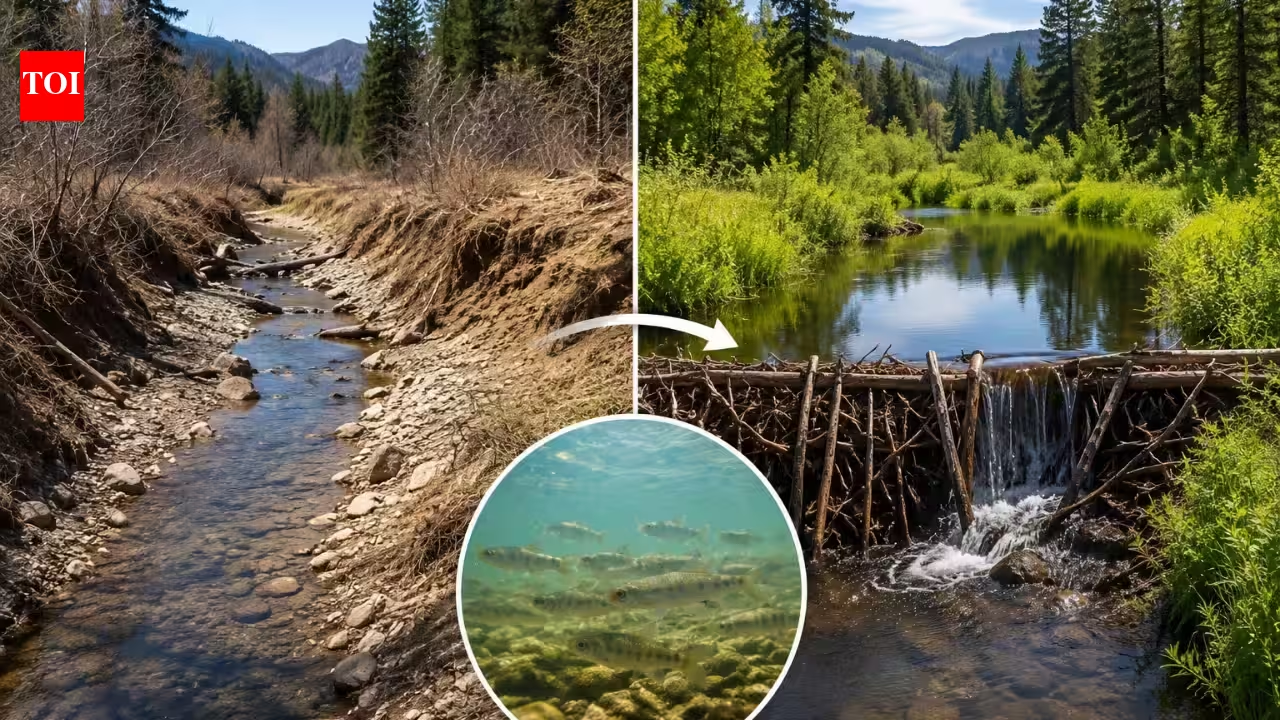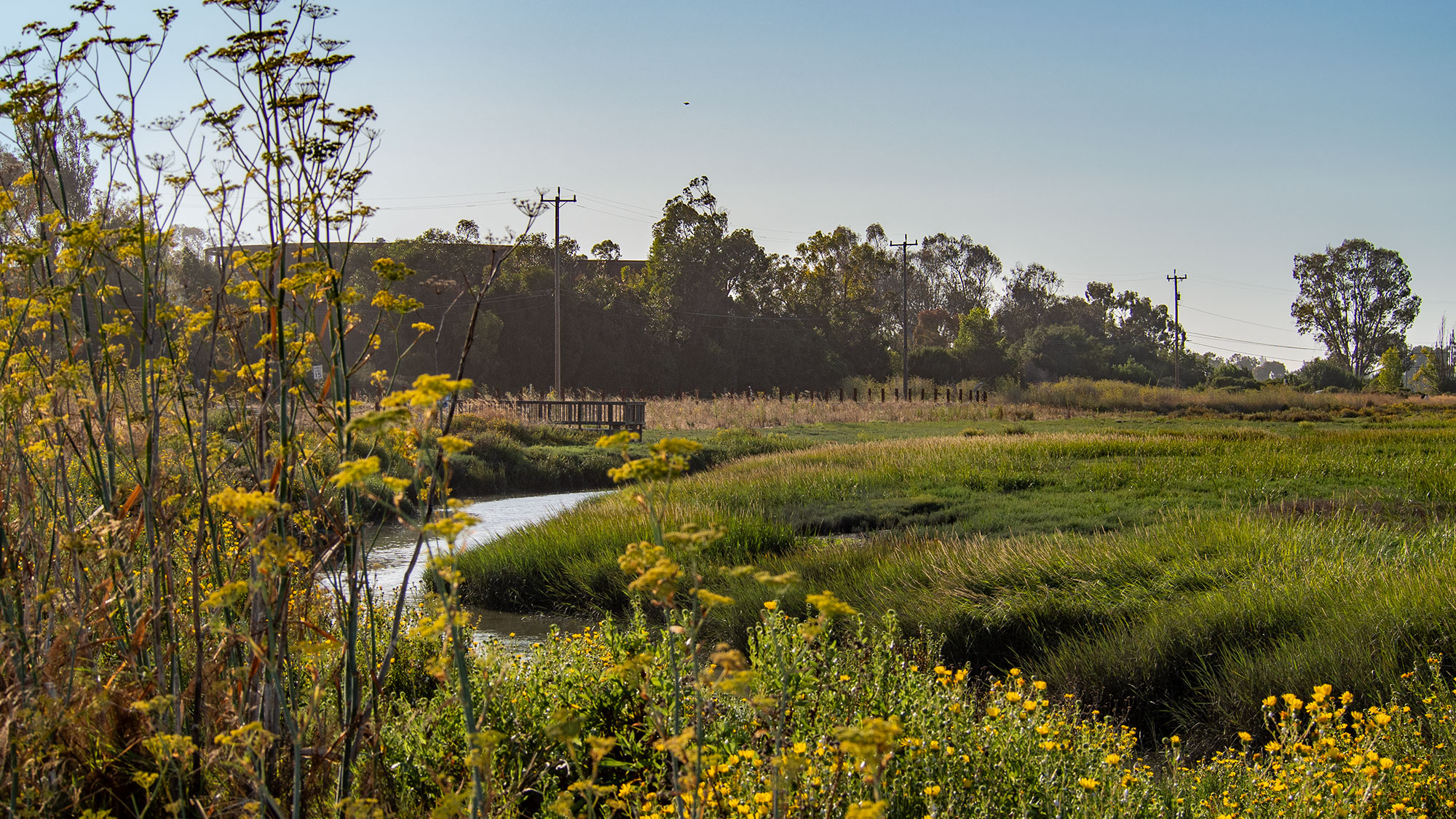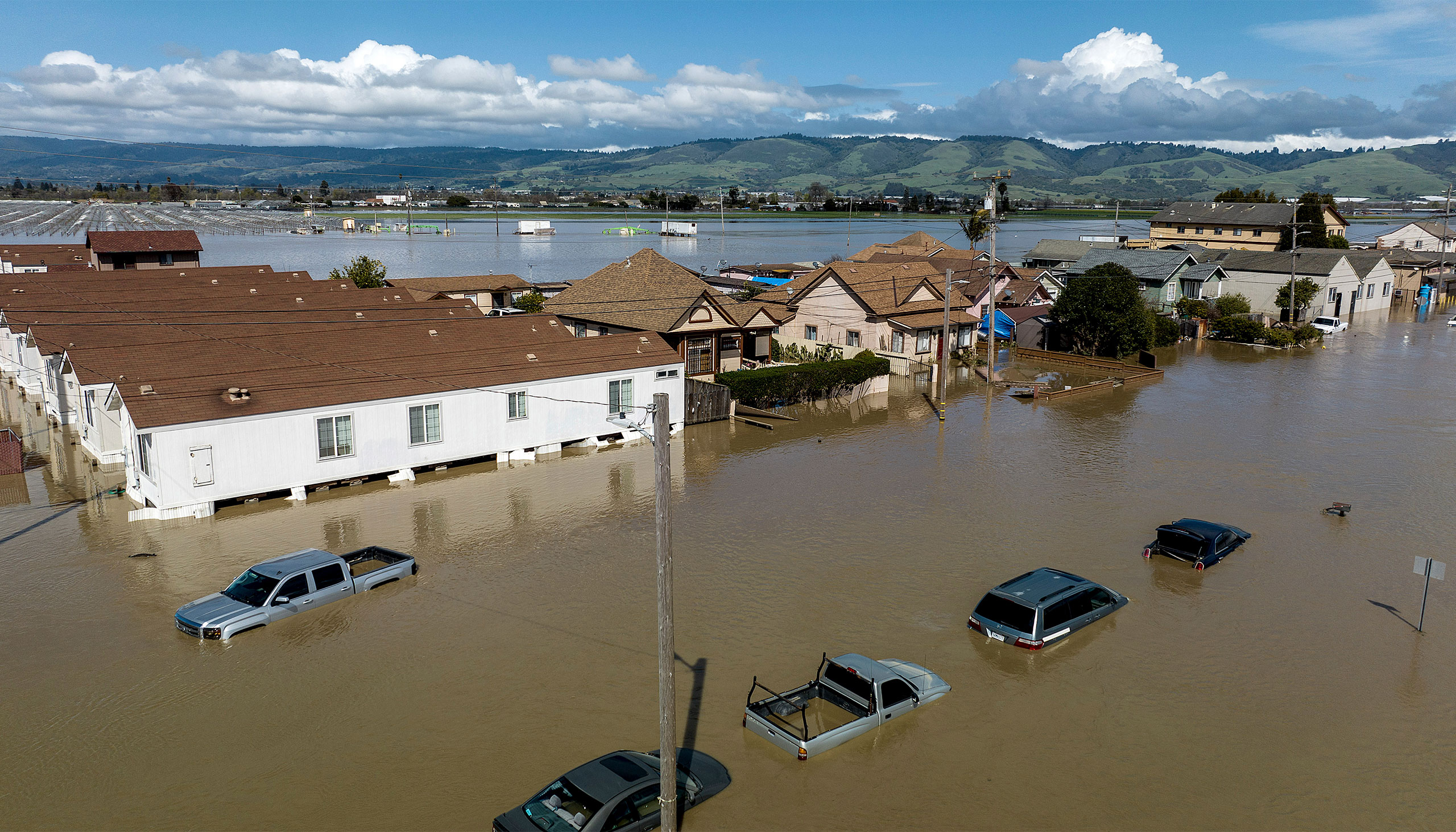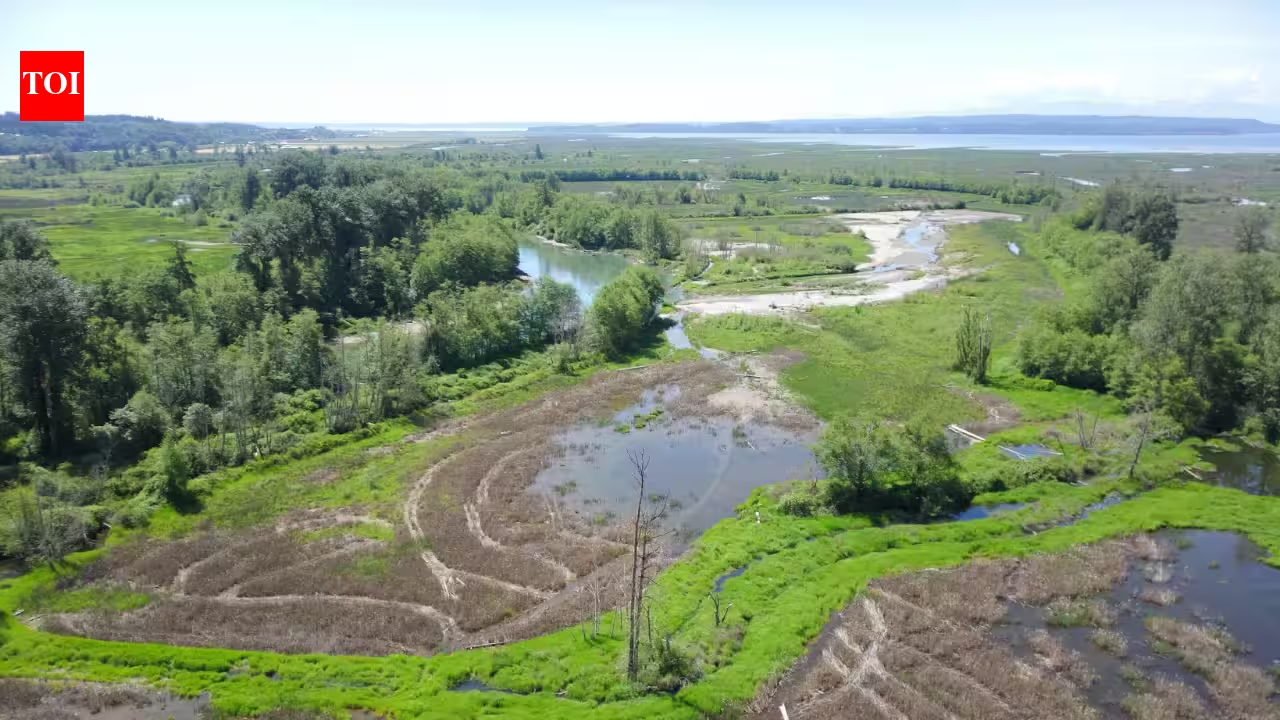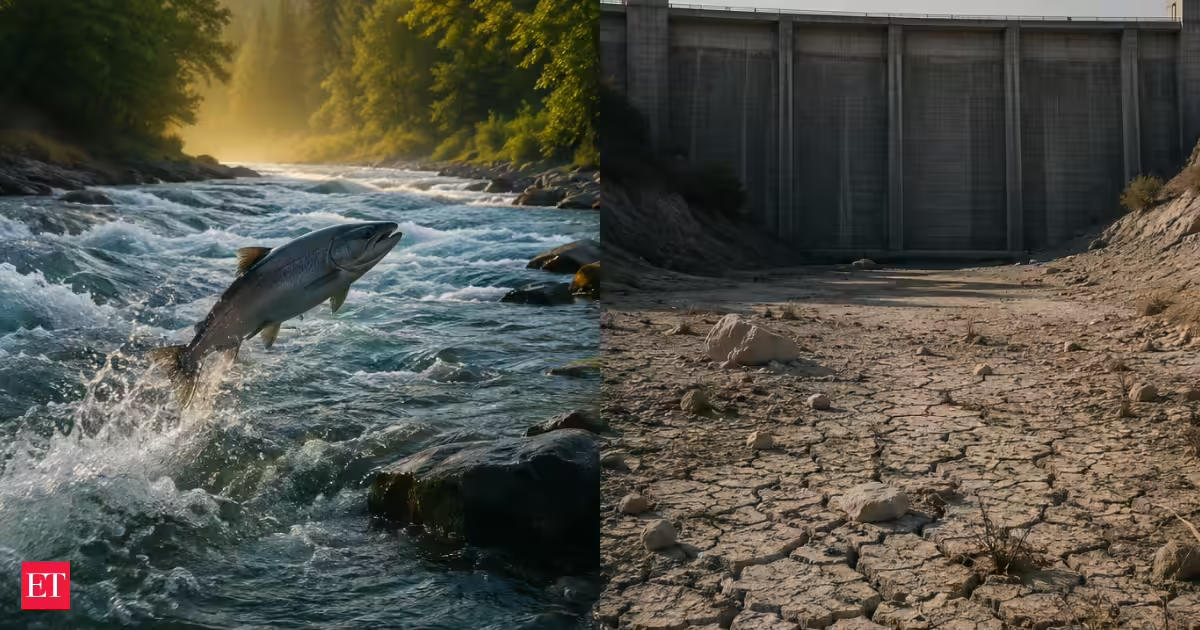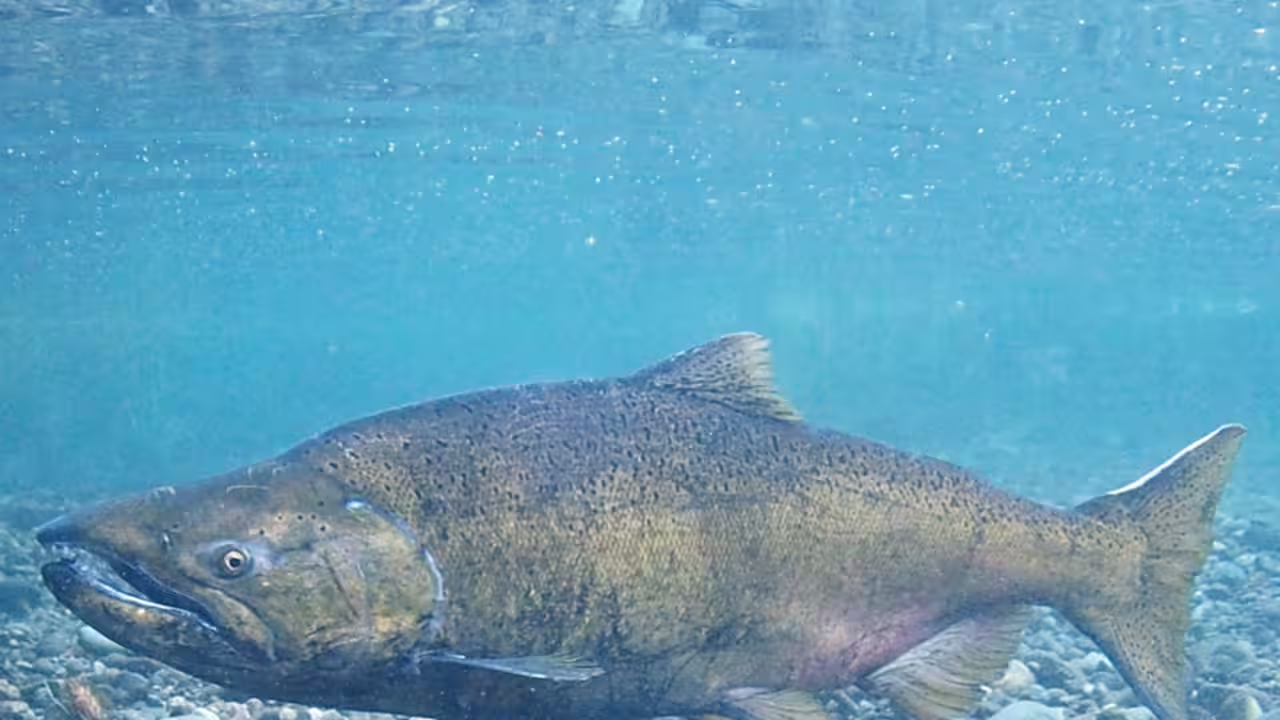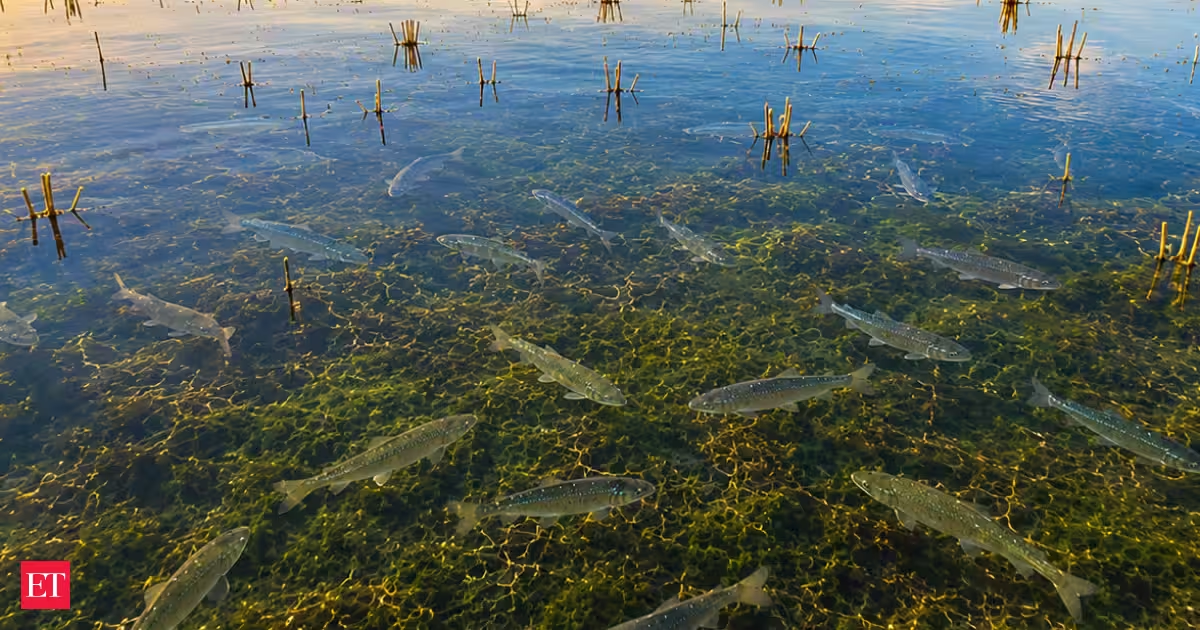
SynopsisFlooded rice fields in California's Yolo Bypass are helping young salmon grow significantly faster. These fields provide a rich food source and calm waters, which are essential for salmon survival. Scientists discovered that salmon in these fields grew eight times faster than in the Sacramento River. This innovative approach recreates natural floodplains which are crucial for salmon populations. Farmers are partnering with conservationists to create these vital aquatic nurseries.From dormant farmland to fish habitat: how a rice field transforms each winter (representative image). Image Credits: ChatGPTImagine a rice field during the peak of winter. All the harvest had been collected weeks ago. The visible crop is gone, but the stubble and leftover plant matter remain in the soil, biding its time until spring comes around. Now imagine that the farm is flooded up to ankle height and full of baby salmon. That is no fantasy; it has been done every year since 2011 in Yolo Bypass, California, and it is having a quiet but meaningful impact on the conservation of one of California’s signature species. Carson Jeffres, a fish biologist at UC Davis who has been working on this research for years, explained to UC Davis's science magazine that these baby salmon have grown as much as eight times faster in the flooded fields than in the Sacramento River, and that one line is what had the scientists so excited.Why the river alone is not enoughThe baby Chinook salmon that hatch from the upstream region must travel downstream through the Sacramento River in order to get to the ocean. The speed at which rivers flow means that food does not have enough time to accumulate in the waters. As such, the fish will remain small even as they waste energy in overcoming the water flow. Small-sized fish usually fare poorly after they reach the ocean. In a 2001 study in the Canadian Journal of Fisheries and Aquatic Sciences, T.R. Sommer and colleagues reported that salmon released on the Yolo Bypass floodplain in 1998 and 1999 grew larger and faster because they had more access to insect and invertebrate food sources.Young Chinook salmon thrive in the calm, insect-rich water of the flooded fields. Image Credits: Wikimedia CommonsTurning farmland into a nurseryBefore the damming and leveeing of California’s rivers, the Sacramento Valley would naturally flood every winter, and salmon used that floodwater as a nursery. Most of that floodplain is gone now, but the Yolo Bypass, a roughly 59,000-acre stretch of farmland near Sacramento, still floods seasonally when water levels are high enough to protect the city from overflow. Scientists discovered the fields within this bypass looked much like the wetlands that salmon used to rely on. So a team from UC Davis, California Trout and the California Department of Water Resources went to work to see if flooded, post-harvest rice fields could fill the void. They called it the Nigiri Project, after the sushi dish that combines a slice of fish with a mound of rice.What the science actually foundIn early 2012, the team introduced juvenile Chinook salmon to the flooded rice fields at Knaggs Ranch in the Yolo Bypass for the first formal study, building on flooding practices the project had already begun in 2011. According to the PLOS ONE study 'Floodplain farm fields provide novel rearing habitat for Chinook salmon,' led by Jacob Katz, Carson Jeffres, and colleagues, the fish grew quickly and remained in good condition compared with similar experiments on flooded natural floodplains. The study concluded that flooded rice fields could provide a substitute rearing habitat for the wetlands lost in the past century.In a later study, published in 2021, the evidence was taken further. Between 2013 and 2016, scientists led by Eric Holmes repeatedly experimented on the same rice fields. The study, ‘Reconciling fish and farms: Methods for managing California rice fields as salmon habitat,’ reports that zooplankton, a major food source for young salmon, were 53 to 150 times more plentiful in the flooded fields than in the nearby river. As a result, salmon in the fields grew two to five times faster than those in the nearby Sacramento River in this particular study, growth rates that have varied across different years and research efforts, with some seasons showing gains as high as eightfold. The extra food and calmer water helped the fish grow bigger and healthier.Winter flooding on the Yolo Bypass recreates the conditions salmon evolved to rely on. Image Credits: Wikimedia CommonsWhy farmers are willing partnersNone of this takes place without the landowners. Separate from the bypass's larger flood-control flooding, individual Yolo Bypass rice farmers choose to grow their crop through the summer and then let their fields flood in winter, when the land would be fallow anyway. It's a cheap way for farmers to help wildlife without losing farmland. Flooding the bypass also helps to recharge groundwater and reduces flood risk downstream for the state. This is one of those rare cases where farming, flood control, and conservation are all moving in the same direction and not conflicting.A small fix with a bigger lessonBlocked migration routes, repeated droughts, and dams have reduced California's salmon runs. Flooded rice fields won’t fix that damage, but they show that even land which has been thoroughly industrialized has the potential to be an ally to struggling species, if people are willing to think about how they use it. Since then, the approach has been expanded to other fields throughout the Sacramento Valley, and similar floodplain concepts are being tried with other native fish as well.The bigger point is not really about salmon. It’s about looking at land we think has one job and asking what else it could be quietly doing. Sometimes the answer is right there, just under a few inches of winter water.Read More News onRead More News on
In 2011, California turned dormant rice fields into winter salmon nurseries; the young fish grew up to eight times faster than in rivers
Since 2011, California's Yolo Bypass has transformed dormant rice fields into vital winter nurseries for young salmon, helping them grow up to eight times faster than in rivers. This groundbreaking project demonstrates the intersection of agriculture and wildlife conservation.
965 words~4 min read