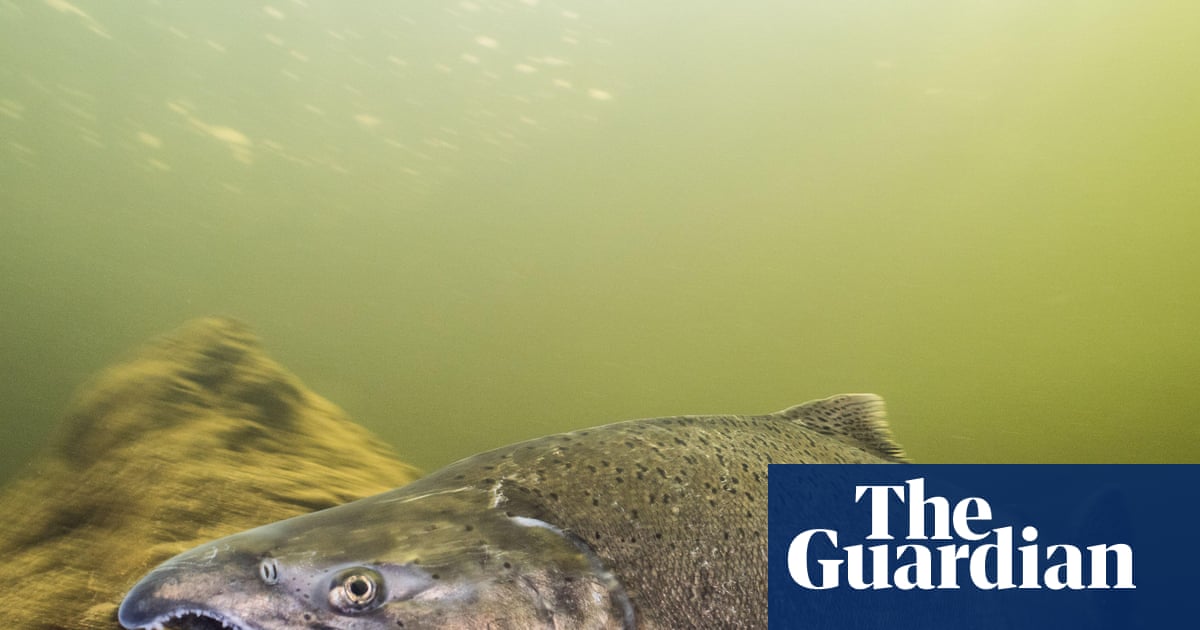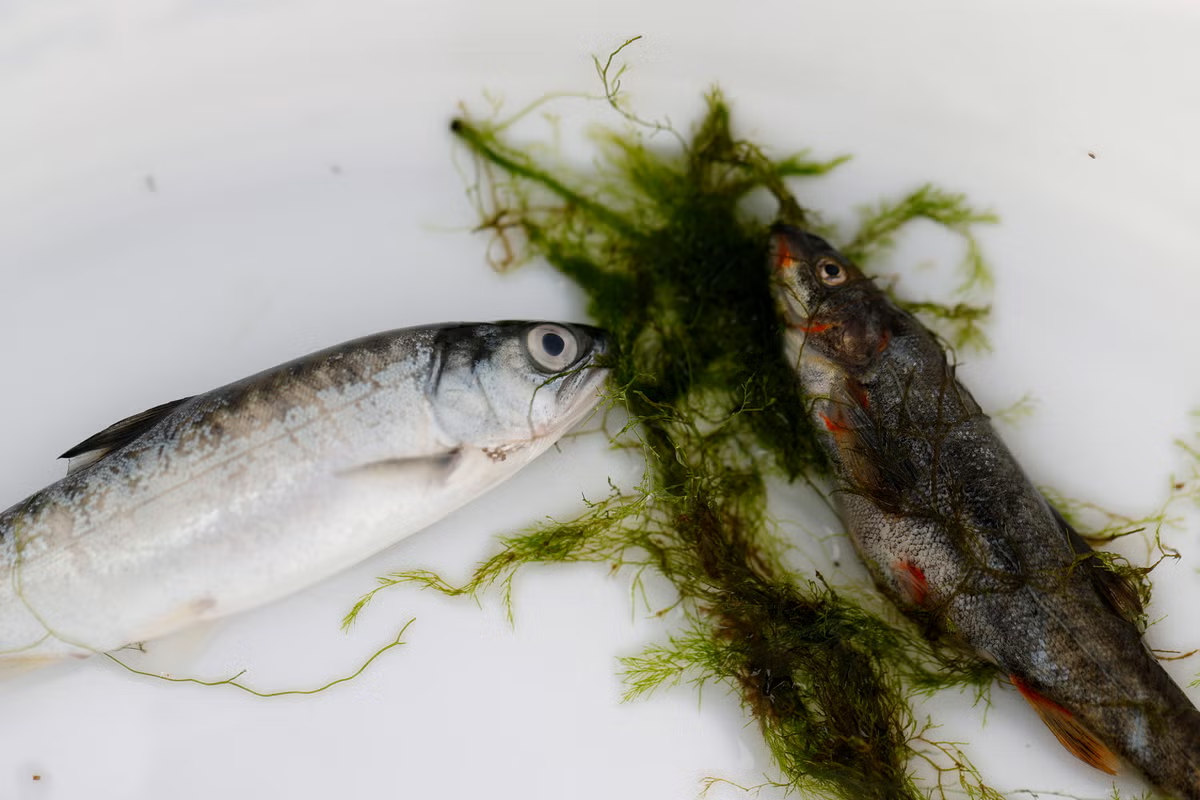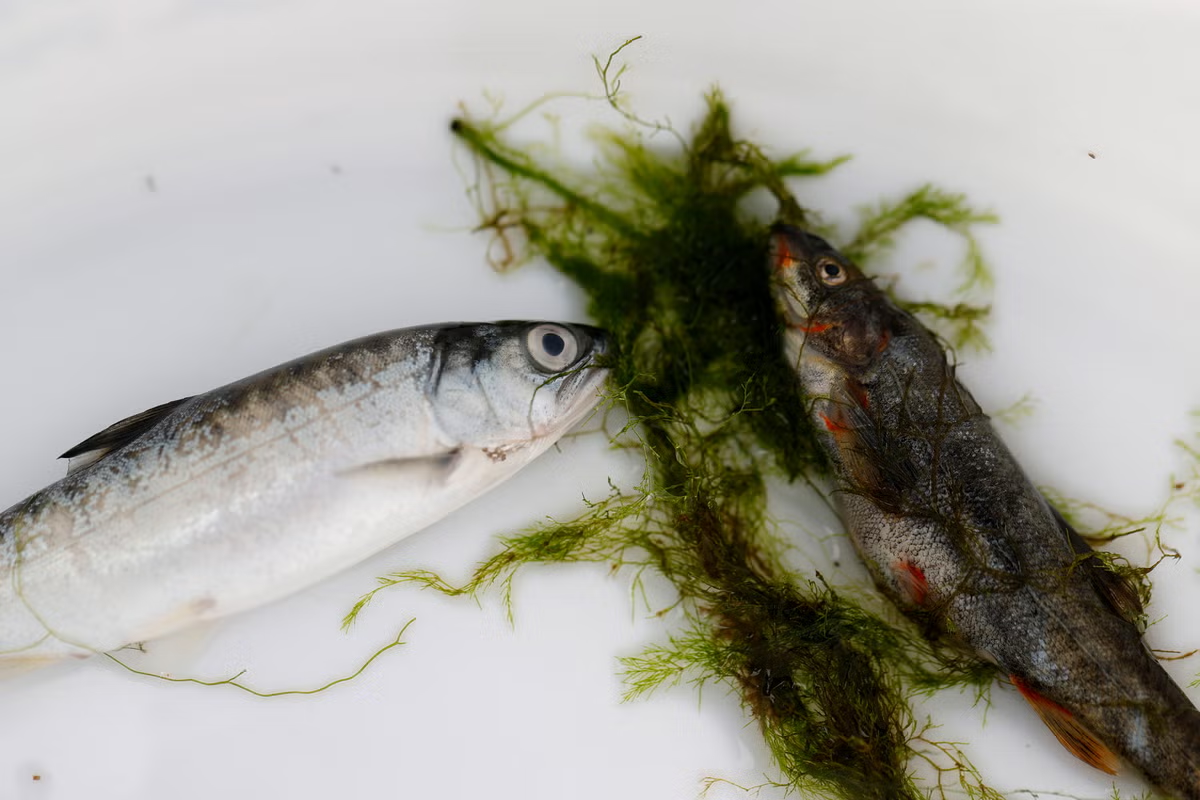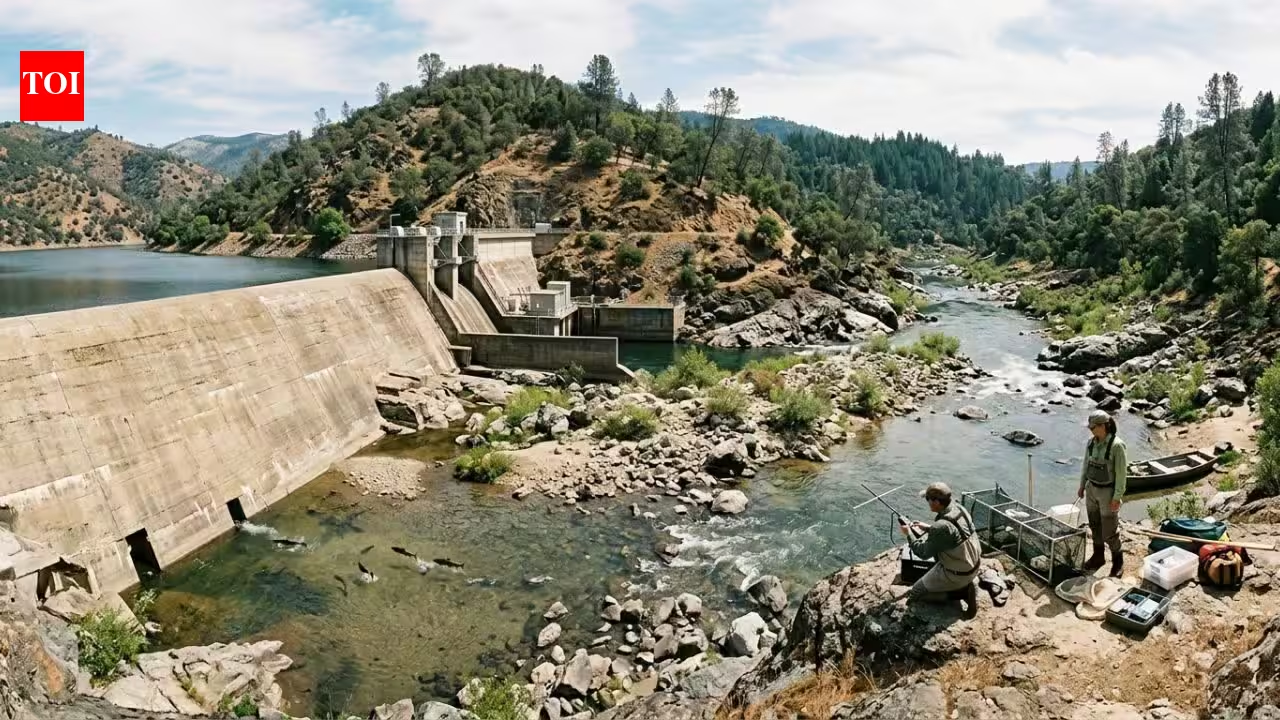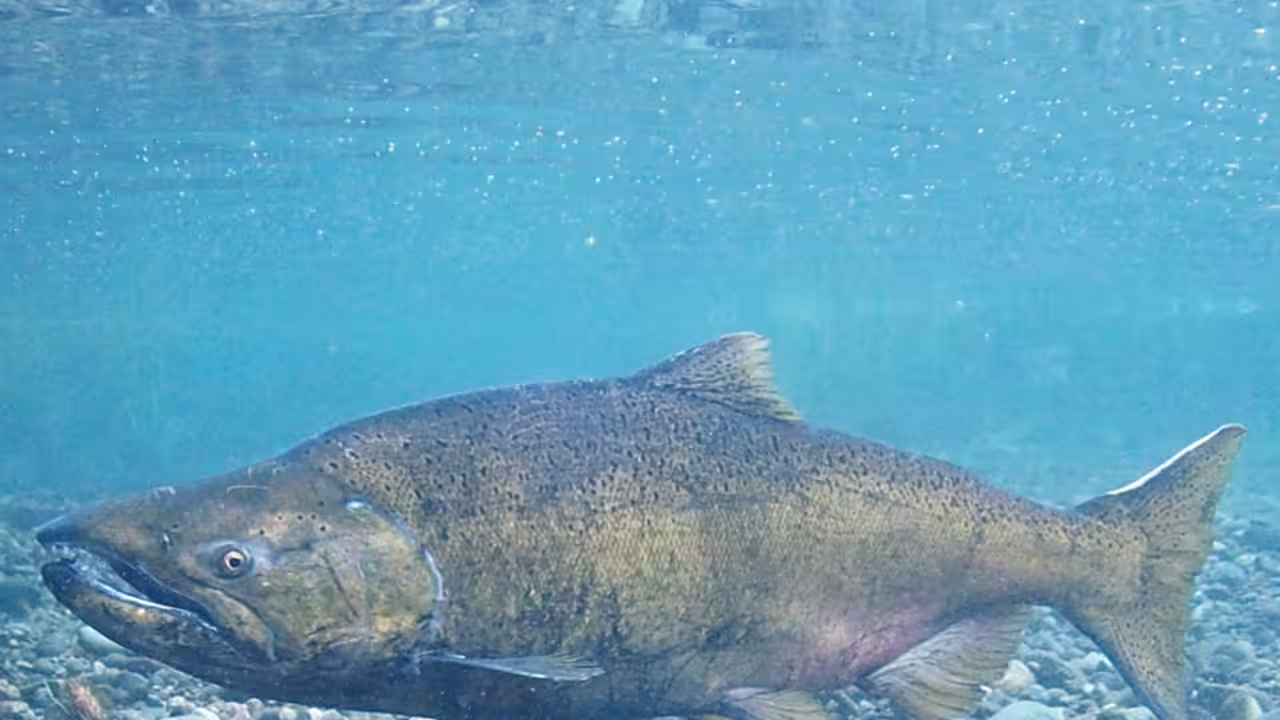
A chinook salmon (Oncorhynchus tshawytscha) swimming at McAllister Springs in Washington in the United States. Image Credits: Wikimedia CommonsThe path from river to ocean is one of constant change. Water temperatures shift, prey populations rise and fall, and predators appear in different numbers throughout the year. For juvenile winter-run Chinook salmon moving through California's Shasta Reservoir, these seasonal changes create a very different journey depending on when they arrive. According to research published in Frontiers in Ecology and Evolution, juvenile winter-run Chinook salmon encounter strikingly different conditions across the seasons. While spring offers abundant food that helps the fish grow, autumn brings shrinking prey populations and the highest levels of predation, creating the most difficult period for survival.A reservoir that has reshaped a historic migrationHistorically, Chinook salmon migrated up the McCloud River to reach the cold mountain streams where they spawned each year. That migration was interrupted by the construction of Shasta Dam, which cut off access to much of the species' historic spawning habitat. Today, as conservation efforts explore reintroducing winter-run Chinook salmon to these upstream waters, young fish would once again need to pass through Shasta Reservoir on their journey downstream to the ocean.Unlike a natural river, the reservoir has its own seasonal cycle. Water temperature, food availability and predator populations fluctuate throughout the year, creating conditions that can either support or hinder the survival of young salmon. According to the above research, spring is the most favourable season for juvenile Chinook salmon because the reservoir contains abundant zooplankton, particularly Daphnia, which serve as an important food source. These tiny freshwater animals provide the nutrients young fish need to grow quickly before continuing their migration. As the year progresses, the abundance of zooplankton declines. By autumn, juvenile salmon have far fewer feeding opportunities. The study found that threadfin shad, which also feed on zooplankton, overlap with salmon in their use of this food resource, increasing competition when prey becomes scarce.Autumn brings the greatest survival challengeOctober is the period when predatory fish place the greatest pressure on juvenile Chinook salmon, making it one of the most difficult times of the year for the young fish to survive. Warm autumn water keeps predators active and increases their food needs. Larger fish already living in the reservoir, including trout, larger salmon and Sacramento pikeminnow, are capable of feeding on juvenile Chinook. Because the young fish enter the reservoir at a relatively small size, they become especially vulnerable during this period.With fewer food sources, juvenile salmon develop more slowly, which makes it difficult for them to avoid being killed or to fight for the available resources. As prey become scarcer and predator numbers increase, juvenile salmon face their greatest challenge. The combination of limited food and higher predation pressure creates a critical period, where slower growth can reduce their chances of surviving the journey downstream. As the temperature of the water starts falling at the beginning of winter, the number of predators becomes lower, which gives relief to the surviving fish. But the fish that lose feeding opportunities in autumn may need some additional time to increase their size before going to another part of their migration path.For young Chinook salmon, surviving the journey through California's Shasta Reservoir may depend as much on when they arrive as where they are released. Image Credits: Wikimedia CommonsBetter timing could improve reintroduction effortsThe findings suggest that the timing of salmon releases may be as important as habitat restoration itself. Releasing young fish when food is plentiful and predation pressure is lower may improve their chances of surviving the critical early stages of migration.This idea is supported by research published in the Canadian Journal of Fisheries and Aquatic Sciences, which has shown that rapid growth during the juvenile stage significantly increases the likelihood of survival in Pacific salmon. Young fish that grow quickly are generally better able to avoid predators, compete for food and cope with changing environmental conditions, making access to rich feeding grounds an important part of successful migration.Together, these findings highlight that rebuilding California's winter-run Chinook salmon population will require more than restoring access to historic rivers. Reservoirs created by dams have become part of the species' life cycle, and understanding how seasonal changes affect food supplies and predator activity can help conservation managers identify the periods when young salmon have the best chance of surviving. As freshwater ecosystems continue to change under the influence of a warming climate, such insights are likely to become increasingly valuable in protecting one of the state's most iconic migratory fish.
In California’s Shasta Reservoir, young winter-run Chinook salmon find more food in spring but face higher predation risk in autumn, shaping reintroduction plans
The path from river to ocean is one of constant change. Water temperatures shift, prey populations rise and fall, and predators appear in different numbers throughout the year.
754 words~3 min read