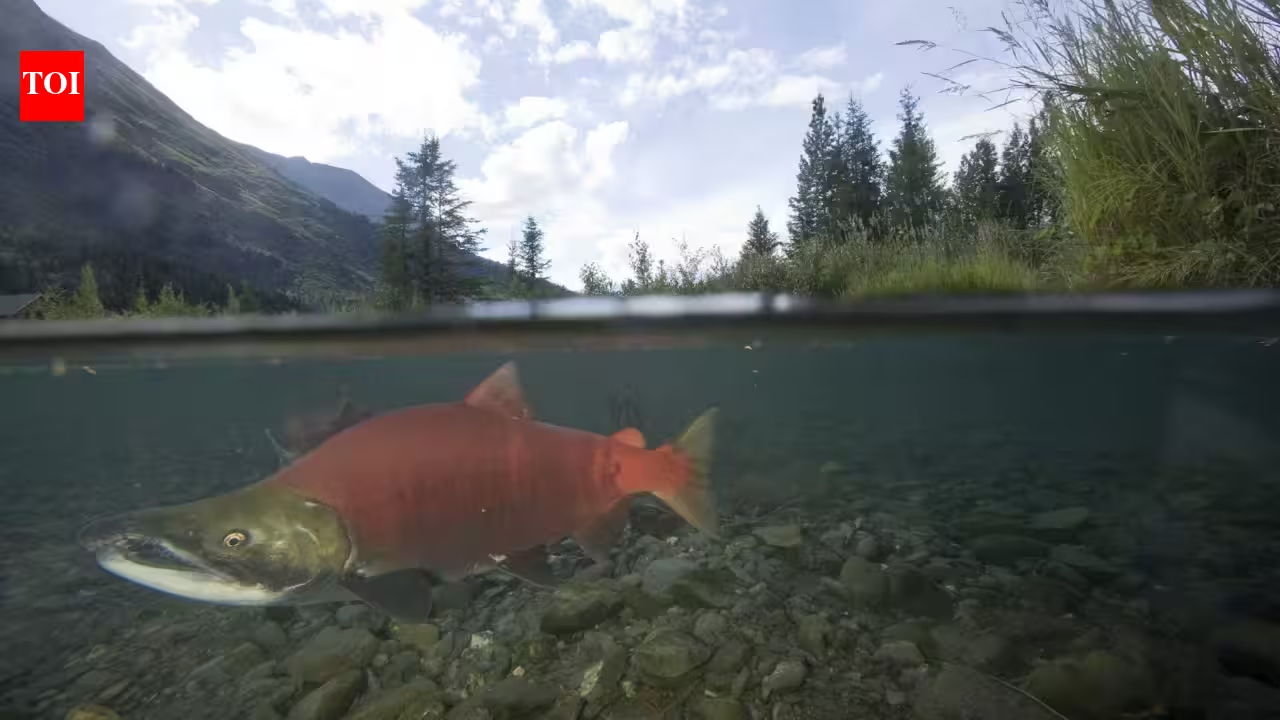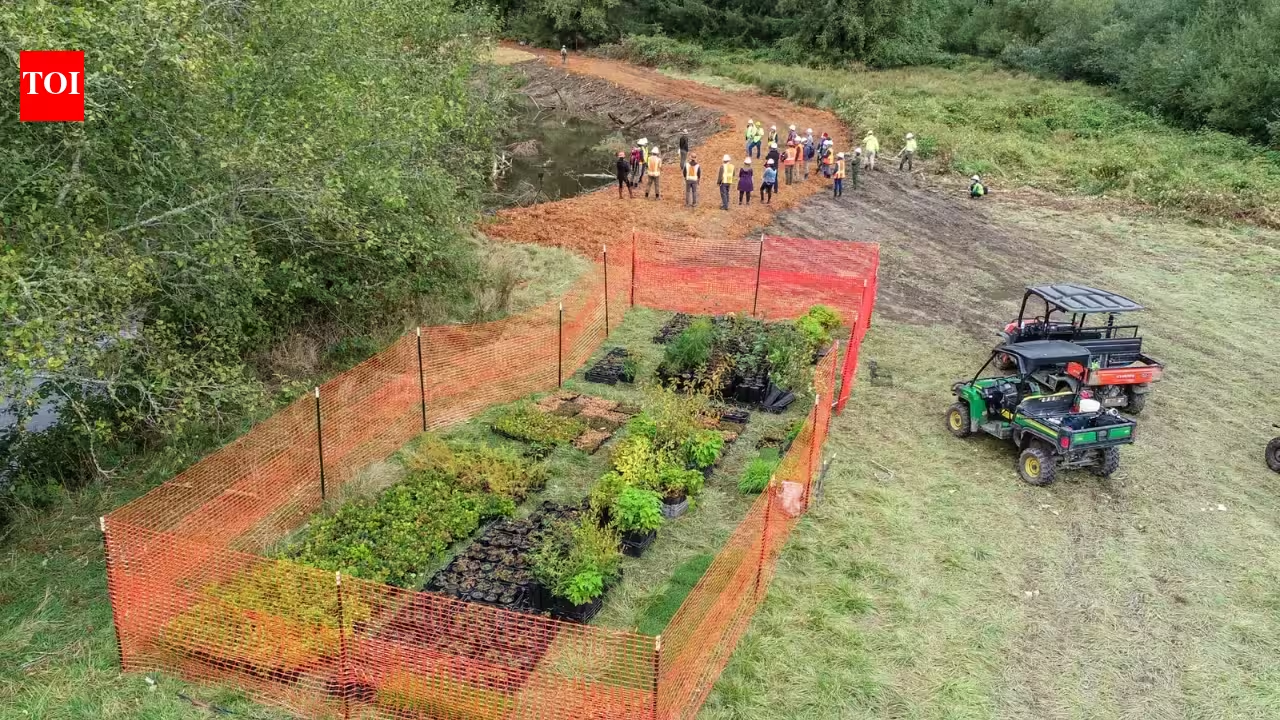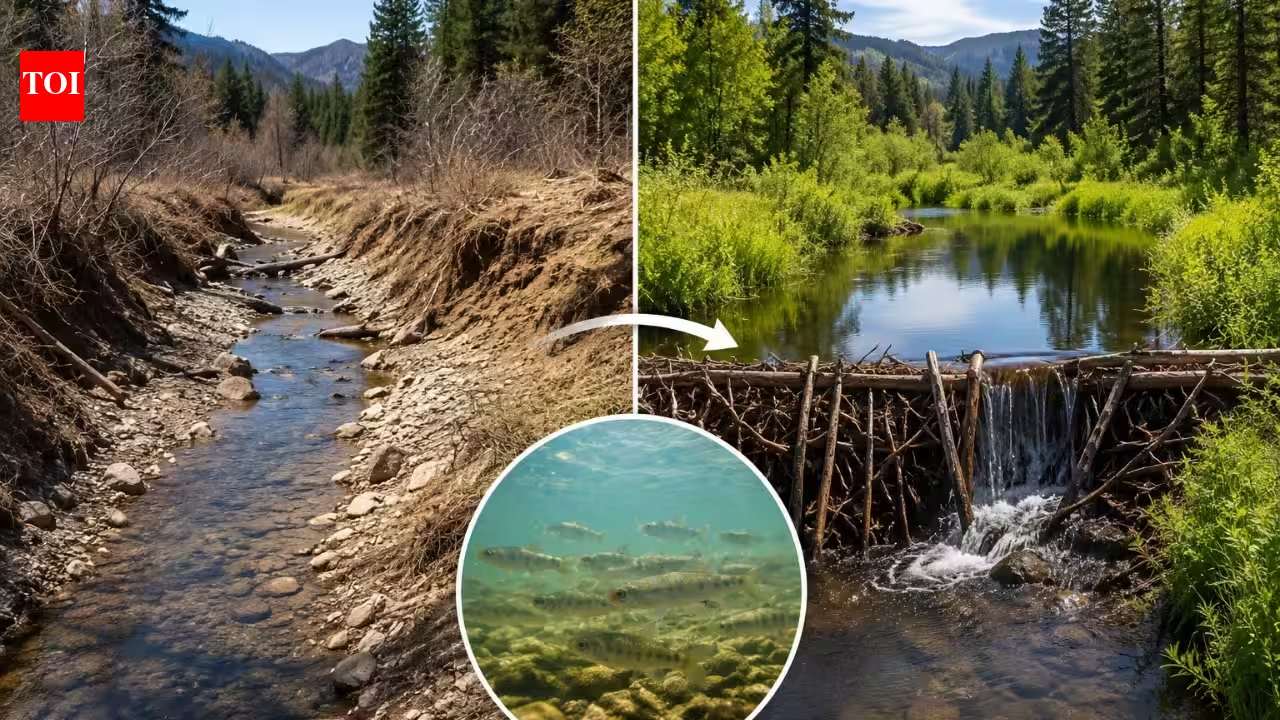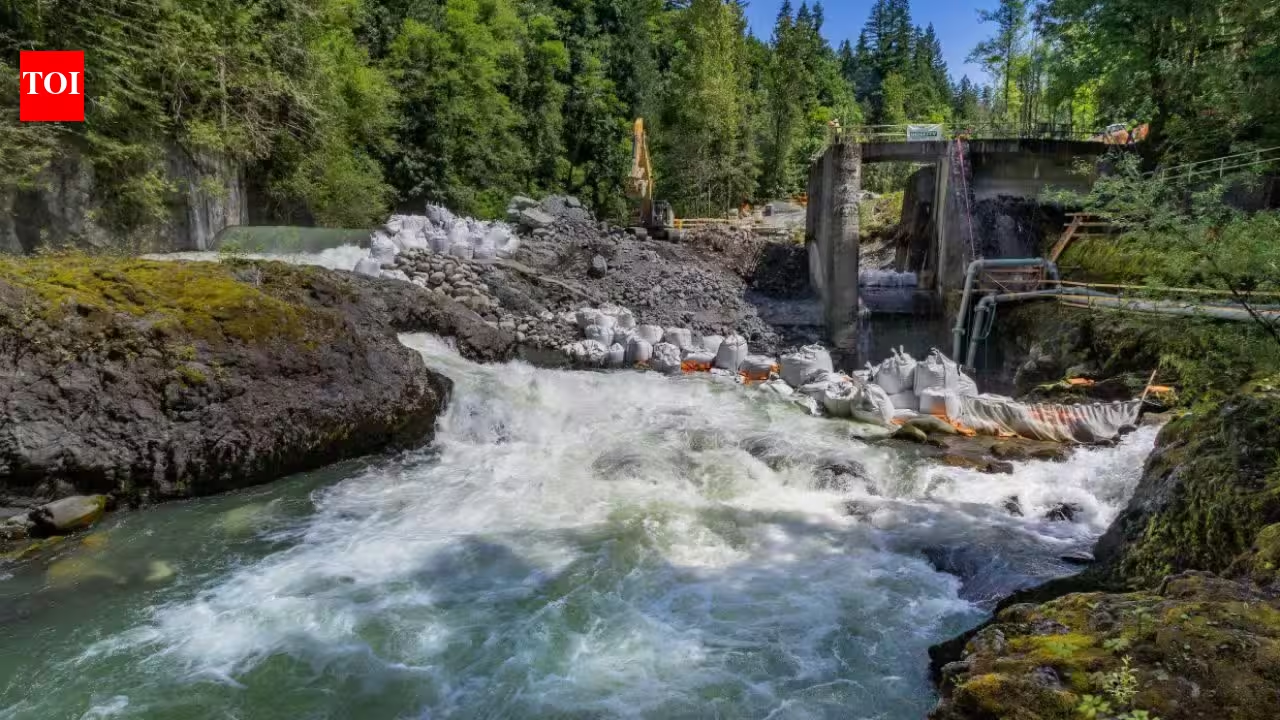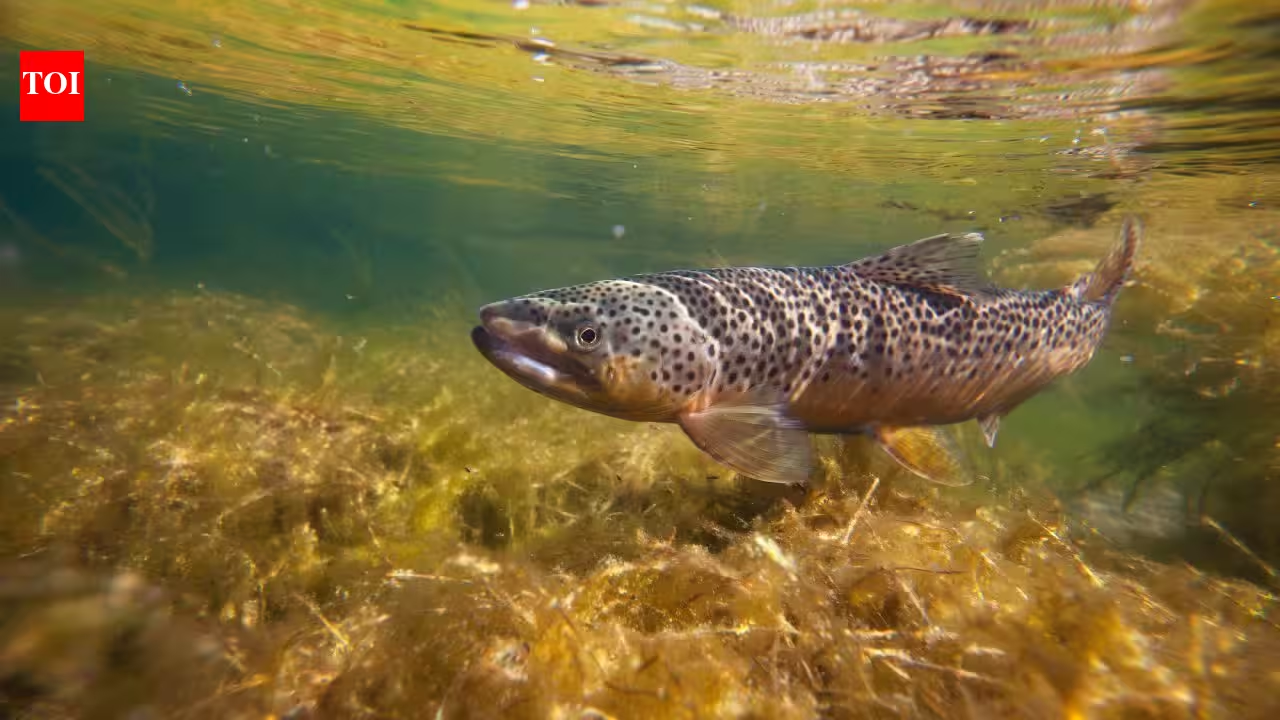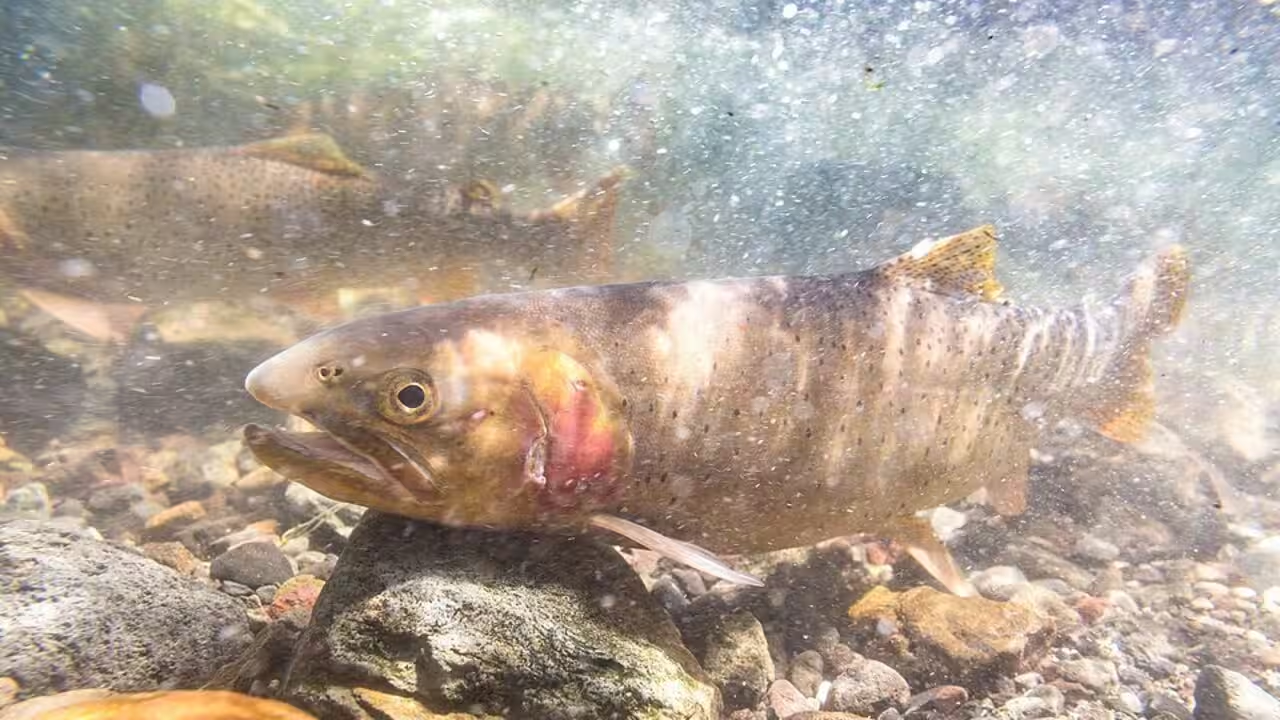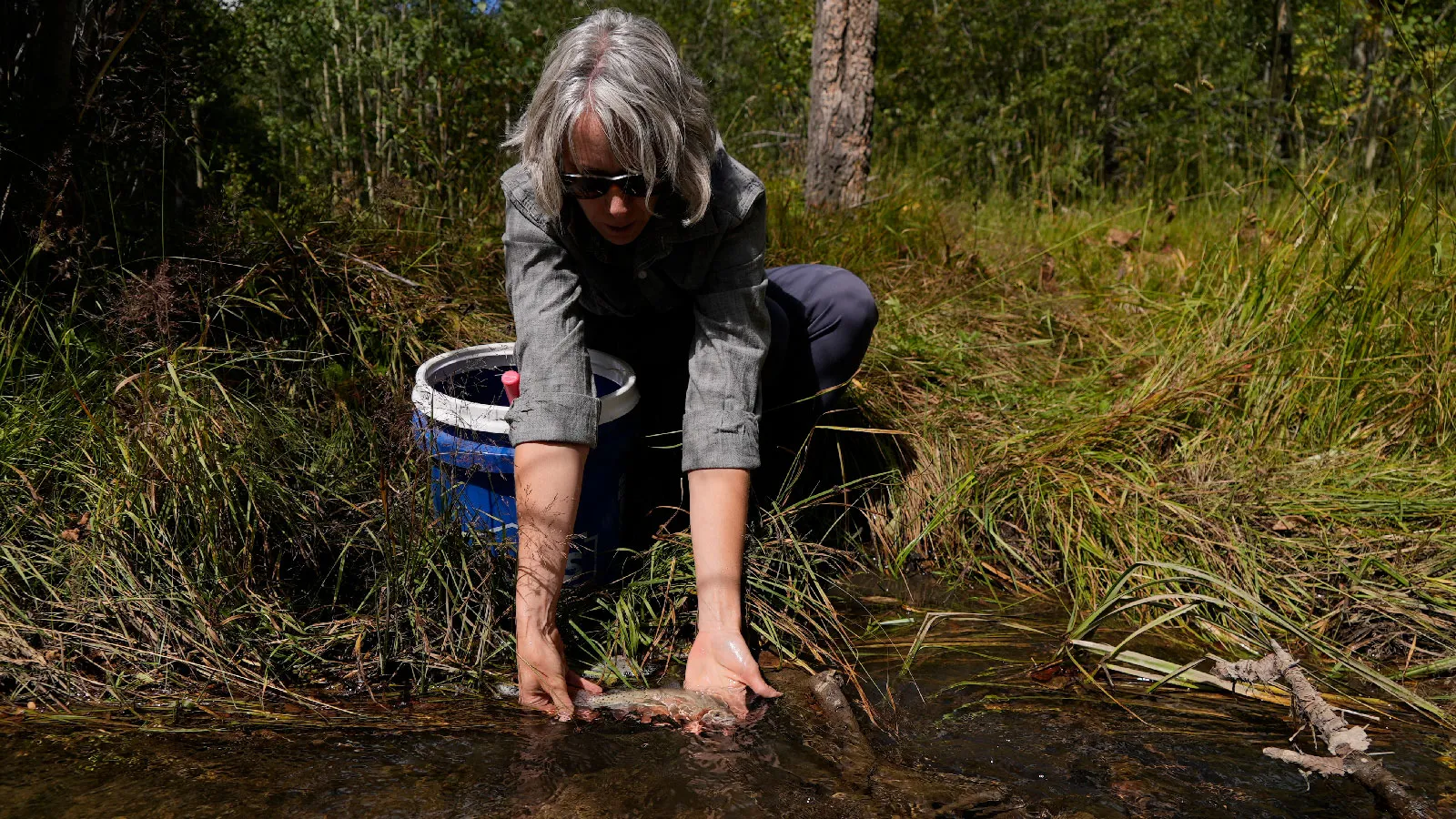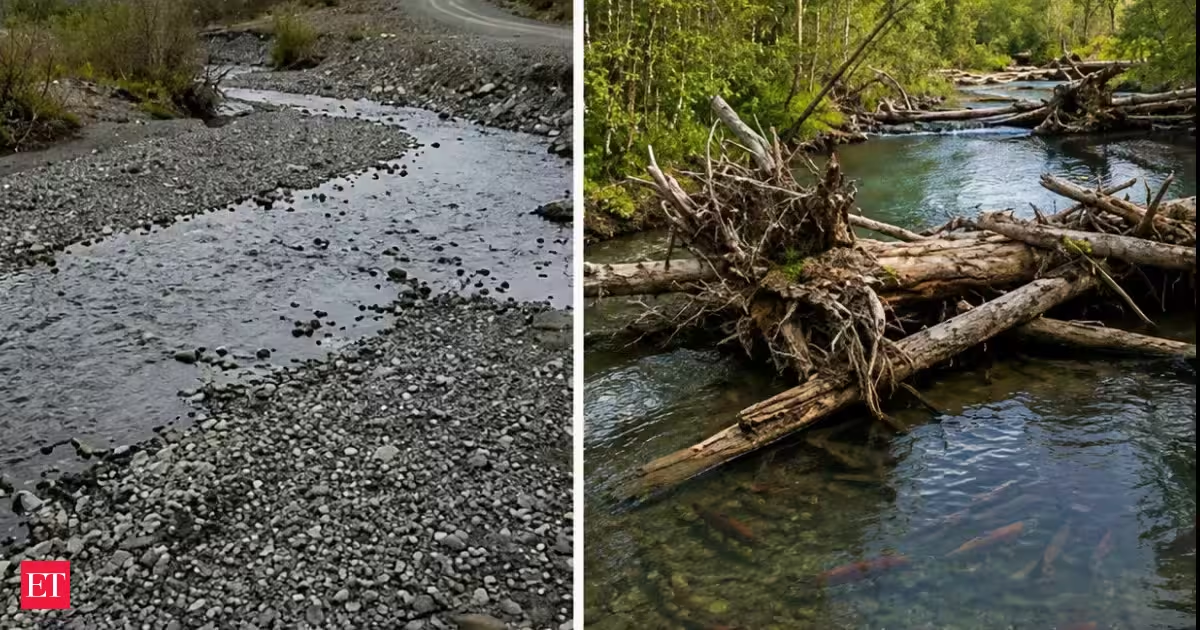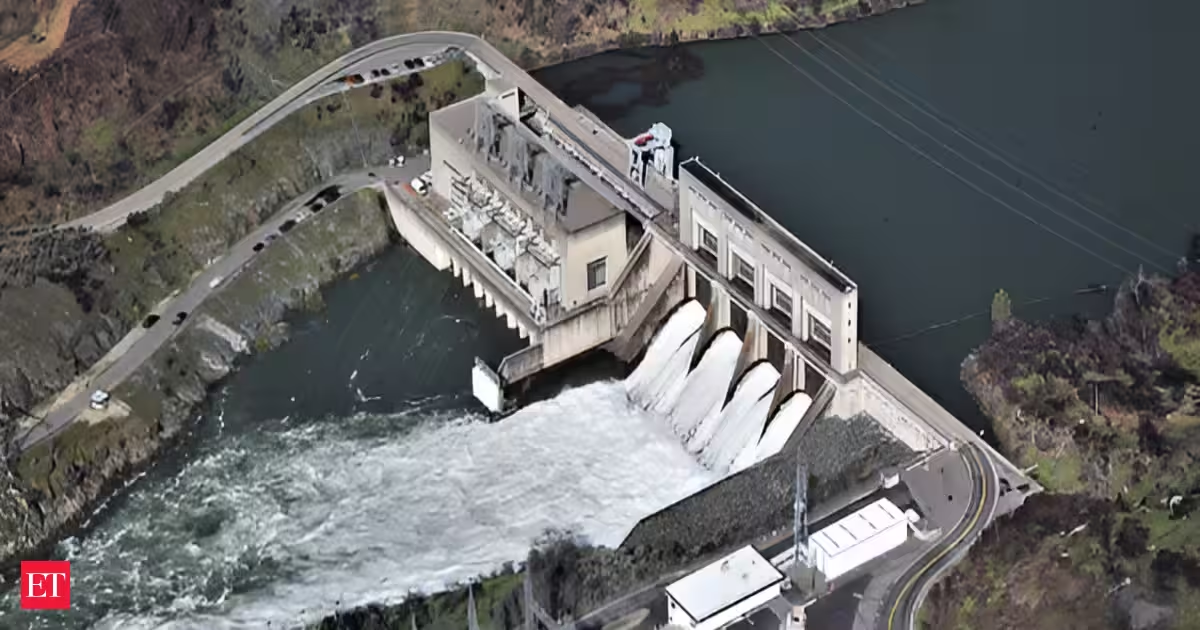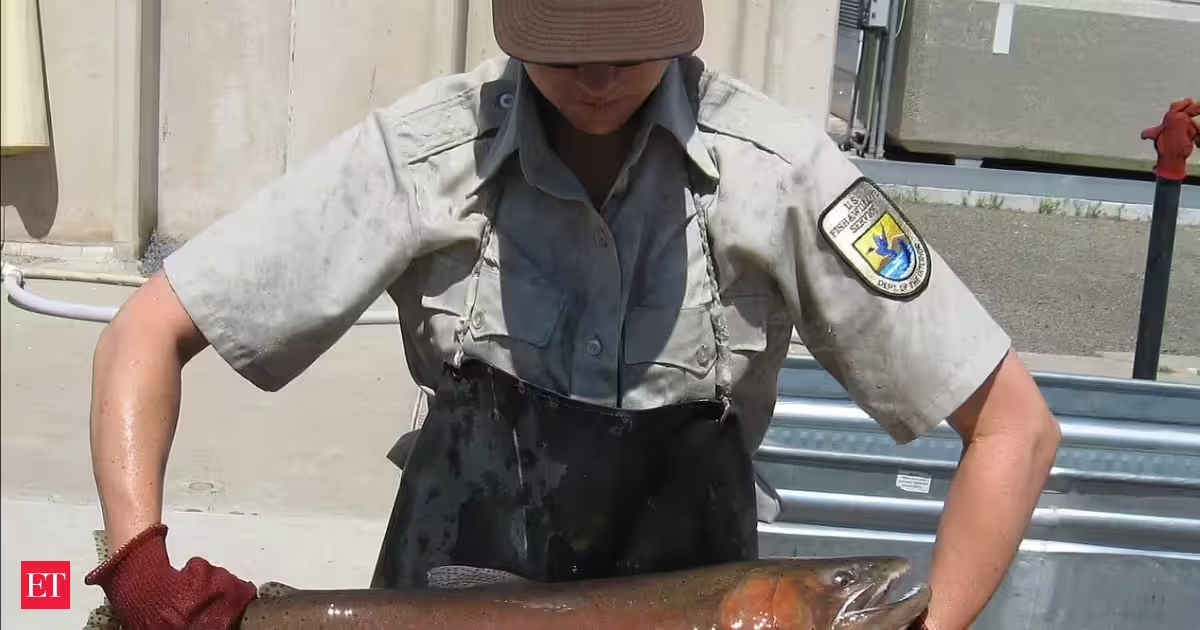
Restoring a single stretch of river to the native fish it once held took 15 years and a combination of deliberate intervention, accident, and disaster: a suddenly breached aquifer, an unplanned wildfire, and a methodical, large-scale poisoning of 44 miles of water.The U.S. Fish & Wildlife Service stocked several Lahontan cutthroat trout in Nevada. Image credits: Wikimedia CommonsAs per a U.S. Fish and Wildlife Service report, that is what it took to ensure the recovery of the Lahontan cutthroat trout back to one river segment in the northeastern part of Nevada.A river that just disappearedThe North Fork of the Humboldt River, nestled in the Independence Mountains, once contained the largest documented population of Lahontan cutthroat trout, which were the state fish of Nevada and the largest freshwater cutthroat species in the United States, according to the U.S. Fish and Wildlife Service. In 2006, exploratory gold drilling in the area accidentally connected two underground aquifers, acting like a straw between them.The level of groundwater fell by 226 feet. Springs feeding the river ran dry. By 2011, the results of surveys conducted by the state had shown zero Lahontan cutthroat trout left in the river, having been pushed downstream into waters teeming with nonnative brook and rainbow trout, which either competed with them, ate them, or hybridized with them. This is the less visible problem that the native fishes of the American West are up against. The Lahontan cutthroat trout, which used to exist in more than 7,000 miles of stream and over a dozen lakes, now only exists in about 10 percent of its former range.The fixHowever, even after the aquifer plug was installed and the water levels restored, the agencies were still facing a brook trout problem, and now comes the embarrassing part. "The system is so large and complex, mechanical removal (removing fish by hand) is ineffective. I compare it to removing potato bugs by hand in a potato field," stated Jacob Stoller, an NDOW Wildlife Department biologist. Beginning in 2014, over 80 individuals from both state and federal agencies spent two years poisoning 44 miles of river with rotenone, a fish-killing chemical, to clear out the non native population before native trout could be reintroduced.Rotenone doesn't only affect fish. A frequently cited 2010 article titled “Piscicides and invertebrates: after 70 years, does anyone really know?,” published in Fisheries, by Vinson, Dinger, and Vinson, reveals that there is an impact of these kinds of chemical applications on invertebrate populations within a few weeks of application. Recovery for some invertebrate species, the study found, can take several years rather than the few months officials often expect, raising the question of whether the river's food web had fully recovered by the time trout went back in.Lahontan cutthroat trout. Image credits: Wikipedia The public record on the North Fork project doesn't spell out how closely officials tracked invertebrate recovery there specifically, so it's not clear how much of that gap applied to this stretch of river; what is documented is that the reintroduced trout population still went on to establish itself.The payoff, and the fine printFrom 2015 to 2018, wildlife officials released about 400 cutthroat trout above the barrier that was designed to block invaders. In 2018, a wildfire burned more than 230,000 acres near the site and posed a risk of destroying all that work, but the habitat, carefully managed by the Forest Service, survived. Then, in June 2021, biologist Chad Mellison tossed a fishing line into the North Fork of the Humboldt River on an impulse and reeled in a wild Lahontan cutthroat trout, confirming that the site had indeed been repopulated, ten years since it disappeared from there.It is a genuine success story, though not an unqualified one. The species as a whole is still struggling: Nevada's Lahontan Cutthroat Trout program reports the fish occupies only about 10 percent of its historic stream habitat statewide, and a 2023 federal status review by the U.S. Fish and Wildlife Service found the species' numbers continuing to decline across its full range, even as individual projects like this one succeed.
In 2014, Nevada agencies began poisoning 44 miles of waterway after hand-removal failed; they later released about 400 native trout
Discover the 15-year journey of restoring Lahontan cutthroat trout in the North Fork of the Humboldt River, encompassing challenges, innovative methods, and surprising successes in wildlife conservation.
678 words~3 min read