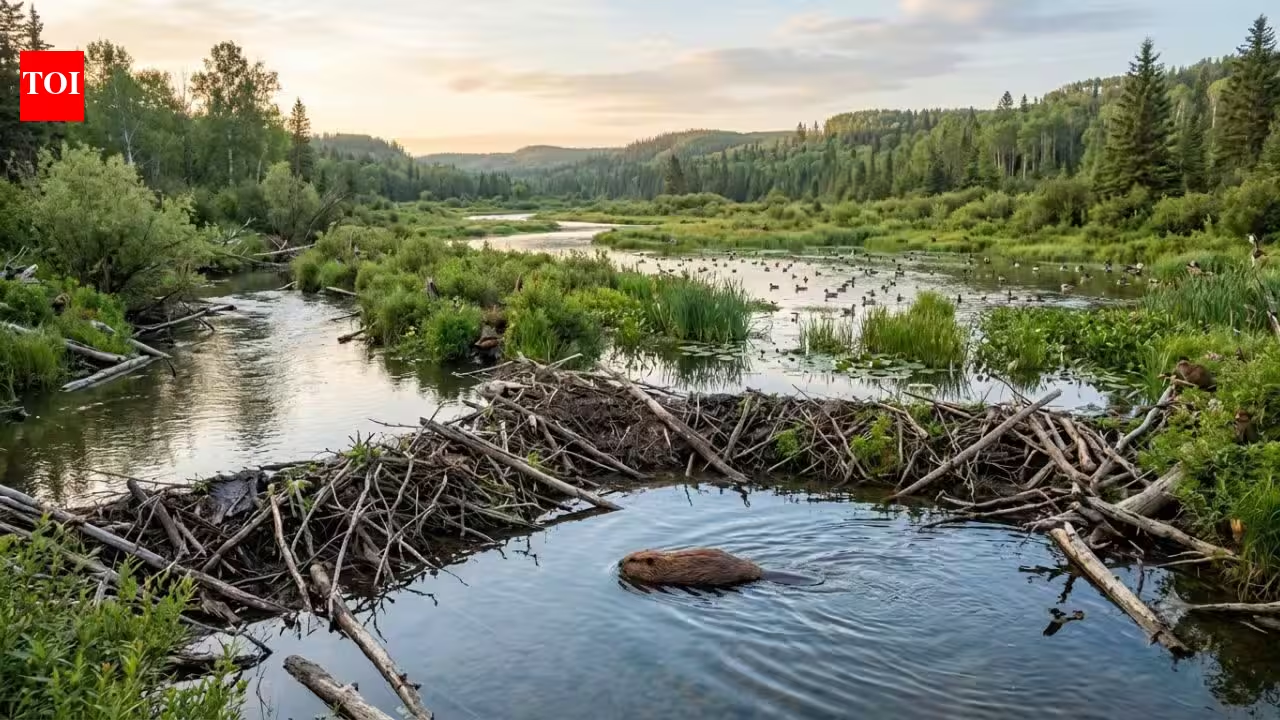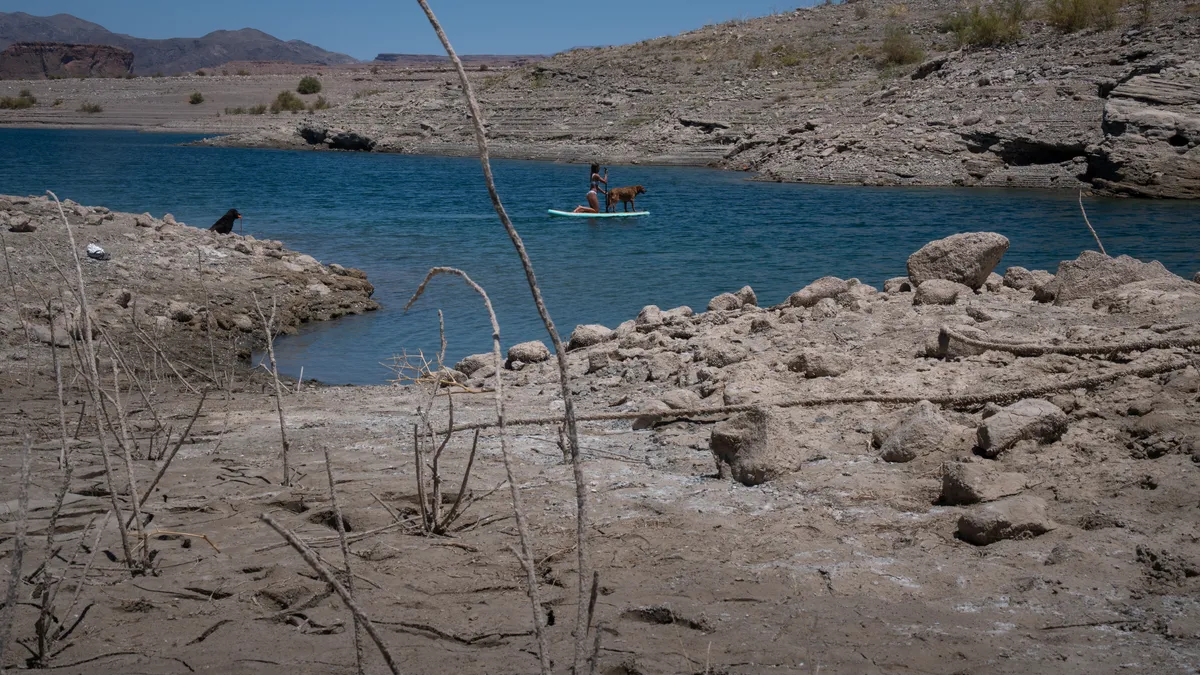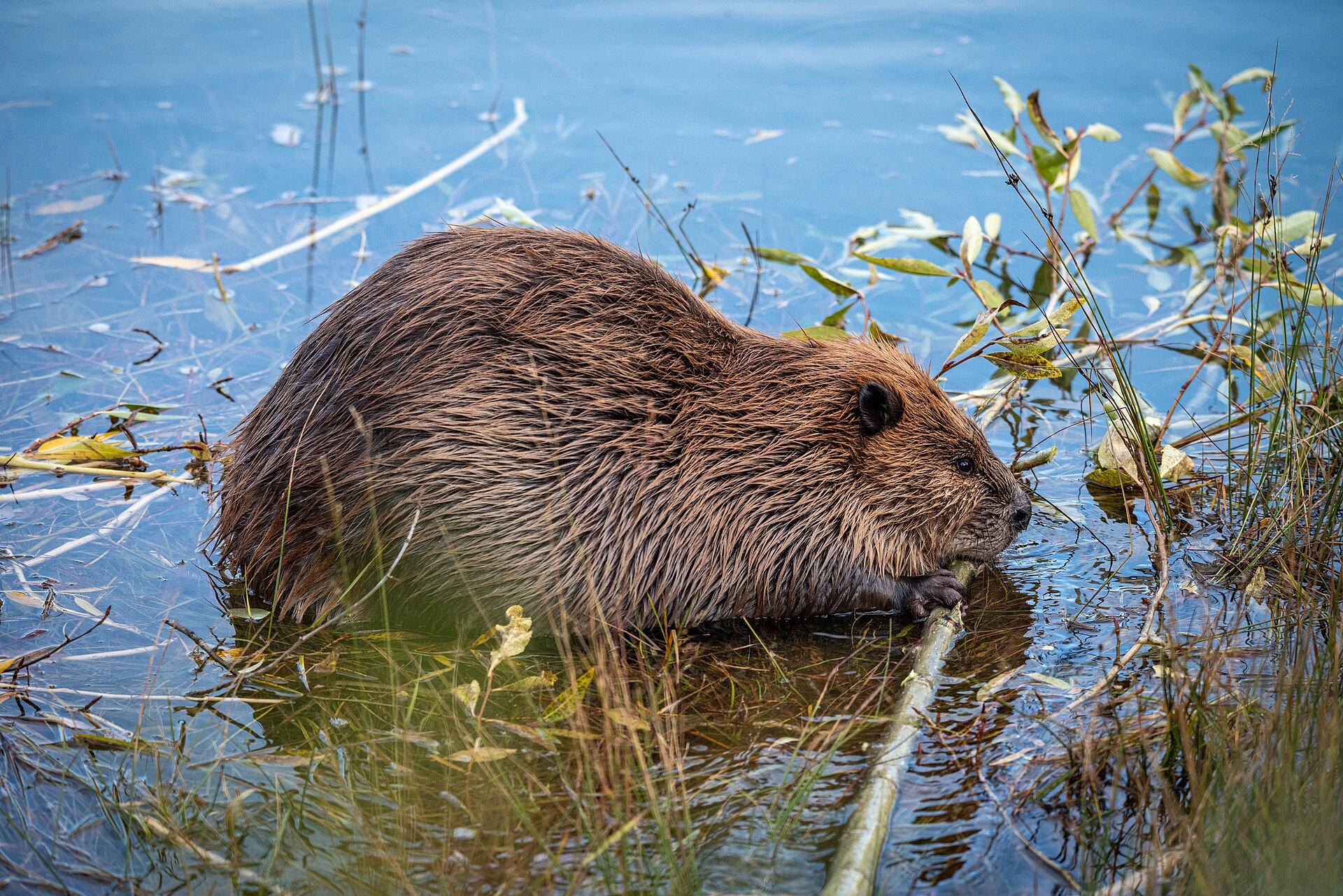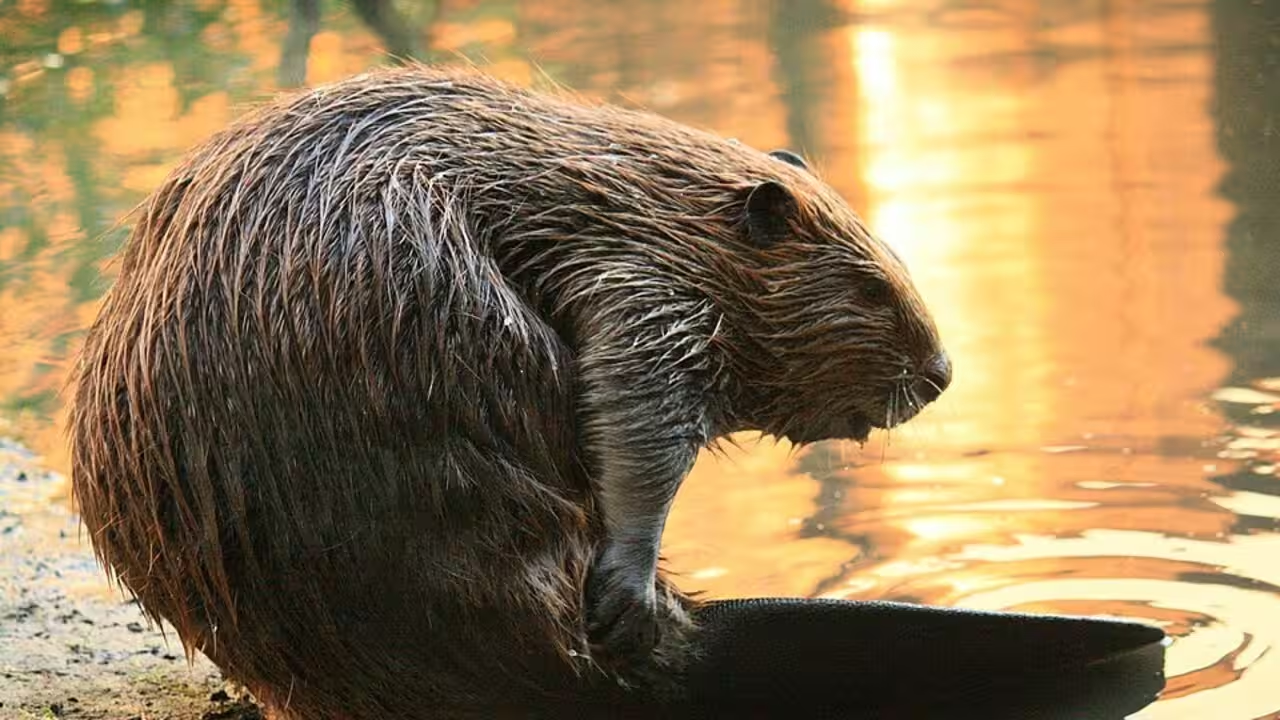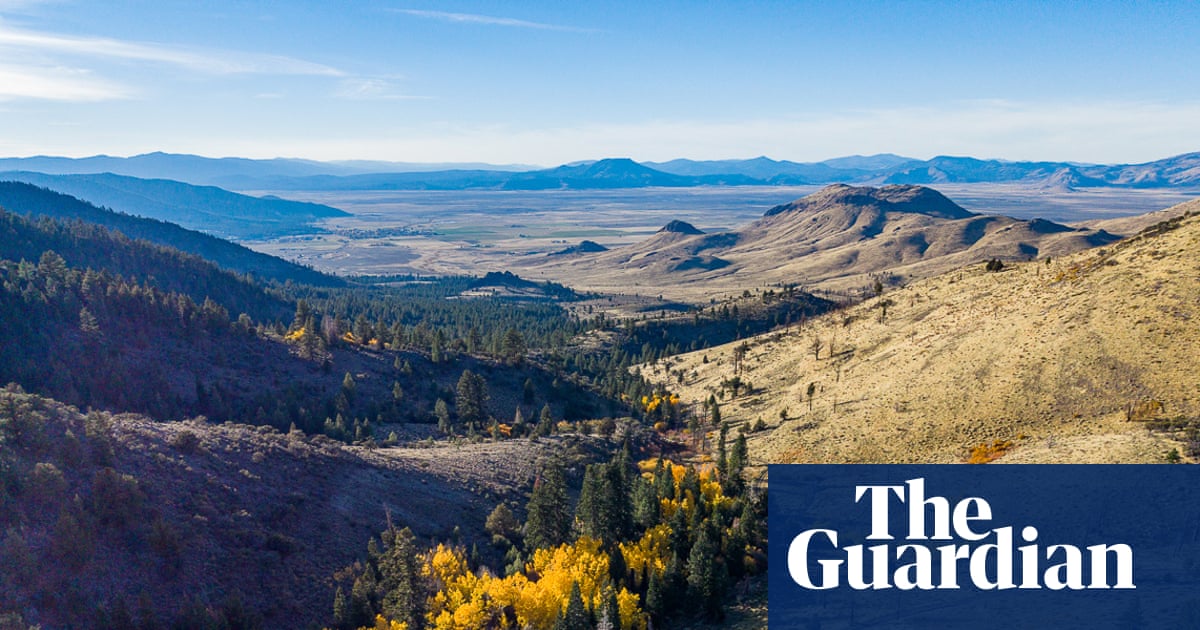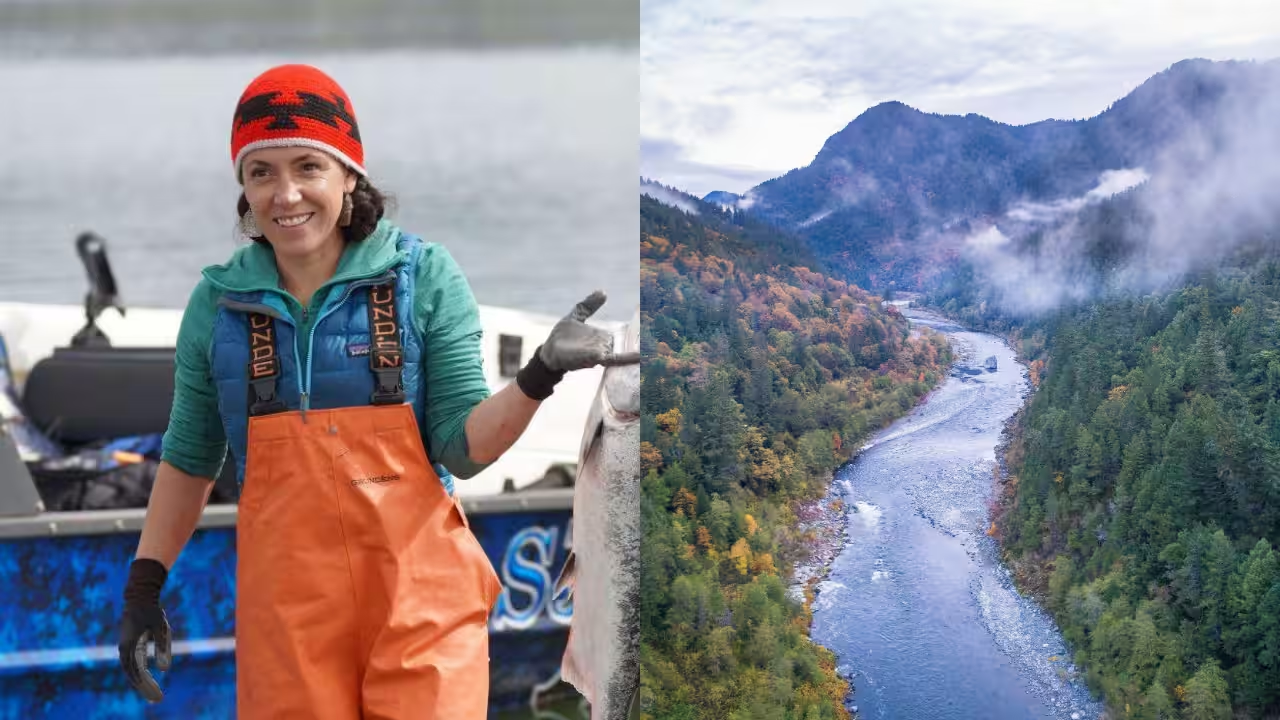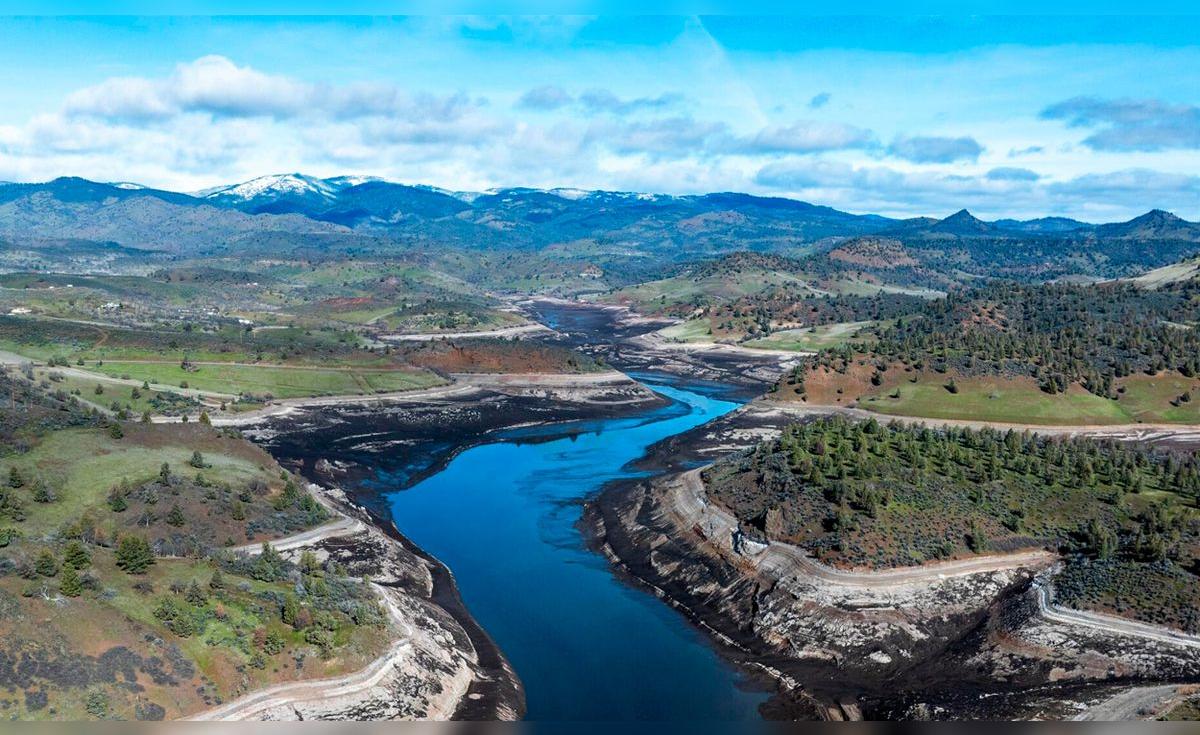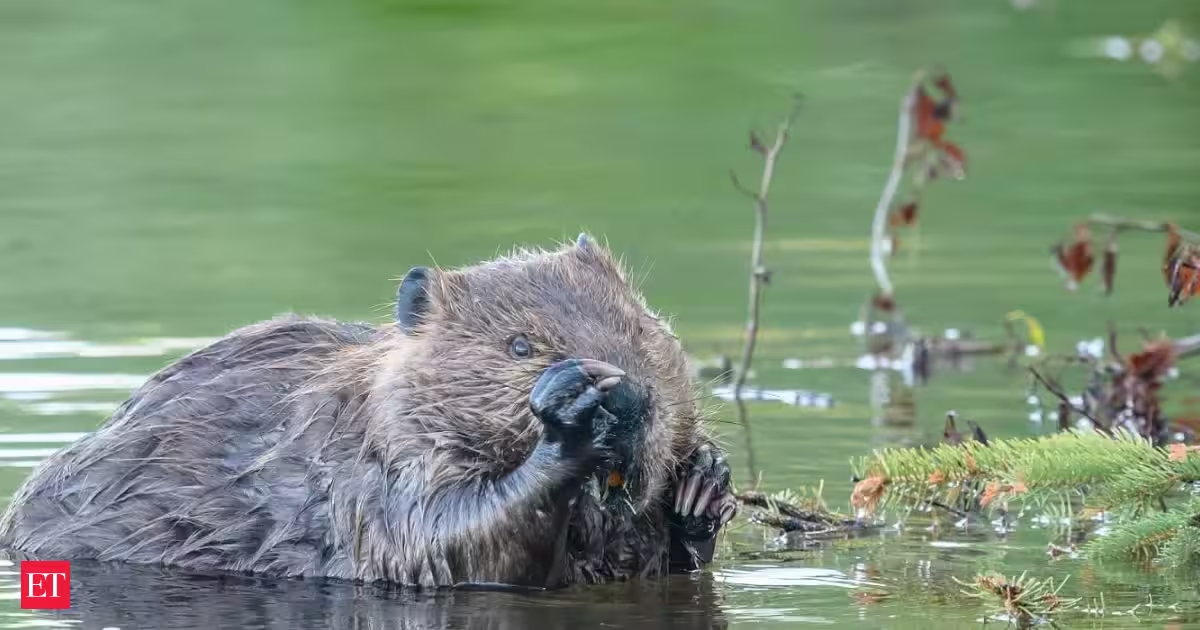
Over the years, California has invested billions of dollars on their water crisis in the form of reservoirs, desalination plants, and recycling facilities, whereas the answer to its problems has been staring right back at it in pictographs from prehistoric times on a rock in the Sierra Nevada. As mentioned in the Grist investigative report about the conservation efforts of California tribes, the California Department of Fish and Wildlife (CDFW) acknowledged beavers as a keystone species no earlier than in 2023; an acknowledgment which most of the Indigenous communities of this region have known for decades. This is the kind of institutional delay that comes with a high price for the ecosystem.On June 12, 2024, seven beavers (three adult, one sub-adult, and three kits) were set free into the South Fork Tule River watershed area of the Tule River Indian Reservation in Tulare County, California, and on June 17, 2024, two additional beavers were released. For the Tule River Tribe, this event was not only about conservation but about the return of a family member.When pictographs beat policyThe Tule River Indian Reservation encompasses 55,356 acres in the southern foothills of the Sierra Nevada mountains, not far from Porterville, California. As Tule River tribal elder Kenneth McDarment stated, "We've been through numerous droughts over the years. Going through these droughts, we were wondering how we can conserve, save water, get water here on our lands. The answer was in our pictographs," via the California Department of Fish and Wildlife.These pictographs are believed to be up to 500 to 1,000 years old and may depict beavers at Painted Rock, a site next to the South Fork Tule River. Tribal elders remember seeing beavers in the upper-elevation meadows when they were young. But then there were none left. They were likely hunted out of the area and treated as pests by Europeans and their fur trade industry.The tribe spent ten years lobbying for some action from the state government. Finally, in 2022, due to continued pressure by Native American tribes such as the Tule River Tribe and Mountain Maidu, the CDFW began its Beaver Restoration Program. This is California’s first such program in years.Why a rodent might do more than a reservoirIt is here that science becomes truly groundbreaking. In a 2025 peer-reviewed paper titled “Beaver-related restoration and freshwater climate resilience across western North America” published in Restoration Ecology, Burgher et al. compiled an impressive amount of information from over 160 sources to demonstrate how beaver restoration increases climate resilience through cooling of streams, water storage, and floodplain connectivity in western North America.Quite often, beavers provide natural buffers against droughts and wildfires, which are difficult to reproduce using any engineering solution. Thus, for the Tule River Tribe, who rely for approximately 80 percent of their drinking water on the Tule River watershed, beaver dams mean self-repairing and water-retaining structures that extend flow periods and maintain summer baseflows almost free of construction costs.Furthermore, according to a research paper published in Ecological Applications, medium-sized beaver pond complexes are able to store up to 1,000 cubic meters of water and release it during dry periods. As it was found, streams featuring beaver activity remained much greener both during and after wildfires compared to other streams, which is not a small bonus for the Tule River Reservation, where seasonal drought and fire are quite prevalent.What it actually took to get hereIt did not come about easily or quickly. In fact, the Tule River Tribe had been working for almost ten years to get this restoration to take place after many years of being told that there was no legal route to move beavers in California. Eventually, though, it took dedicated campaigning, state money, and an official collaboration with CDFW to make June 12, 2024 happen.Before the release, Tule River Tribe spiritual leader JR Manuel conducted a ceremony in conjunction with Anthony Hunter of the Tachi Yokut Tribe and Elder Robert Gomez, Chairman of the Tubatulabal Tribe. This day had a lot more significance than mere conservation. As CDFW Director Charlton H. Bonham said, "Our past is one where we treated these animals and others as varmints, as nuisances, and our culture over time ran them off the landscape. That can’t be our future.”A blueprint, not just a storyThis move by the Tule River people echoes a larger trend in California. According to Mongabay in September 2025, tribal nations have spearheaded beaver restoration by applying traditional ecological wisdom along with scientific conservation techniques. CDFW predicts that beavers will help create habitat for the endangered yellow-legged frog, western pond turtle, least Bell's vireo, and southwestern willow flycatcher. Additional beaver releases will take place in order to achieve a diverse genetic population within the reservation's watershed.McDarment's dream is rather grandiose: "My hope is to have the beaver throughout the reservation and all the watershed that we have." For an indigenous group that saw its lands go dry in the time that the state was working on the problem, this dream is not merely a hopeful one. The pictographs suggest a long indigenous understanding of the beavers' role in the watershed.
California's Tule River Tribe Celebrates the Return of Beavers to Southern Sierra Nevada
The Tule River Tribe's historic efforts have resulted in the successful reintroduction of seven beavers to the South Fork Tule River watershed, marking a significant milestone for ecological restoration and water conservation in California.
850 words~4 min read