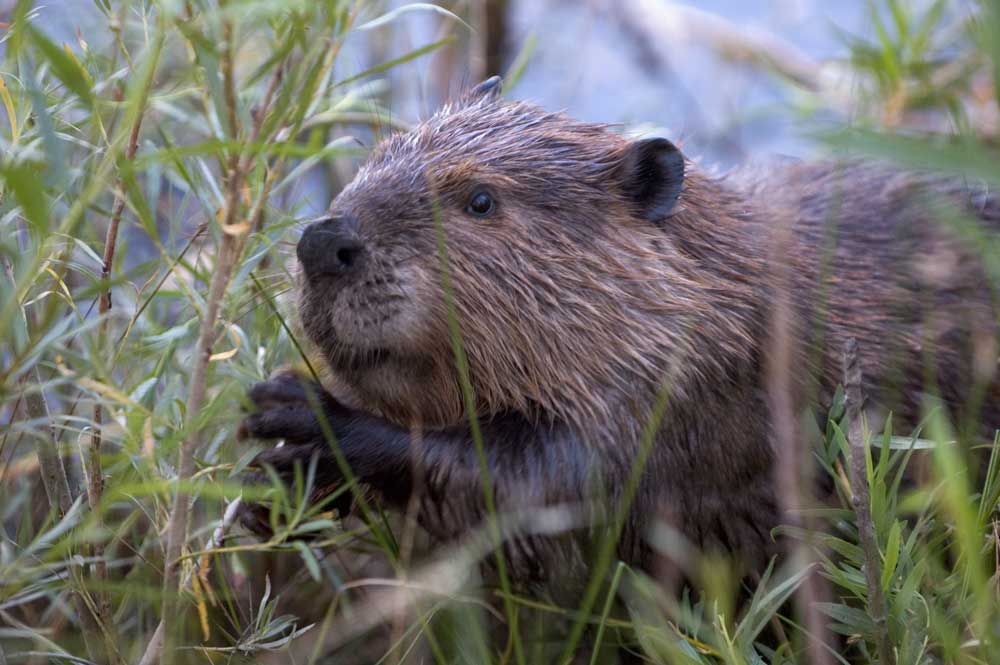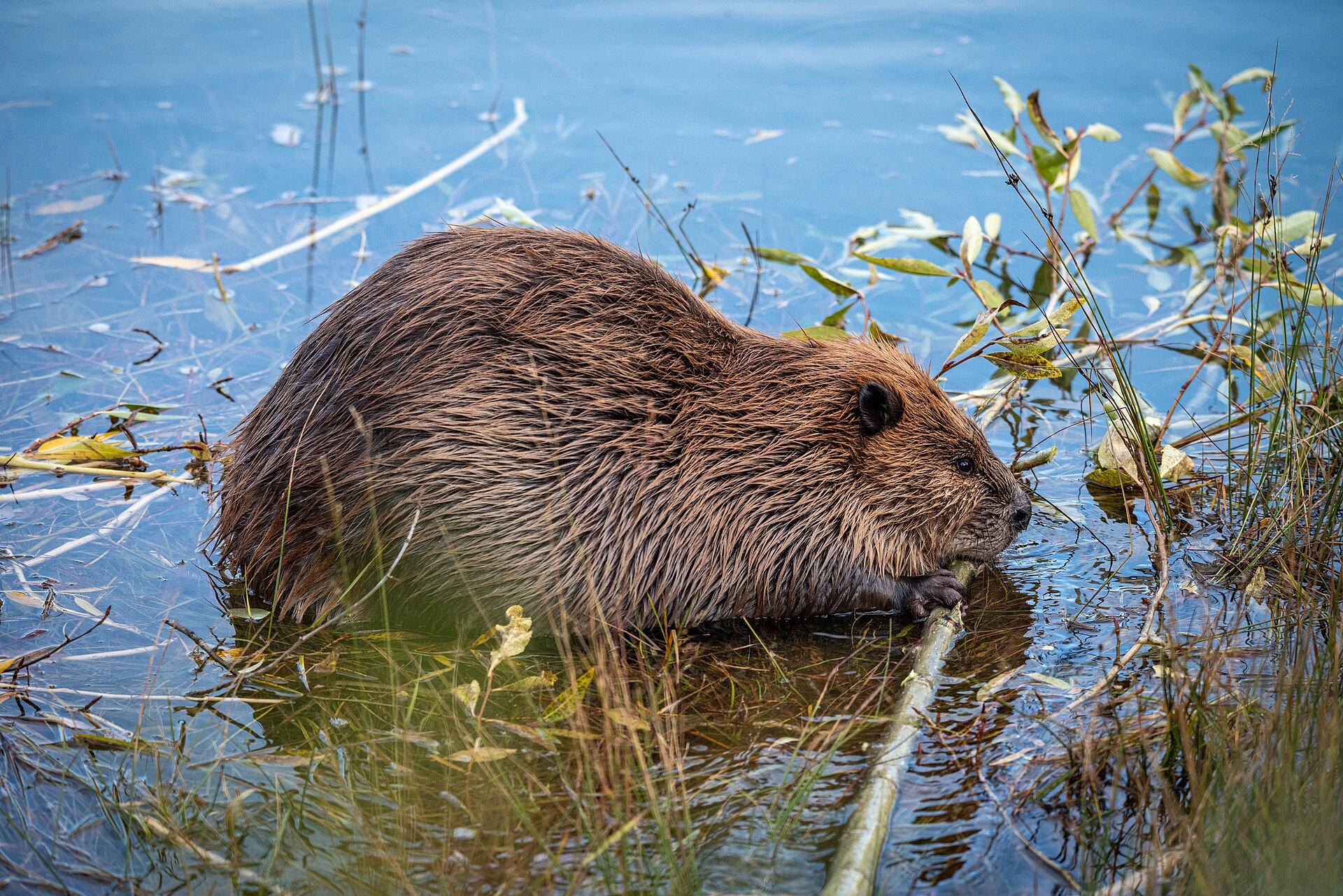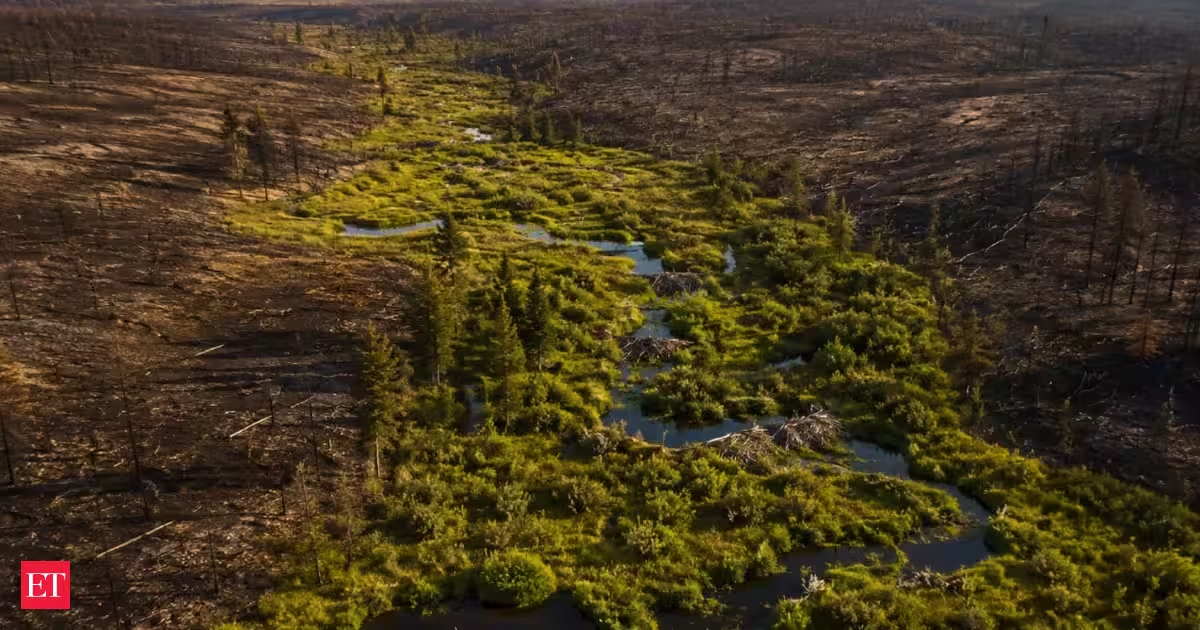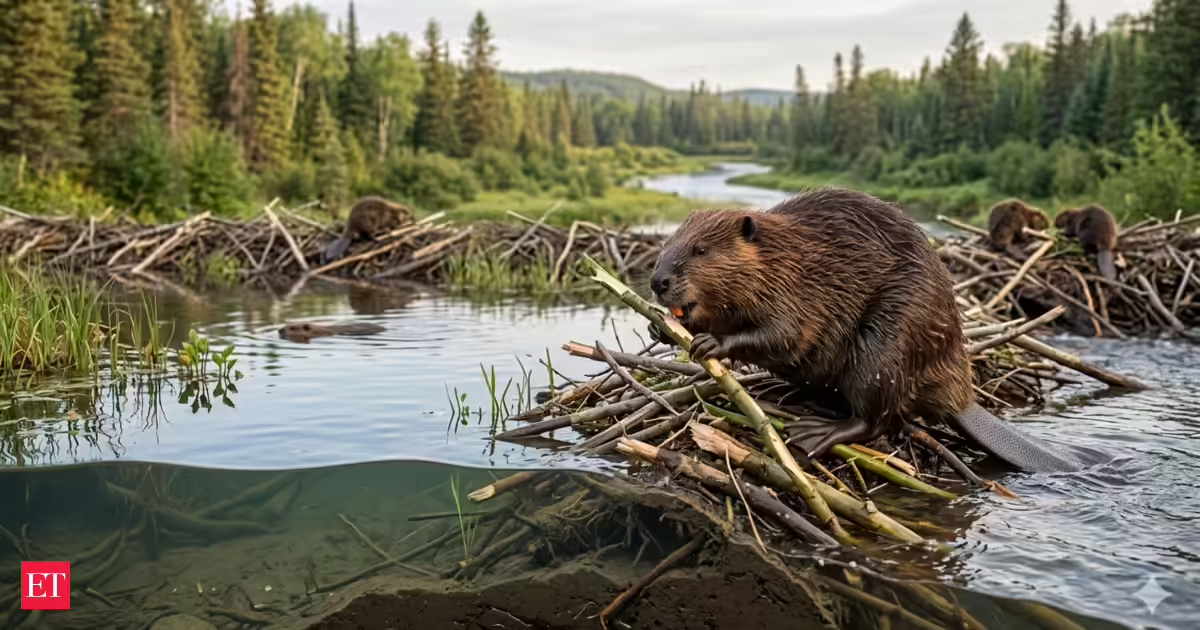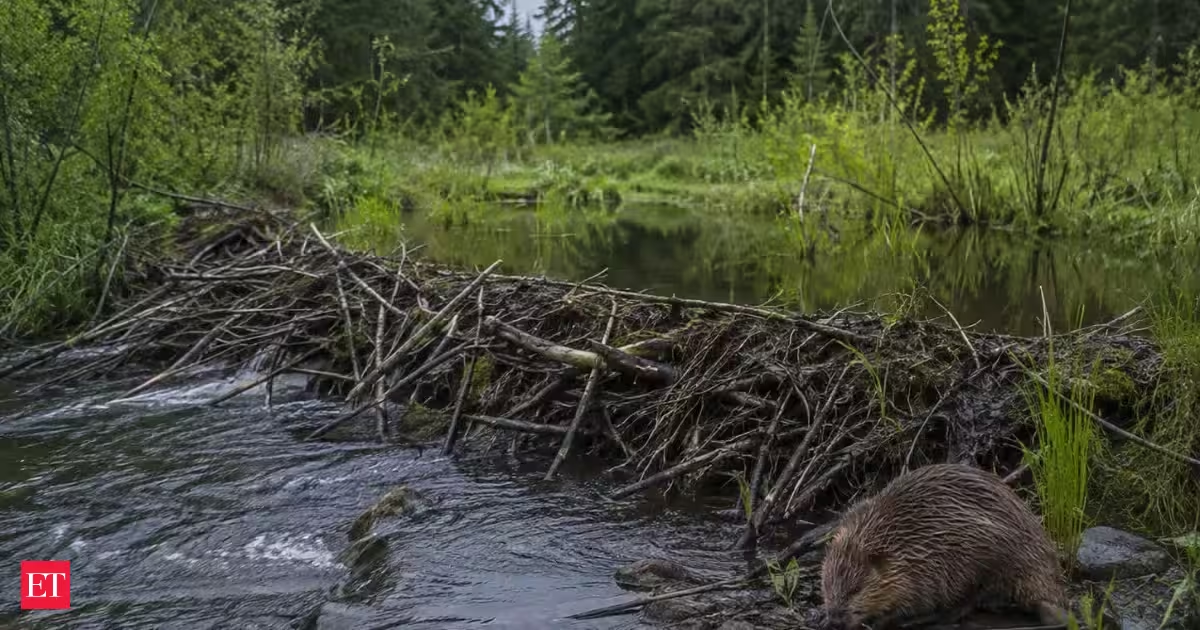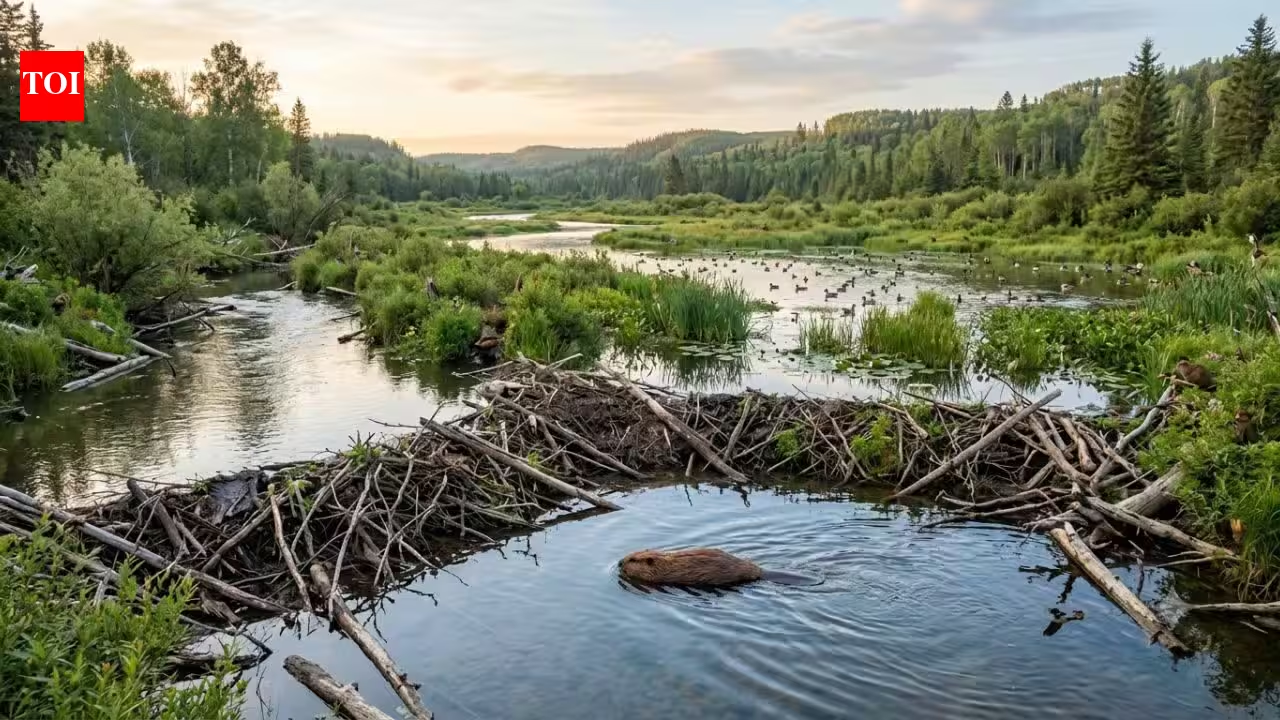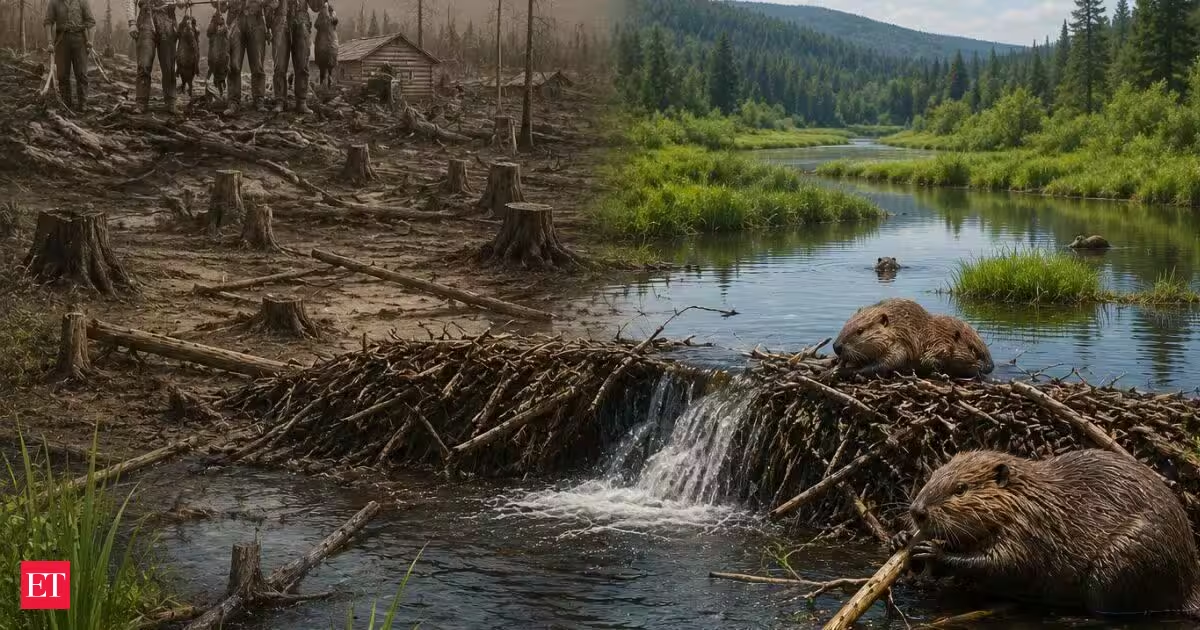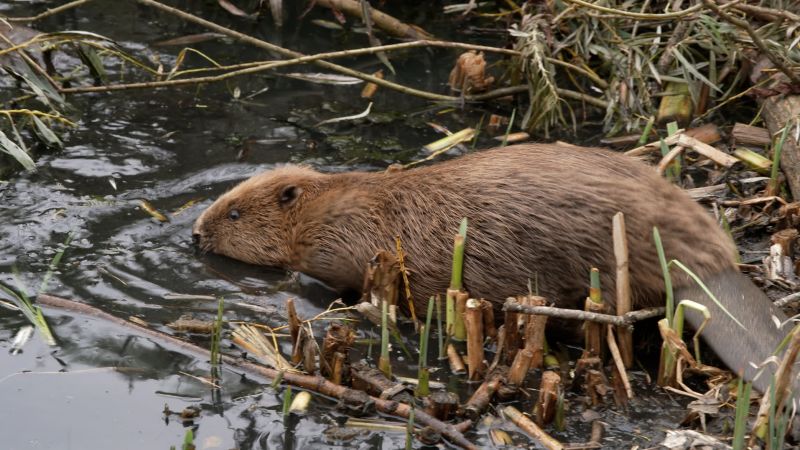
Photograph of yearling beaver. Image Credits: Wikimedia Commons.In the middle of Martinez, California, a pair of beavers began doing what beavers have done for millions of years. They cut down trees, gathered branches and built a dam across Alhambra Creek. The problem was that this was not an isolated wilderness stream. The creek ran through the city's downtown, beside roads, homes and businesses. The beavers had chosen an urban neighbourhood, and their growing dam soon became a source of concern for local officials.According to the San Francisco Chronicle, by late 2007, the animals were facing removal. City officials feared that the dam could increase the risk of flooding, particularly during heavy winter rains. The proposal triggered an unlikely public campaign. Residents, wildlife advocates and people who had become fascinated by the animals rallied around them.Two beavers become a citywide controversyThe San Francisco Chronicle also reported that the beavers appeared in Alhambra Creek in 2007 and quickly began reshaping the urban stream. Their dam eventually grew to about six feet high, raising concerns among city officials because it had been built on a recently completed flood-control project. Officials feared that the structure could increase the risk of flooding during heavy winter rains. At the same time, the beavers had become a local attraction. Residents and schoolchildren gathered along the creek to watch the animals, turning what began as a flood-control problem into a much wider debate over how the city should manage its unexpected wildlife residents.The beaver believers find another wayThe campaign to save the beavers gained enough public support to change the city's approach. Instead of immediately removing the animals, officials considered ways to control the water level while allowing the beavers to remain.One solution involved installing a flow device that allowed water to move through the dam. The aim was to reduce the risk of flooding without destroying the beavers' work. Rather than trying to eliminate the animals, the city could manage the consequences of their activity. That is the kind of approach often used to manage wildlife. After all, beaver dams in suburban culverts can back up water from roads to downtown streets. By installing a device that prevents water from backing up into streets or underpasses, people can sometimes coexist with beavers.The Martinez beavers had one advantage over most human conflicts with wildlife: the animals had become a beloved attraction. People kept up with the family and came to the creek to watch the young ones play. In some ways, the conflict over the beaver colony was less about nature than about community. By agreeing to leave the animals alone, the city turned the creek into a unique kind of urban nature park.Skip Lisle incising beaver dam to install flow device to control pond height on Alhambra Creek, Martinez, CA. Image Credits: Wikipedia Commons.A dam creates a new urban wetlandTheir dams slowed the water and created ponds and wetlands that had not previously existed in the same form. The changes attracted other wildlife. River otters returned to the beaver pond in 2008, and mink were recorded in the area the following year. Other species, including birds and fish, were also observed around the changing creek habitat. The return of wildlife helped supporters argue that the beavers were doing more than building a dam. They were creating habitat.This ability to reshape waterways and create new habitats is why beavers are often described as “ecosystem engineers.” By constructing dams, they slow the movement of water and transform streams into a mixture of ponds, wetlands and other habitats that can support a wide range of species. The National Park Service notes that these changes can increase habitat diversity and benefit other plants and animals. Research has also found that beaver dams can increase habitat variation and help support fish biodiversity in some stream systems.However, the Martinez story is not about the idea that beavers are always good or that nature will take care of itself. Often, beavers can cause flooding and damage to the ecosystem in the area where they build their dam. The key takeaway from the Martinez case is that the city did not remove the beavers but instead tried to manage the problem caused by their dam. So as not to destroy the wetland, Martinez city officials allowed the beavers to live but tried to find a way to prevent the dam from causing any further damage. The beavers have turned a lonely creek into a wild wetland and, in doing so, have led to a heated debate about whether beavers belong in the city or not. Beaver supporters helped ensure the animals were not killed, and city officials continue to manage the dam’s effects.
In 2007, Martinez, California, considered removing two beavers from its downtown creek, but “beaver believers” rallied, saved them and helped turn the dam into an urban wetland
In the middle of Martinez, California, a pair of beavers began doing what beavers have done for millions of years. They cut down trees, gathered branches and built a dam across Alhambra Creek.
778 words~4 min read