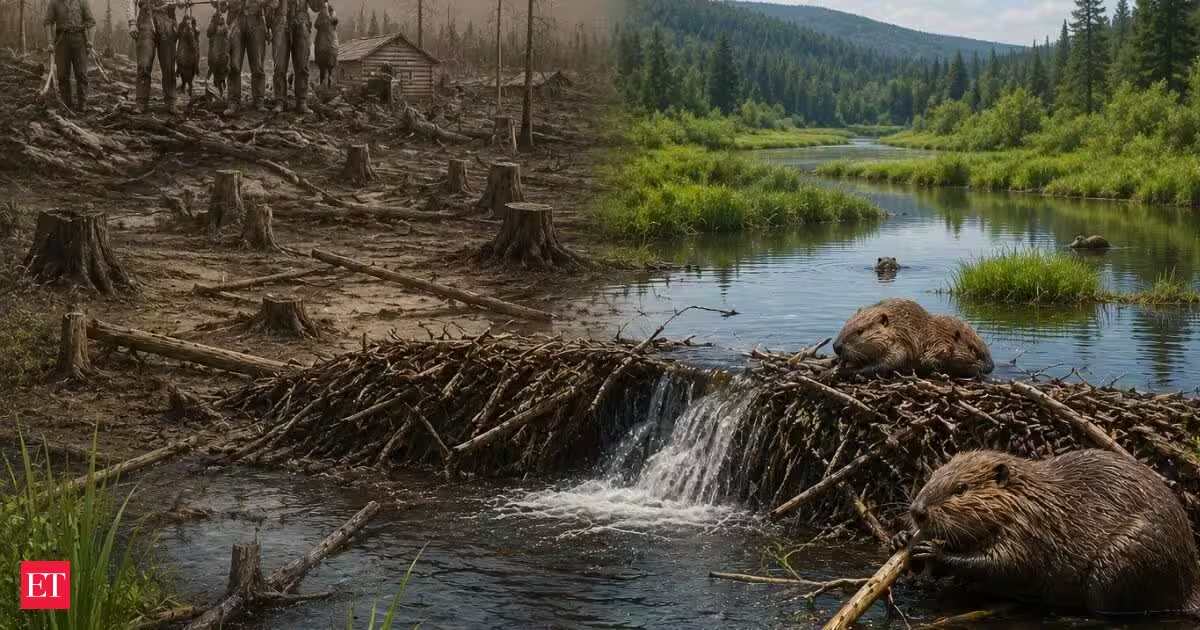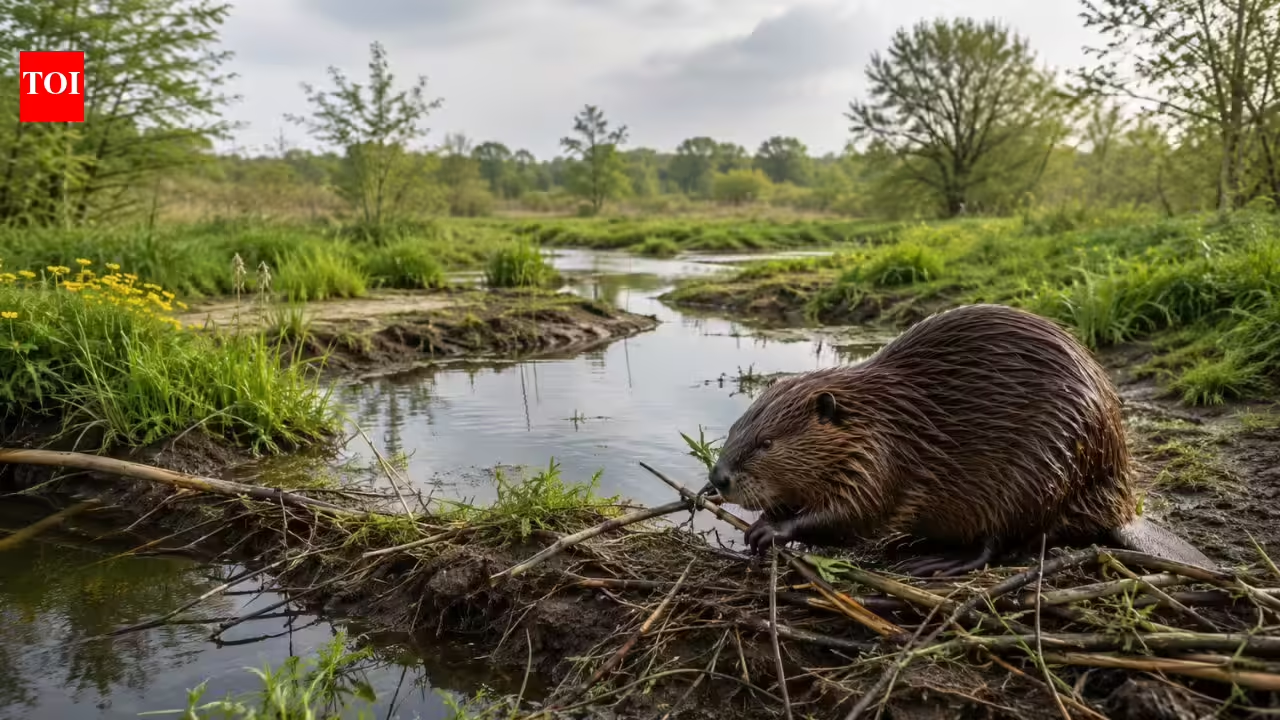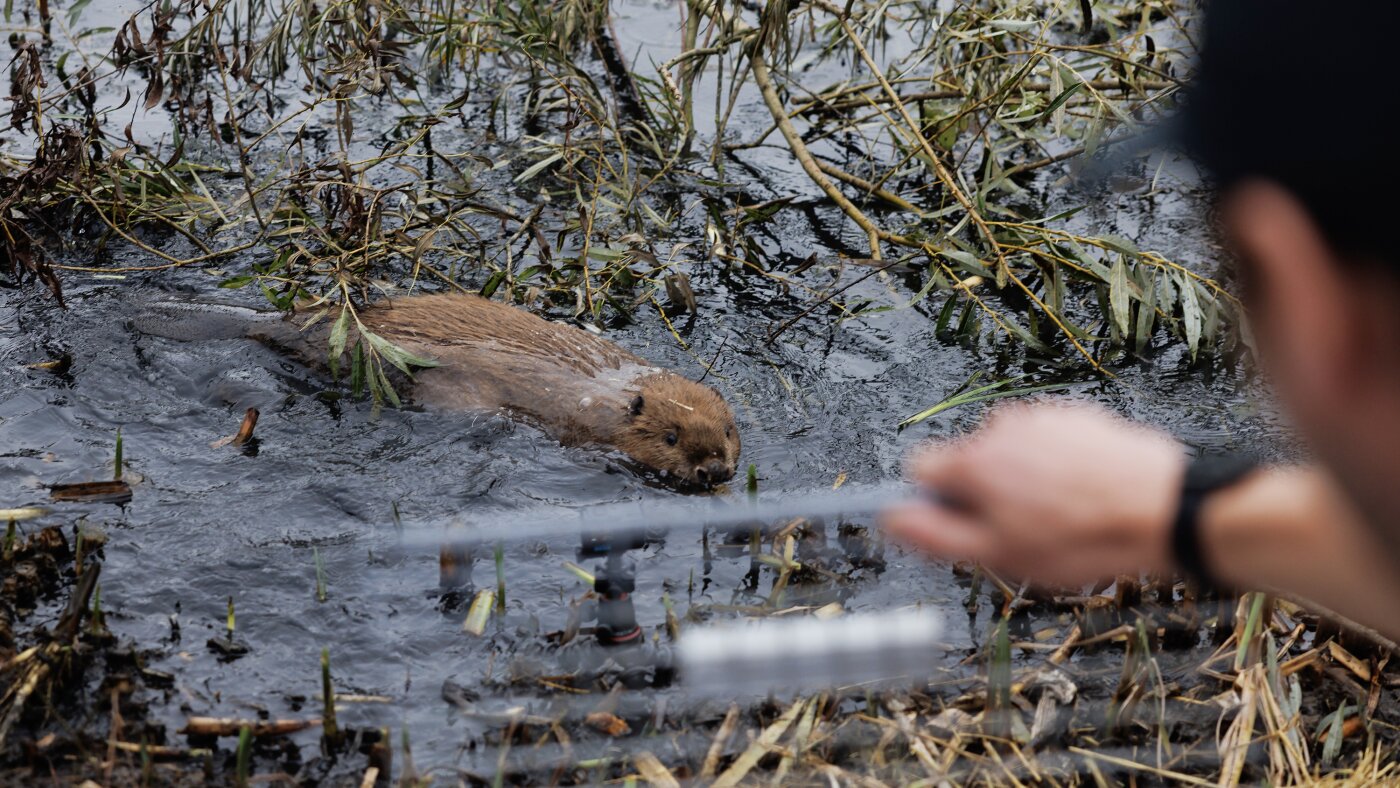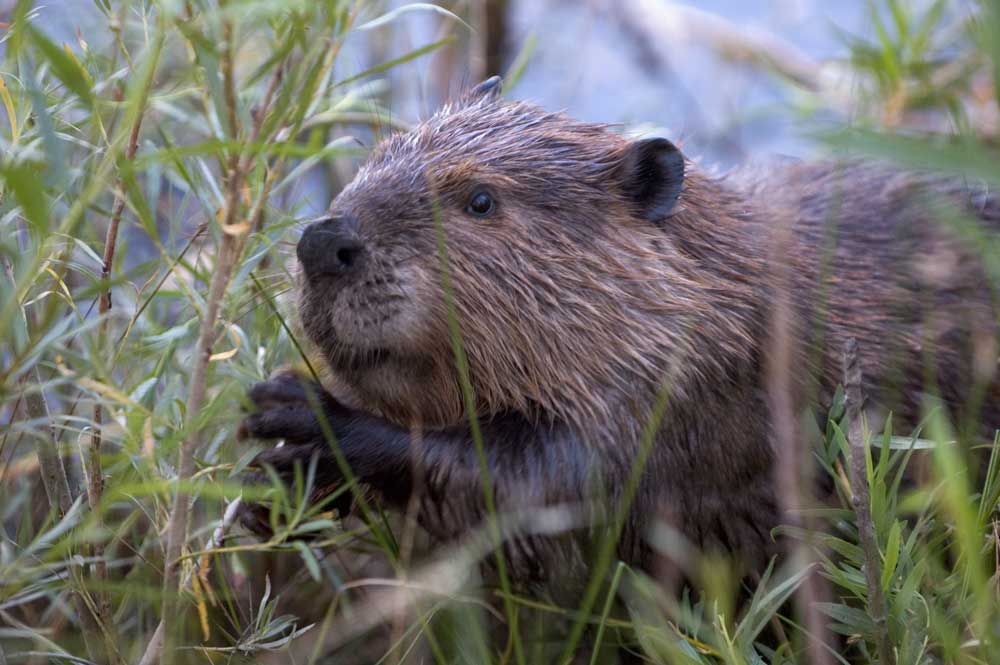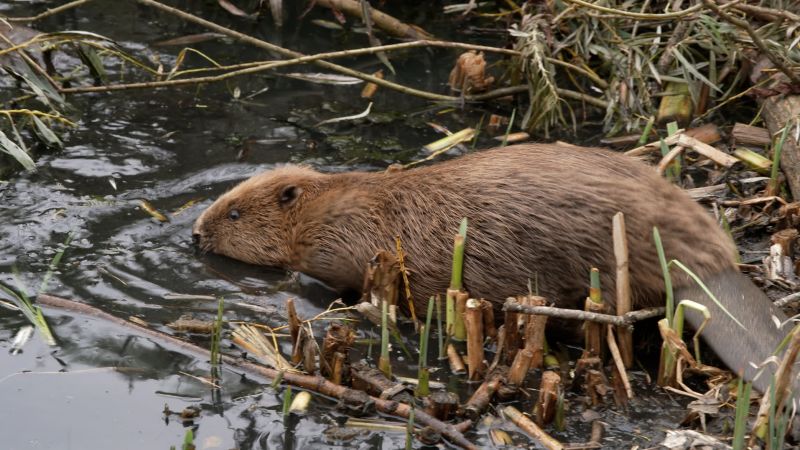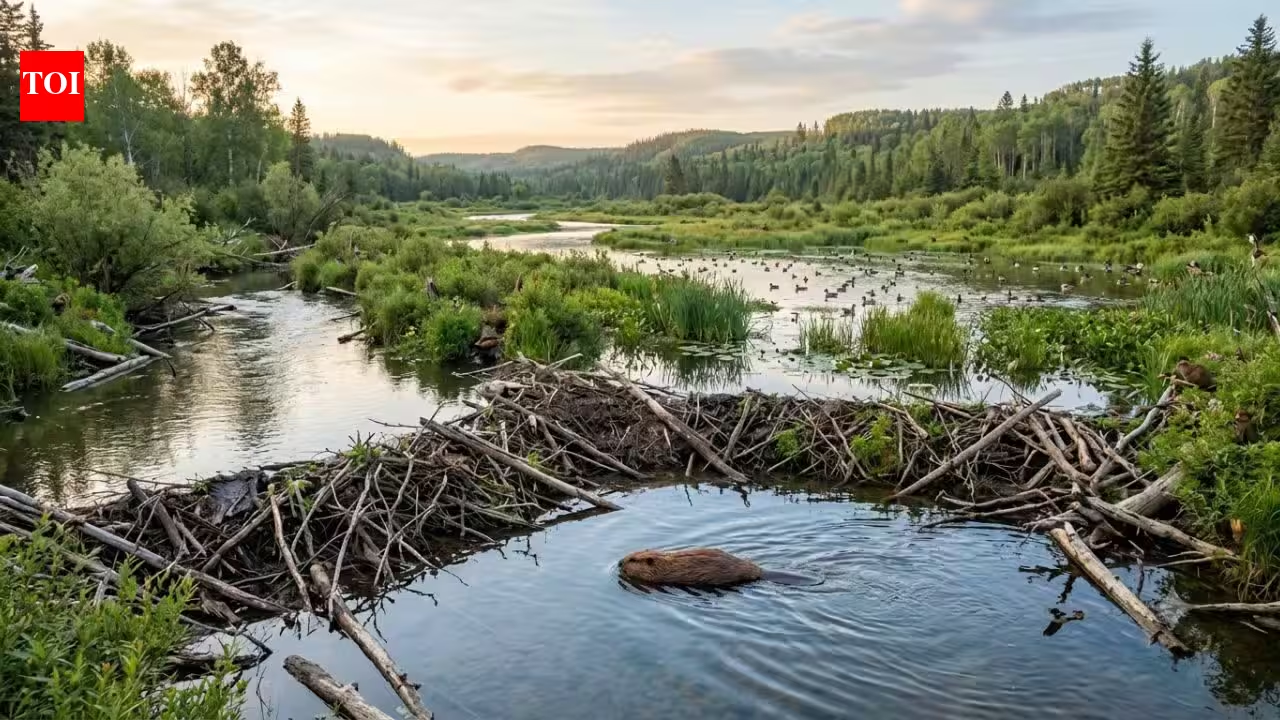
PC: AI GeneratedFor much of the last century, the beaver was largely missing from many North American rivers. Intense trapping for fur had reduced populations so severely that, in many regions, the animal almost vanished from landscapes where it had once been common. Rivers continued to flow, but they did so without one of the species that had quietly influenced their shape for thousands of years. Over the past few decades, that picture has begun to change. Conservation efforts have returned beavers to parts of their former range, and their presence is altering streams, floodplains and wetlands in ways that scientists are still documenting. Their comeback has become less about the animals themselves and more about the landscapes that respond when they return.How beavers vanished from US rivers before making a comebackBy the beginning of the 20th century, beavers had become scarce across much of the United States and Canada. Demand for waterproof pelts during the fur trade drove widespread trapping throughout the 18th and 19th centuries. Entire watersheds that once supported thriving colonies were emptied.The decline stretched beyond the loss of a single species. Rivers that had long been interrupted by natural dams began flowing uninterrupted. Wet meadows dried in some places, ponds disappeared and many habitats that depended on slow-moving water gradually changed. At the time, little attention was paid to the ecological role beavers had played before their numbers collapsed.Legal protection, changing attitudes towards wildlife and organised reintroduction programmes slowly reversed that trend during the second half of the 20th century. Several US states and Canadian provinces began relocating animals into suitable habitats where populations could recover naturally.The natural engineering behind beaver damsUsing branches, logs, stones and mud, they build dams across streams to slow flowing water. Behind these barriers, water spreads across surrounding land, creating ponds that can remain for years if maintained by the colony.Their engineering begins with trees. Beavers gnaw through trunks, bringing them down for construction material and food. Although this appears destructive at first glance, many broadleaf trees respond by producing fresh shoots from the remaining stump. The repeated cutting often encourages dense regrowth rather than permanent loss.The ponds they create are rarely neat. Fallen timber, shallow water, patches of reeds and muddy banks produce a varied landscape with many different conditions existing side by side. That complexity turns out to be valuable for wildlife.The ecological chain reaction started by beaversAs water lingers behind beaver dams, floodplains begin behaving differently. Areas that were once seasonally dry may remain damp for much longer, allowing wetland vegetation to establish itself. Pools become breeding sites for amphibians, while insects thrive in shallow water rich with plant matter.Fish, birds and mammals often follow. Otters, muskrats, waterfowl and numerous smaller species benefit from the mixture of open water, vegetation and shelter created around beaver ponds. In Finland, researchers comparing ponds found that those built by beavers supported considerably greater mammal diversity than similar water bodies without their influence.As reported by the BBC, scientists often describe beavers as a "keystone species" because their activities create conditions that many other organisms rely upon. Rather than directly supporting wildlife through food alone, they alter the physical environment in ways that allow many species to coexist.The hidden role of beavers in protecting drought-stricken ecosystemsThe value of these wetter landscapes has become more apparent during recent years as droughts and large wildfires have become more frequent in parts of western North America.Research examining multiple wildfire events found that wetlands maintained by beavers often remained noticeably greener than surrounding landscapes during prolonged dry conditions. Plants growing around ponds continued receiving moisture from saturated soils even when nearby vegetation had dried out.When fires passed through these areas, patches around beaver wetlands frequently experienced less severe damage than neighbouring forests and grasslands. The ponds themselves also acted as natural breaks where flames struggled to spread as easily.These findings do not suggest beavers prevent wildfires. They do, however, show how retained water can create pockets of resilience within much drier landscapes.The unexpected challenges of bringing back nature’s engineersThe return of beavers has not solved every wetland problem. Across many parts of the world, wetlands continue disappearing because of expanding agriculture, urban development, water extraction and changing rainfall patterns linked to climate change. Restoring rivers often requires several approaches at once, including protecting riverbank forests, repairing peatlands and conserving coastal marshes.There are also places where introducing beavers would do more harm than good. Outside their natural range, they can become invasive if predators are absent. Southern Argentina and Chile provide a well-known example. North American beavers released there during the 1940s multiplied rapidly, transforming forests that had not evolved alongside them and causing extensive ecological damage.For that reason, conservation projects now place strong emphasis on restoring beavers only within landscapes where they naturally belong.
North America once had 400 million beavers. Nearly wiped out by the 1900s, they are now restoring rivers, wetlands and wildlife one dam at a time
For much of the last century, the beaver was largely missing from many North American rivers. Intense trapping for fur had reduced populations so severely that, in many regions, the animal almost vanished from landscapes where it had once been common.
797 words~4 min read