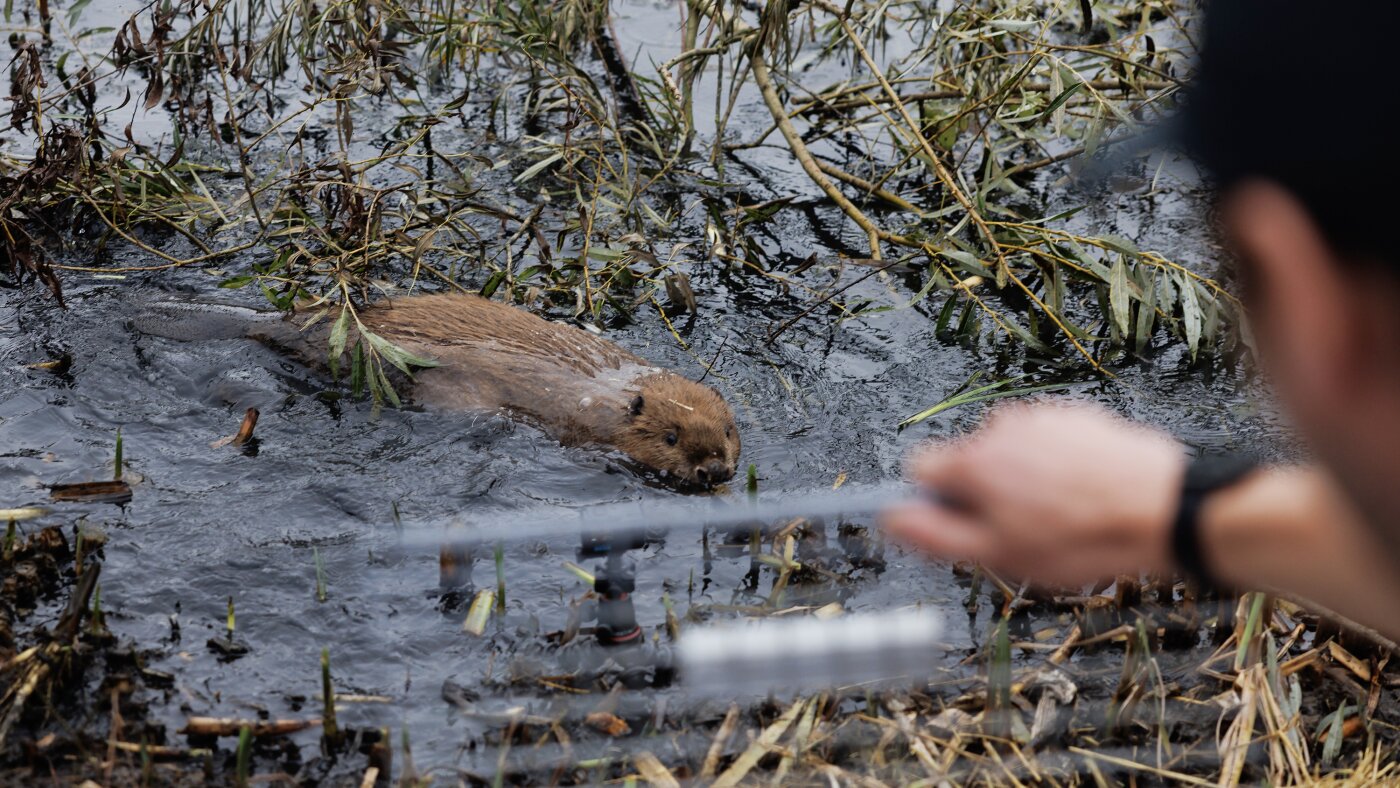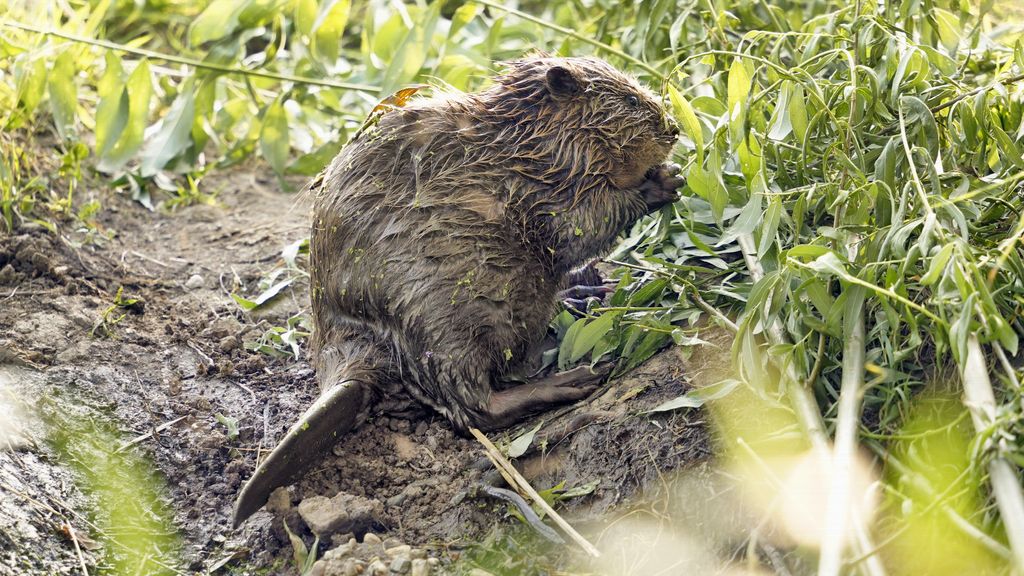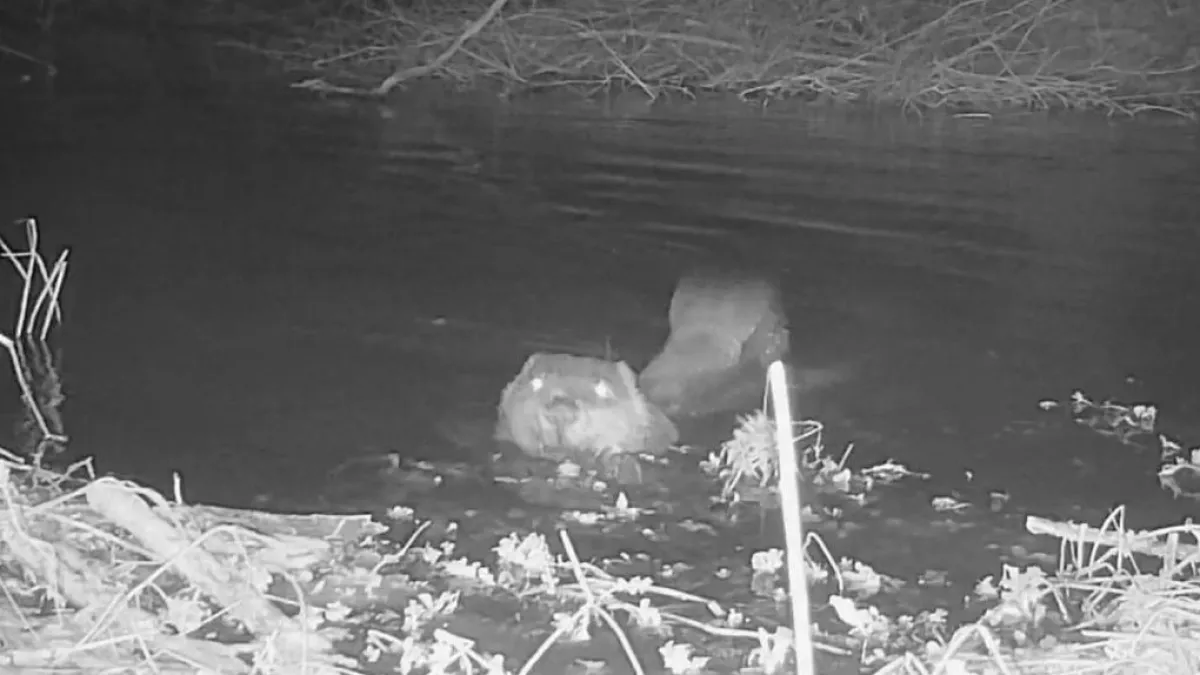
Reintroduced for environmental reasons, beavers are now in danger of causing serious flooding. Should there be more culls?
T
he beaver has made an amazing comeback in the Netherlands. Extinct in the early 19th century, it was reintroduced in 1988, and now there are an estimated 7,000 beavers roaming around. Compared with England, where the beaver population is estimated at 500, that’s quite a feat.
But there’s a significant downside to the booming Dutch beaver population. Beavers are increasingly digging burrows and tunnels under roads, railways and – even more worrying – in dykes. For a country where a quarter of the land sits below sea level, this is not a minor problem – especially as beavers are not exactly holding back when digging.
“We’ve found tunnels stretching up to 17 metres into a dyke. Wide enough for a grown man to fit in. That’s alarming,” says Jelmer Krom of the Rivierenland water board. Rivierenland is a region in the middle of the Netherlands, crisscrossed by big rivers, where dykes are crucial for keeping high water at bay. If a major dyke gives way, it would cause a serious flood affecting thousands of people.