Story audio is generated using AI
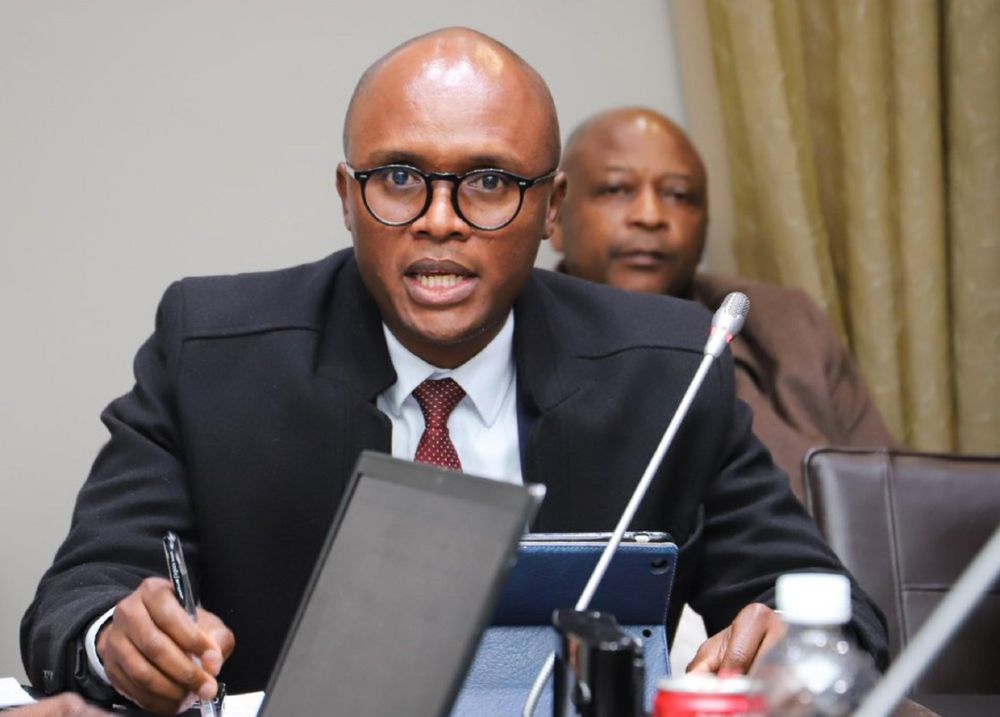
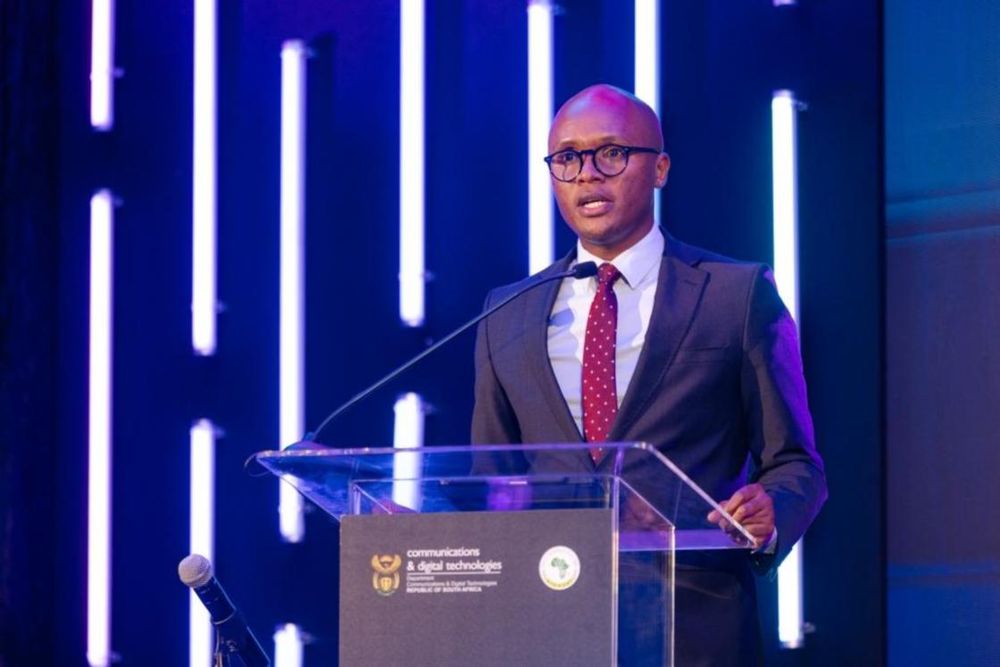
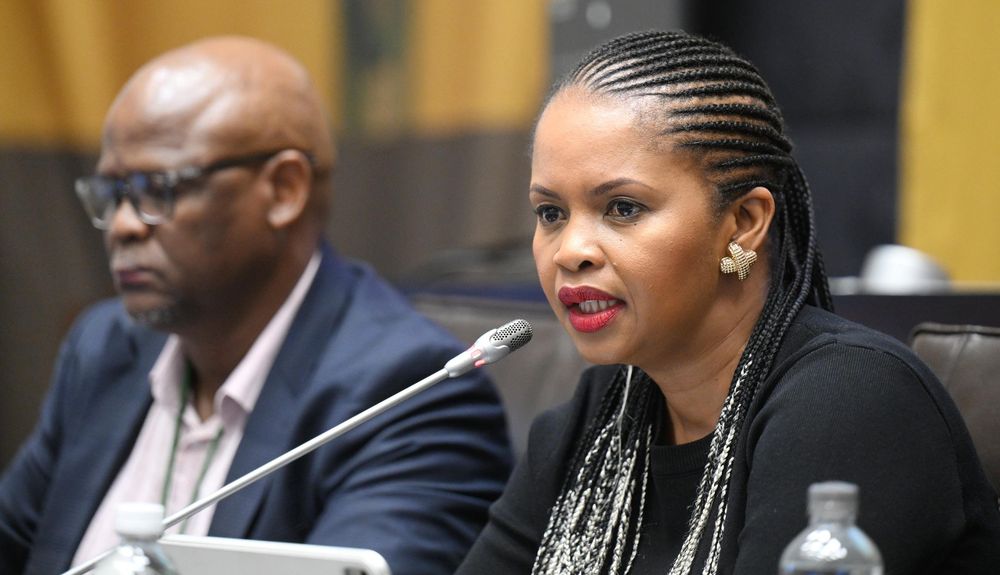
Communications minister Solly Malatsi has shaken up the leadership at the B-BBEE ICT Sector Council, announcing changes on Friday that see Minki Mazibuko-Thulo ousted as chair. This comes two days after Malatsi revealed that an investigation into the council had shown evidence of dysfunction and financial reporting failures.The B-BBEE ICT Sector Council is an independent statutory body in the department of communications and digital technologies which oversees, drives and monitors economic transformation and empowerment compliance within the information and communication technology industry. “The investigation confirmed that the third B-BBEE ICT Sector Council was fundamentally dysfunctional and failed to fulfil its legislative mandate,” Malatsi said in response to questions in parliament. The changes come at a time when the sector is grappling with how to enforce empowerment laws in the sector, particularly around satellite services.On Friday, the department of communications and digital technologies said council chair Mazibuko-Thulo had been “relieved of her duties” with immediate effect.“I considered all of the serious concerns raised by current and former members of the council, council stakeholders and the findings of the department of communications and digital technologies’ special investigation report into the council and the breakdown of relations between the chairperson and other council members — all of which point to the need to reconfigure the leadership of the council to ensure that it functions effectively,” said Malatsi in a statement. The minister has appointed Loyiso Tyira as interim chairperson of the council, while William Ledwaba has been appointed as the deputy interim chairperson jointly for a period of six months while the department “completes its work on the longer-term reconfiguration of the council”.Malatsi has been pushing to amend regulations that enable international players to enter the South African market using a different set of empowerment rules.In a notice gazetted in December 2025, Malatsi directed the Independent Communications Authority of South Africa (Icasa) to “urgently consider” the use of Equity Equivalent Investment Programmes (EEIPs) in the ICT sector to broaden broadband access in the country.Malatsi has been under fire over the move, largely seen as a way to allow Elon Musk’s company Starlink to operate in South Africa without having to give equity in terms of BEE.At present, the rules regarding who can acquire a licence to provide electronic communications services or operate a network require that at least 30% of shares must be in the hands of historically disadvantaged people.EEIPs allow qualifying multinationals to meet empowerment obligations through alternatives to 30% ownership, “such as investing in local suppliers, enterprise and skills development, job creation, infrastructure support, research and innovation, digital inclusion initiatives and funding for SMMEs”.Business Day