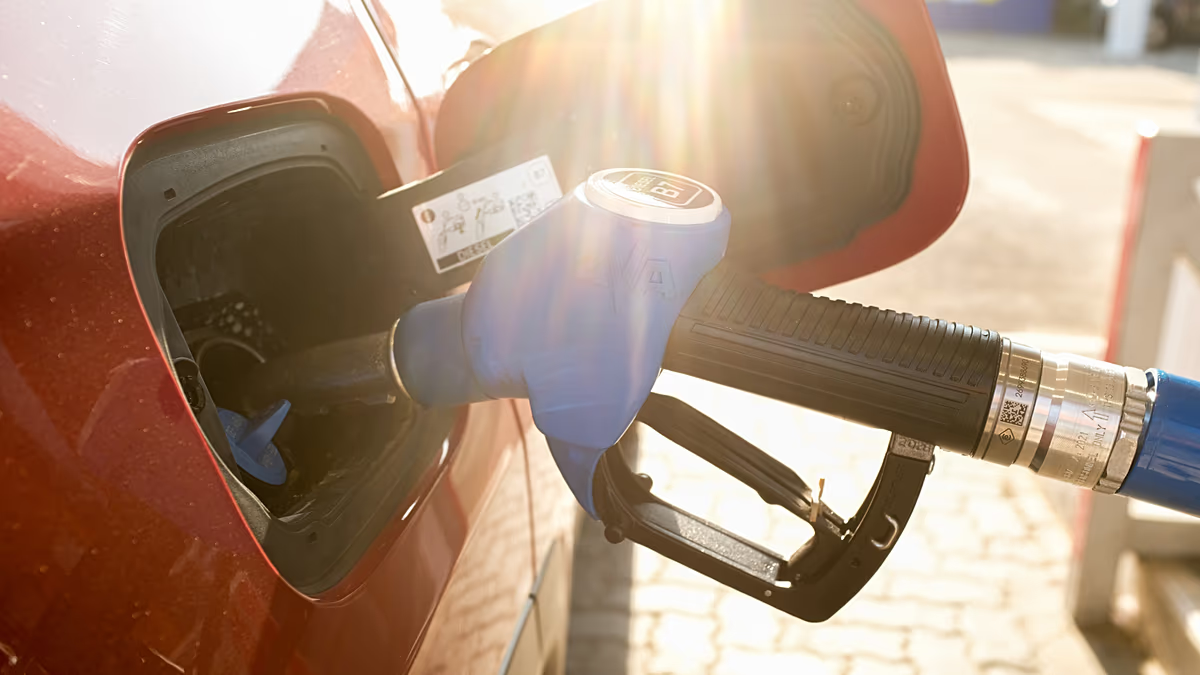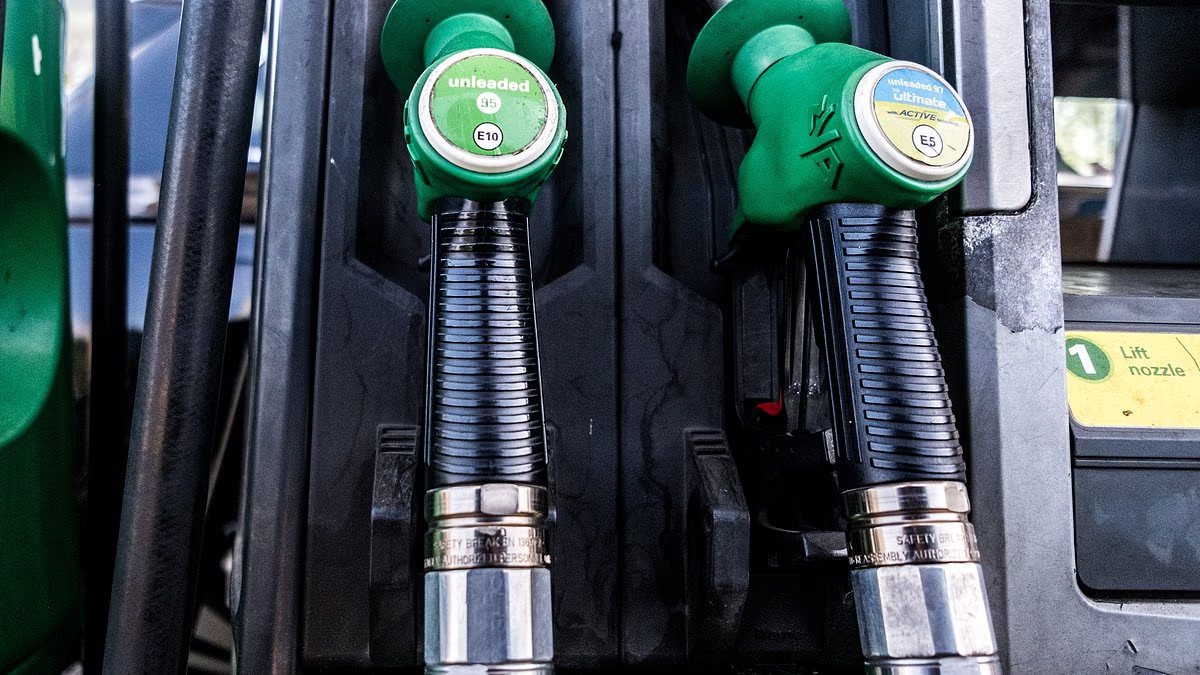
Fuel prices shoot up rapidly but take much longer to come down. At least, that is the perception of many Portuguese drivers when they fill up, even if this view is not backed up by the relevant authorities.
The volatility of fuel prices has been increasingly evident, as a result of the current conflict in the Middle East and restrictions on shipping in the Strait of Hormuz. Faced with this situation, the Minister for the Environment and Energy, Maria da Graça Carvalho, requested a detailed study from the Energy Services Regulatory Authority (ERSE) (source in Portuguese), which found no irregularities or "profiteering" by the operators.
Published this Friday, the study on the evolution of road fuel prices, covering the period from 1 January 2023 to 27 July 2026, concludes that pump prices are based on international quotations for refined petrol and diesel, rather than directly on the price of crude oil (Brent). As a result, "the evolution of fuel prices in Portugal was explained above all by the evolution of those quotations".
"Rockets and Feathers" effect
Beyond understanding price volatility, the main aim of the study was to test whether increases in international prices are passed through to domestic prices faster than falls of the same magnitude.