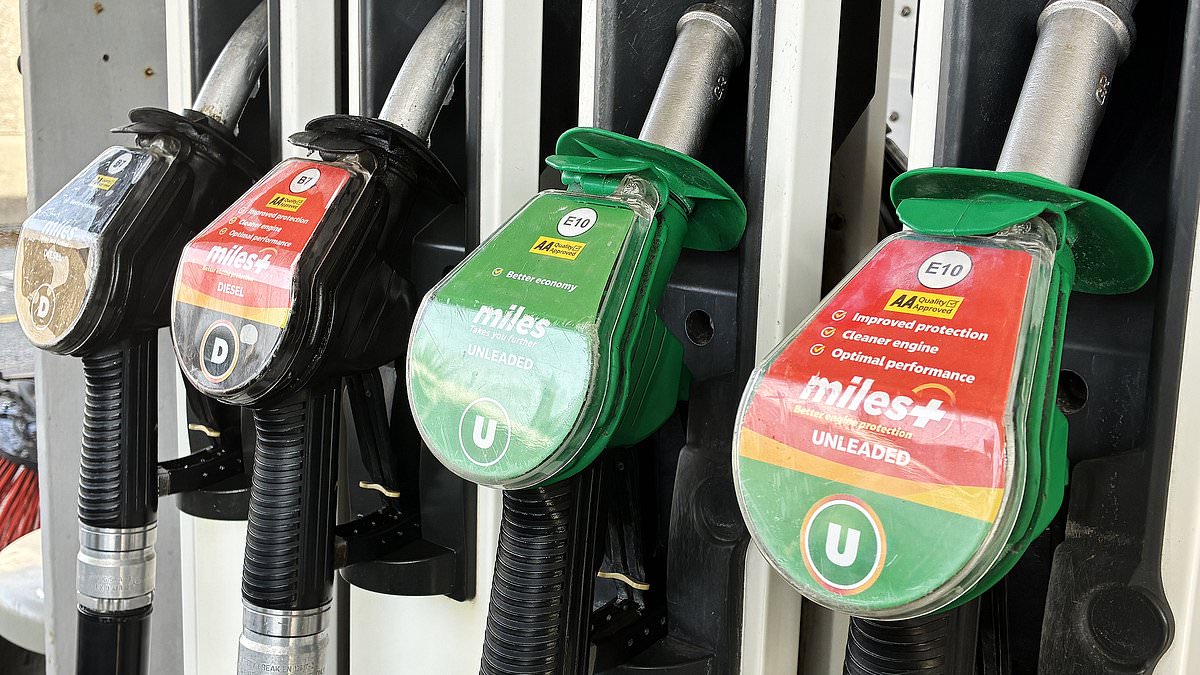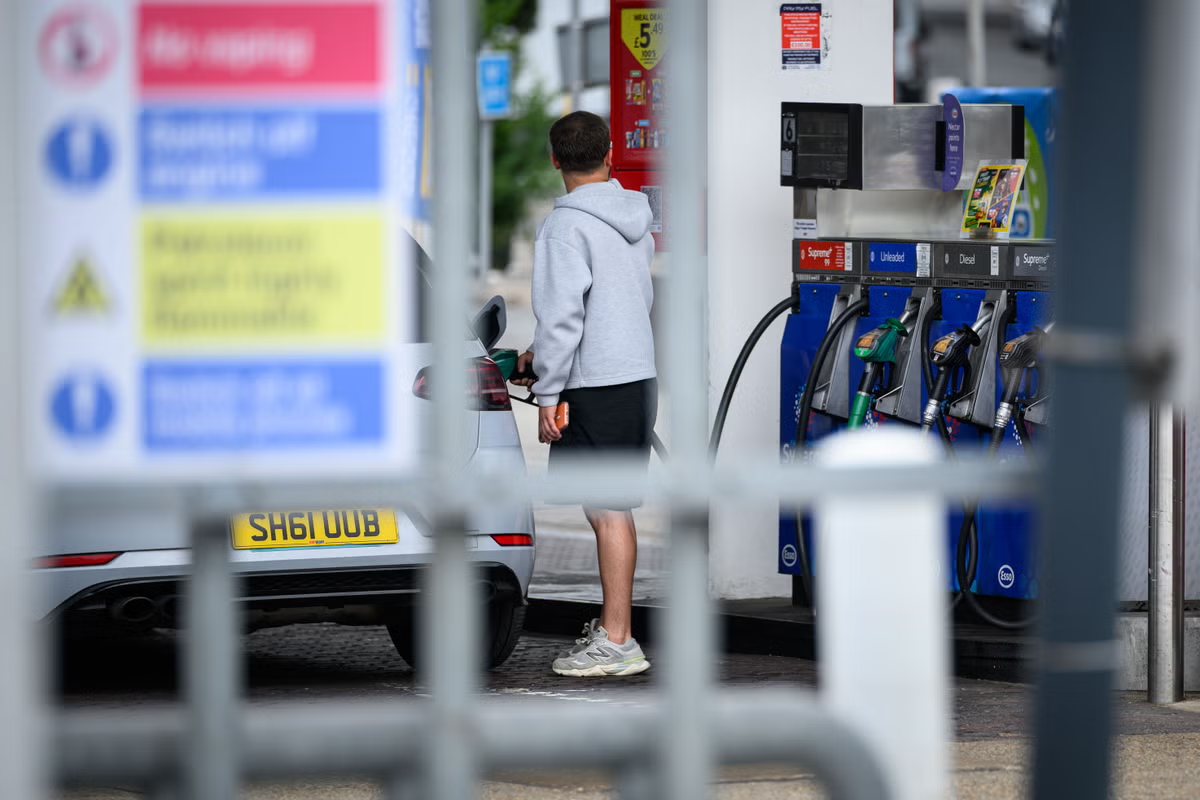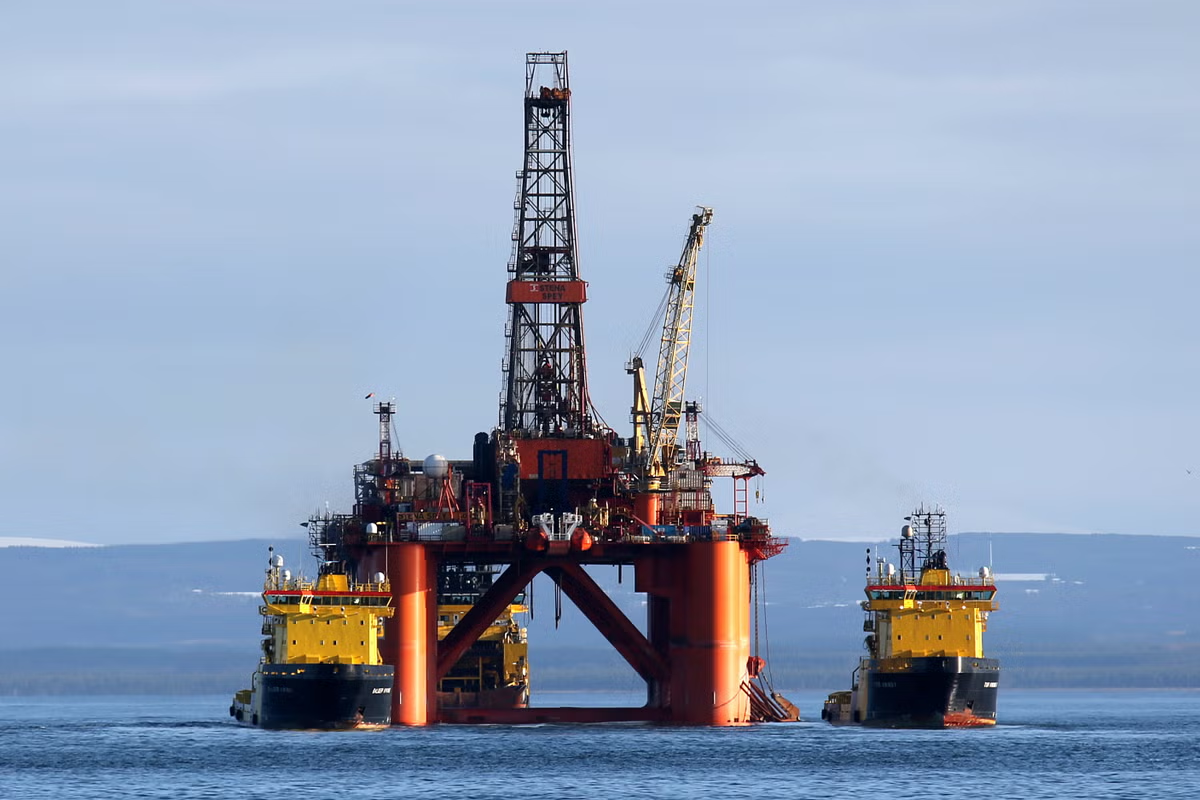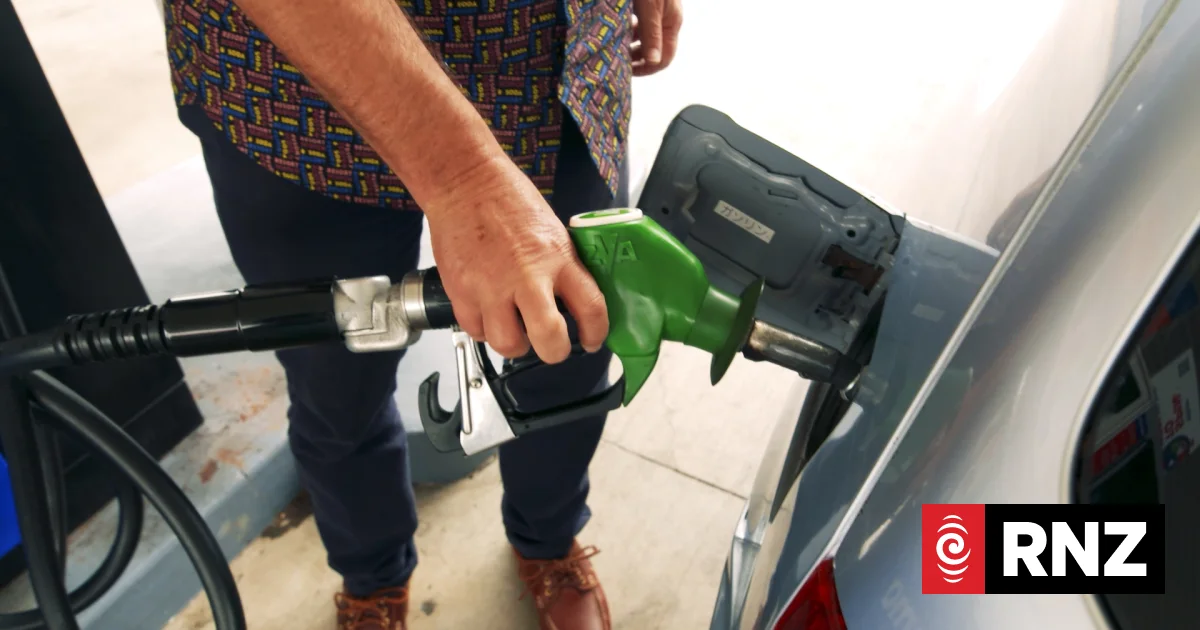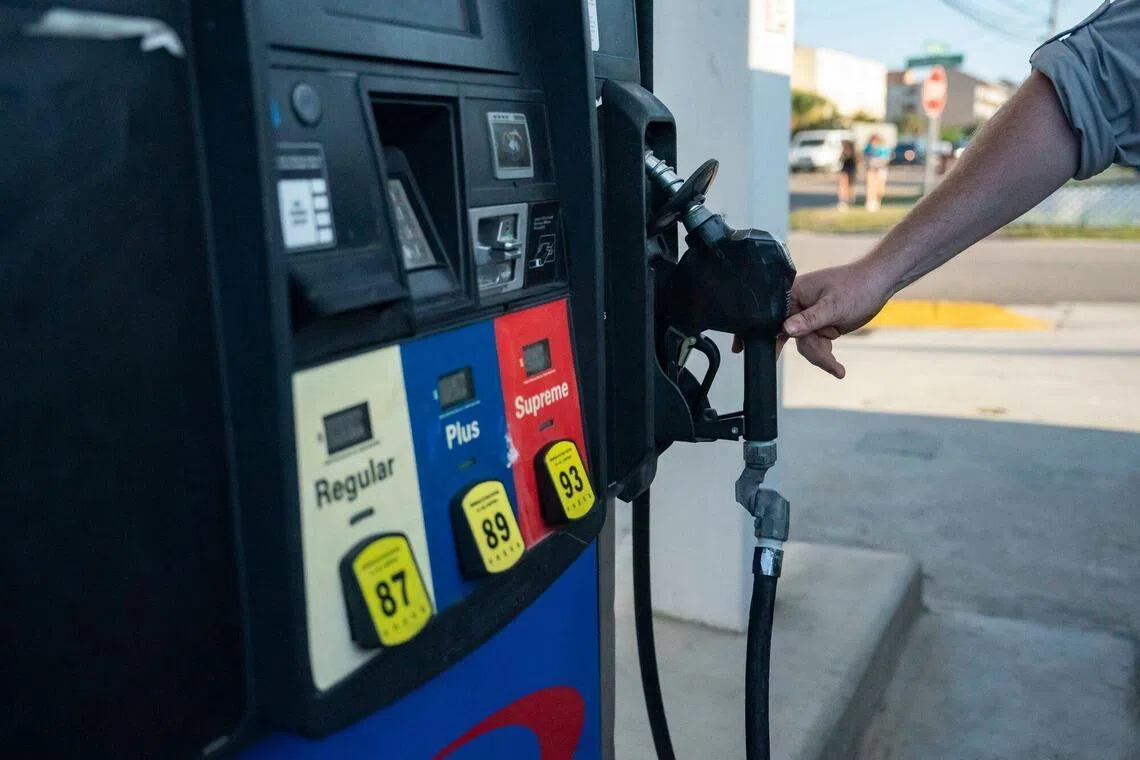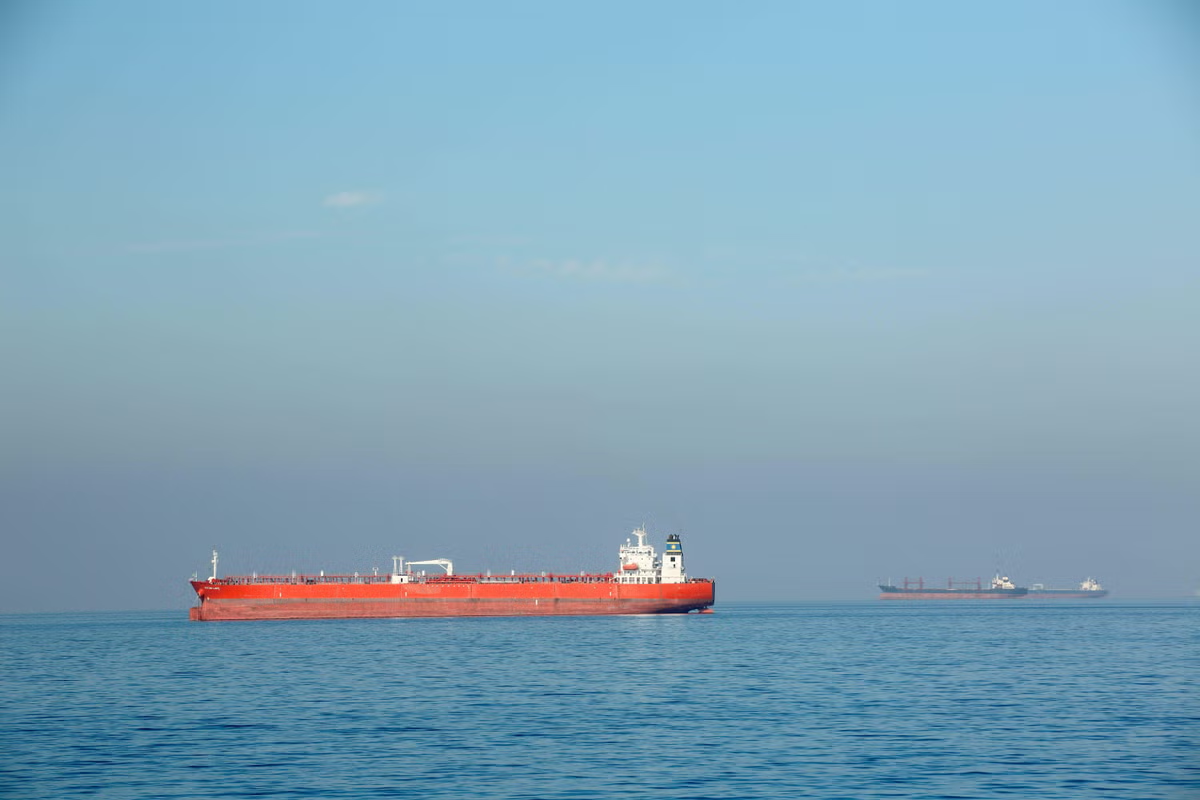
Motorists are being warned to expect petrol and diesel prices to creep up in the coming days.With prices surging from late February amid tensions in the Middle East, the cost of a litre had fallen dramatically during June in response to lower oil prices triggered by ceasefire talks.The average price of a litre of diesel last month plummeted by 17p - the biggest fall in a single month on record. But a fresh wave of US strikes over the weekend - in response to an Iranian attack on a container ship in the Strait of Hormuz - is set to cause a forecourt pricing U-turn.Drivers were paying an average of 151.0p a litre for petrol over the weekend, up from a six-week low of 150.7p last Monday.Diesel has edged up more slowly, from 164.8p to 164.9p, largely holding just below 165p a litre.Only Northern Ireland, the North East and Yorkshire and the Humber remain below 150p a litre for petrol.The uptick in pump prices comes from a 3p-to-4p-a-litre rise in wholesale petrol costs from the last week of June onwards. Diesel costs have jumped by more than 6p a litre over the same period.Fuel prices are rising again: Over the weekend, petrol rose to an average of 151.0p a litre, up from a six-week low of 150.7p on Monday Fuel prices have been impacted by the renewed US-Iran conflict, which has led to higher oil prices.Diesel, in particular, has been given further momentum by Russia's ban on fuel exports.The amount drivers are paying at the pumps has fluctuated wildly since the start of the US-Iran war, with petrol and diesel prices hitting highs of 159.0p and 192.4p a litre respectively in April.With a ceasefire pending, prices fell before climbing again to 159.7p in May when negotiations failed.Throughout June and into July, petrol fell to 150.7p at the start of last week, while diesel dropped from 184.4p in late May to its current 164.9p a litre.Luke Bosdet, the AA's spokesman on pump prices, says: 'Despite more than a penny coming off the average price of petrol over the past fortnight, drivers across the UK now face new increases heading towards the start of the summer holidays.'And it's always in the back of people's minds that current pump prices would be 6p a litre worse were it not for the fuel duty cut.'The new government figures on electricity consumption by electric vehicles give a new perspective on the impact of pump prices that not only remain well above the worst endured by drivers before covid (petrol 142.5p, diesel 147.9p in April 2012) but frustrate vehicle owners with their volatility. 'Large numbers of car owners that can are now ditching petrol and diesel for electricity and its more predictable costs.'The RAC says the savings drivers have been benefitting from recently could quickly start to disappear in the coming days.'Drivers embarking on their summer getaways may well see slightly higher forecourt prices again, with both petrol and diesel likely to go up a couple of pence a litre more in the next week or so,' explained Simon Williams, its fuel price expert. 'The fate of pump prices here in the UK once again rests on whether there are further attacks between the US and Iran.' The volatility of petrol and diesel prices appears to be having a strong influence on the uptake of EV with electricity Volatile fuel prices spark surge in transport-related electricity usageThe volatility of petrol and diesel prices appears to be having a strong influence on the uptake of electric cars, according to new government statistics.The Department for Energy Security and Net Zero now separates electricity consumption by road vehicles from transport as a whole.Its new figures show a 30.7 per cent increase in road vehicle power consumption between 2024 and 2025.In the first quarter of this year, electricity consumption by EVs increased by a further 28.1 per cent.Car registrations have supported suggestions that higher fuel prices have sparked a surge in demand for EVs.The number of new cars registered last month was 213,166, the Society of Motor Manufacturers and Traders (SMMT) said yesterday. The figure was up 11.4 per cent compared with the same month last year, and the best June since 2019.Pure battery electric cars made up 30 per cent of sales in June – up from 24.8 per cent a year earlier. The SMMT described the sales figures for electric cars as ‘significant’.
Fuel prices rising again: Here's where it's cheapest to full up
After weeks of falling pump prices, a fresh wave of US strikes over the weekend - in response to an Iranian attack on a container ship in the Strait of Hormuz - is set to spark a rise in forecourt pricing.
735 words~3 min read