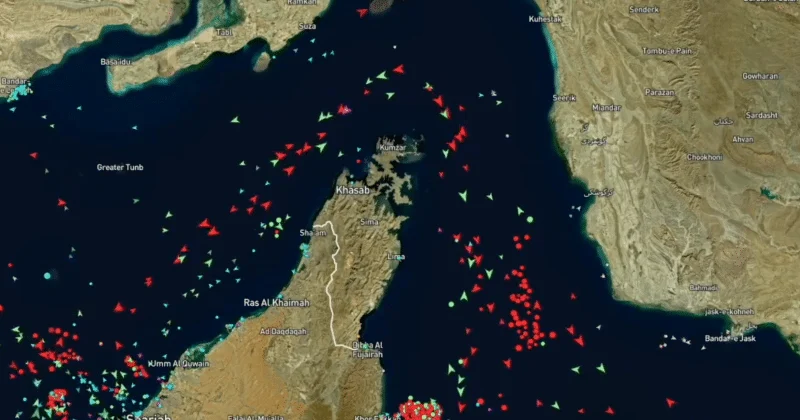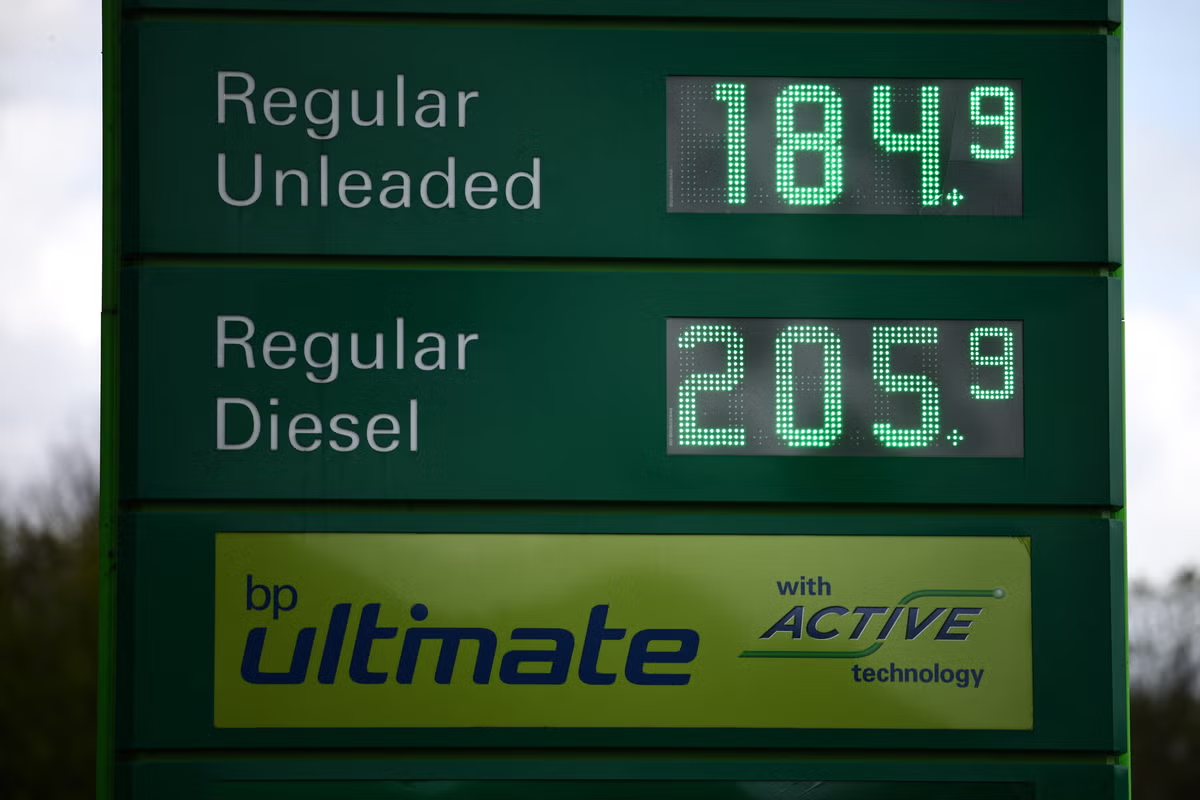
Fuel prices are expected to fall back significantly over the coming days and weeks as the oil market responds to an imminent end to the Iran war.Both US President Donald Trump and Iranian officials confirmed on Sunday they have agreed on a framework to end the conflict, sparking an immediate fall in oil prices.The international benchmark Brent crude dipped below $83 a barrel on Monday morning – its lowest level since the opening days of March.With prices at $72 before the war began, oil surged to a high of $126 in April following the continued closure of the Strait of Hormuz as Iran strangled the supply of oil out of the Middle East.This has inflated the cost of filling up for Britain's drivers. The average UK price of petrol hit a 2026 high of 159.7p per litre on 28 May, while diesel peaked at 192.3p on 15 April.As such, the cost to brim the 55-litre fuel tank of an average petrol family car has jumped by as much as £15 – or 20 per cent – while diesel owners have paid an additional £27.50 as pump prices rocketed by as much as 35 per cent due to ongoing tensions in the Middle East.So, having endured almost four months of higher fuel bills, when can the nation's motorists expect to see forecourt prices tumble – and by how much?With growing confidence for a peace deal to end the Iran war pulling oil below $83-a-barrel for the first time since February, when can we expect to see a big fall in petrol and diesel prices?Oil prices have been below $100 a barrel for more than a fortnight as confidence that a peace deal is nearing has grown.As such, wholesale prices (what fuel companies pay) have declined by 20 per cent since mid-May – and some of these savings have already been reflected at petrol stations.With retailers buying supplies in bulk, experts have long said that fluctuations in wholesale prices typically reach the pumps with a lag of two to four weeks.This means drivers are not likely to see the full effect of oil falling below $83 until the end of the month.However, forecourt prices have been in decline in recent weeks.Since the start of June, petrol has dropped by 3p a litre, averaging 156.8p a litre – the lowest since early April, according to the AA.Diesel has fallen 5p to 178.7p per litre – a price last seen on 30 March.'We are already seeing the impact of lower wholesale road fuel costs,' explains AA fuel spokesman Luke Bosdet.'That, in effect, lops £1.50 off the cost of filling your typical car tank and £4 off filling an 80‑litre van tank.'Petrol could fall to 148p in a fortnight, RAC says The RAC predicts that petrol prices should come down at least another 4p-a-litre, while diesel could drop by as much as 8p in the coming weeks.Head of policy at the motoring organisation, Simon Williams, optimistically believes the peace deal 'should quickly bring prices down at the pumps'.He told the Daily Mail and This is Money: 'We saw the cost of both petrol and diesel rocket at the start of the conflict, so we hope the fall will be just as quick.'Prior to the deal being announced, we were already expecting prices to come down significantly.'If oil now begins to consistently trade around $85 – something we haven't seen since early March – we should see the price of petrol reduce to 148p-a-litre from its current average of 156p in the next couple of weeks.'Diesel, which currently costs an average of 177p, ought to fall to under 160p.'Before the war began, we had an oil price of $70, which translated to an average petrol price of 132p and 141p for diesel.'If unleaded was to fall to 148p, this would be the lowest price since 25 March. And if diesel is to dip below 160p-a-litre, this would be the cheapest price since 13 March.Drivers in Northern Ireland and the North East of England have so far seen the biggest falls in petrol pump prices as the UK average fell to its lowest since the start of April, latest figures show.The average price of a litre of unleaded in Northern Ireland has fallen 4.4p in the past fortnight, while motorists in the North East have seen pump prices drop by 3.2p. The North East has also seen the biggest reductions in diesel prices, slipping 6.7p a litre in the last two weeks.Government scheme demanding price transparency is workingThe AA said the Government's introduction of the Fuel Finder scheme in January is contributing to retailers treating motorists more fairly.'In late April and early May, wholesale road fuel values rose substantially above where they were after the initial surge in March, yet pump price increases were fairly muted,' Bosdet added.'On the motorways, service areas that had been charging close to 185p a litre for petrol earlier in the conflict continued to charge less than 180p, even with the higher costs in early May.'We believe the greater pump-price transparency, which also allows fuel stations to promote their comparative prices, is now working well.'However, he caveated that oil and fuel commodity values have been 'yo-yoing' since the start of the Iran war. As such, a change in US policy could trigger an increase in fuel prices. CARS & MOTORING: ON TEST
When will petrol and diesel prices fall - and by how much?
With oil trading below $100-a-barrel for a fortnight, drivers have already seen the average price of a litre of petrol fall by 3p.
TL;DRAI
Iran-US peace accord crashes oil below $83; UK fuel prices expected to fall 8-17p per litre within 2-4 weeks as wholesale costs decline 20%. Geopolitical premium unwind eases supply-chain and energy inflation pressures across IT operations.
890 words~4 min read