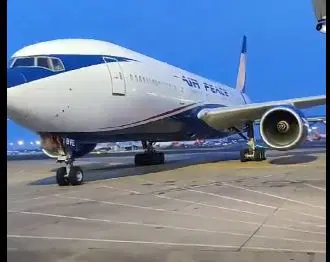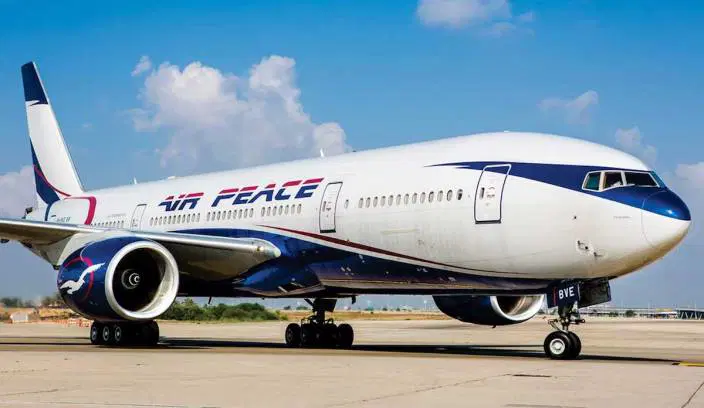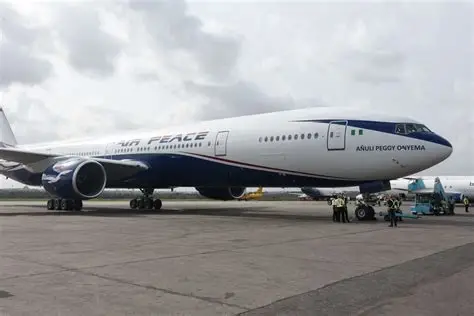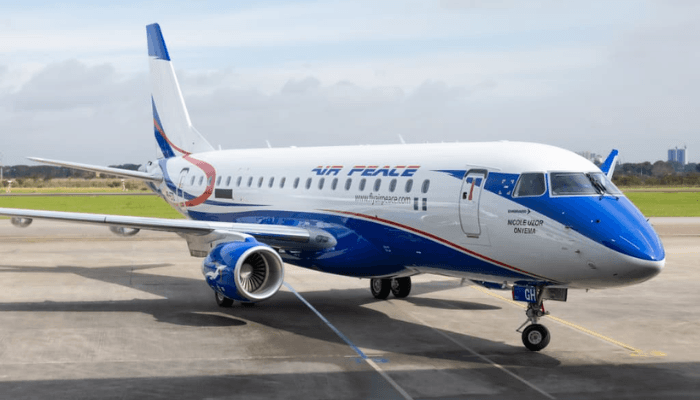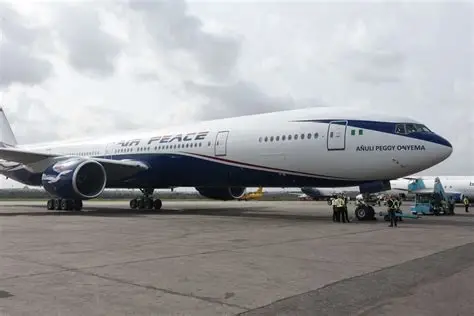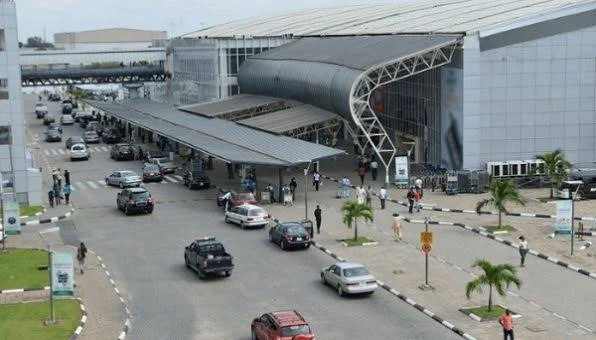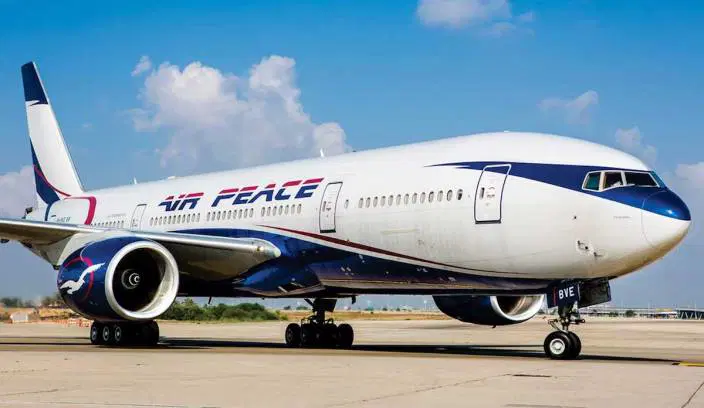
The events of Tuesday morning were chaotic, especially for Air Peace travellers who were stranded due to picketing activities carried out at Lagos and Abuja airports by protesting union leaders. This singular act alone grounded over 70 daily flights and jacked up the airline’s losses to N2 billion.
While the labour unions- the National Union of Air Transport Employees (NUATE) and Air Transport Services Senior Staff Association of Nigeria (ATSSSAN)- justified the act, citing unpaid five percent Ticket Sales Charge (TSC) arrears and restrictions on worker unionisation, legal practitioners and aviation experts have pointed to constitutional boundaries that render the blockades unlawful. This comes as Air Peace management vowed to hold the aviation labour unions financially responsible for passenger compensation and possible lawsuits from the impasse.
Under Nigerian law, trade unions do not possess absolute liberty to disrupt business operations. Enakeno Precious Orogun, a legal practitioner, argued that picketing must remain peaceful and not infringe upon the constitutional rights of third parties
“Under Section 43 of the Trade Unions Act, picketing is recognised as a lawful tool of labour engagement. However, the law explicitly mandates that picketing must remain strictly peaceful and must not infringe upon the constitutional rights of third parties. Legally, picketing cannot be used to obstruct physical entrances, prevent access to business premises, or disrupt ongoing commercial operations,” Orogun said.