An intense debate has broken out over the rate at which autism is being diagnosed, and whether the diagnosis itself still means anything. It follows an argument by one of Britain’s most influential autism researchers that the spectrum has become too broad to be useful.
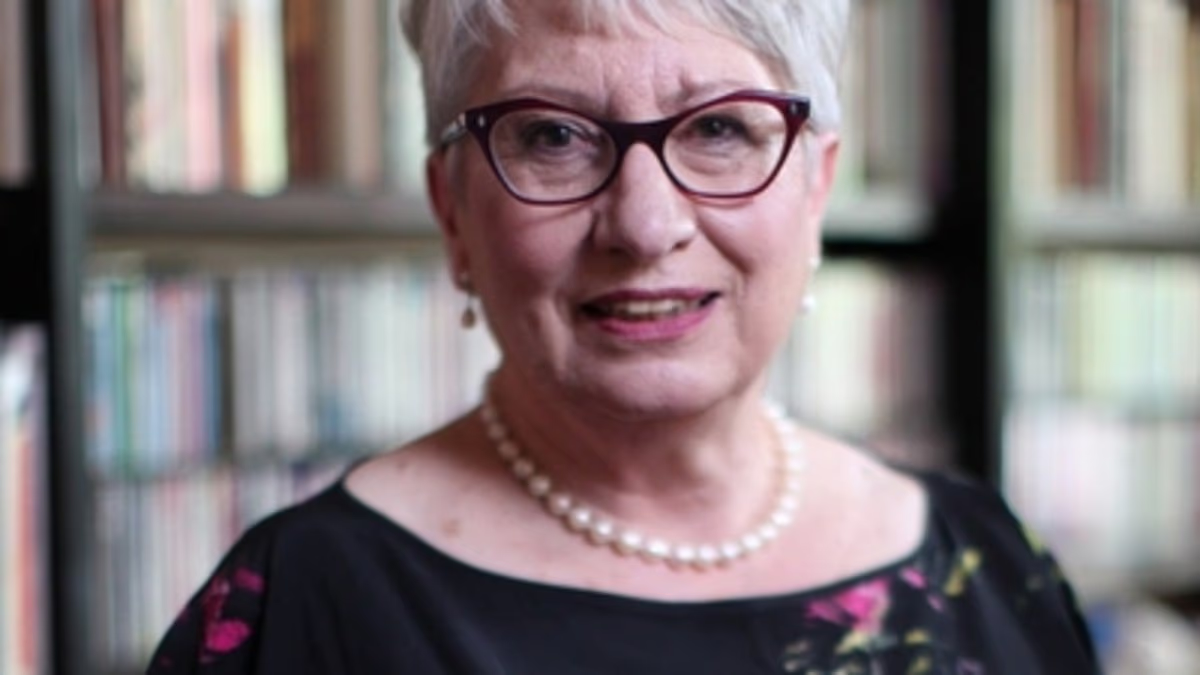
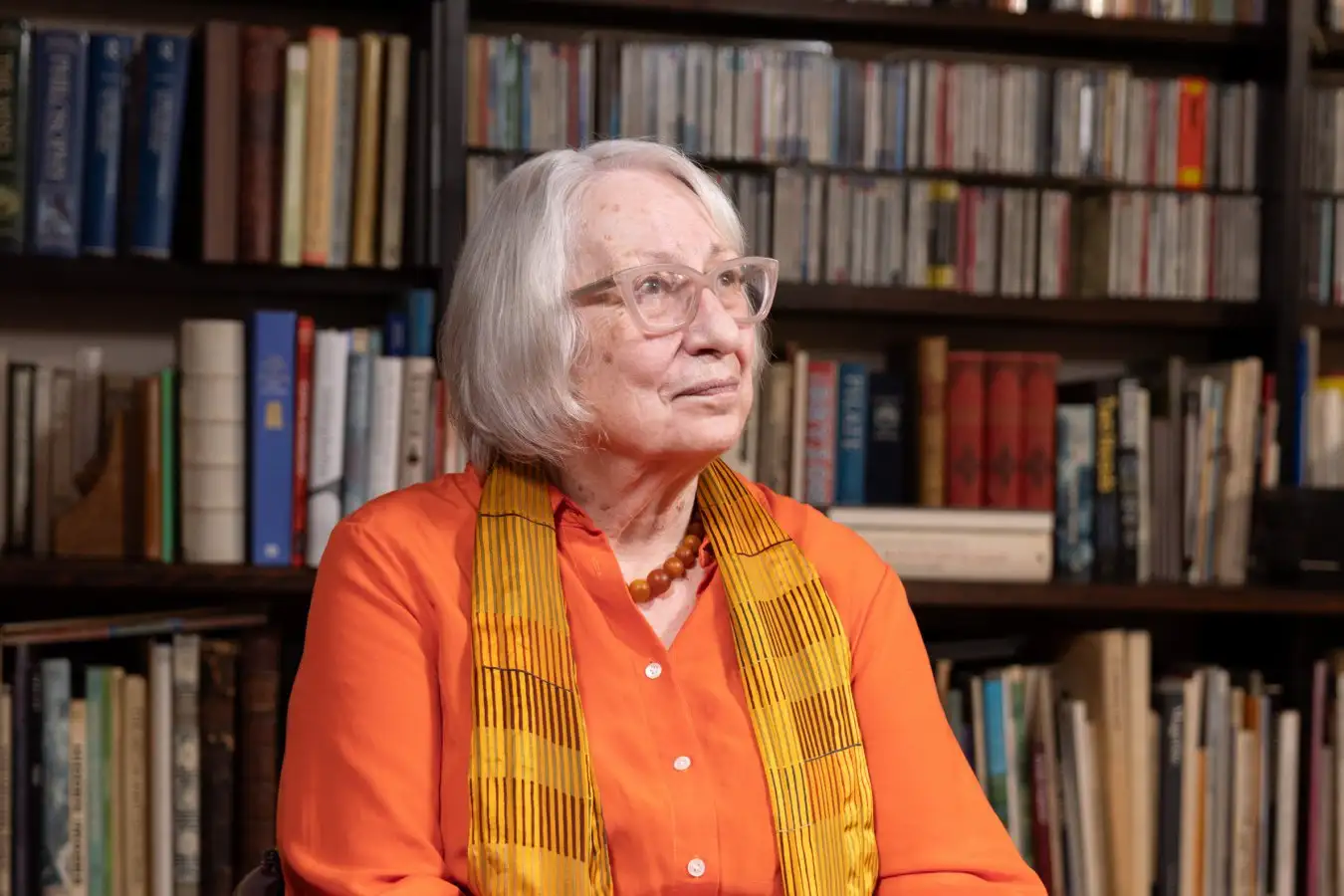
Professor Dame Uta Frith, the UCL cognitive neuroscientist, writing in the journal Psychological Medicine, says the diagnostic threshold has been lowered so far that some people now diagnosed particularly in adulthood may not be autistic at all. In 1960s Britain, roughly four in 10,000 children were diagnosed. Today, it is around one in 57 schoolchildren. She proposes splitting the spectrum into different categories.
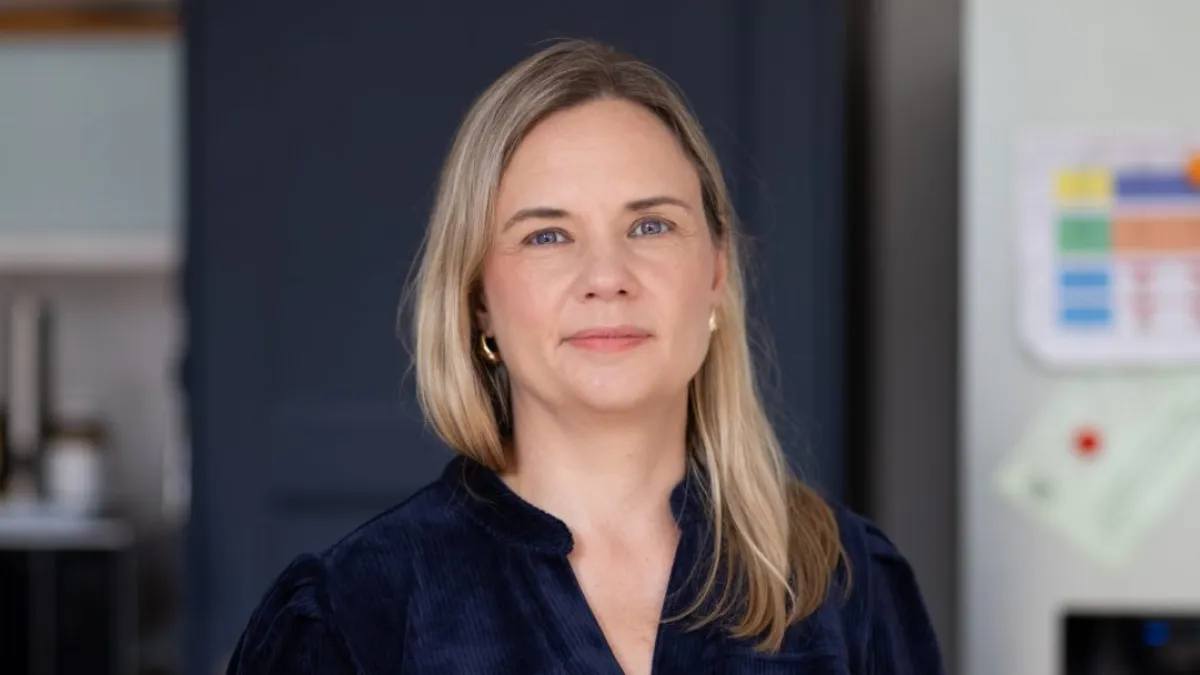
I have been writing about autism and special educational needs for about 10 years. I am autistic myself, identified, as many women are, well into adulthood. Frith might look at me, articulate, relatively successful, happy marriage, close friends, mum of two boys, and assume I am not really autistic. But she would be wrong.
Shorts
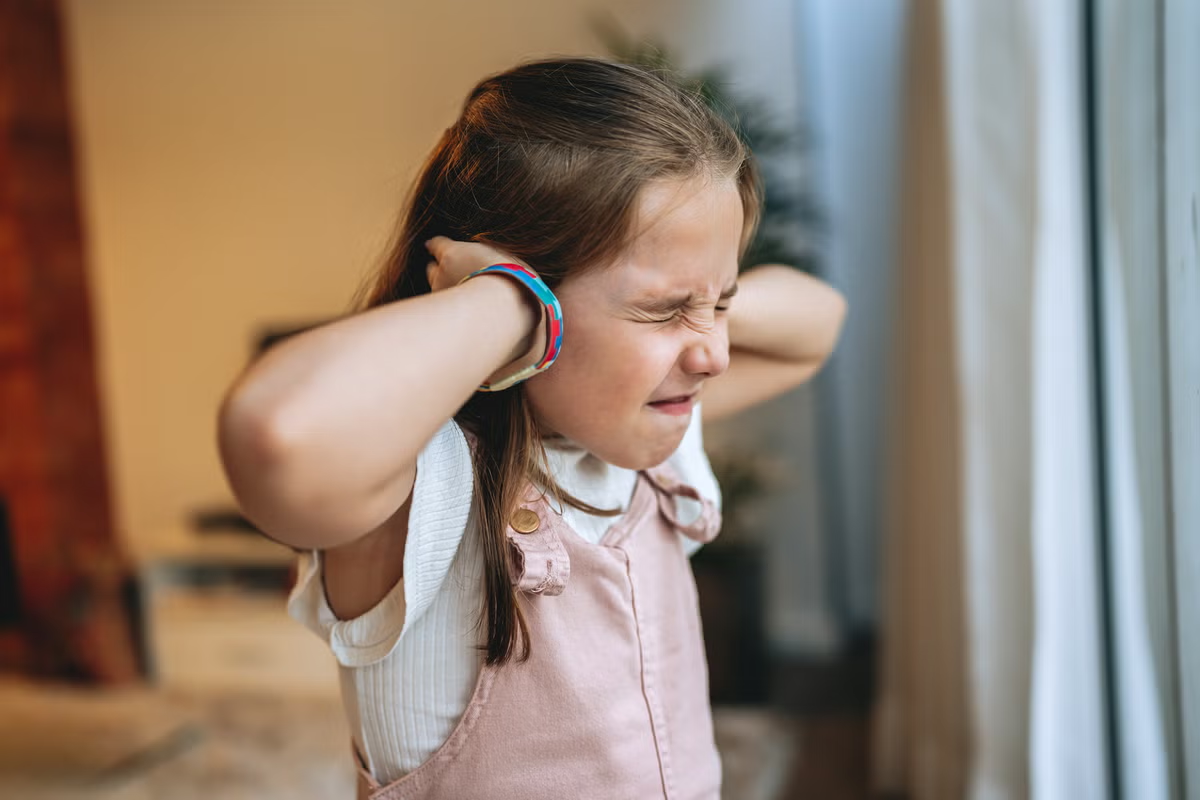
The honest truth is that I find describing my autism (and ADHD) hard. How am I meant to know how my sensory experience differs from yours? I would like a brain transplant for a day, just to try a neurotypical one out. What I have noticed is how much I have in common with my neurodivergent peers, and with my children: the literal thinking, the anxiety, the limited social battery, the stress of noisy places, interrupting too much, not being able to stop my brain pinging about. Ping ping ping.