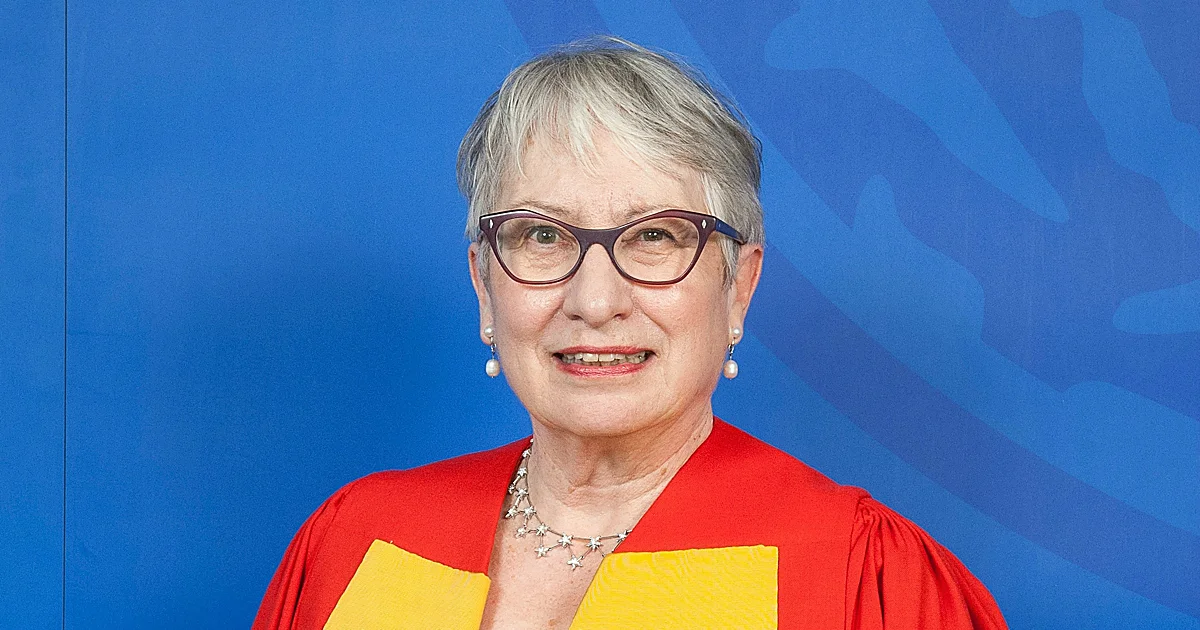
Many autistic Britons may not in fact have the disorder, a leading expert in the condition has warned - amid an alarming surge diagnoses. The definition of the problem with learning and development has become 'too broad', 'vague' and influenced by 'misleading' ideas spread on social media, according to Professor Dame Uta Frith. Prof Frith, from the Institute of Cognitive Neuroscience at University College London, authored pioneering research in 1960s and 70s that defined the medical establishment's understanding of autism, and its impact on daily life.In a strongly worded paper published today, the psychologist remarked on the dramatic change in criteria for diagnosis of the disorder over the last 80 years. 'When it was first identified in the 1940s, it referred to a small group of children with severe difficulties in social interaction, communication and behaviour,' Prof Frith wrote in the journal Psychological Medicine.'Over time, the definition has widened to include people with milder traits and no language or learning problems.'Today, anyone of any age or intelligence level can be diagnosed with autism if they meet certain criteria.'She added that the term has become a 'catch all diagnosis' for other psychological problems that require different treatment. Dame Uta Frith, who pioneered much of the research that underpins autism, says the desire for inclusiveness has led to 'overinclusion'Recent figures show the number of UK patients awaiting specialist help for autism has tripled since 2021.More than 200,000 people are now awaiting an assesment, equivalent to the population of Luton or Portsmouth.Over the last 20 years, meanwhile, diagnoses have surged by more than 700 per cent, according to studies.Experts have previously blamed increased awareness of the signs of the condition, fuelled by videos posted to social media, for the increase.Autism is a lifelong disability that influences how people experience and interact with the world.It commonly causes problems with communicating, socialising and learning.Some also have a learning disability, and those with the disorder are at higher risk of a range of physical and mental health conditions including epilepsy, eating disorders and anxiety.Charities now describe autism as a 'neurodivergence', rather than developmental problem. But Prof Frith says this further fuels misunderstandings.
Autism is 'overdiagnosed', warns top specialist in the condition
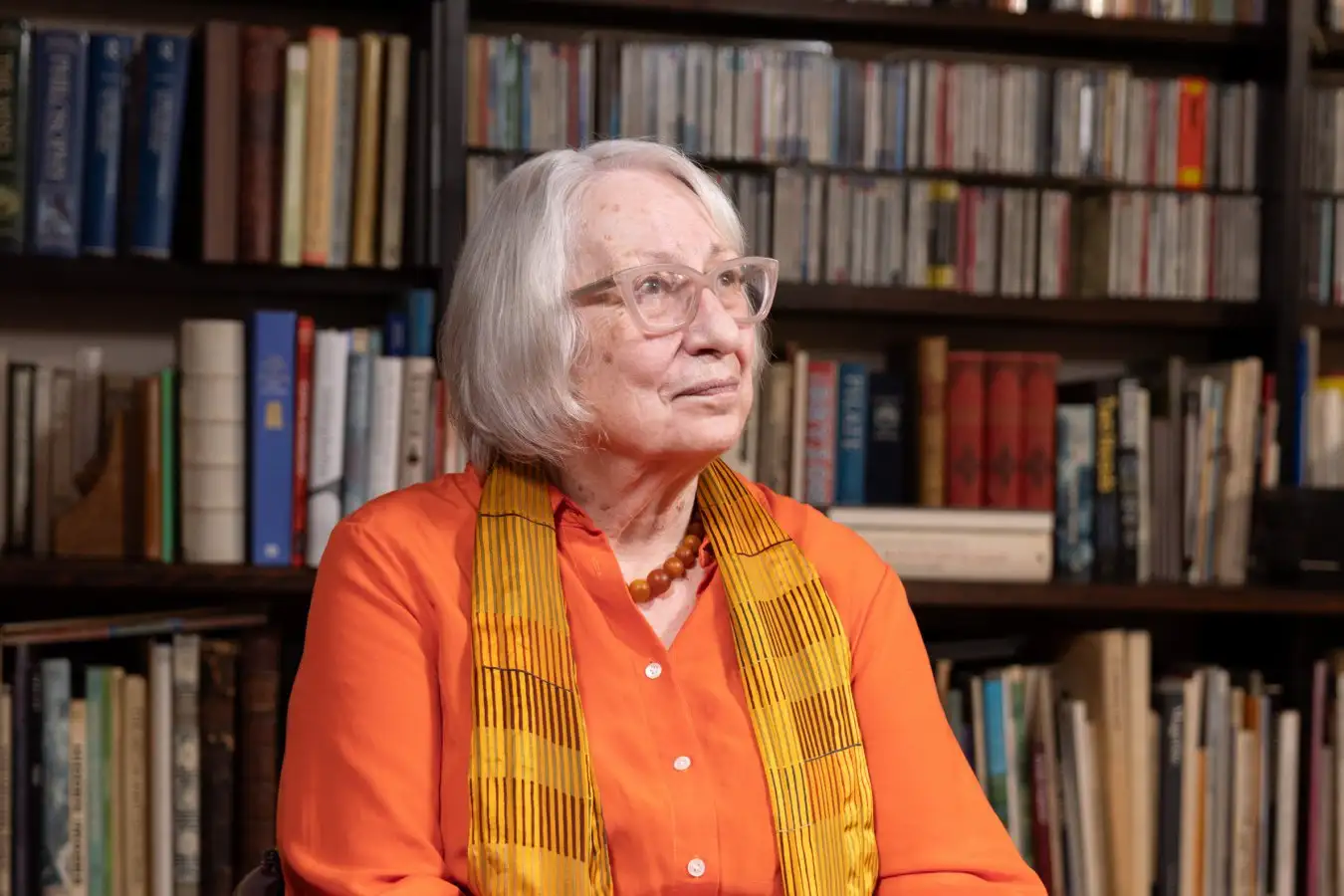
Prof Frith authored pioneering research in 1960s and 70s that defined the medical establishment's understanding of autism.
731 words~3 min read