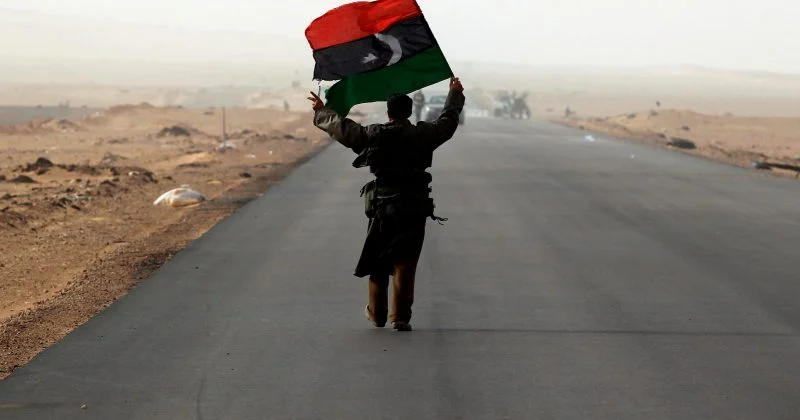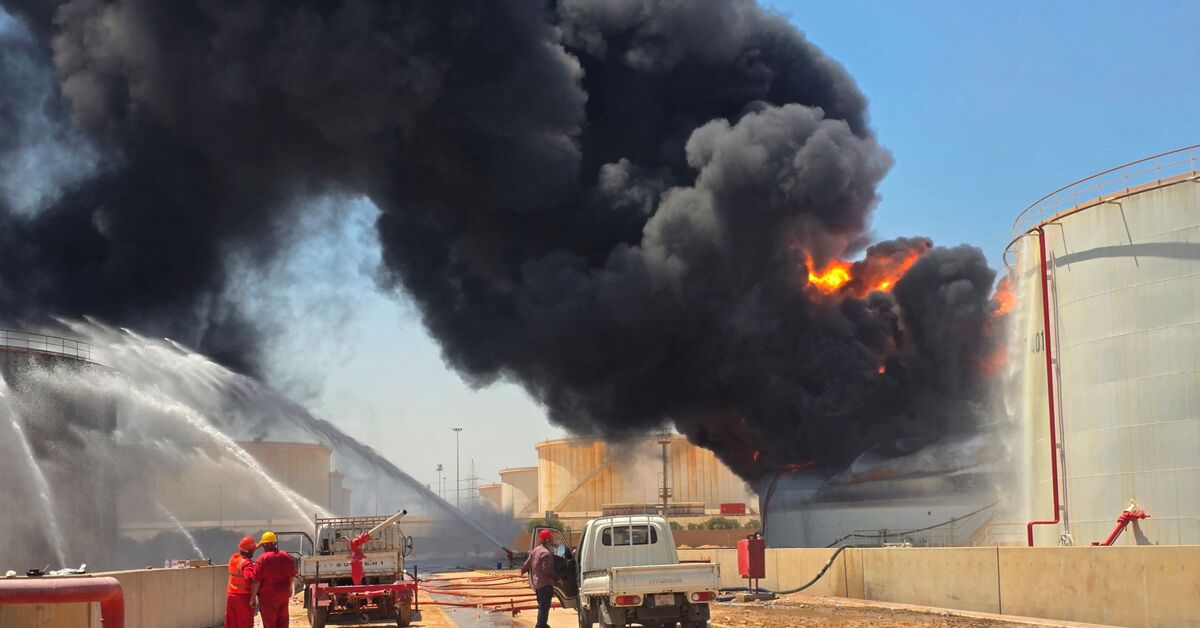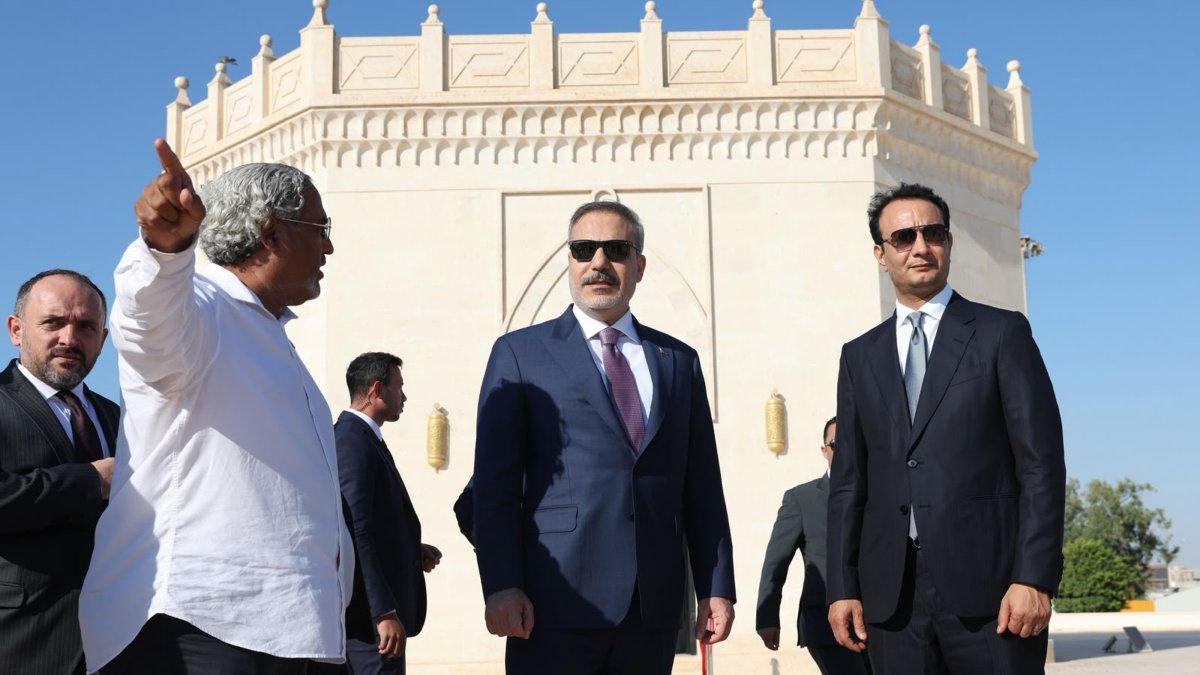
Libya is quietly, step by step, moving toward becoming a peaceful and unified state. After years of civil war and political division following the overthrow of Muammar Gaddafi, the country has now entered a prolonged period of relative peace. More importantly, the two sides want to coexist rather than fight for control of the country.
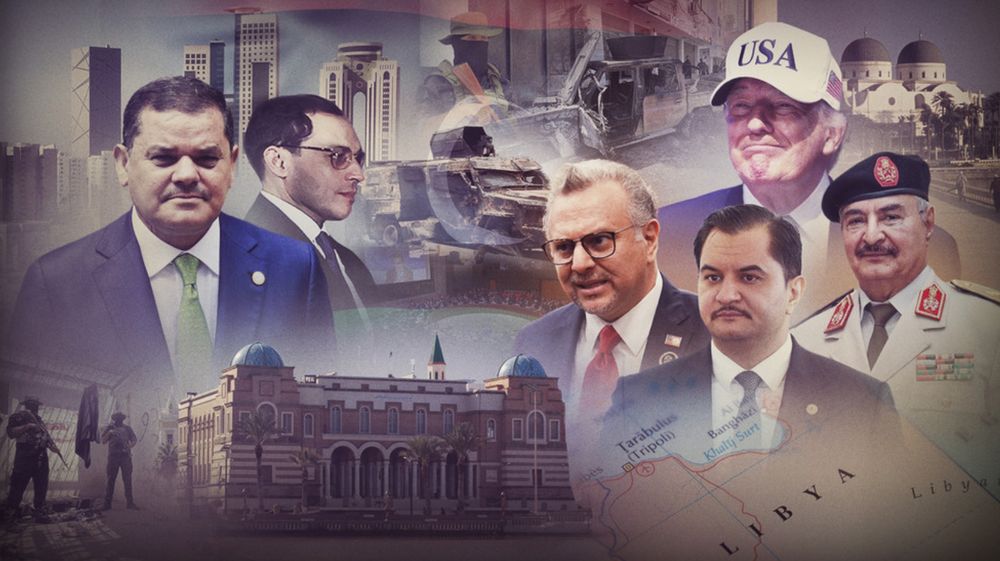
Following the initial period of conflict, Libya developed a dual political and military structure. On one side was Fayez al-Sarraj, head of the Government of National Accord (GNA), which was recognized as legitimate by the U.N. On the other was General Khalifa Haftar, who appeared as the dominant military figure in eastern Libya through the Libyan National Army.
This dual structure has remained in place ever since. Libya's government was based in Tripoli, while its parliament remained in Benghazi. After al-Sarraj stepped down, political leadership changed, but the basic structure remained: Aguila Saleh continued to lead the political side as Speaker of the House of Representatives, while Haftar retained control of the military.
Balance of power
During the Syrian civil war, an interesting contrast appeared when Libya and Syria were compared. The Libyan people did not want to fight one another for power. This was, in fact, a very important and valuable development.