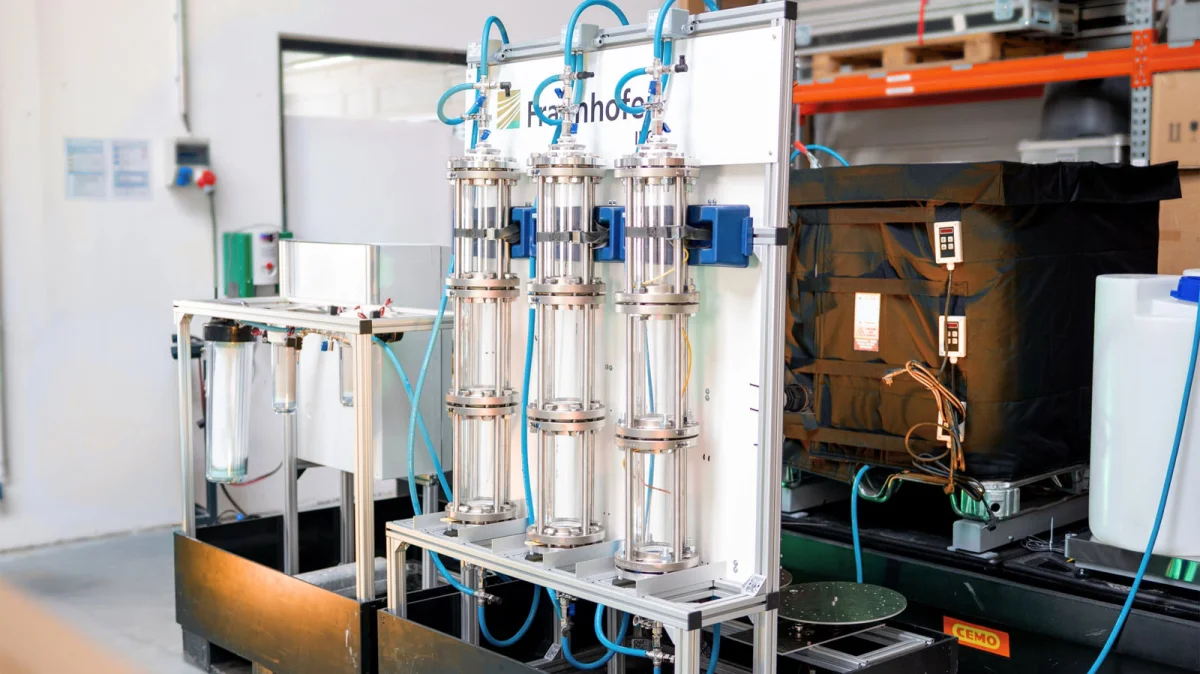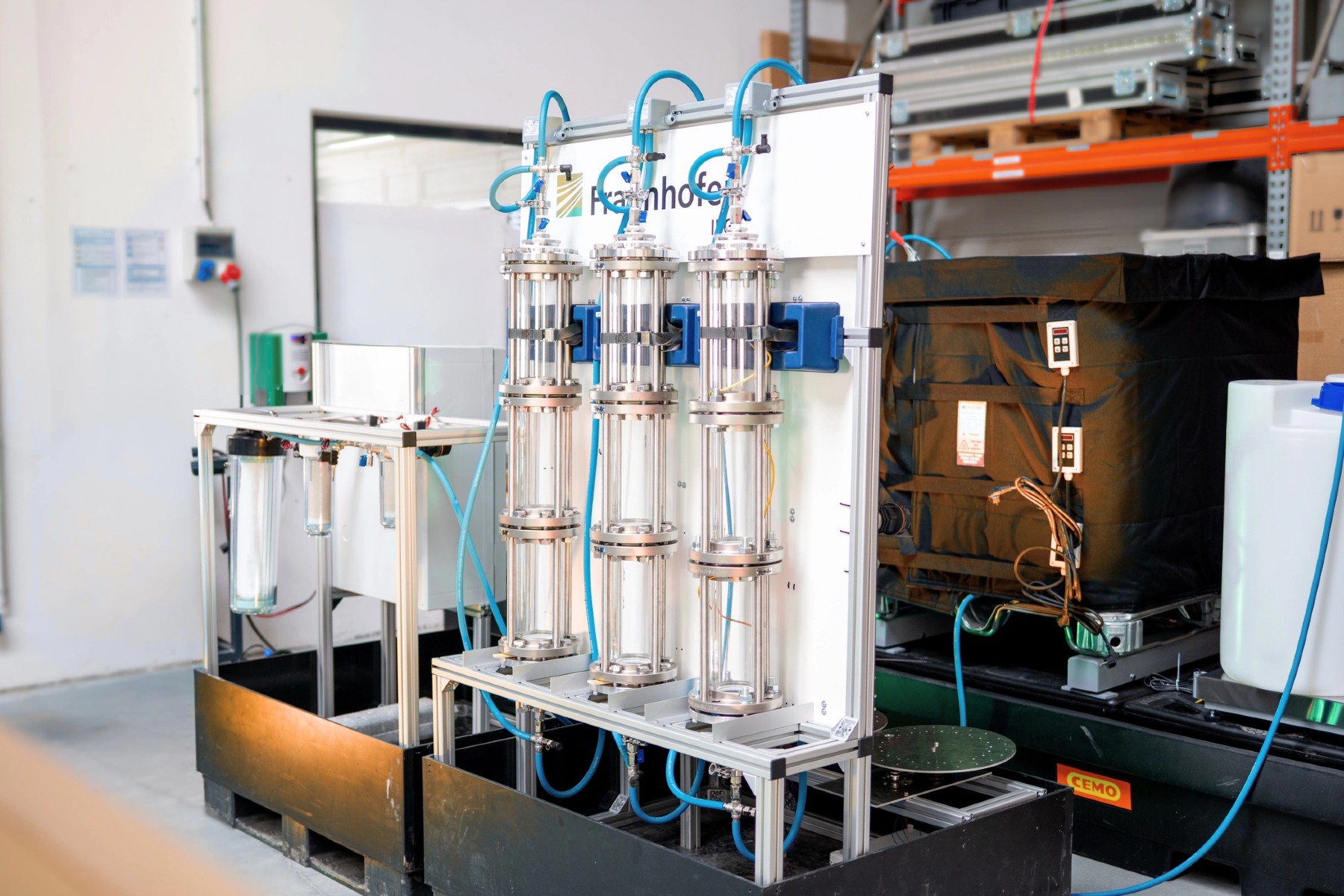
After evaluating various direct lithium extraction (DLE) technologies, Neptune Energy is now working with the Fraunhofer Institute for Energy Infrastructures and Geothermal Systems IEG to refine a suitable adsorption process. The ALE (Altmark Lithium Extraction) project aims to extract lithium precursors from deep thermal water in Germany’s Altmark region.
With the project, Neptune Energy aims to support the domestic supply of critical raw materials. The company plans to gradually start commercial lithium production from 2030 and reach up to 25,000 tonnes of lithium carbonate equivalent (LCE) per year during the 2030s. According to Neptune Energy, that would provide enough lithium for the batteries of around 500,000 electric vehicles annually.
Northern Saxony-Anhalt hosts one of the world’s largest lithium resources associated with a specific project, with proven resources of 43 million tonnes of lithium carbonate equivalent. The lithium is dissolved in thermal water at depths of 3,000 to 4,000 metres and contained in the rock’s fine pore spaces. Neptune Energy plans to bring the thermal water to the surface through wells and extract the lithium using DLE technology.
“During Pilot Phase I last year, we investigated various DLE technologies available worldwide to assess their suitability for the conditions in the Altmark region. Following tests using ion-exchange and adsorption processes, adsorption technology proved to be the most promising for the conditions in the Altmark region. We now intend to further develop this process in collaboration with Fraunhofer IEG,” explained Joachim Sluet, Midstream Manager and head of pilot projects at Neptune Energy.