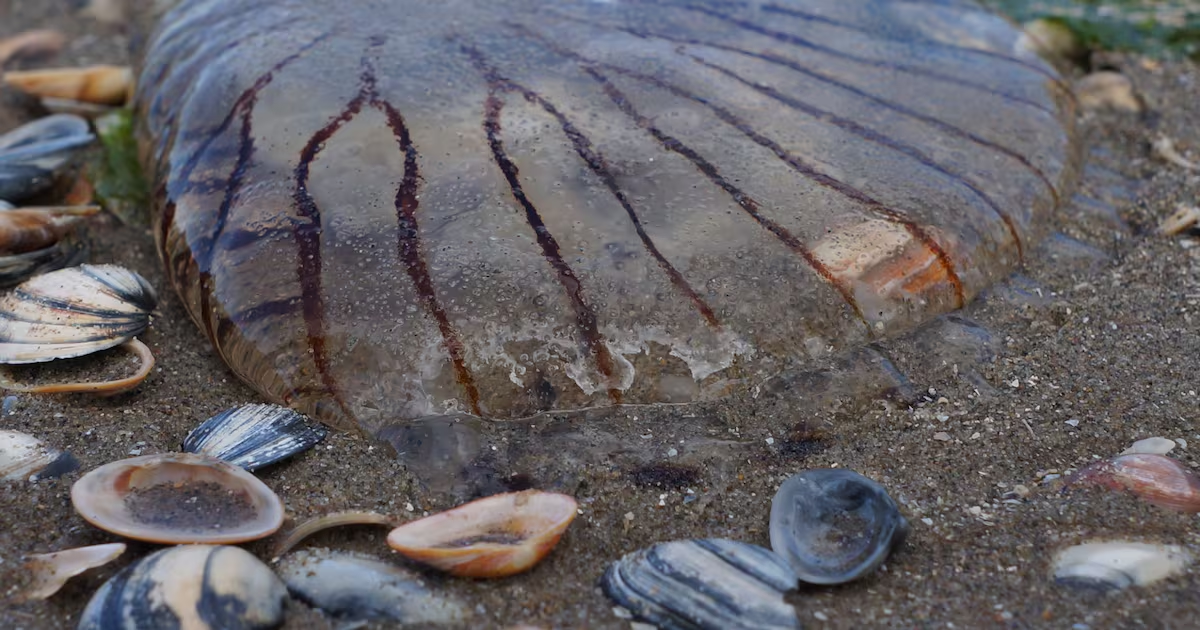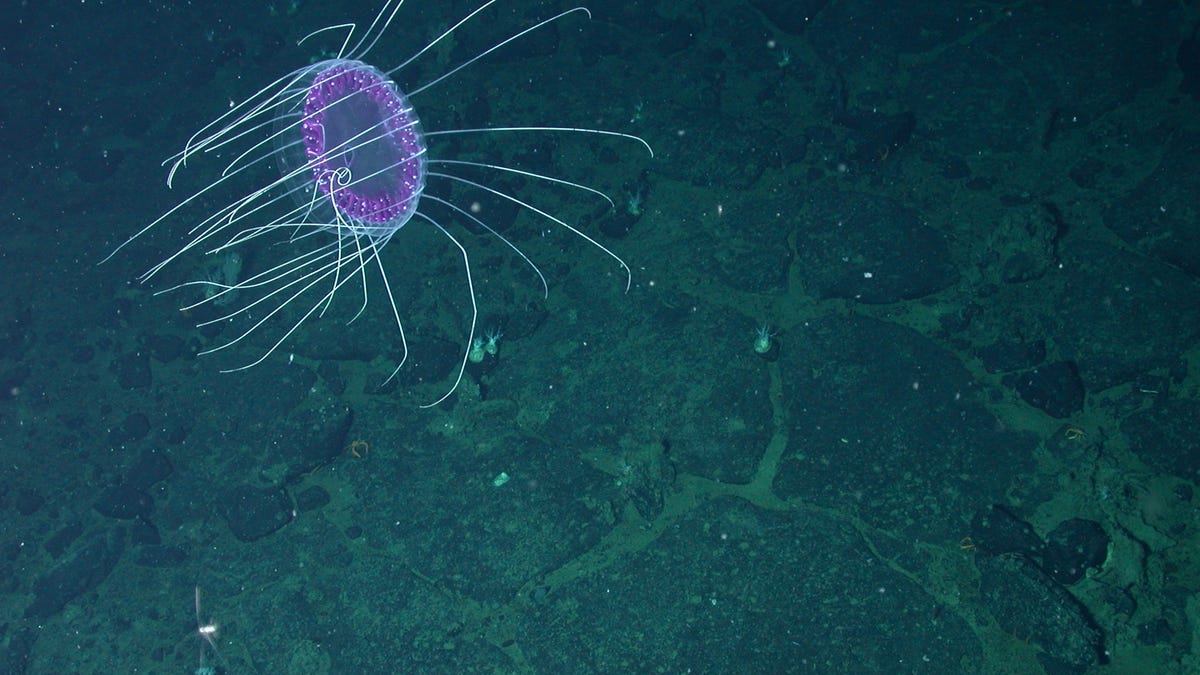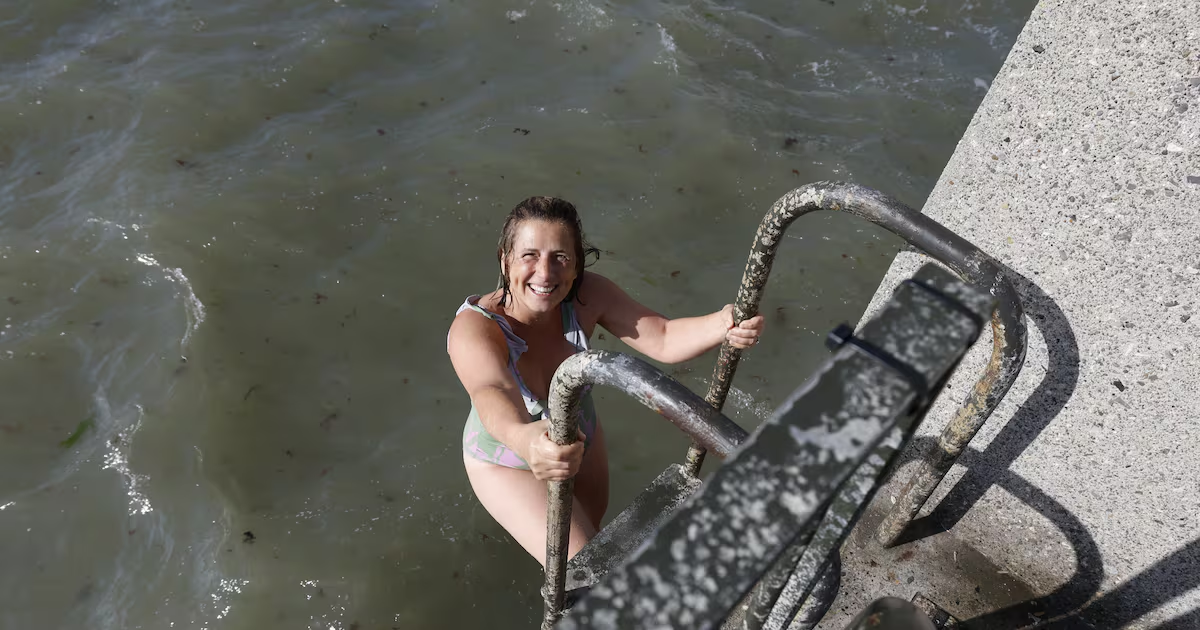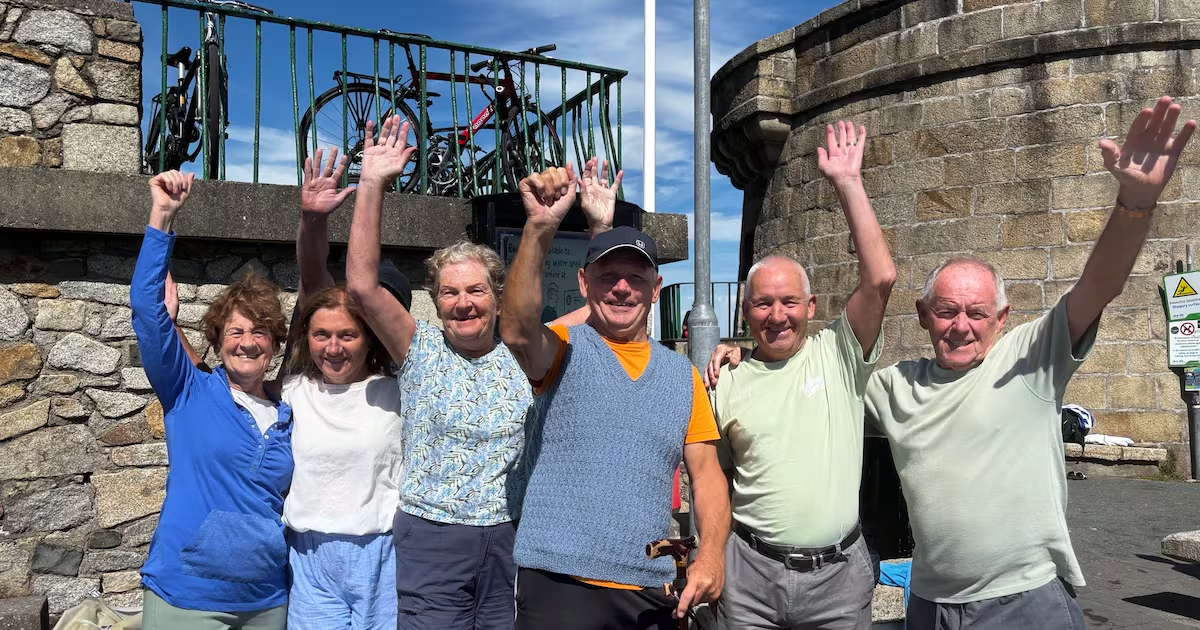
“I have been stung most years,” said veteran swimmer Margaret Thomas as she emerged from her daily morning dip in the sea near the Martello tower in Dublin’s Seapoint. “But not since I bought the sting suit,” she added with a laugh. The sting suit, a looser, lighter form of clothing than a wetsuit, is designed to protect swimmers from the worst of jellyfish stings – a topic that has proliferated on social media channels since the recent hot spell. “It is more like togs material than a wetsuit,” said Thomas, who travels regularly to Seapoint from Dundrum to swim. With more people taking to the seaside in the long hot summer, the HSE’s Health Protection Surveillance Centre (HPSC) has issued a warning to swimmers.Dún Laoghaire Rathdown County Council has also issued a warning – in relation to Seapoint in particular – that compass jellyfish have been seen in the water and should be avoided by swimmers and even by walkers on the beach, as the remains of dead jellyfish can sting. With several hundred people taking to the waters in Seapoint this week, Thomas and a group of friends who meet there every day all agreed that stings from compass jellyfish were a common occurrence. Jim Doyle from Ringsend passed around the post-swim chocolates and said: “The stings are mostly on the legs and arms, luckily enough.” “You wouldn’t want to get it on the face,” he added. Jim Doyle, who said he has been stung by jellyfish many times, passes around chocolates after his morning swim at the Martello tower at Seapoint, Co Dublin. Photograph: Tim O'Brien His friend Kevin Fitzpatrick agreed. “No, the face would be awful.”The swimmers seemed resigned to sharing the waters with jellyfish and many expressed more concern about the provision of showers and the condition of the men’s toilet, which, they said, was in urgent need of an upgrade. Swimmer Christy Kealy pointed out that the “jellyfish have been around for 500 million years” and it was the humans who were invading their space. The swimmers were watched over by a lifeguard employed by Dún Laoghaire Rathdown County Council and on Tuesday the Coast Guard was in attendance. Whatever about the compass jellyfish, sightings of the much more toxic lion’s mane jellyfish have been reported by Water Safety Ireland in Salthill and at Whitestrand and Renvyle beaches in Co Galway. The lion’s mane is one of the largest known species of jellyfish and gets its name because of its large tentacles.While not generally considered life-threatening, a lion’s mane’s stinging cells are much sharper than other jellyfish species and can pierce skin easily, resulting in a painful sting.Such stings have the potential to cause nausea, sweating, cramps and headaches among other symptoms. Severe stings can require urgent medical attention.Last year both Fingal and Dún Laoghaire Rathdown councils issued warnings in August after multiple reported sightings of lion’s mane in Balbriggan, Portrane and south Dublin beaches.According to the HPSC, there are five native jellyfish species in Ireland: the barrel; blue; common (moon); compass and lion’s mane. All jellyfish possess stinging cells, “stingers”, on their tentacles, and brushing against tentacles can cause the release of these stingers, which contain venom. Depending on the type of jellyfish, the stingers may not be sharp enough and long enough to pierce the skin and the skin forms a natural barrier to most stings. More delicate areas, such as the eyes and lips, might be more easily pierced.Most symptoms would be mild and include immediate stinging pain at the site of the sting, skin reactions such as redness and itching that can start immediately after being stung.More severe symptoms can include intense or long-lasting pain, swelling of the affected area and significant and long-lasting skin reactions. The HPCC said barrel jellyfish “can form enormous blooms every year off Rosslare and Wexford harbours, yet is rarely found anywhere else in such large numbers”.Paul Kenny of Kenny’s Pharmacy in Tramore, Co Waterford, said jellyfish have been particularly prevalent this summer. He said kayakers had reported large blooms of jellyfish, and the number of people attending the pharmacy for treatment for stings had increased. Roger Sweeney of Water Safety Ireland said “the important message is to be aware rather than alarmed” and to be wary of touching jellyfish, whatever the species.
‘Sting suits’ bought and warnings issued as jellyfish ‘bloom’ in coastal waters
Swimmers in Seapoint, Dublin, are ‘well used’ to stings but some now use ‘sting suits’
718 words~3 min read