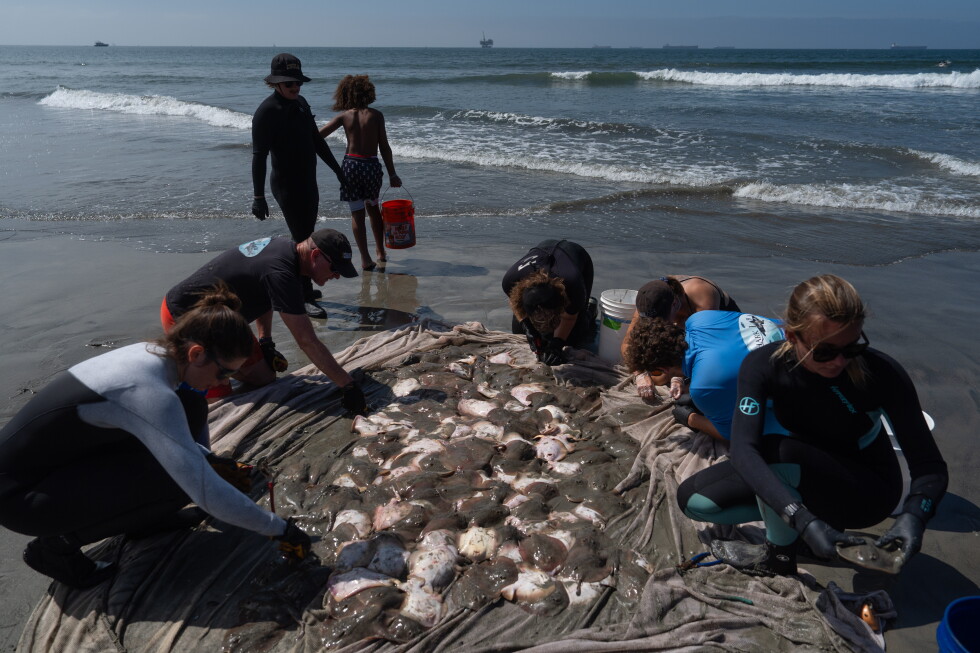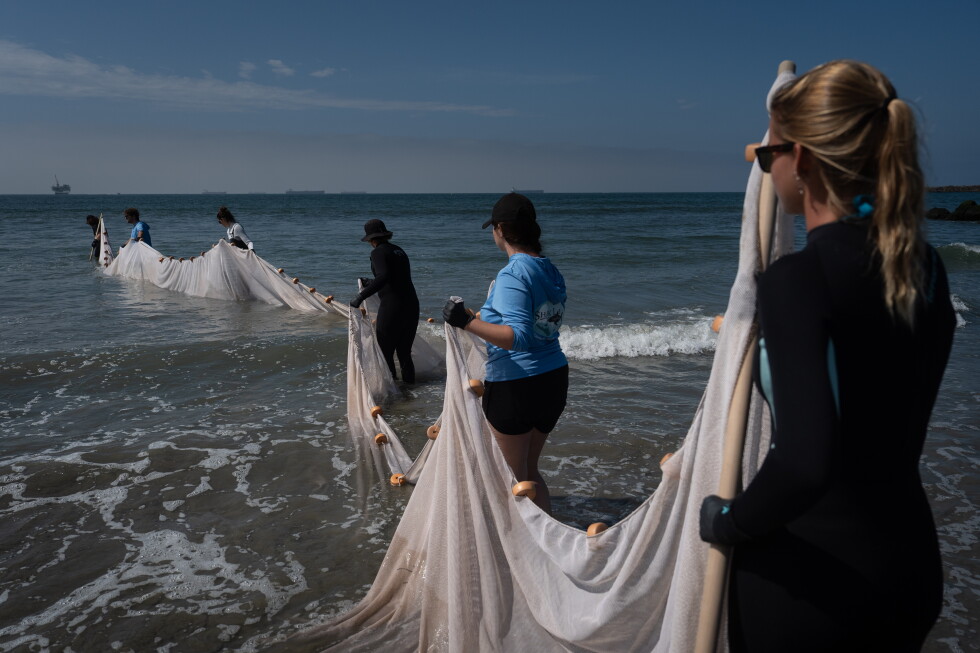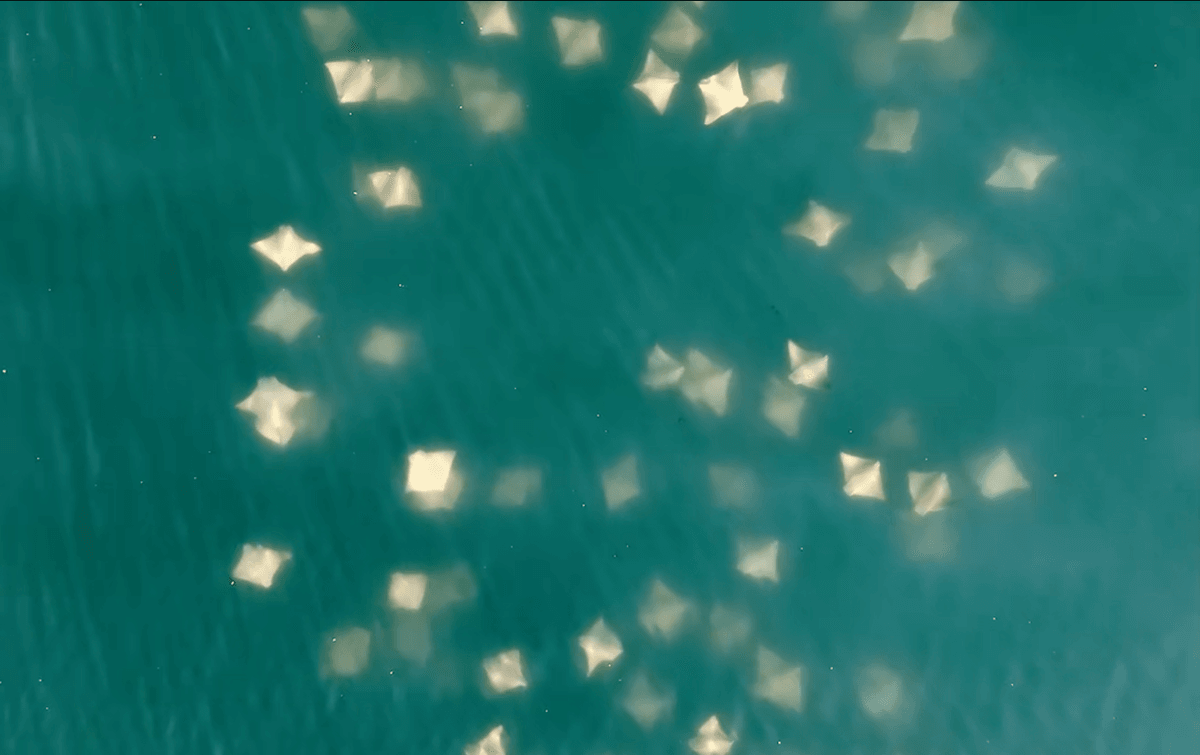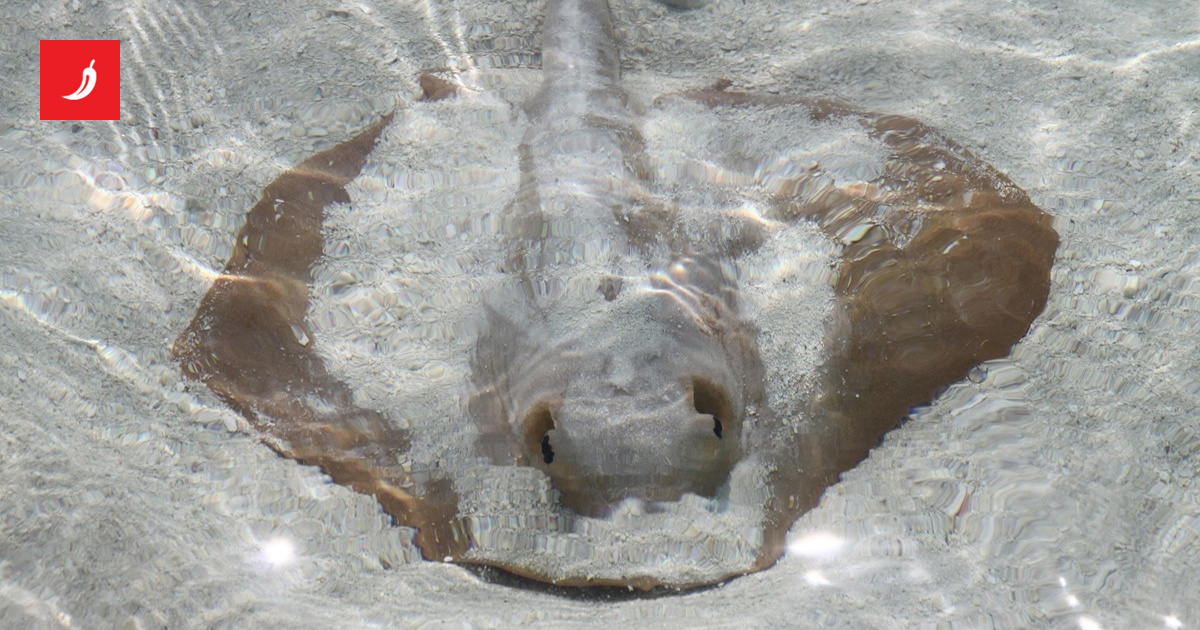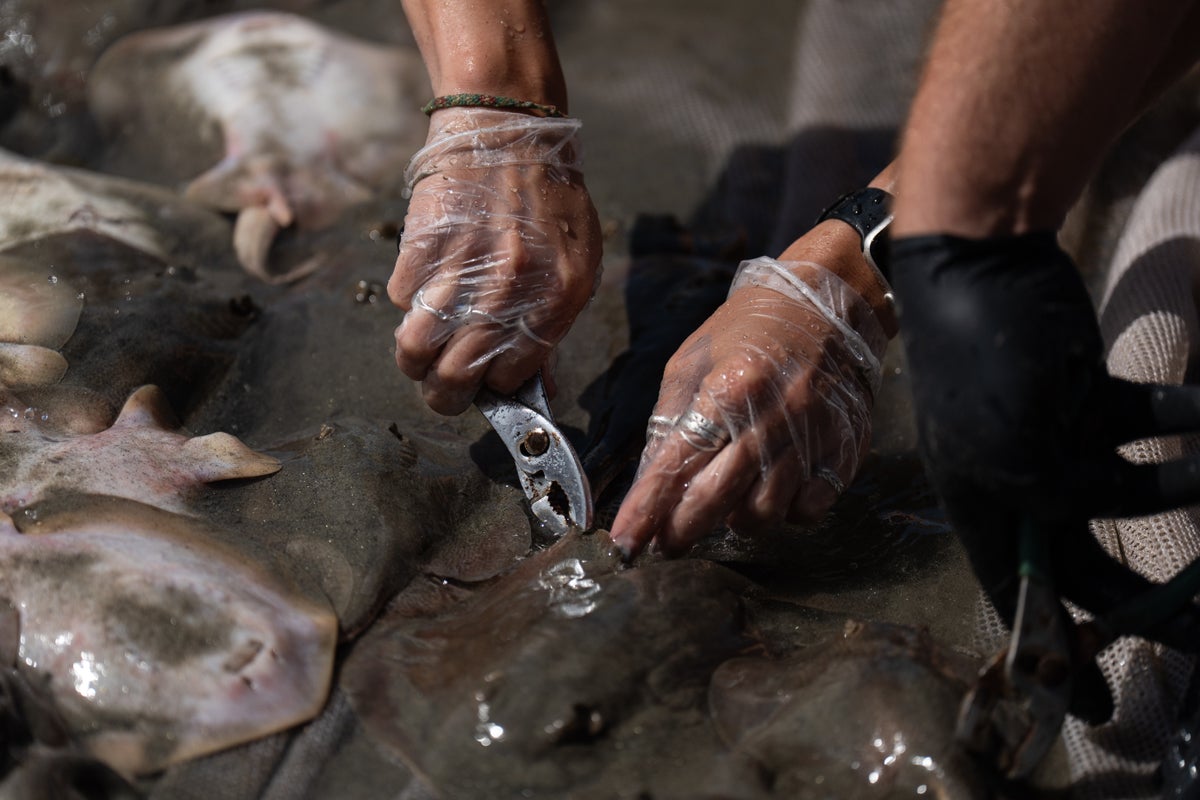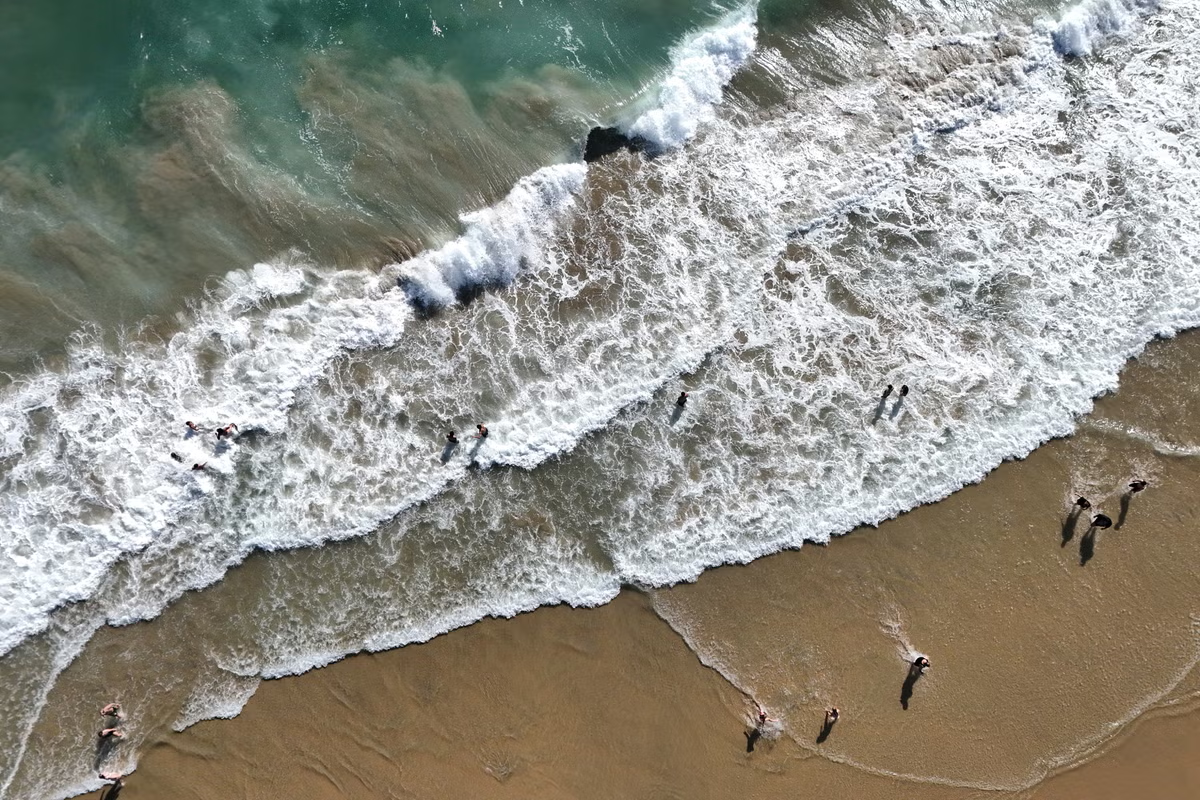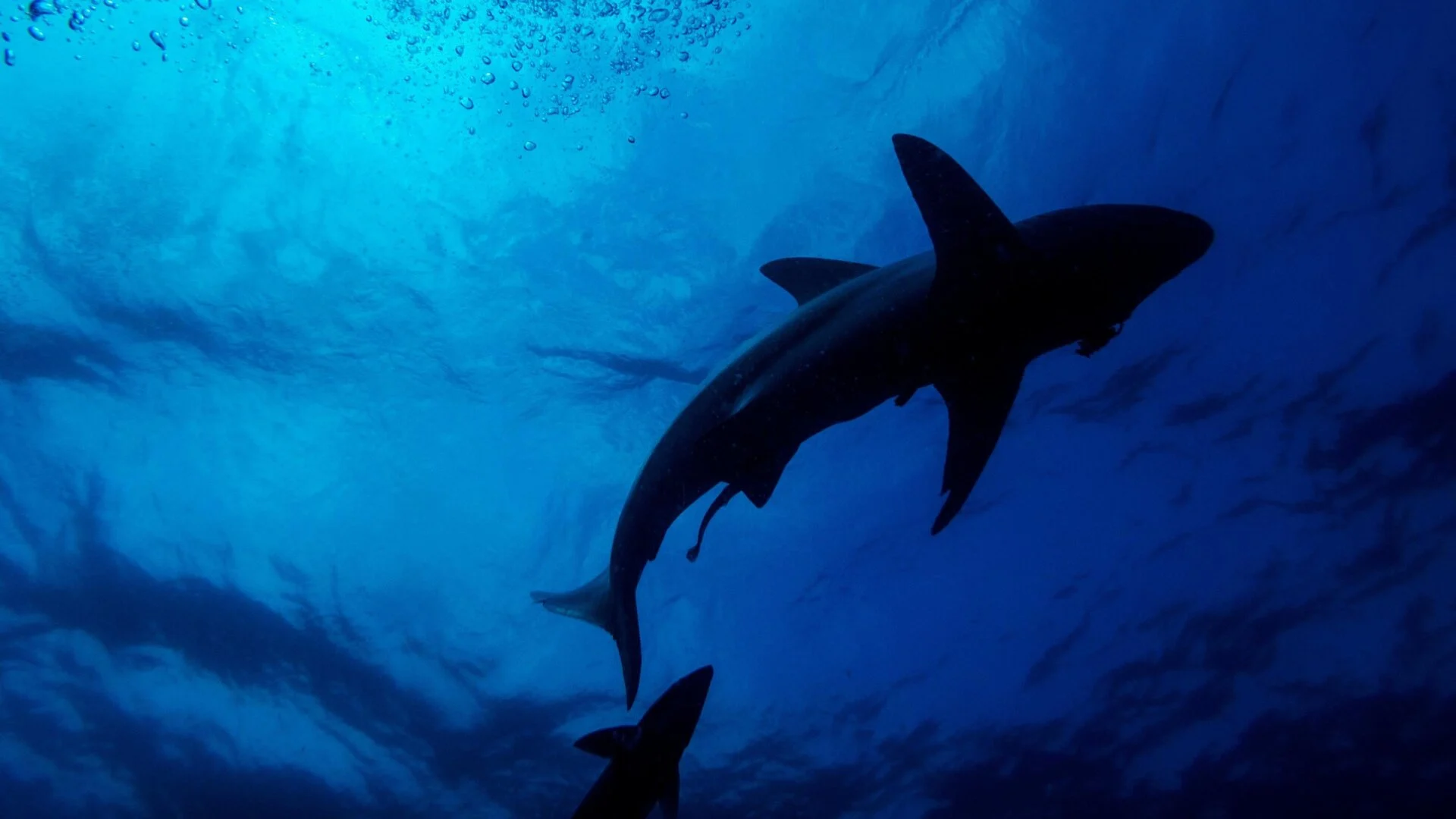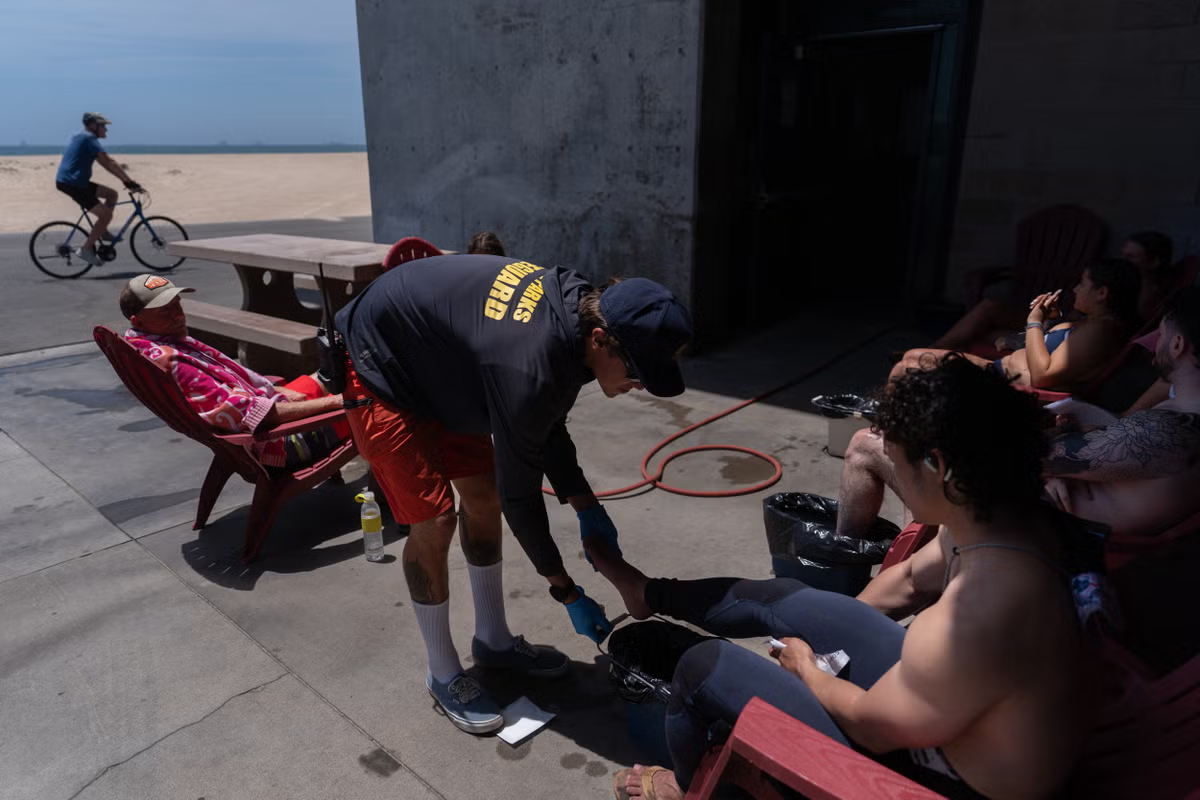
Jump to contentThank you for registeringPlease refresh the page or navigate to another page on the site to be automatically logged inPlease refresh your browser to be logged inAllNewsSportCultureLifestyleLifeguard Max Voci treats beachgoers for stingray stings at Bolsa Chica State Beach in Huntington Beach (AP Photo/Jae C. Hong)Southern California beaches are experiencing a dramatic surge in stingray stings, with Bolsa Chica and Huntington State Beaches reporting over 3,100 incidents this year—double the total for all of 2025—and San Diego recording more than 900 stings in the first half of 2026. Marine biologists attribute the population boom and coastal migration of round stingrays to human-caused climate change, a persistent marine heatwave, El Niño conditions, and dwindling populations of natural predators like sharks and sea lions. Increased beach visitation since the coronavirus pandemic combined with consistently warm ocean temperatures has resulted in more frequent encounters between bathers and stingrays resting in shallow shoreline sand. Lifeguards treat stings by instructing victims to soak their feet in hot water to neutralize the venom and alleviate pain, while strongly advising swimmers to shuffle their feet in the sand to prompt rays to swim away safely. Experts like California State University, Long Beach professor Chris Lowe expect record stingray numbers this year and are developing stingray advisories to protect bathers from painful barbs while preserving the species' ecological benefits to beaches. In fullCalifornia’s beaches are becoming carpeted with thousands of barbed fishMore bulletinsThank you for registeringPlease refresh the page or navigate to another page on the site to be automatically logged inPlease refresh your browser to be logged in
Stingray injuries spike as heat wave draws more popular US beaches
Jump to contentThank you for registeringPlease refresh the page or navigate to another page on the site to be automatically logged inPlease refresh your browser to be logged inAllNewsSportCultureLifestyleLifeguard Max Voci treats beachgoers for stingray stings at Bolsa Chica State Beach in Huntington Beach (AP Photo/Jae C. Hong)Southern California beaches are experiencing a dramatic surge in stingray stings, with Bolsa Chica and Huntington State Beaches reporting over 3,100 incidents this year—double the total for all of 2025—and San Diego recording more than 900 stings in the first half of 2026. Marine biologists attribute the population boom and coastal migration of round stingrays to human-caused climate change, a persistent marine heatwave, El Niño conditions, and dwindling populations of natural predators like sharks and sea lions. Increased beach visitation since the coronavirus pandemic combined with consistently warm ocean temperatures has resulted in more frequent encounters between bathers and stingrays resting in shallow shoreline sand. Lifeguards treat stings by instructing victims to soak their feet in hot water to neutralize the venom and alleviate pain, while strongly advising swimmers to shuffle their feet in the sand to prompt rays to swim away safely. Experts like California State University, Long Beach professor Chris Lowe expect record stingray numbers this year and are developing stingray advisories to protect bathers from painful barbs while preserving the species' ecological benefits to beaches. In fullCalifornia’s beaches are becoming carpeted with thousands of barbed fishMore bulletinsThank you for registeringPlease refresh the page or navigate to another page on the site to be automatically logged inPlease refresh your browser to be logged in