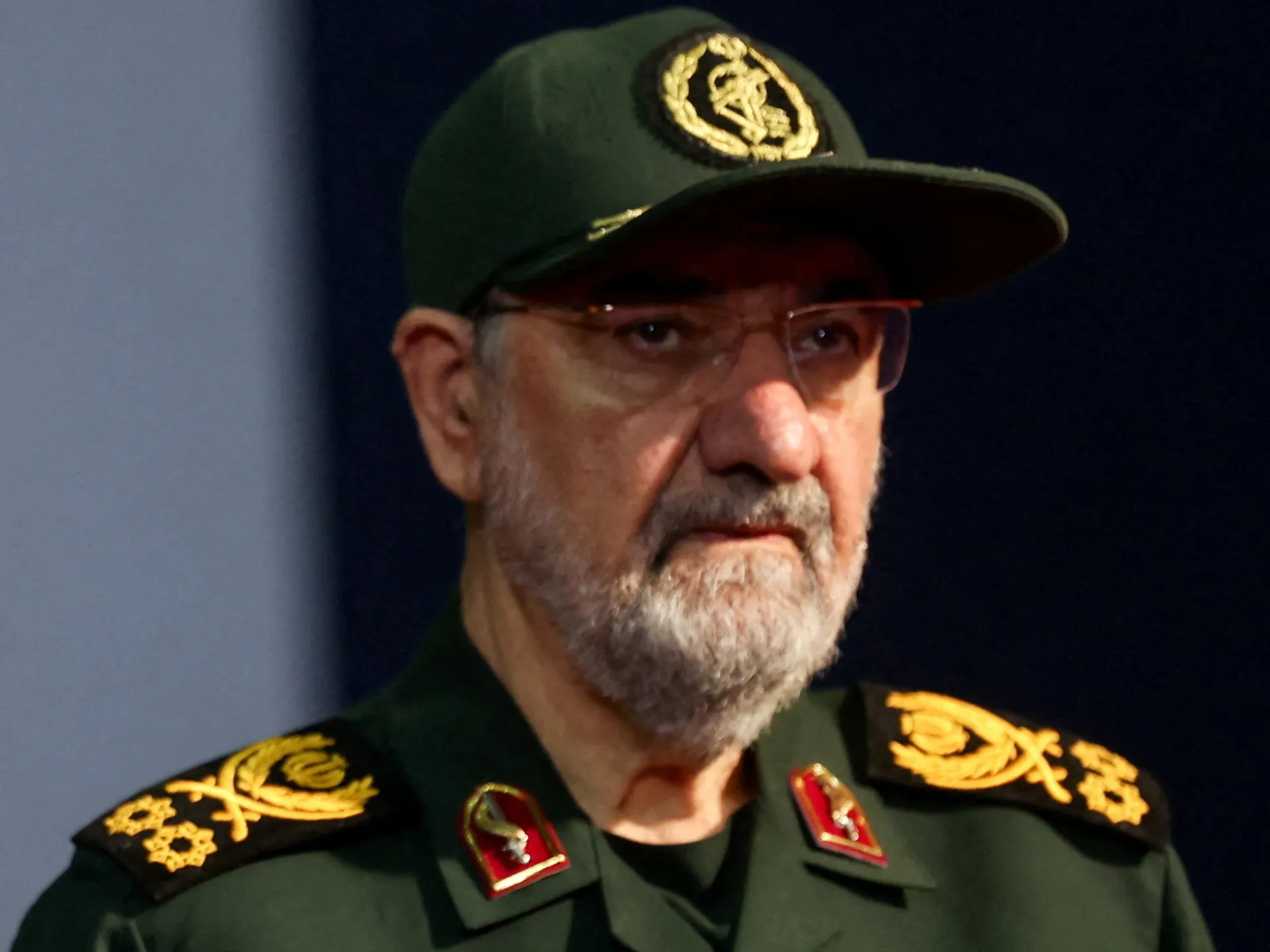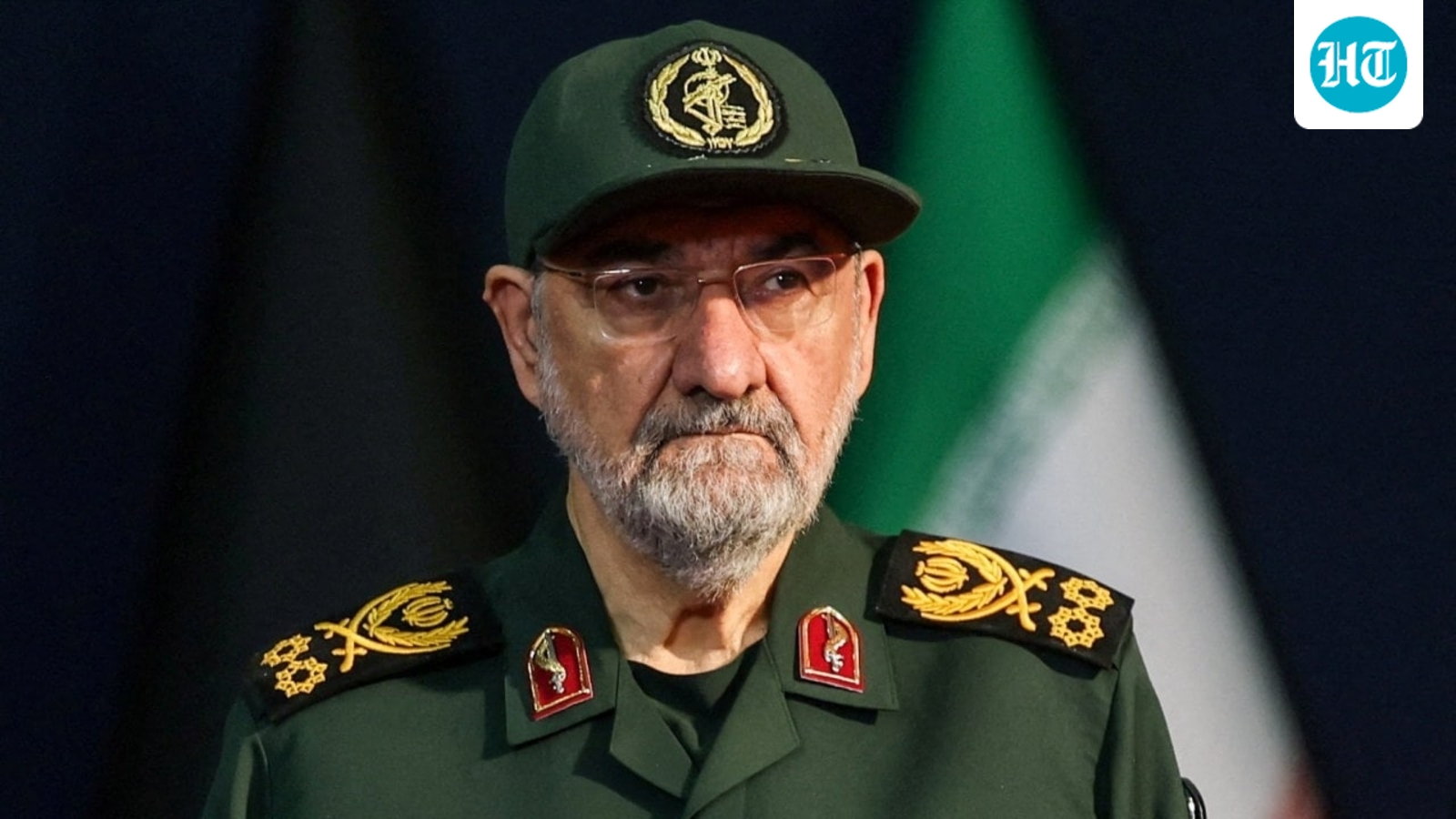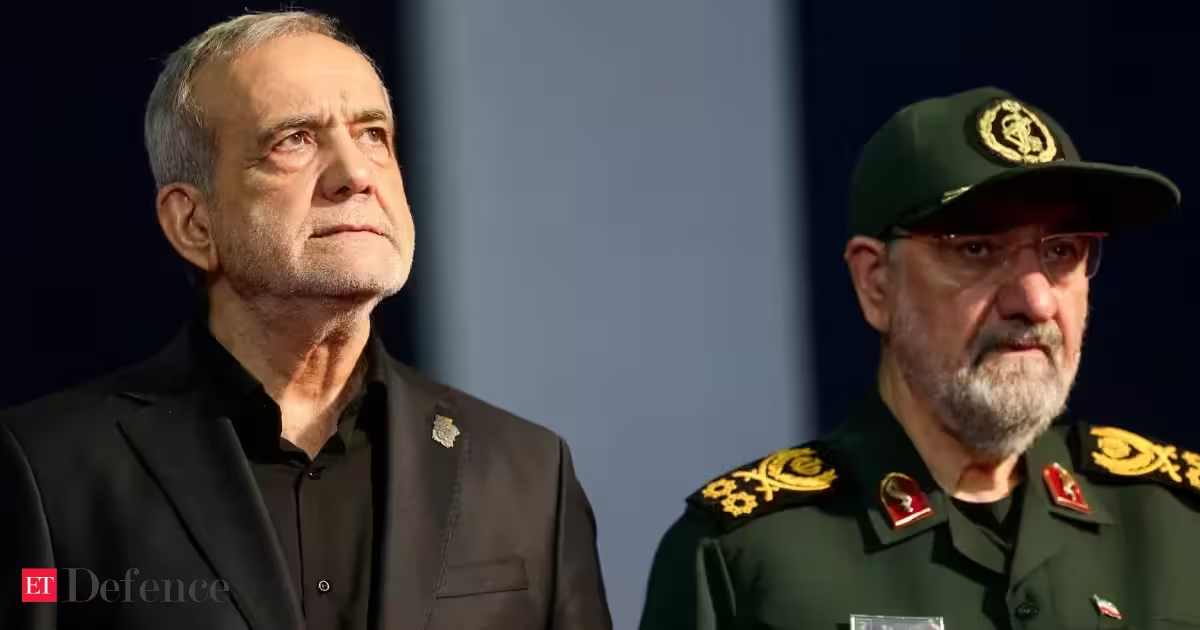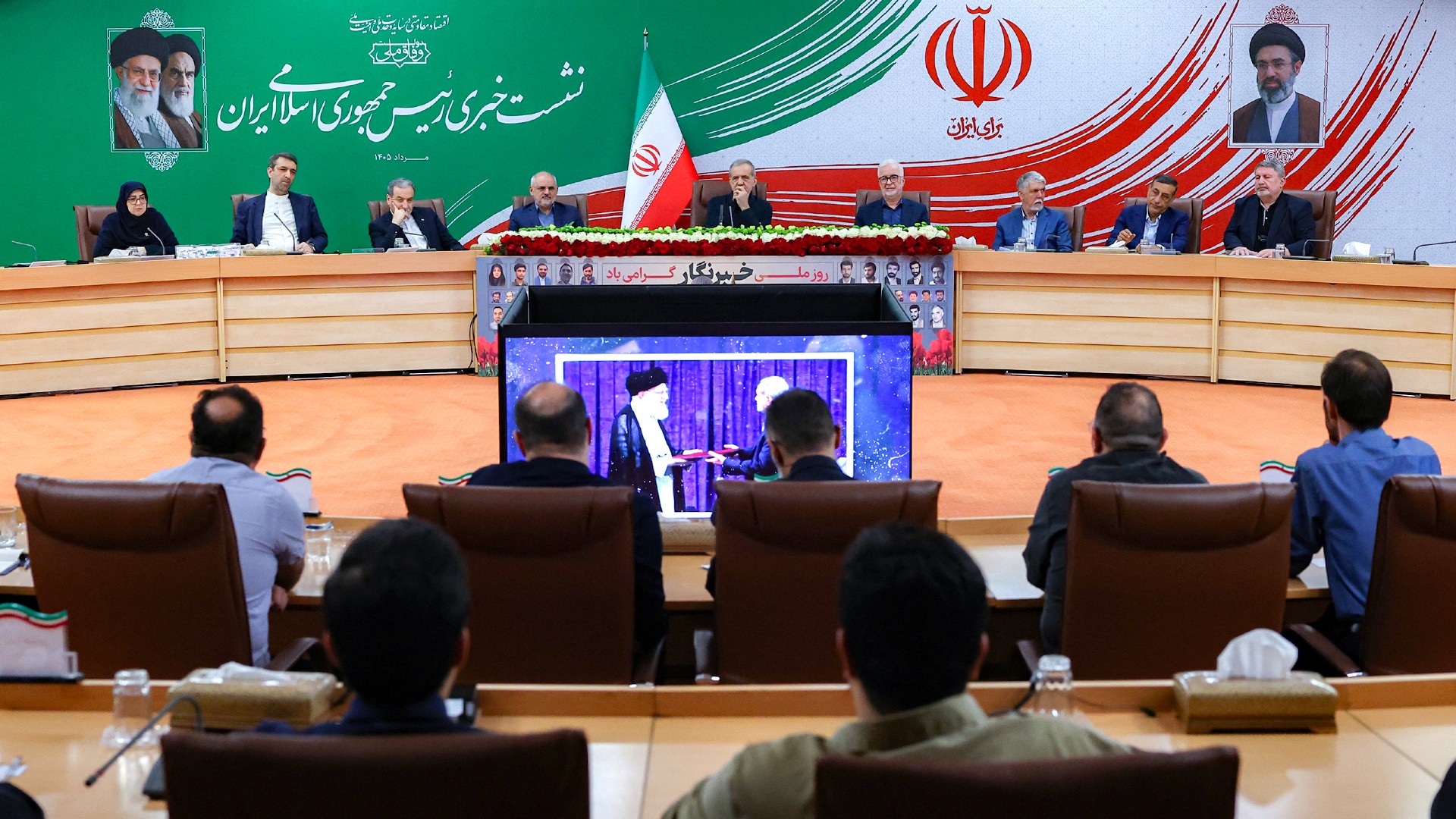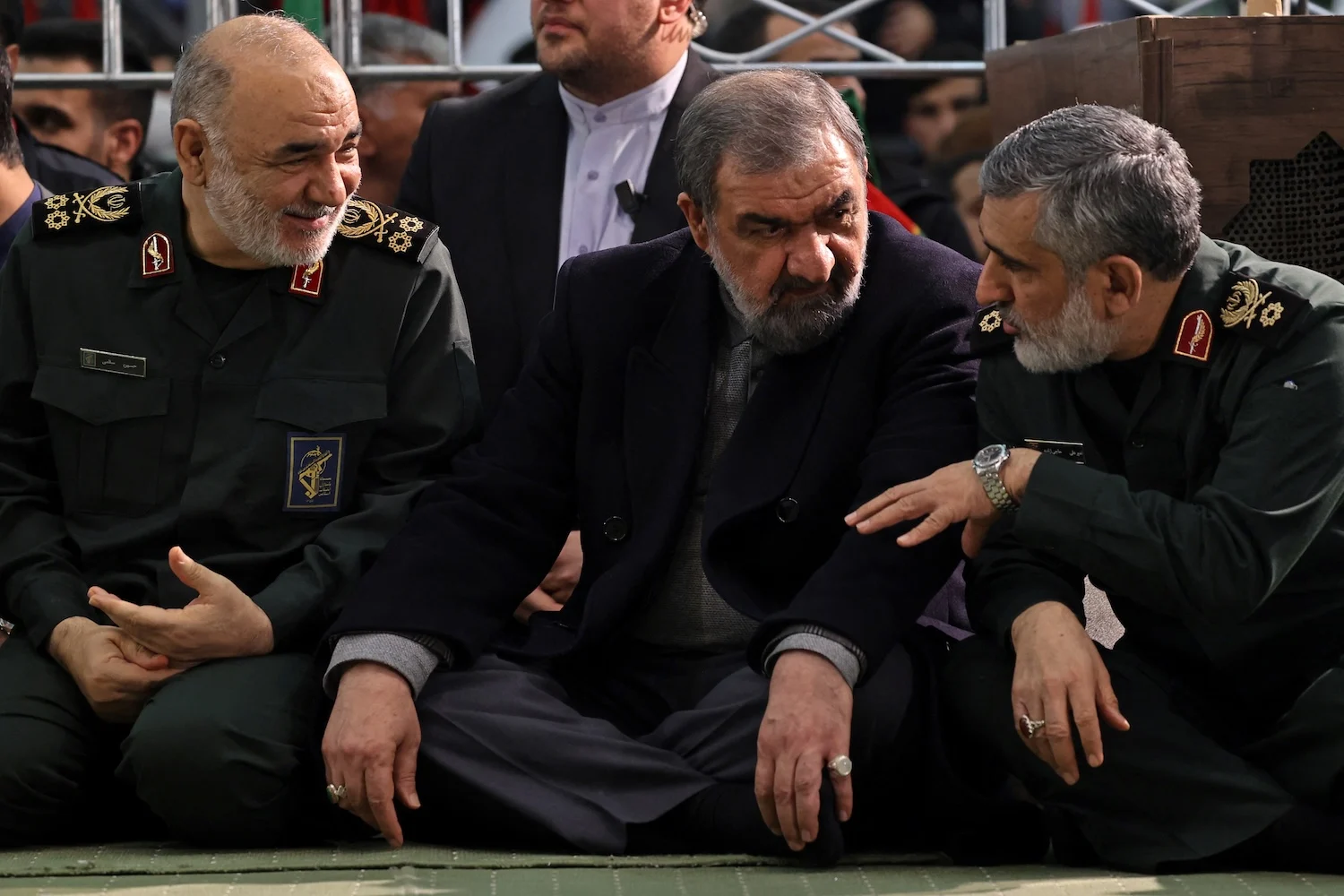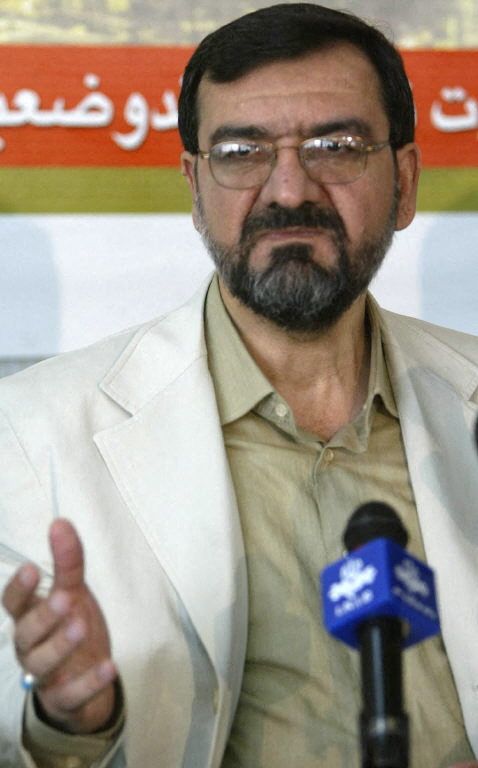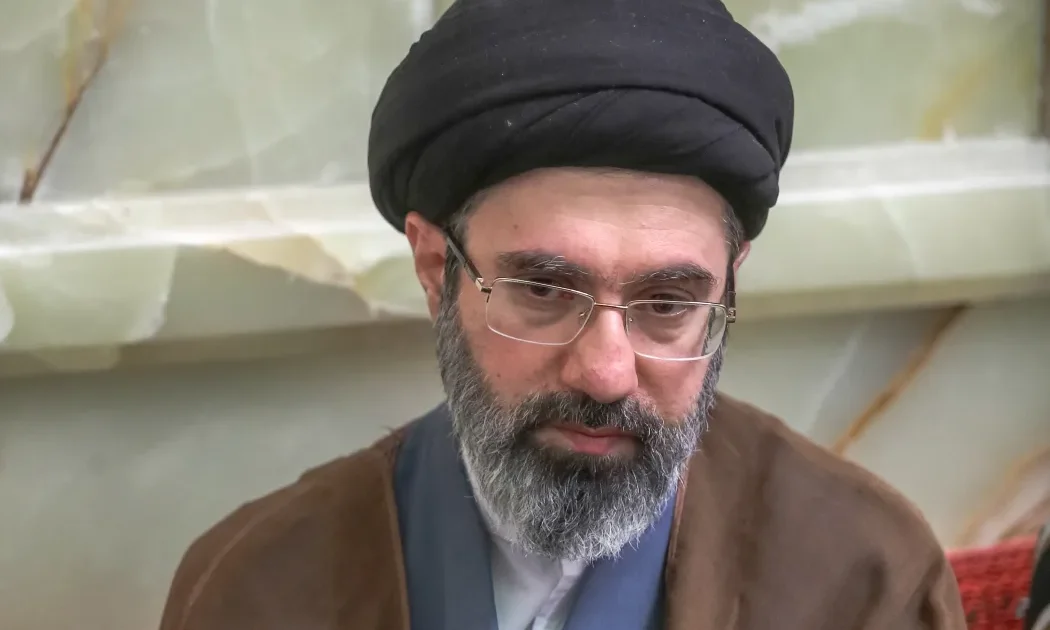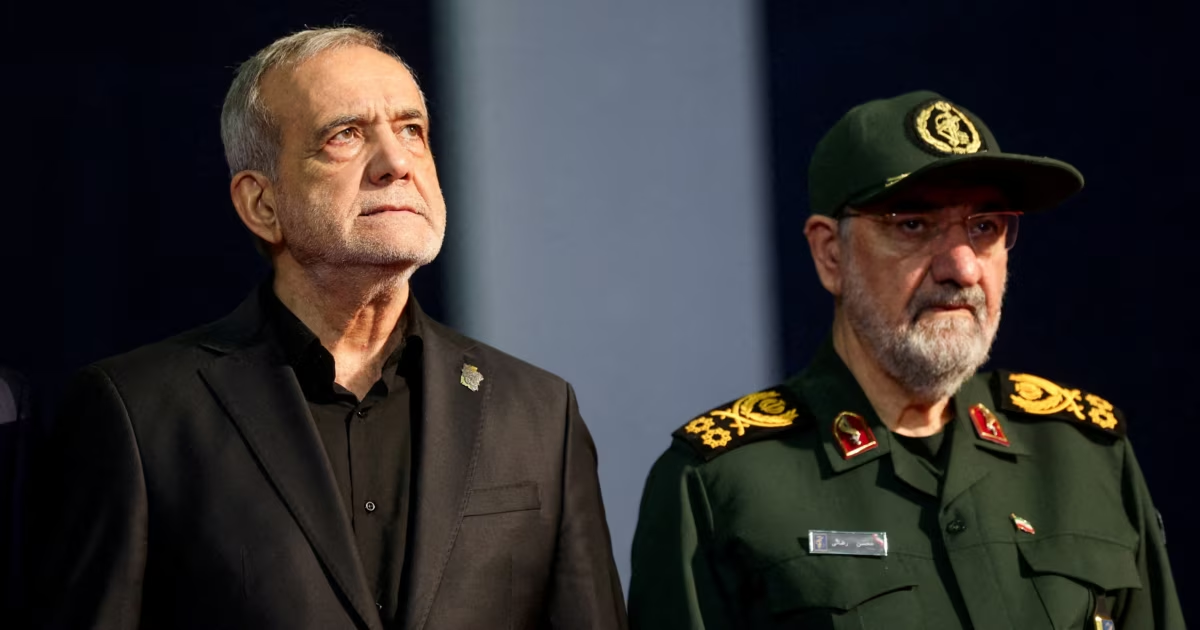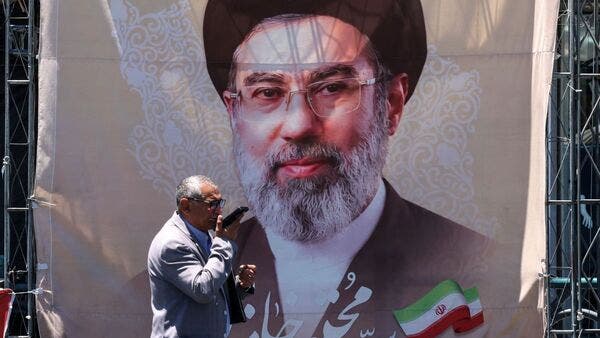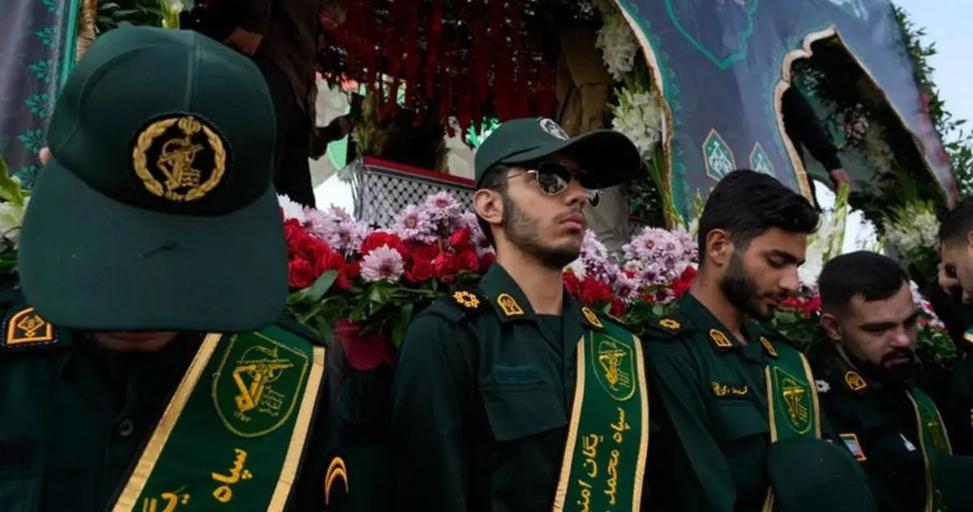
In his first military and security appointments, Mojtaba Khamenei, the new Supreme Leader of the Islamic Republic, named Mohsen Rezaei as his personal representative to the Supreme National Security Council (SNSC). Shortly after, through six separate decrees issued on the same day, he formally consolidated senior commanders into key leadership posts left vacant during the recent war. These predominantly familiar figures, who played decisive roles in military operations following February 28, have now officially stepped into their new command roles. While these appointments have drawn varied analyses across political and media circles, a fundamental question remains: Does this reshuffle signal a genuine transformation in Iran’s posture toward the United States, or is it merely a rotation of familiar faces into elevated posts?
Although the official wording of the decrees offers few explicit details, Mohammad Mokhber, advisor to the Supreme Leader, declared on August 13 that Iran’s new strategy in confronting adversaries is inherently offensive. This shift was first voiced publicly following the recent appointments by Mohammad Reza Naqdi, a senior Islamic Revolutionary Guard Corps (IRGC) commander who had previously faced espionage allegations in media outlets. Naqdi went so far as to announce Iran’s readiness to conduct military operations directly on enemy soil. Across two recent interviews, Naqdi worked to project a specific strategic image: Tehran will no longer wait to be attacked but is prepared to initiate battle itself.