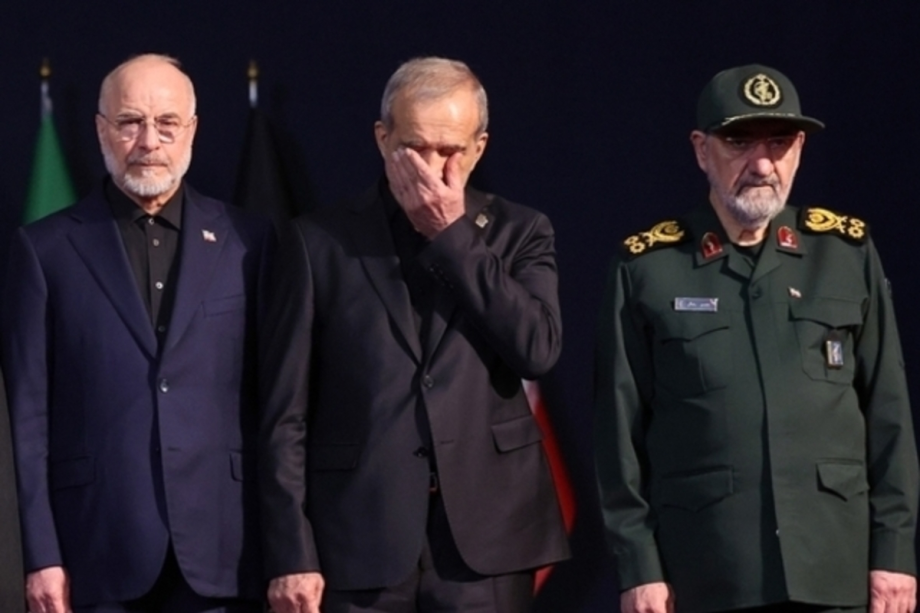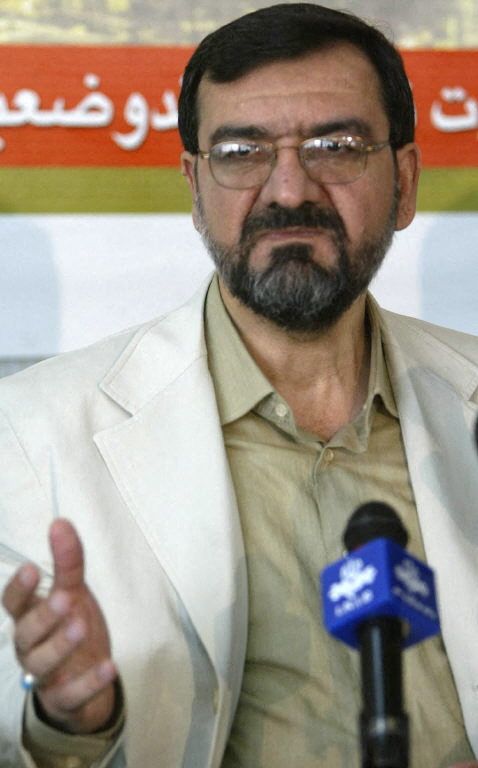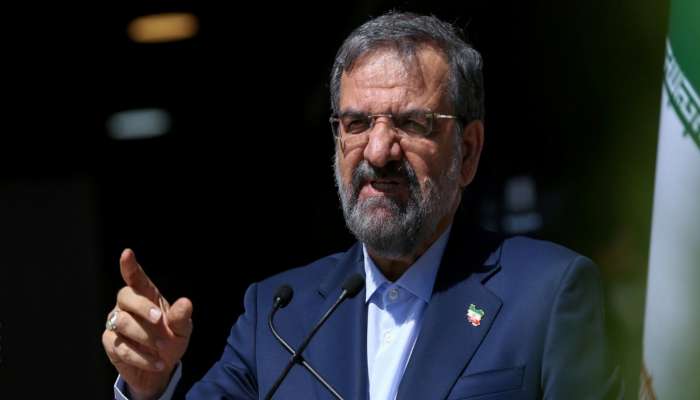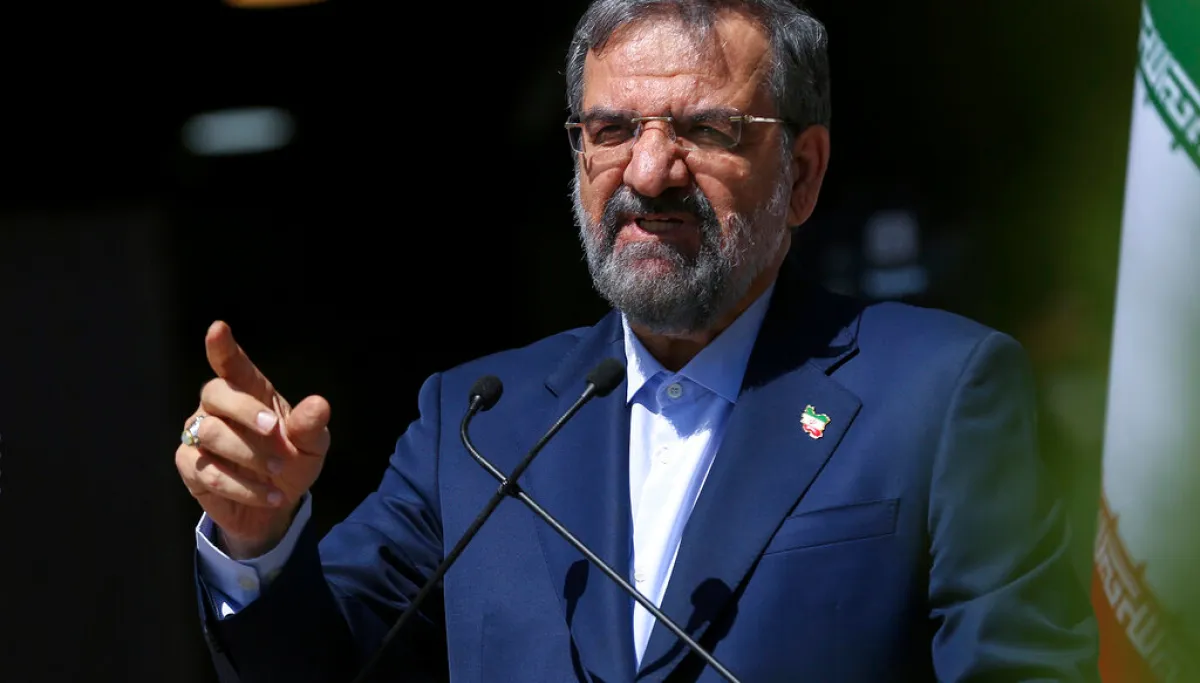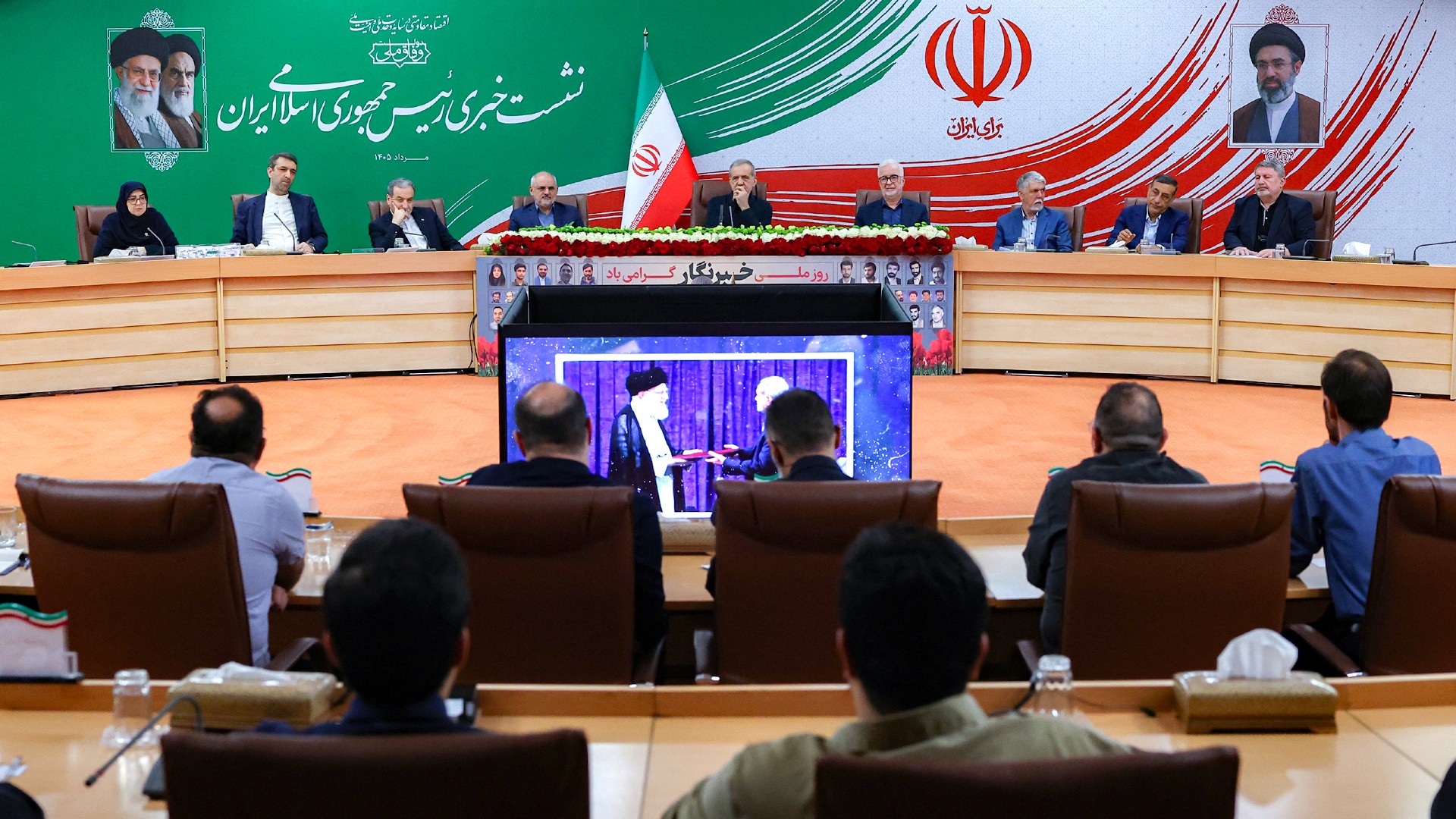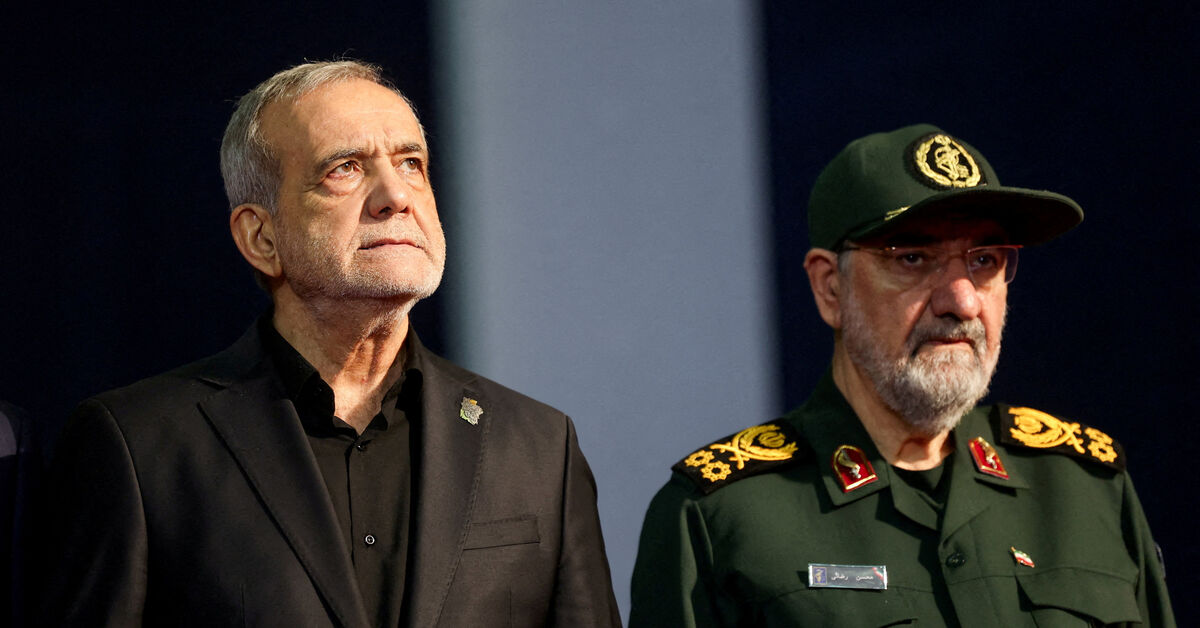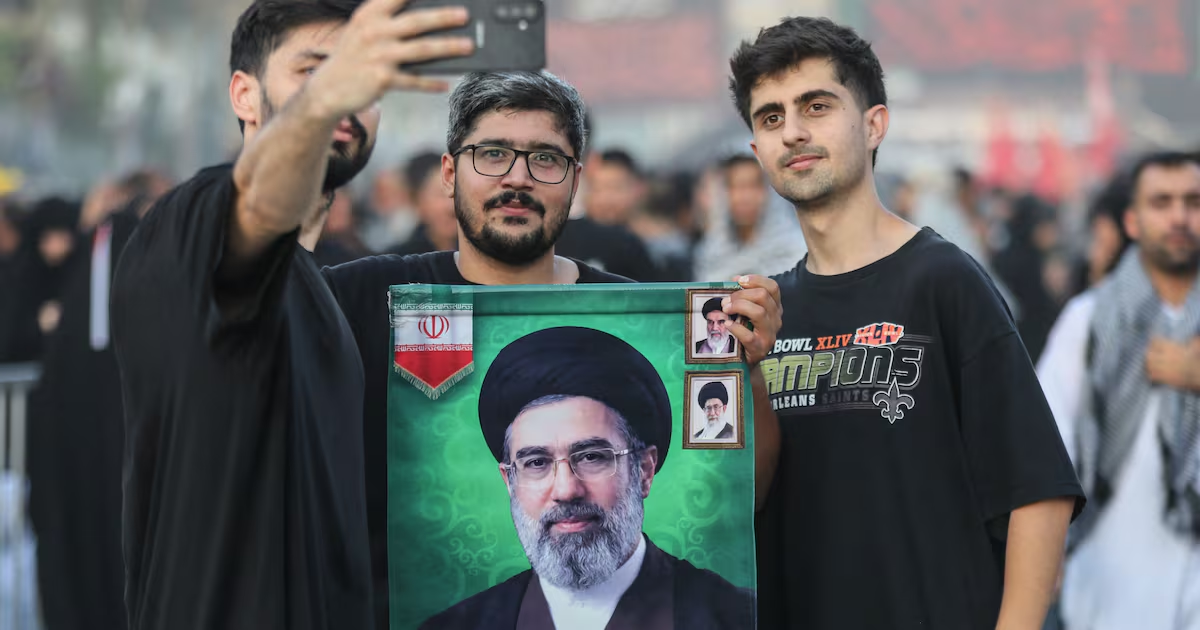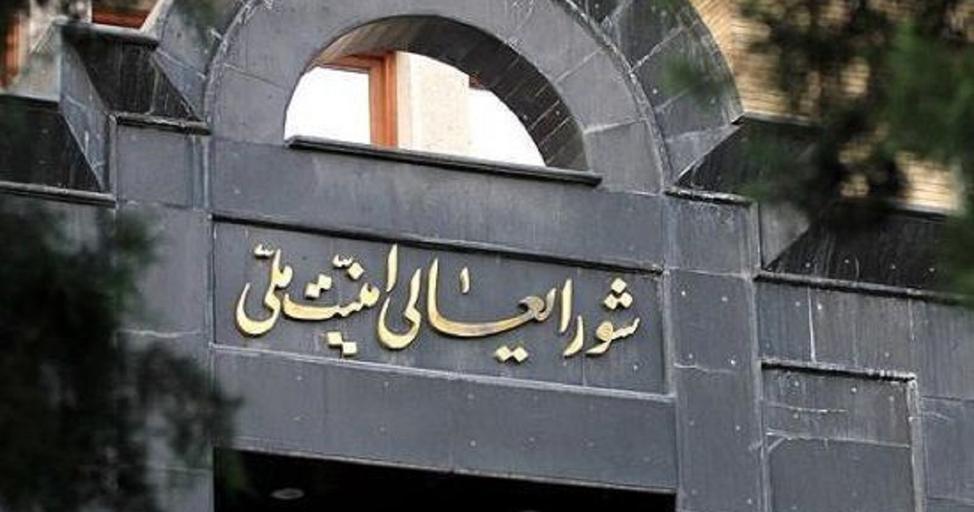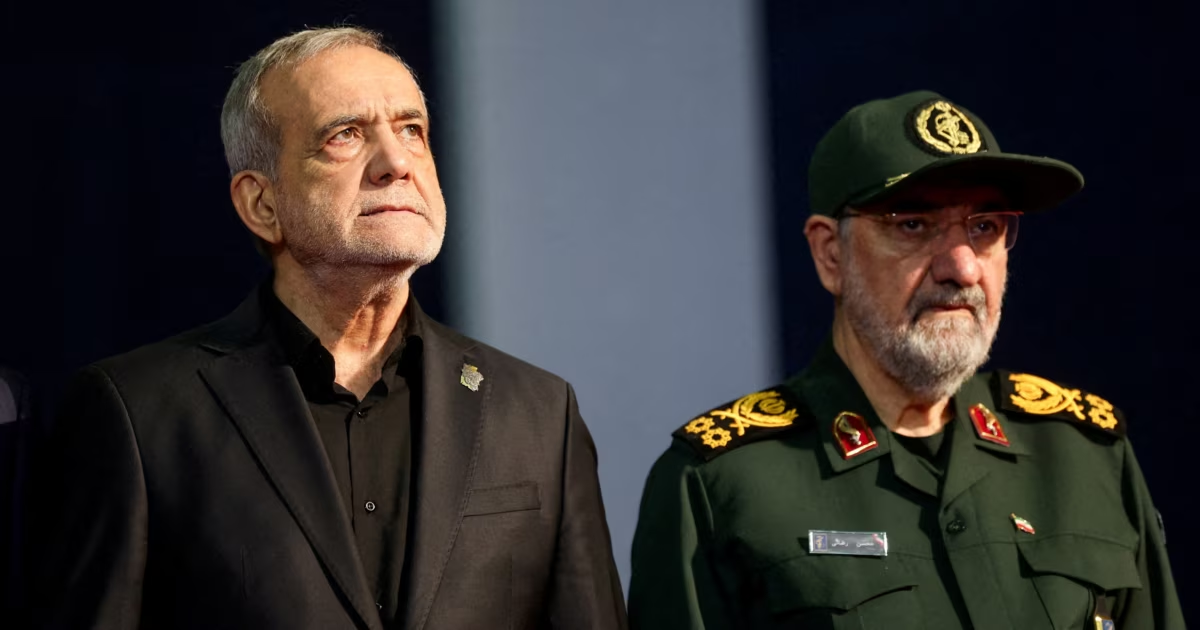
Iran’s Supreme Leader Mojtaba Khamenei has replaced Mohammad Baqer Zolqard as his representative on the Supreme National Security Council (SNSC), appointing the veteran commander Mohsen Rezaei as the new secretary of the council.The move came after days of speculation in Iranian media about Zolqadr’s fate, with rumors suggesting that he had submitted his resignation only for President Masud Pezeshkian, who on paper is the head of the SNSC, to reject it.
The president formally chairs the SNSC, but in practice it's the secretary who wields the greater operational influence, shaping the council's actions more than the president himself. Even so, neither holds final say since every SNSC decision only becomes binding once the supreme leader signs off.In his final statement as Iran’s security chief, Zolqadr on August 9 issued tough demands for the United States to reopen the Strait of Hormuz, including to never threaten Iran again, to “completely compensate” Tehran for damages caused during the war, and “unconditionally” unfreeze Iran’s assets.A veteran commander of the Islamic Revolutionary Guards Corps (IRGC), Rezaei’s appointment has raised questions about the direction Iran is headed.But outside the power structure, yet another question remains: How seriously will a society that has mocked his promises, predictions, and boasting for years now take Rezaei in the role of the head of the country's most important security institution?From Punchline To PowerRezaei is a commander who holds some of the most closely guarded secrets of the 1980s Iran-Iraq war and the IRGC's founding years, and for just as long, he's been a favorite target of Iranian political satire. Now, at 71, he's back at the center of the Islamic republic's security decision-making.Rezaei traded his uniform for politics in 1997 and ran for president four times, dropping out before the vote in 2005, then losing in 2009, 2013, and 2021, never pulling in more than about 3.9 million votes.Those campaigns recast him as a would-be economist. His boldest promise: to make the rial the strongest currency in the region after the dollar and the euro. But the line people actually remember isn't about economics but about war and money tangled together.In 2015, he said that if the United States ever attacked, Iran would take at least a thousand Americans hostage in the first week alone, and could collect several billion dollars a head for their release -- "and that would solve our economic problems too." The idea that Iran could ransom its way out of economic crisis by taking American POWs became a punchline for years.