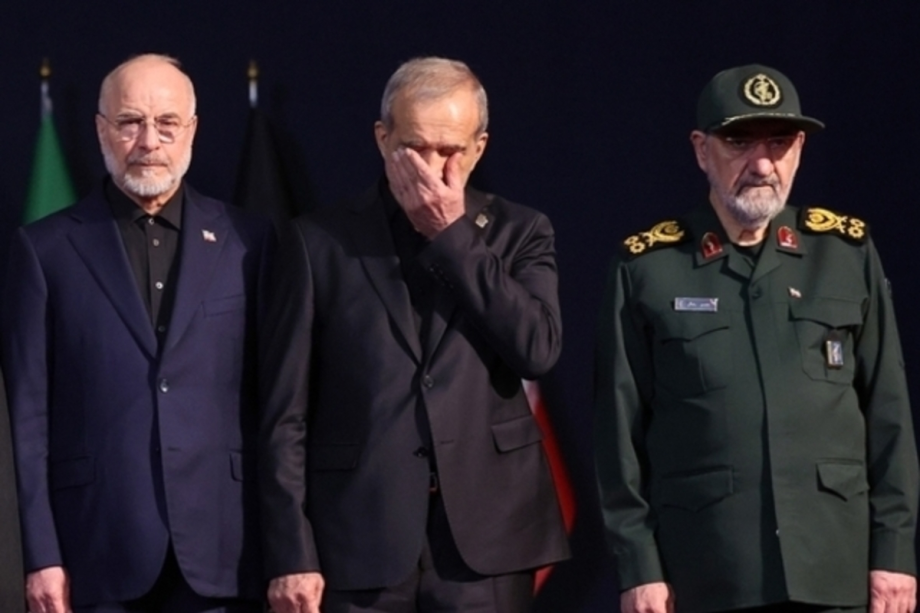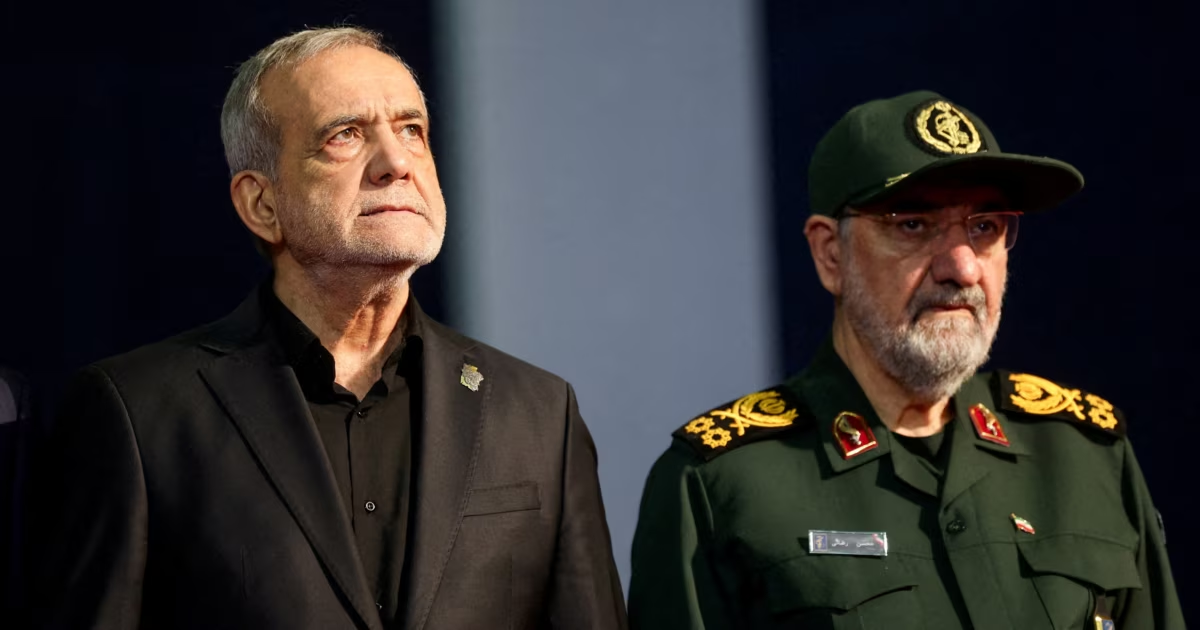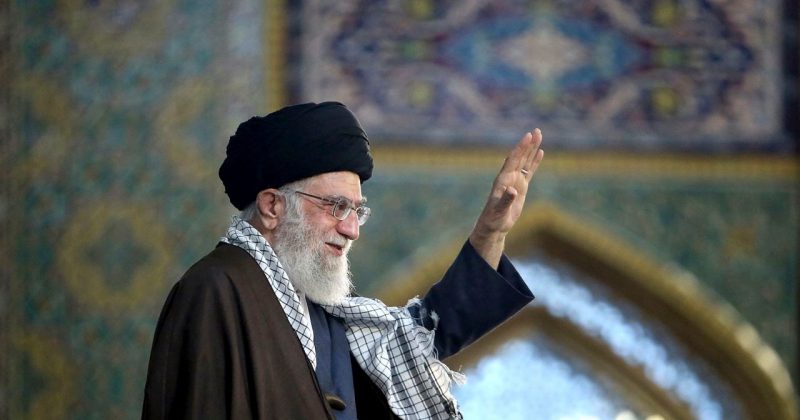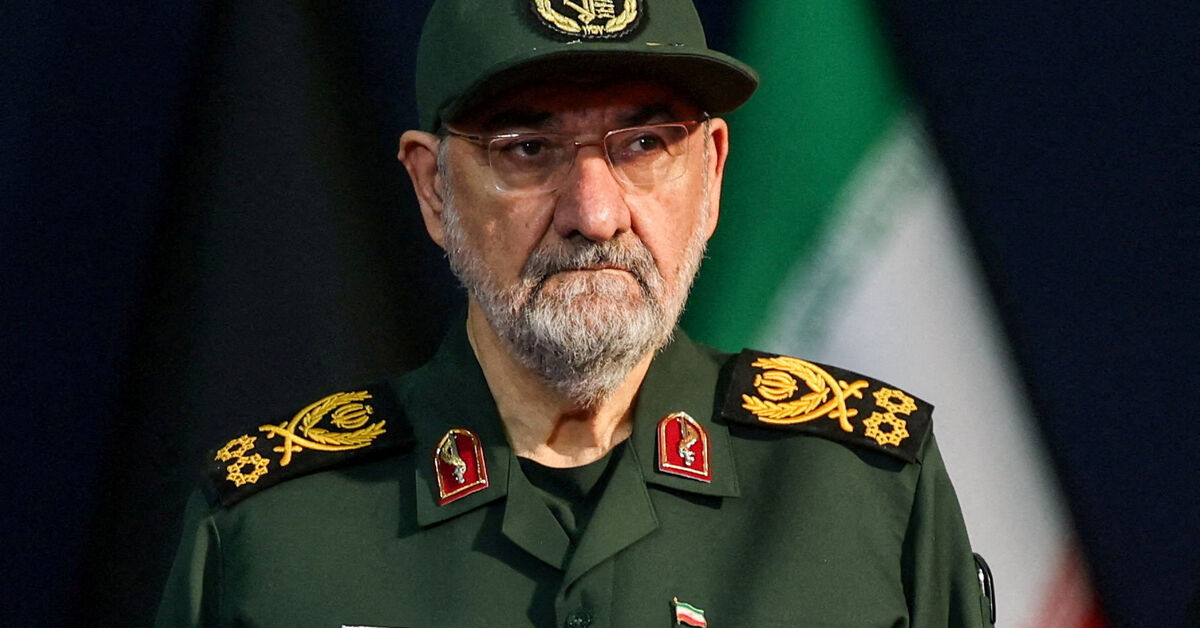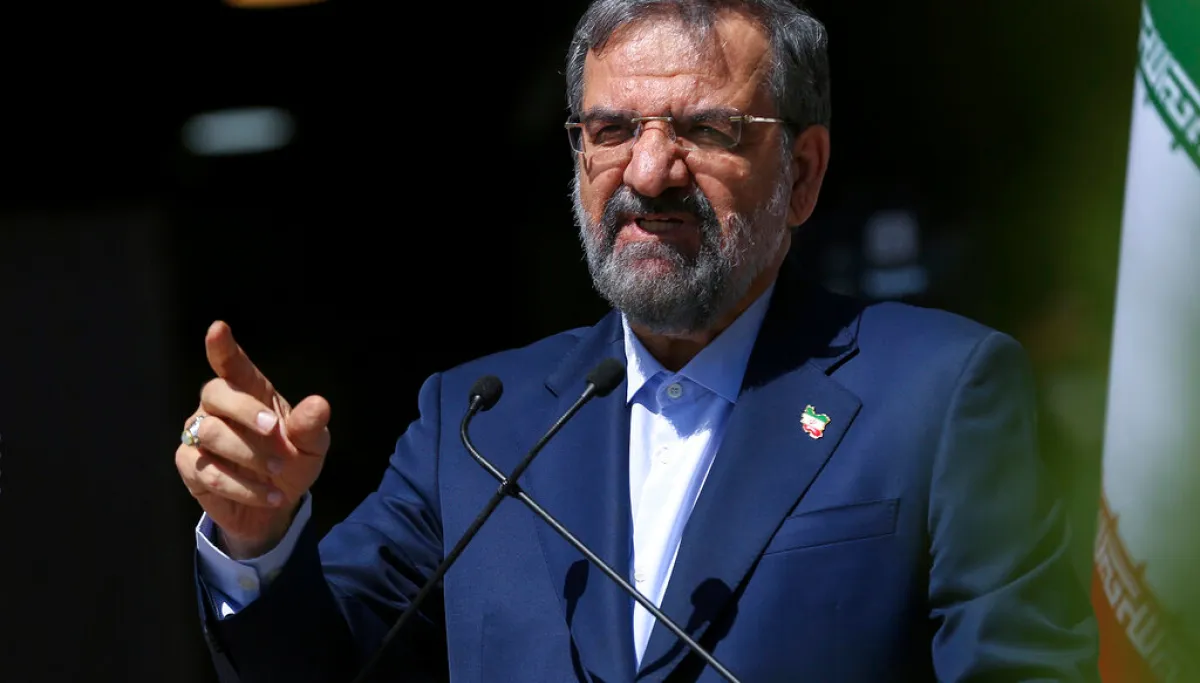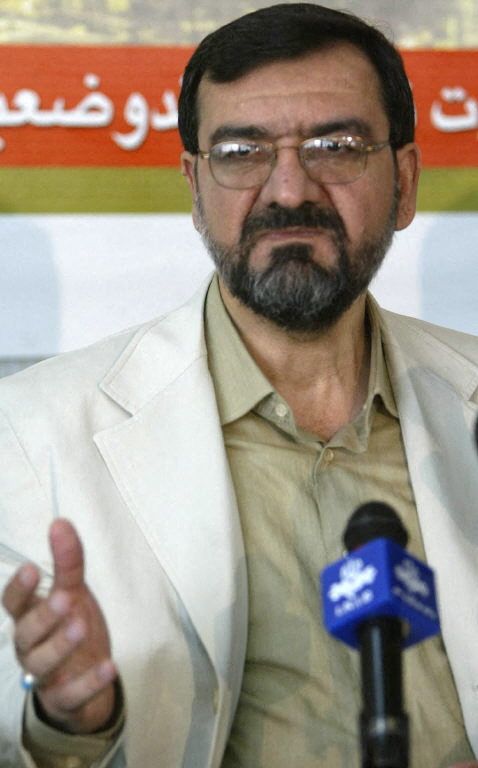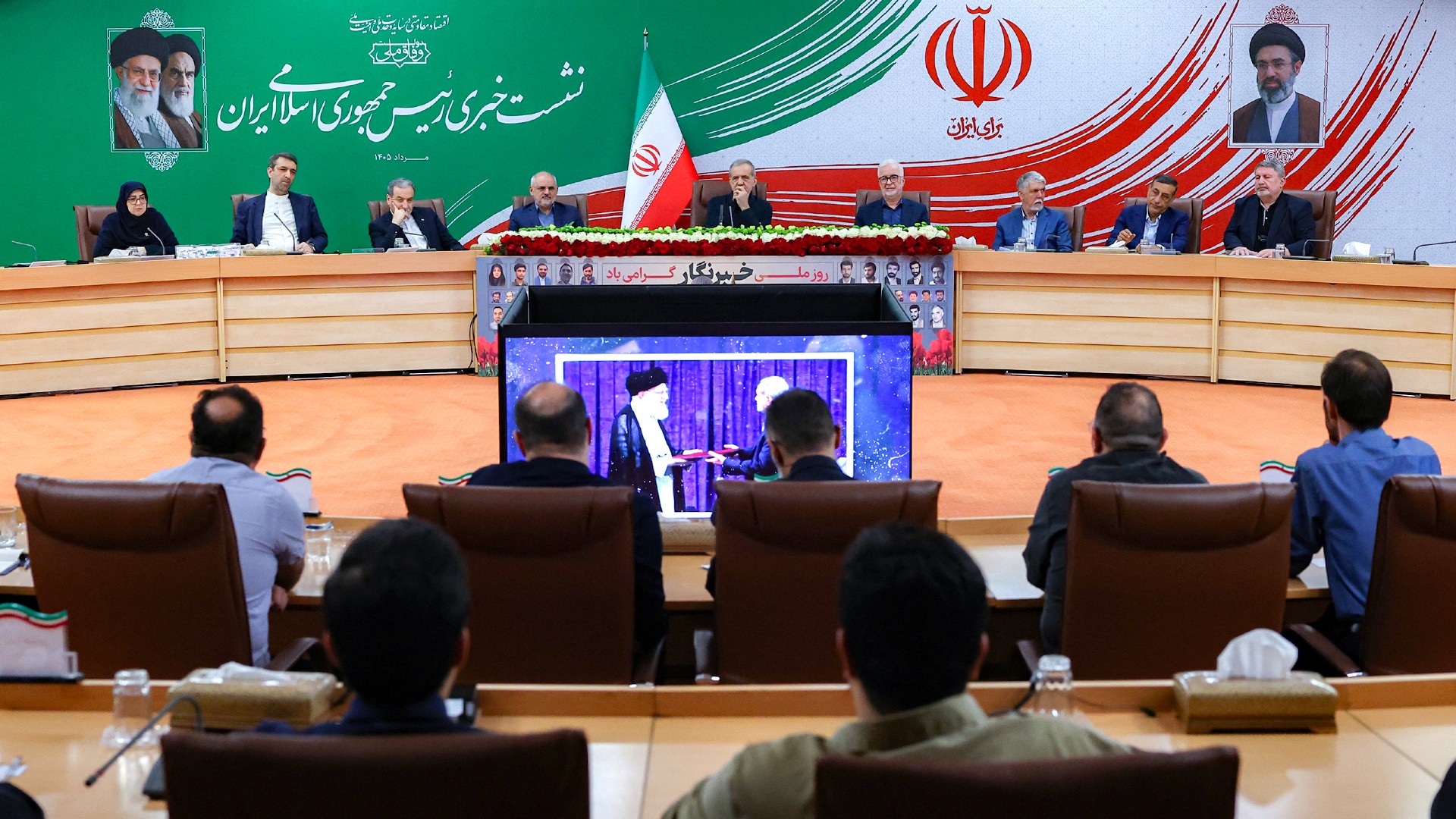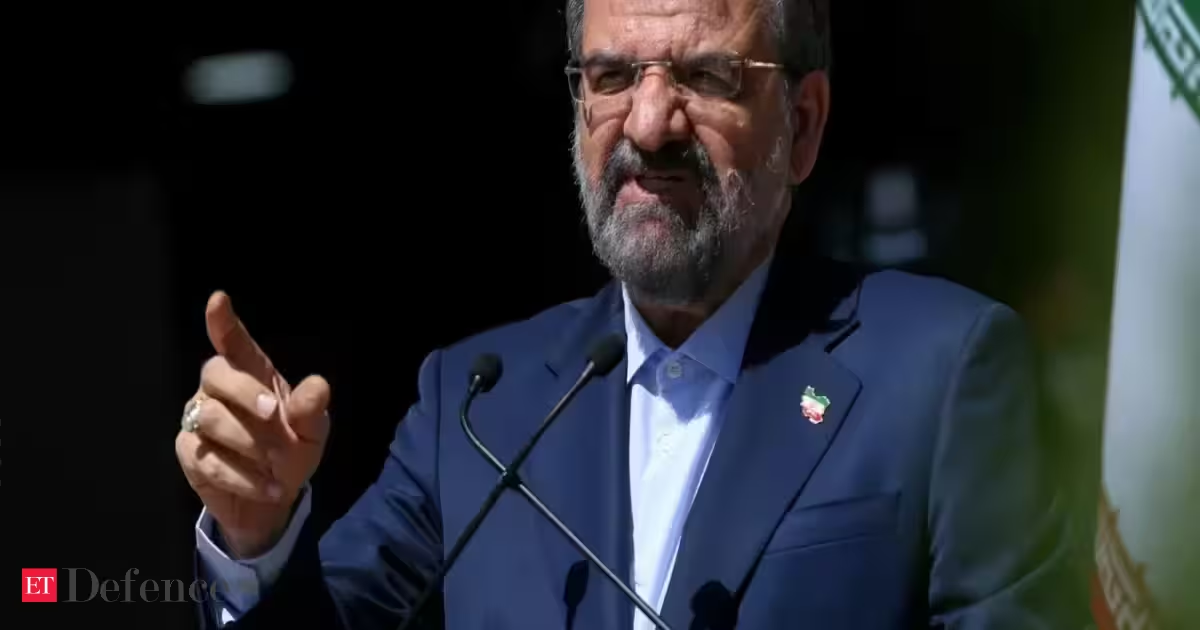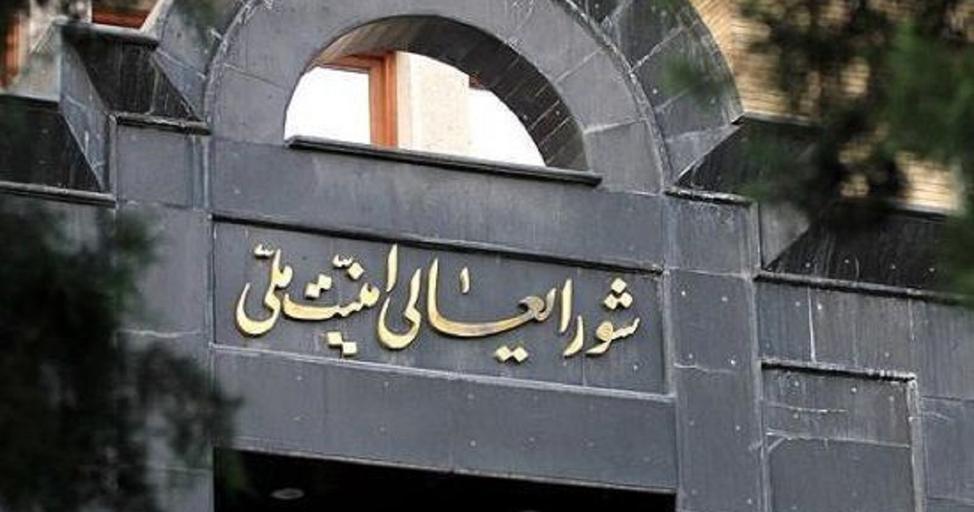
Less than a few months after the appointment of Mohammad Bagher Zolqadr as Secretary of the Supreme National Security Council (SNSC), rumors have emerged regarding his potential replacement by Mohsen Rezaei. This rare shift in one of Iran’s most critical security posts, if confirmed, signals more than a routine administrative shuffle. It unfolds as the Islamic Republic attempts to redefine its strategy following the 40-Day War, amid visible rifts at the highest levels of governance regarding military posture, negotiations with the United States, and the internal balance of power.
Real Power: What Does the SNSC Secretary Actually Do?
While official statutes limit the Secretary’s role primarily to managing the secretariat, coordinating member agencies, and monitoring the implementation of resolutions, nearly four decades of practice demonstrate that the position’s true influence stems from an individual’s standing within Iran’s power network and their degree of trust with the Supreme Leader.
In practice, the Secretary serves as the vital link connecting the armed forces, intelligence agencies, the Ministry of Foreign Affairs, and the broader security apparatus. In critical moments, the Secretary shapes key strategic portfolios: