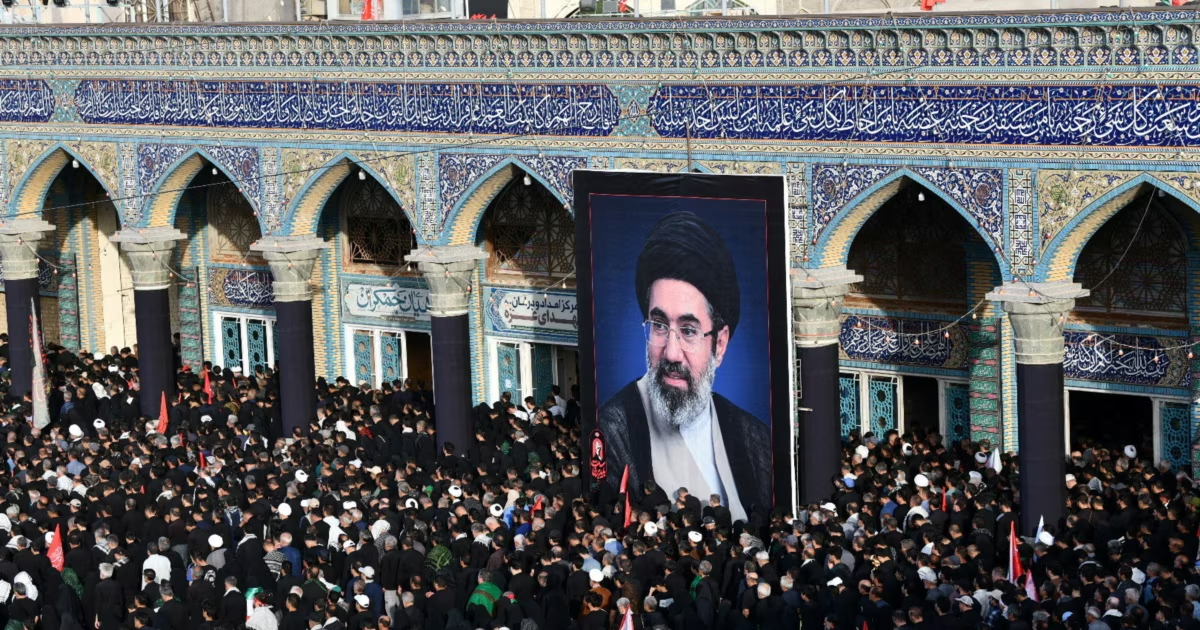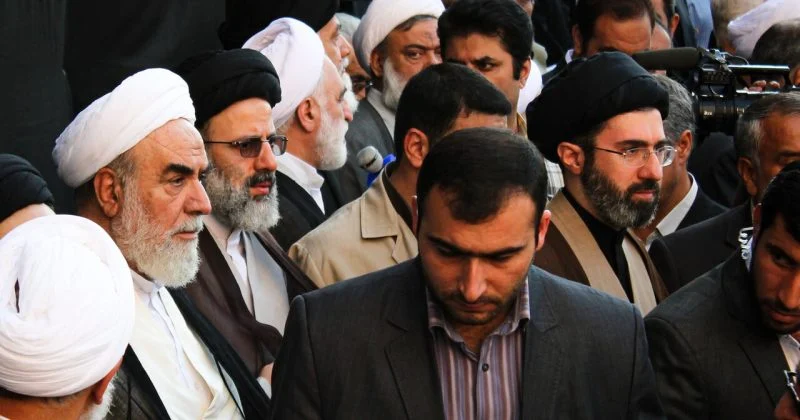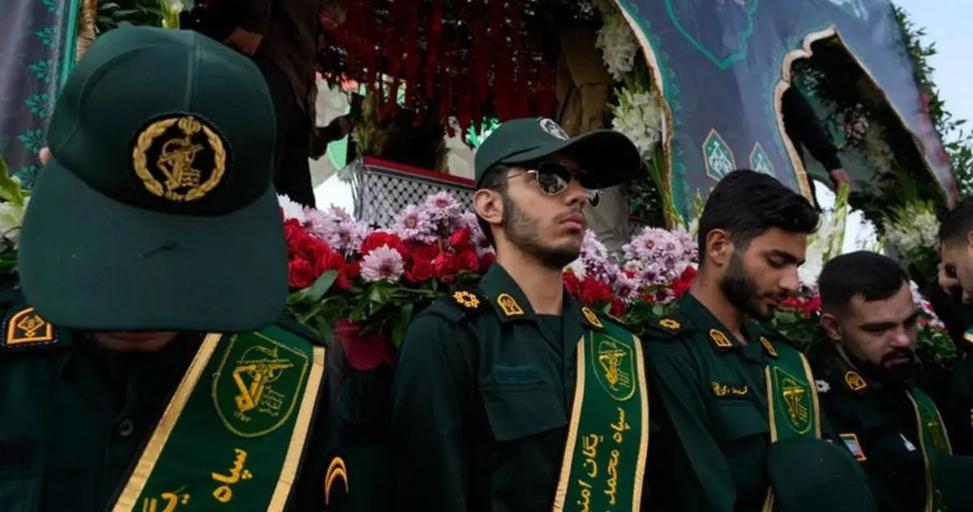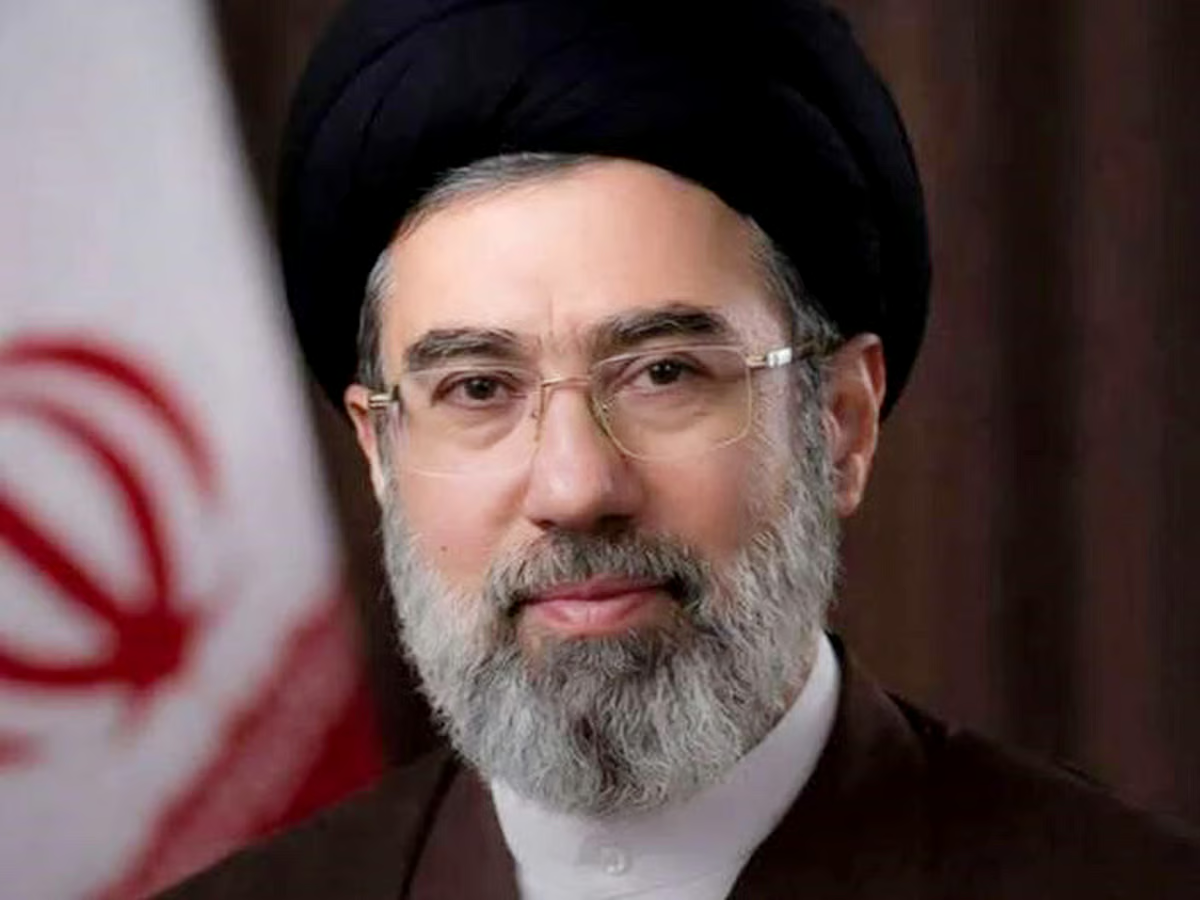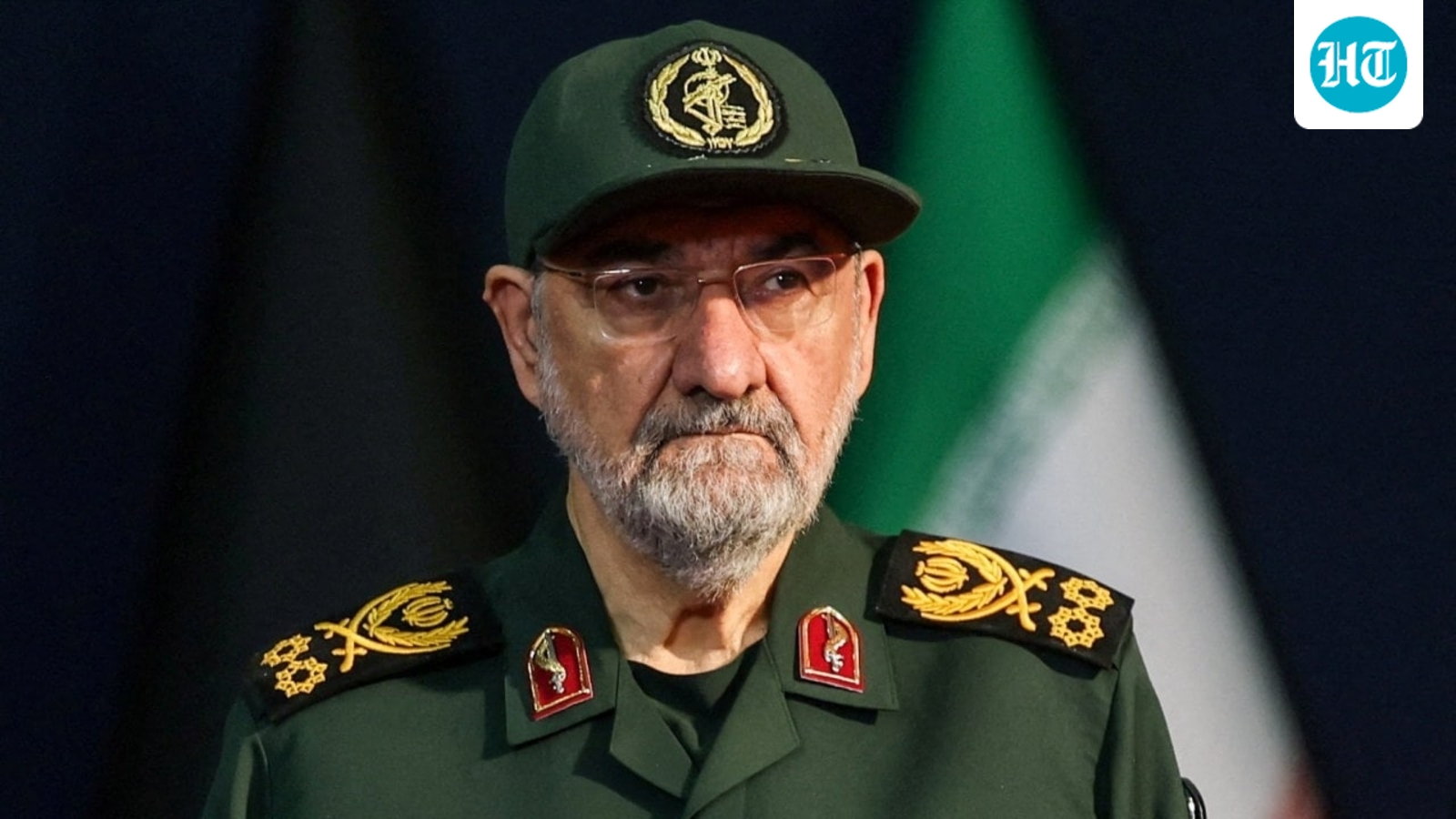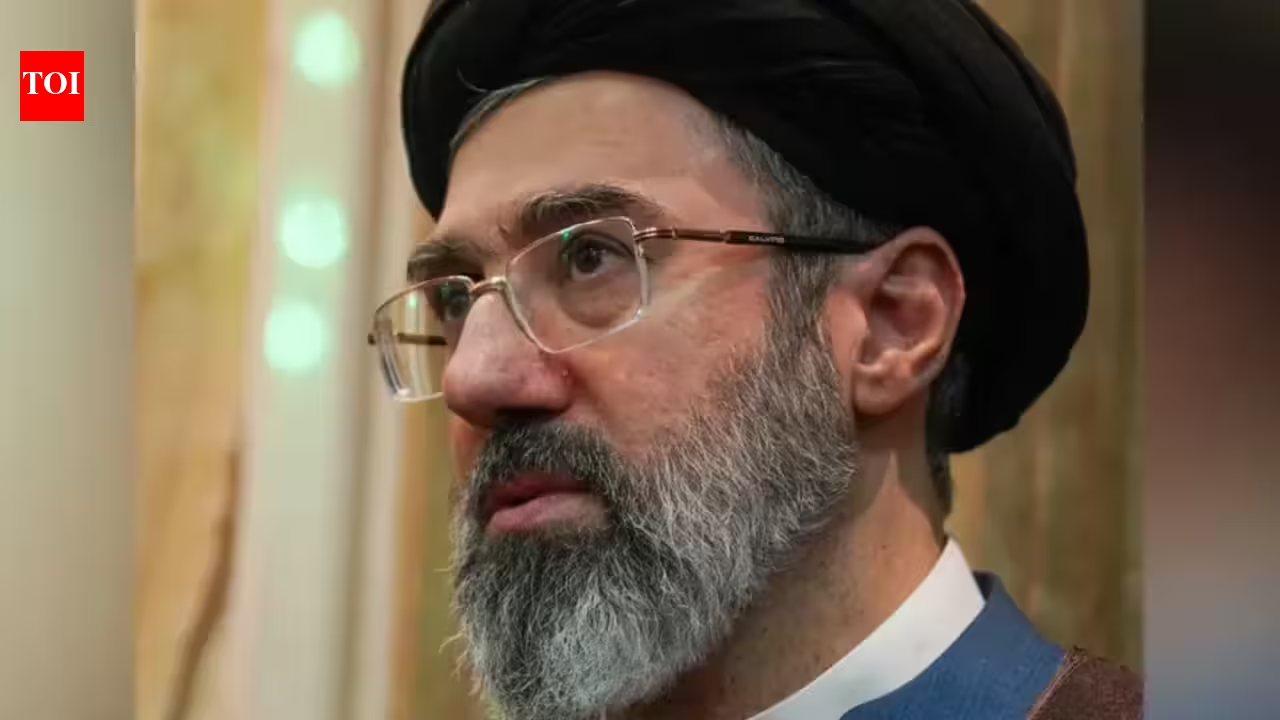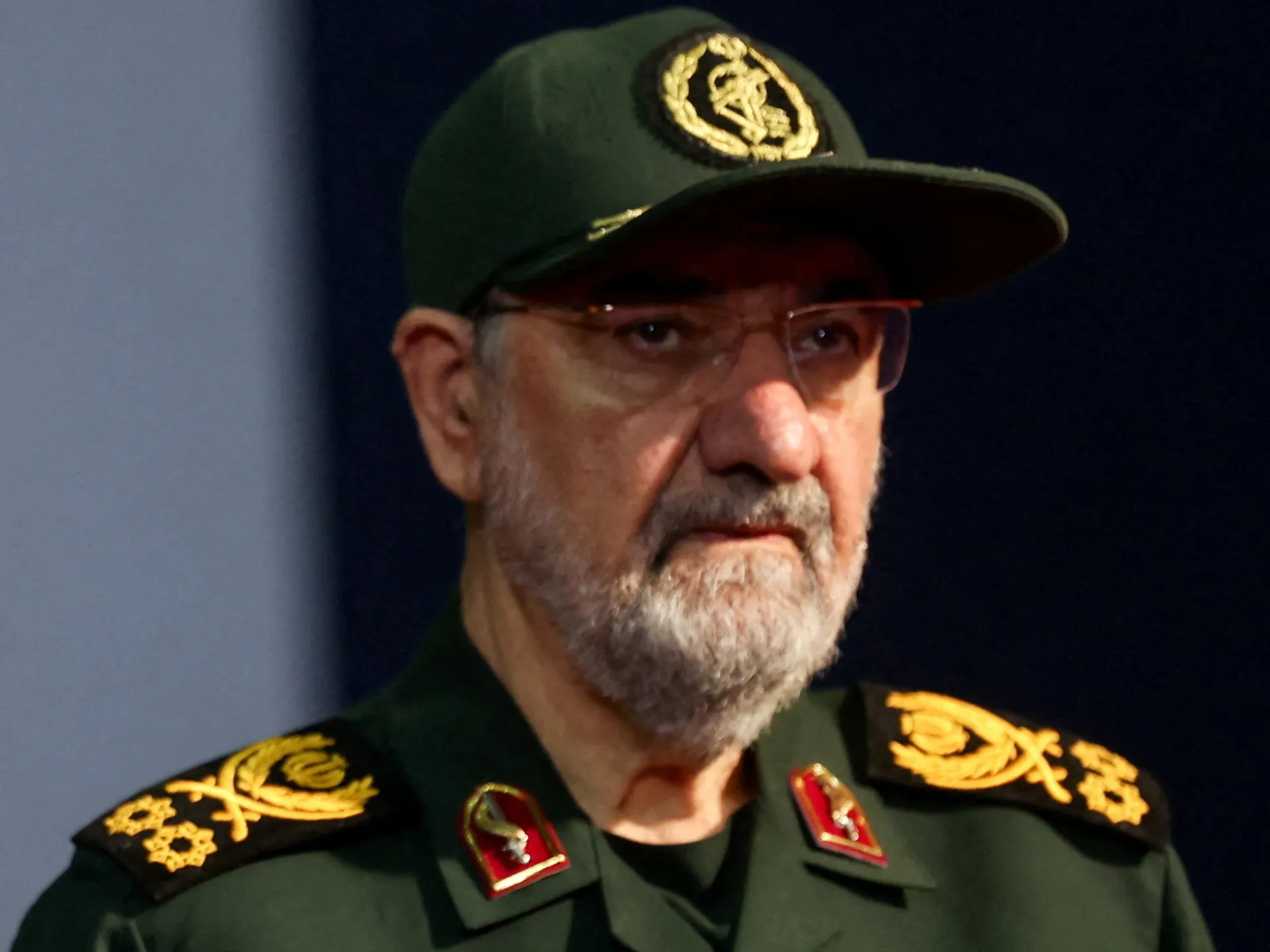
Several months into his tenure as supreme leader, Mojtaba Khamenei is beginning to put his own stamp on Iran’s military and national security establishment. In a sweeping series of appointments, he has effectively recreated Iran’s senior command, reorganizing the institutions responsible for managing both war and diplomacy.
Many of the appointments were necessitated by the extraordinary attrition that Iran’s military leadership has suffered across successive rounds of war since June 2025. But Khamenei’s choices also reveal how Tehran is rebuilding its security establishment around the lessons of these conflicts and preparing for a prolonged confrontation with the United States and Israel.
The emerging command structure points toward a broader shift in how Tehran intends to manage the next phase of the conflict: more centralized military command; a greater emphasis on offensive operations and imposing more severe costs to strengthen deterrence; and tighter integration of military, economic, diplomatic, and domestic-security policy.
Yet this does not necessarily mean abandoning negotiations. Rather, the appointments suggest that Tehran is trying to pair diplomacy with a harder conception of deterrence, centered on preserving and strengthening its ability to damage its adversaries so that negotiations produce a durable settlement rather than another pause before renewed conflict.