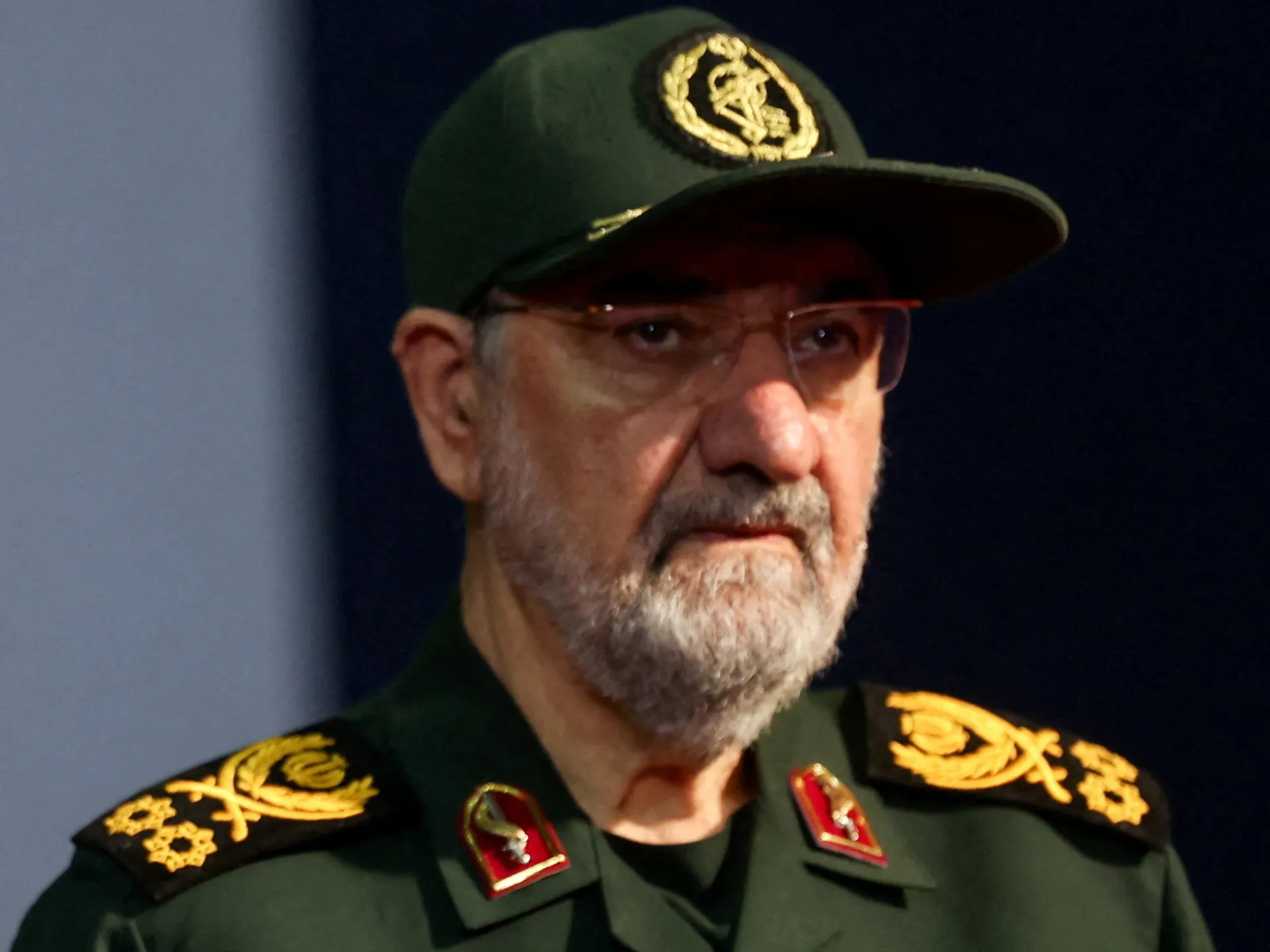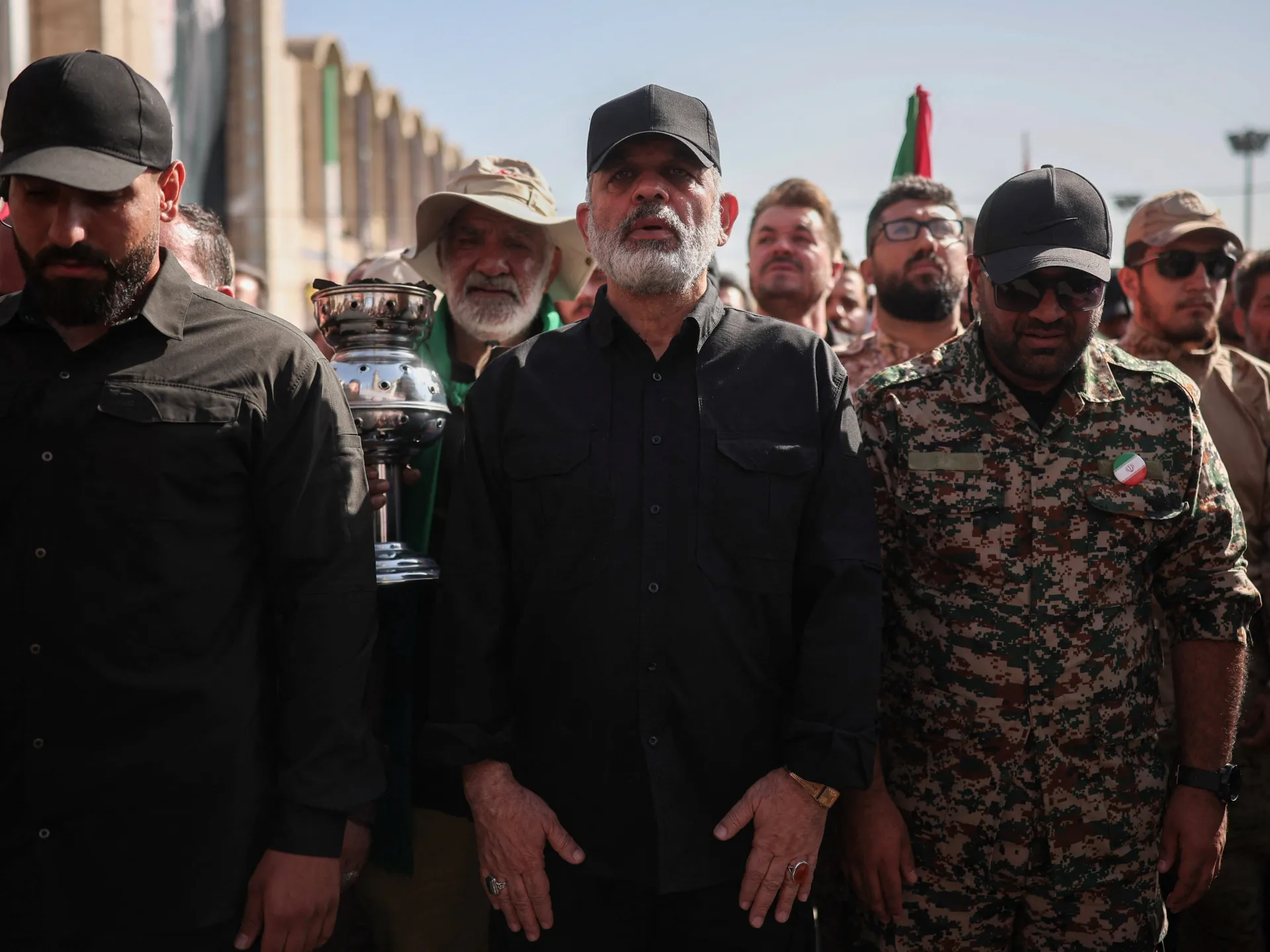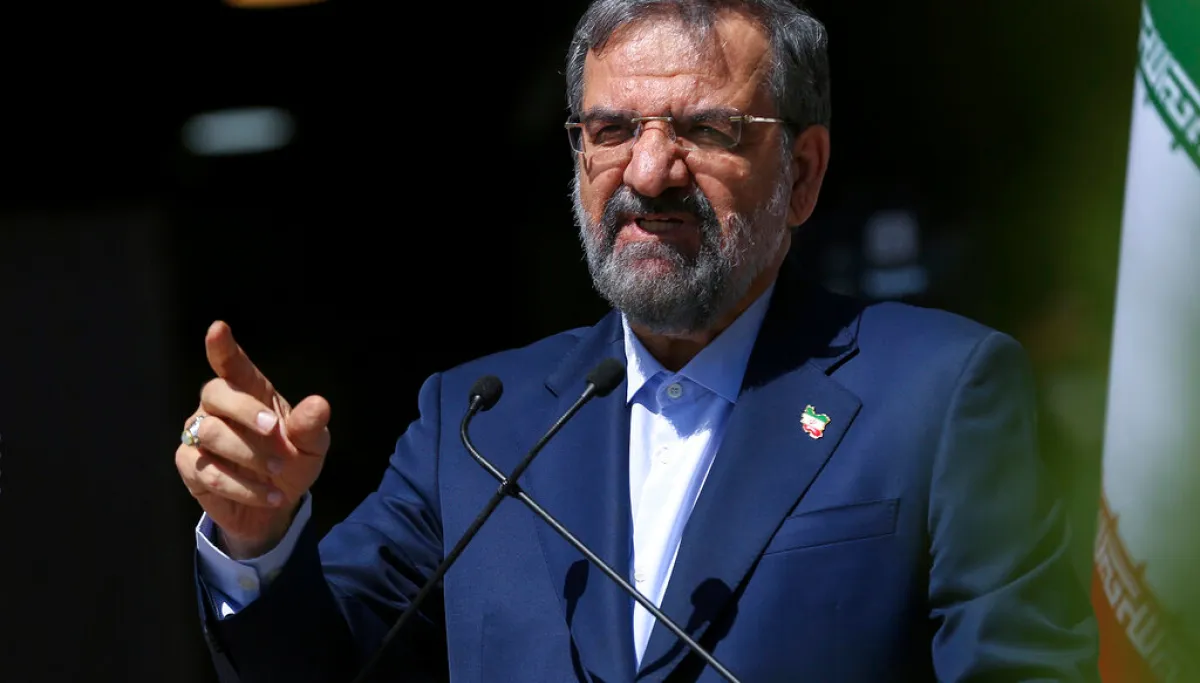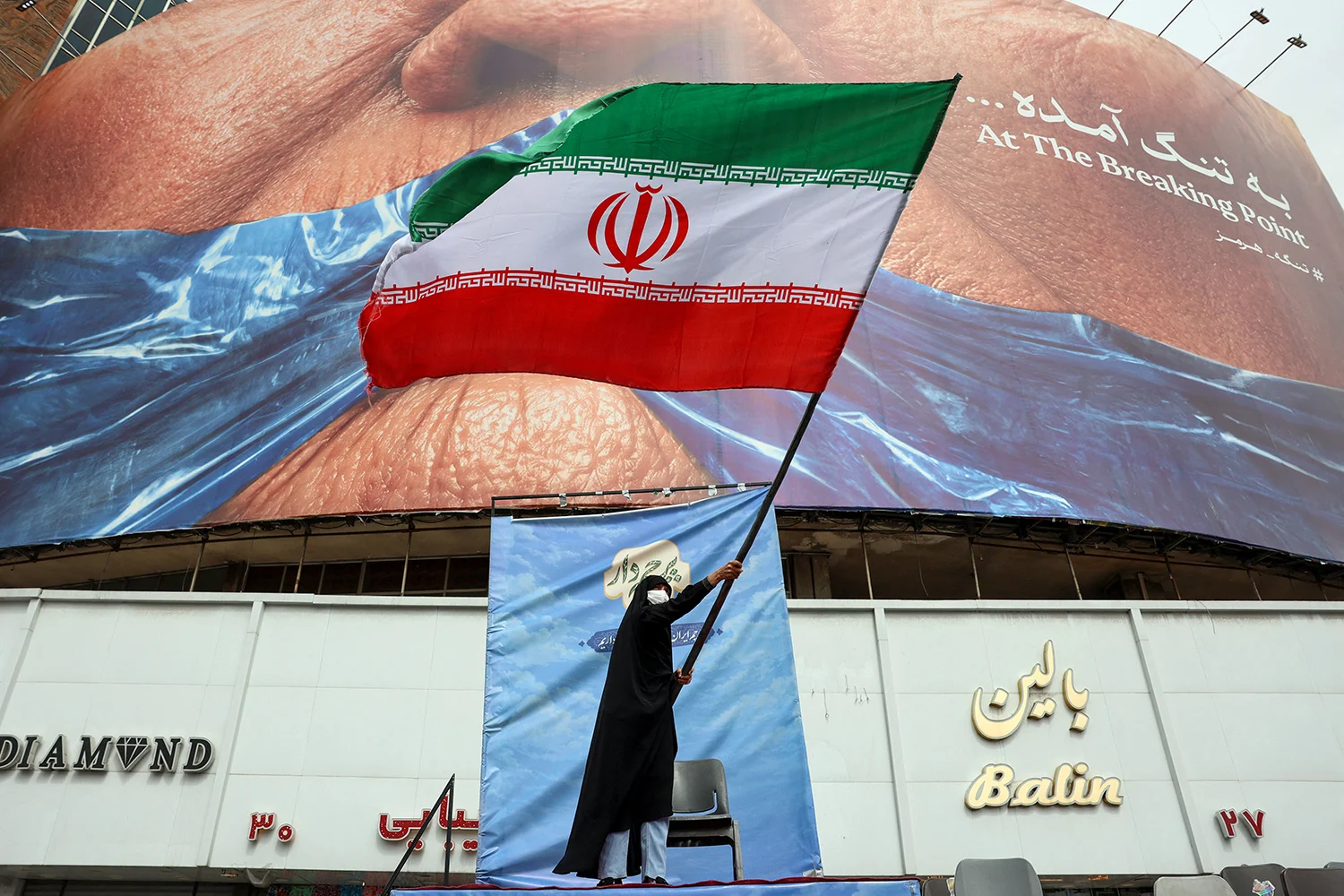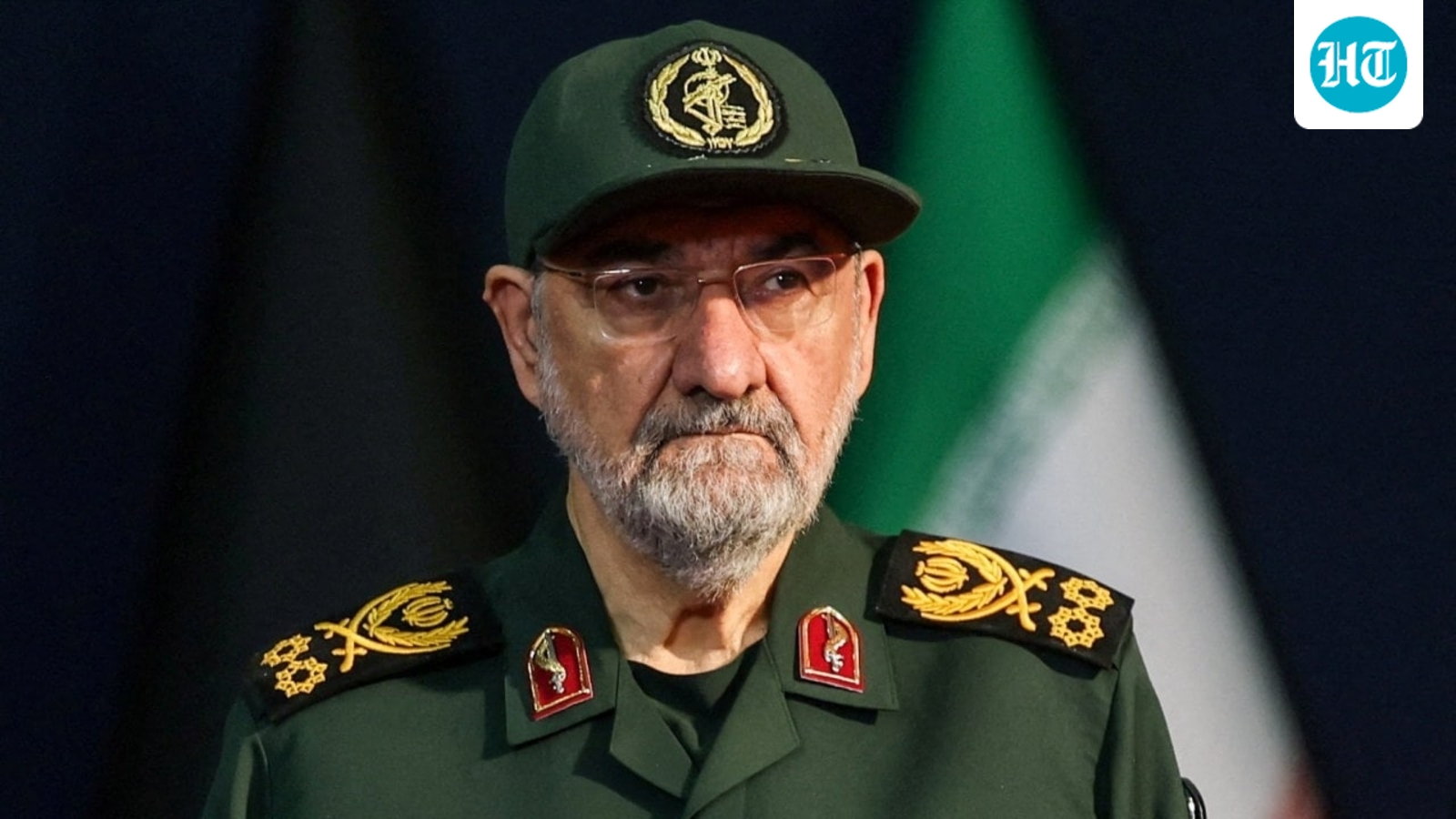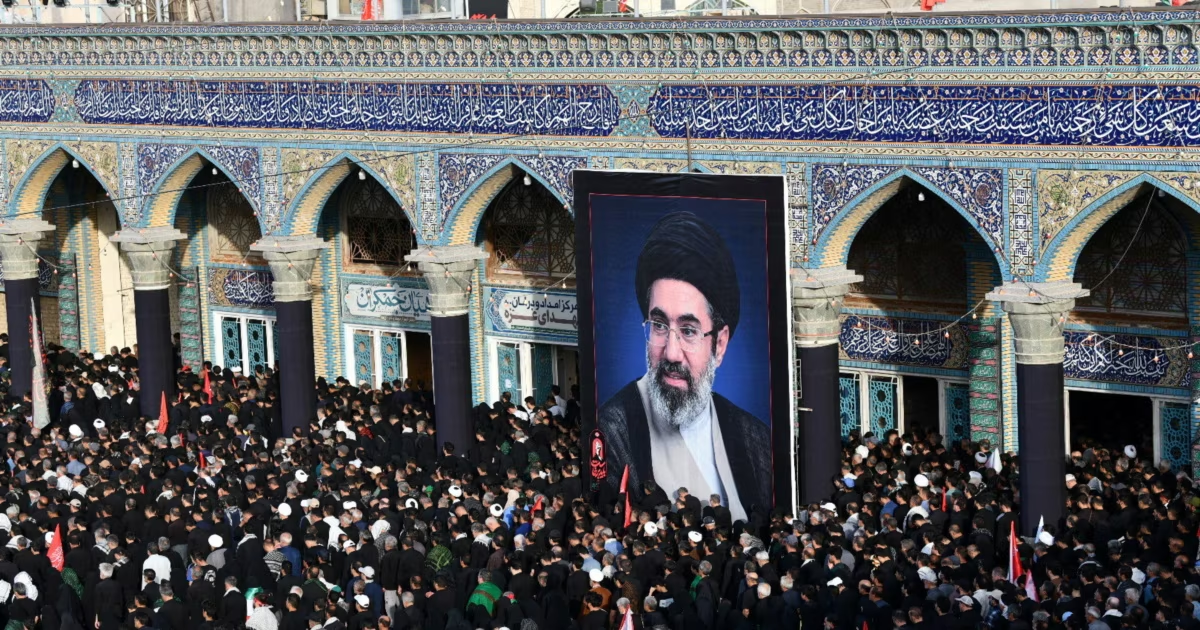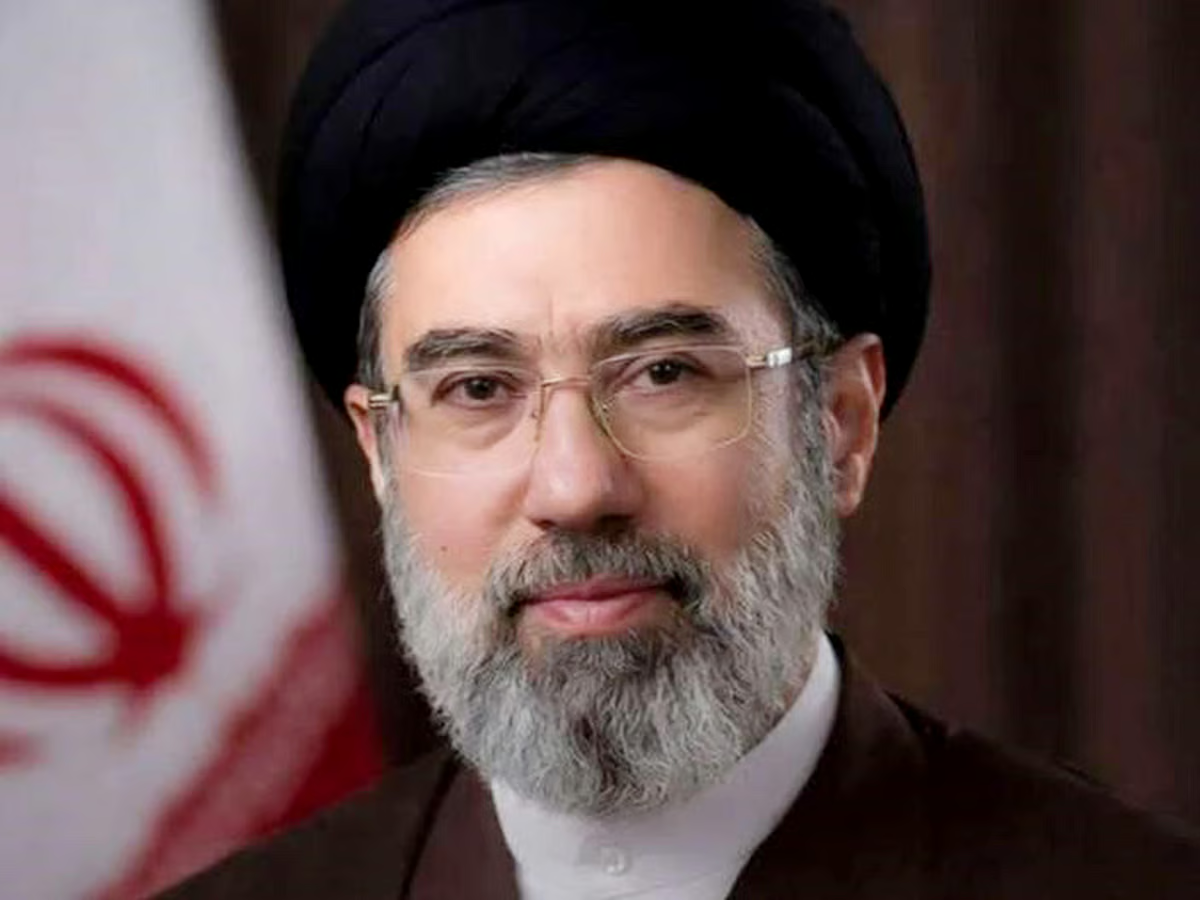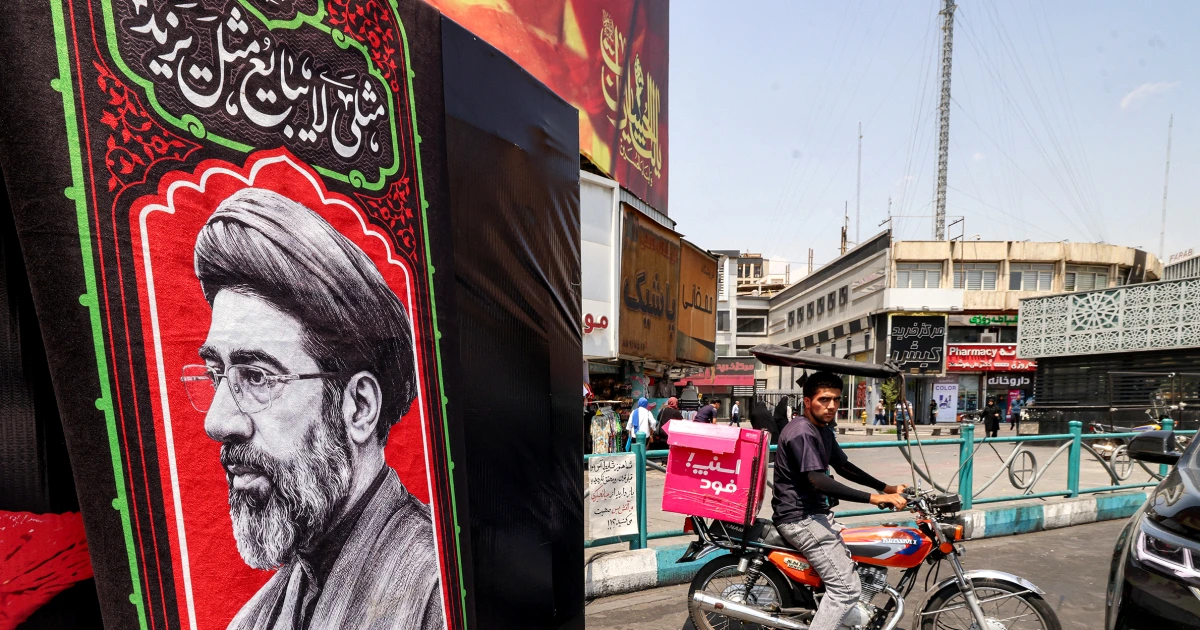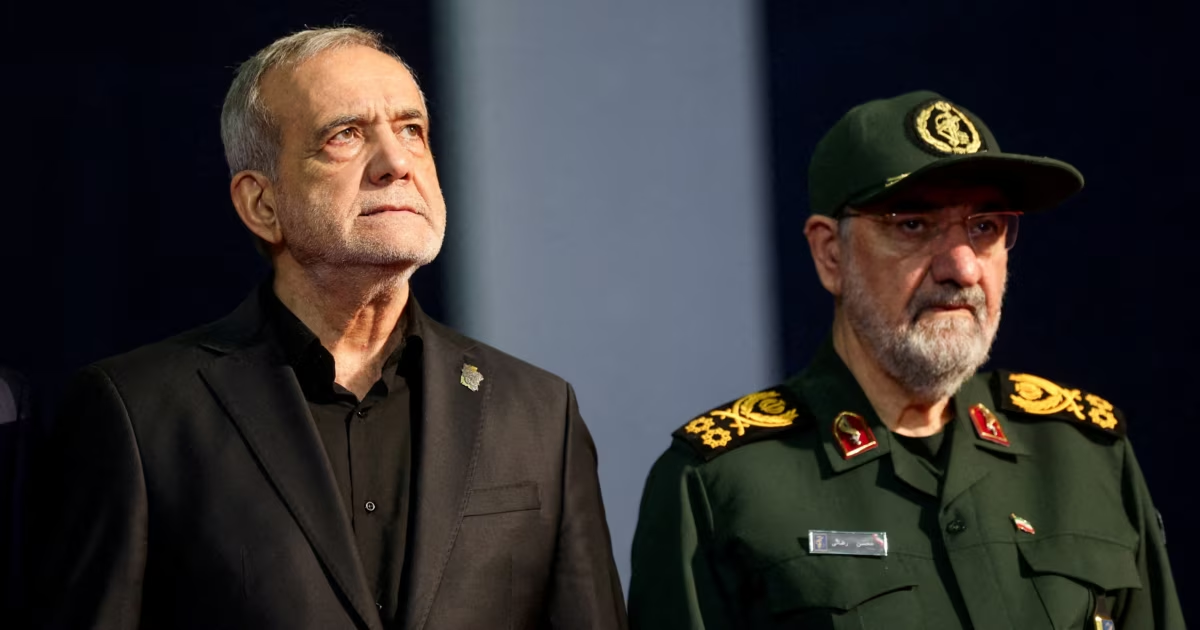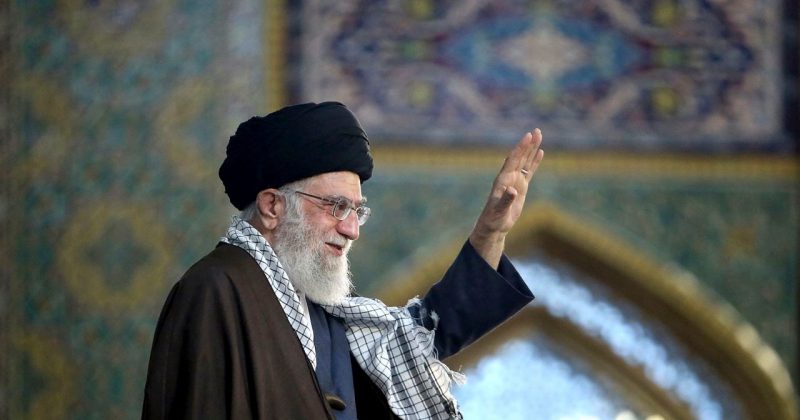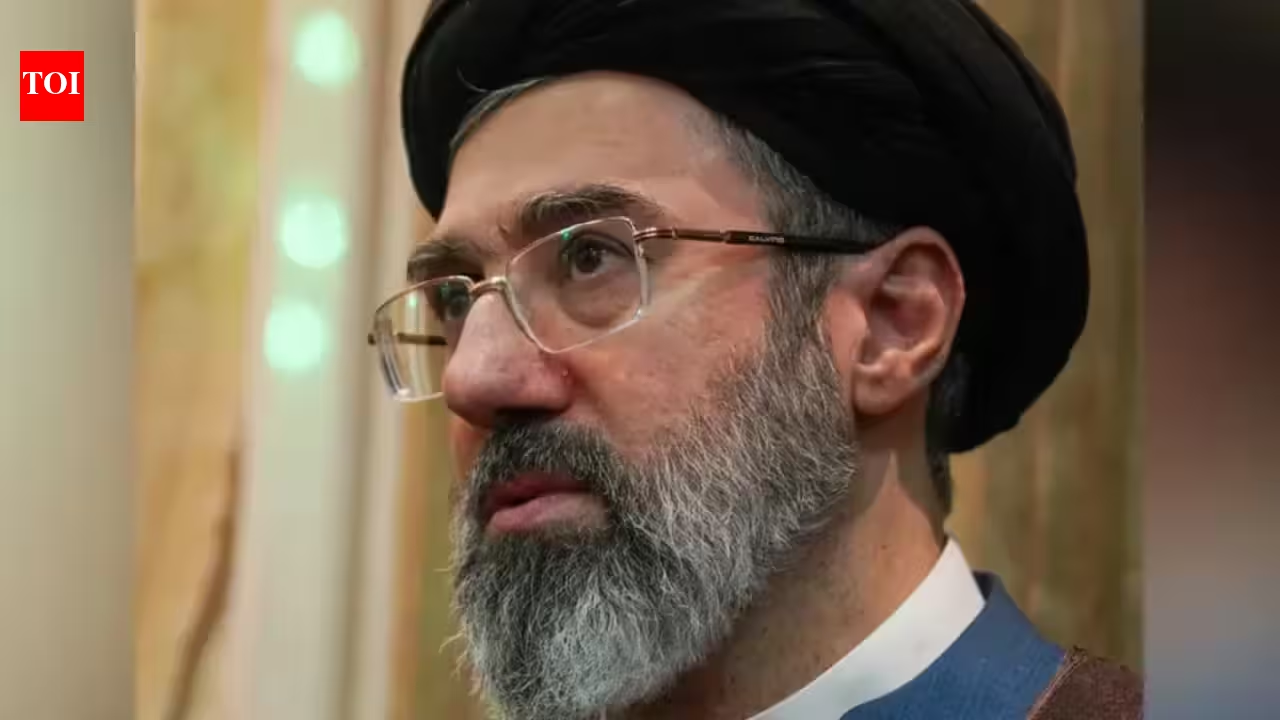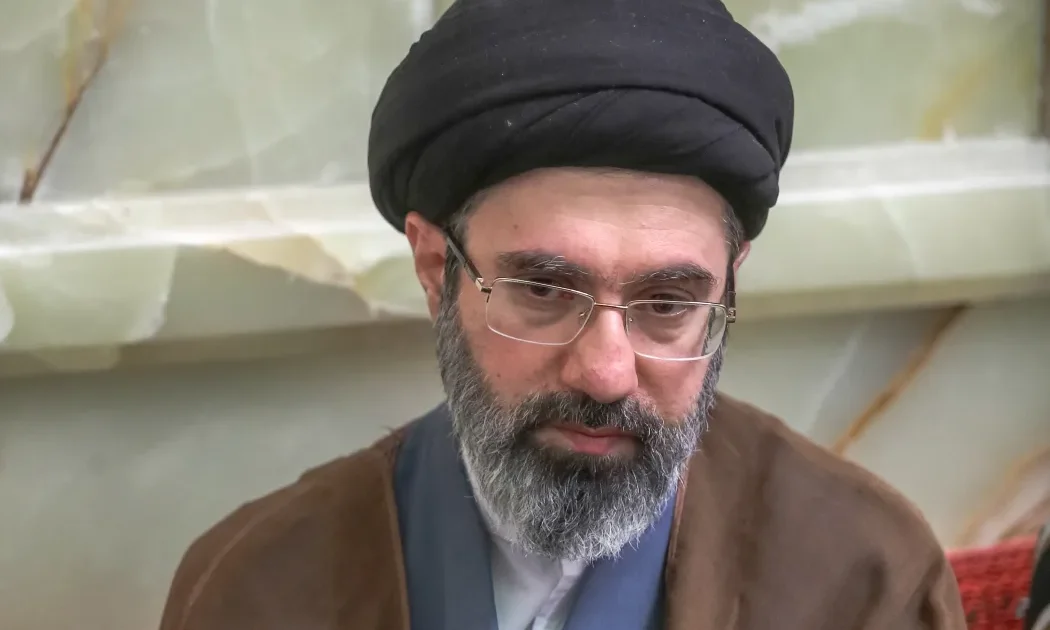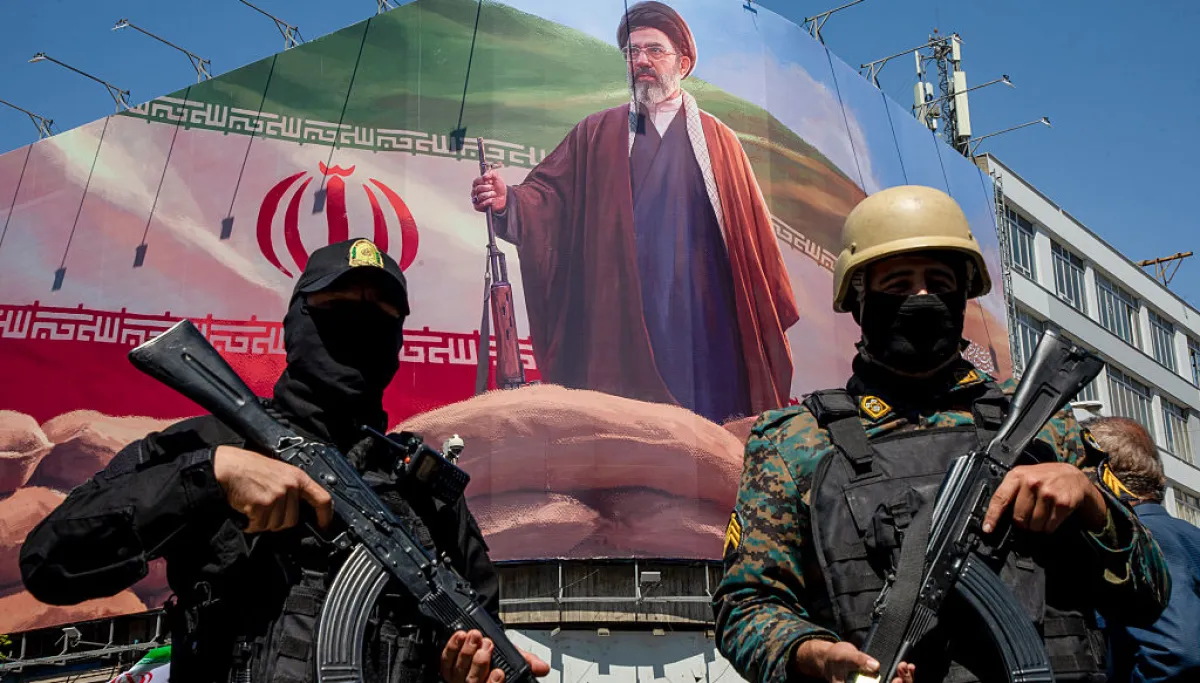
There are moments in the life of a political order when appointments cease to be administrative acts and become confessions. The men a regime elevates in an hour of uncertainty disclose what it fears, what it remembers, and what it believes the future will demand. The reconstruction of Iran’s military and security hierarchy under Mojtaba Khamenei belongs to such a moment.The names now rising to the summit of power tell a story darker than the announcements that accompany them. He is not assembling reformers, administrators, younger officers, or men whose careers suggest accommodation with a changing society. He is reaching backward into the deepest strata of the Islamic Republic’s institutional memory: the Revolutionary Guard, the intelligence services, the apparatus of ideological discipline, and the machinery through which the state has learned to defend itself not only from enemies abroad, but from the society over which it rules.The reshuffle extends across the General Staff, the Guard, its naval arm, and the Basij. War, assassination, and the loss of senior commanders have created vacancies that any state would be compelled to fill. But necessity does not abolish choice. Regimes reveal themselves not merely through the institutions they create, but through the human beings to whom they entrust those institutions when the stakes are greatest. The pattern in Tehran is unmistakable. The Islamic Republic is not preparing for adaptation. It is preparing for endurance — at a time when it sees danger everywhere: from Israel and the United States abroad, from economic decline and public anger at home, and from the possibility that its own accumulated failures may become more dangerous than any adversary.
Khamenei isn’t preparing for war with Israel. He’s preparing for war with Iran
Mojtaba Khamenei’s Revolutionary Guard reshuffle reveals a paranoid Iranian regime preparing for war against its own society.
1,416 words~6 min read