Facts matter.There are many pithy quotes on the subject.“Facts are stubborn things,” future President John Adams argued in defense of British soldiers during the 1770 Boston Massacre trials. “Whatever may be our wishes, our inclinations, or the dictates of our passions, they cannot alter the state of facts and evidence.”
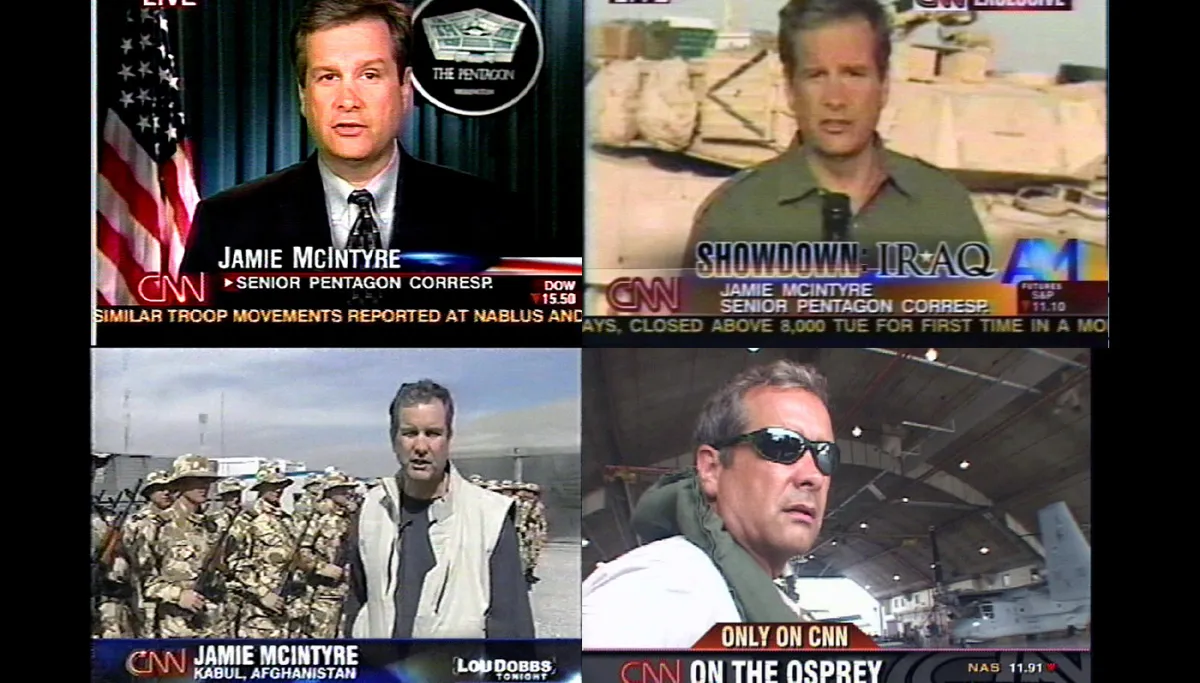
“Everyone is entitled to their own opinion, but not their own facts,” is widely attributed to the late Sen. Daniel Patrick Moynihan. But — just to be factually accurate — no one can cite a source for the claim that the New York Democrat allegedly said it. (Photo provided by Jamie McIntyre)
And my personal favorite, “I don’t like facts. Facts can change. I like my opinion. It never changes, no matter the facts,” which I’m pretty sure was said by comedian Stephen Colbert, back when he had adopted the persona of a pompous right-wing pundit.From my earliest days as an idealistic young reporter, I believed the highest form of journalism was to bring facts to bear on matters of importance. So that public policy could be debated and argued based on informed opinion.I wouldn’t tell people what to think. I shouldn’t tell them how to think. But I could provide factual, credible information to inform their opinions and serve as an inoculation against demonstrably false narratives.However, in 2001, my faith in the ability of facts to support corrective information was shattered in the aftermath of the Sept. 11 terrorist attack. When I saw the way millions — in fact, polls showed tens of millions — of Americans were persuaded by the early forms of social media to doubt what I witnessed firsthand.They did not believe a commercial airliner, hijacked by Islamic terrorists, had crashed into the west side of the massive building. Killing all 64 innocents on board and 124 people on the ground.(Photos provided by Jamie McIntyre)