https://arab.news/9r4xk
In nearly every social gathering or meeting I take part in nowadays, the question of whether journalism is still serving society reigns supreme. The questions posed and comments made all point to the rising lack of consensus about facts and diminishing trust.
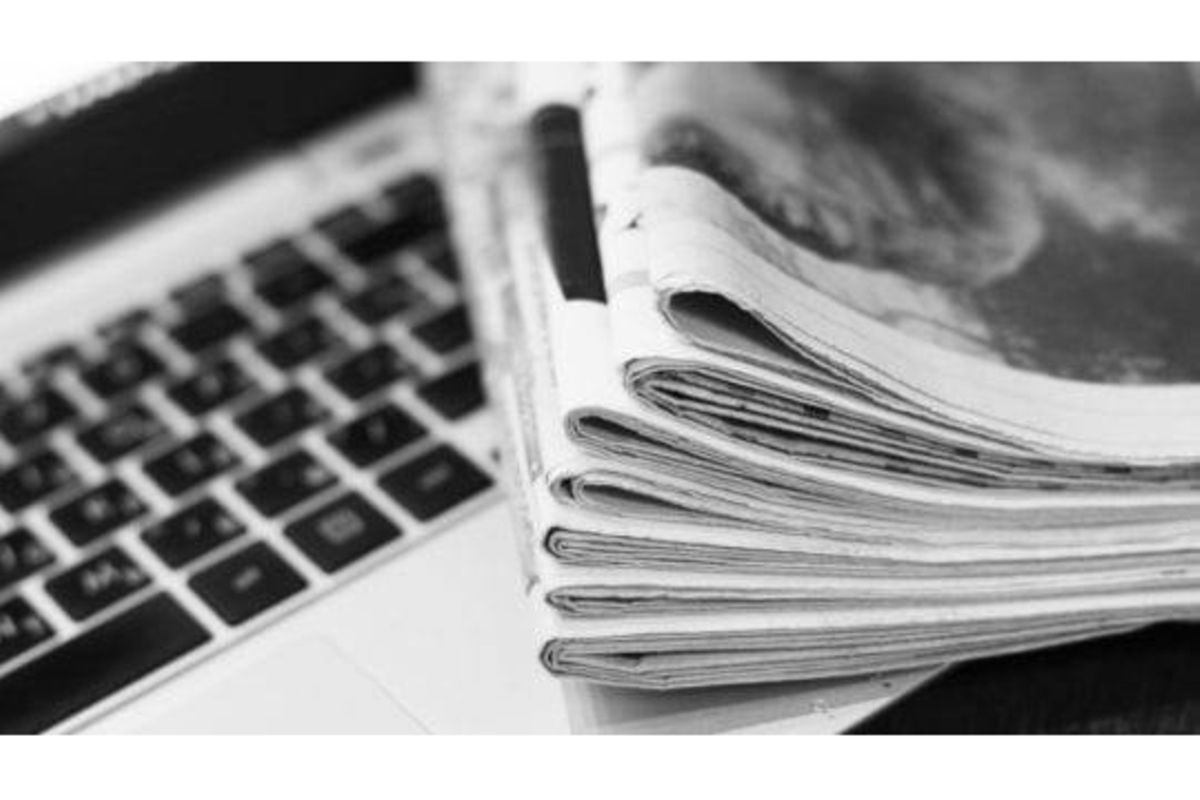
All this comes while I fail to hide a sense of anxiety, of fear about the present and uncertainty about the future. I often try, and clearly I am increasingly failing, to make the case that we are experiencing a crisis that is partly of our own making. Our trust in state systems and institutions, as well as the mainstream media, which have long held society together, is fading due in part to the way we choose to consume information. One example is how we use news feeds that are aggregated based on harvested data and rejigged by often-warped algorithms that are geared for the profit of the tech giants.
And this, let us agree, is suffered by nations and citizens that enjoy some liberties and freedoms, not in closed or state-controlled digital spaces.
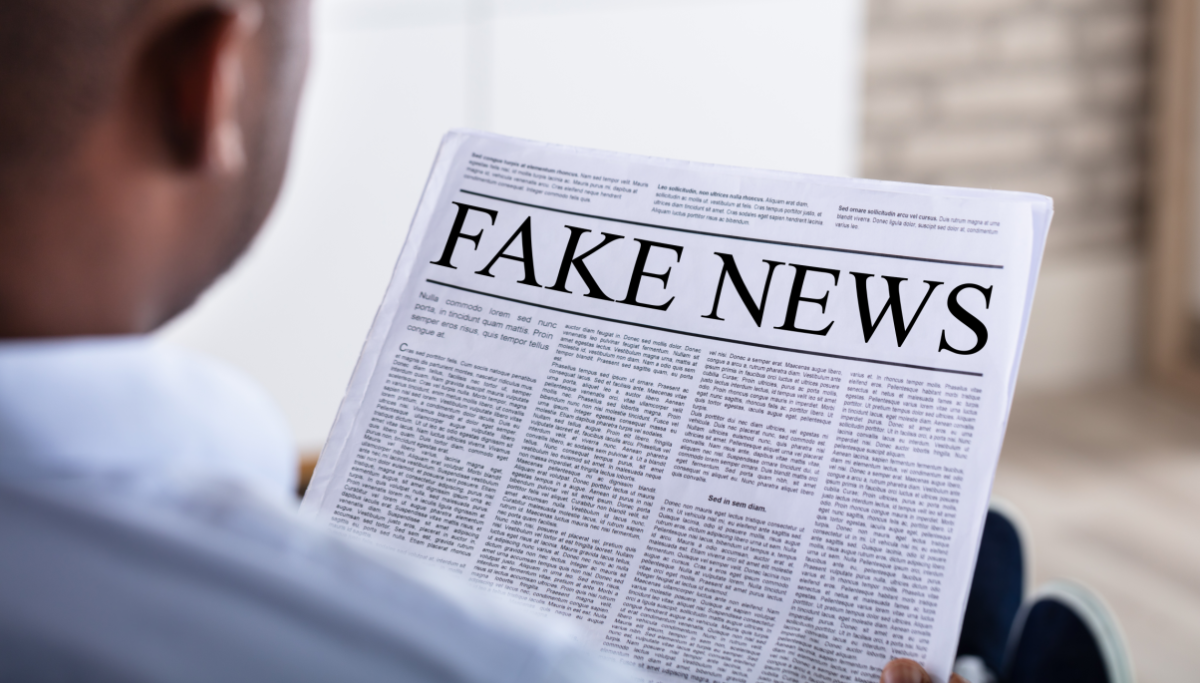
Since the explosion of the internet, its central tenets and integrity have been raided by various forces that have diluted and distorted facts and disorientated the masses, especially in Western democratic societies. It is getting increasingly difficult for even the most seasoned of journalists to defend journalism and its role in underpinning a well-informed, safe and cohesive democratic society. As a result, the public, especially young people, are on the receiving end of the sensationalist, clickbait-savvy information and knowledge ecosphere that often manipulates facts, changes the truth and reduces trust in everything.